
Damage Restoration in Jackson, CA
- Damage Restoration Services Overview
- Common Damage Restoration Issues in Jackson, California
- Neighborhoods We Serve in Jackson
- Seasonal Damage Patterns in Jackson
- Housing Characteristics & Restoration Considerations
- Environmental Conditions & Damage Implications
- The First 48 Hours: Emergency Response and Property Stabilization in Amador County
Damage Restoration Services Overview
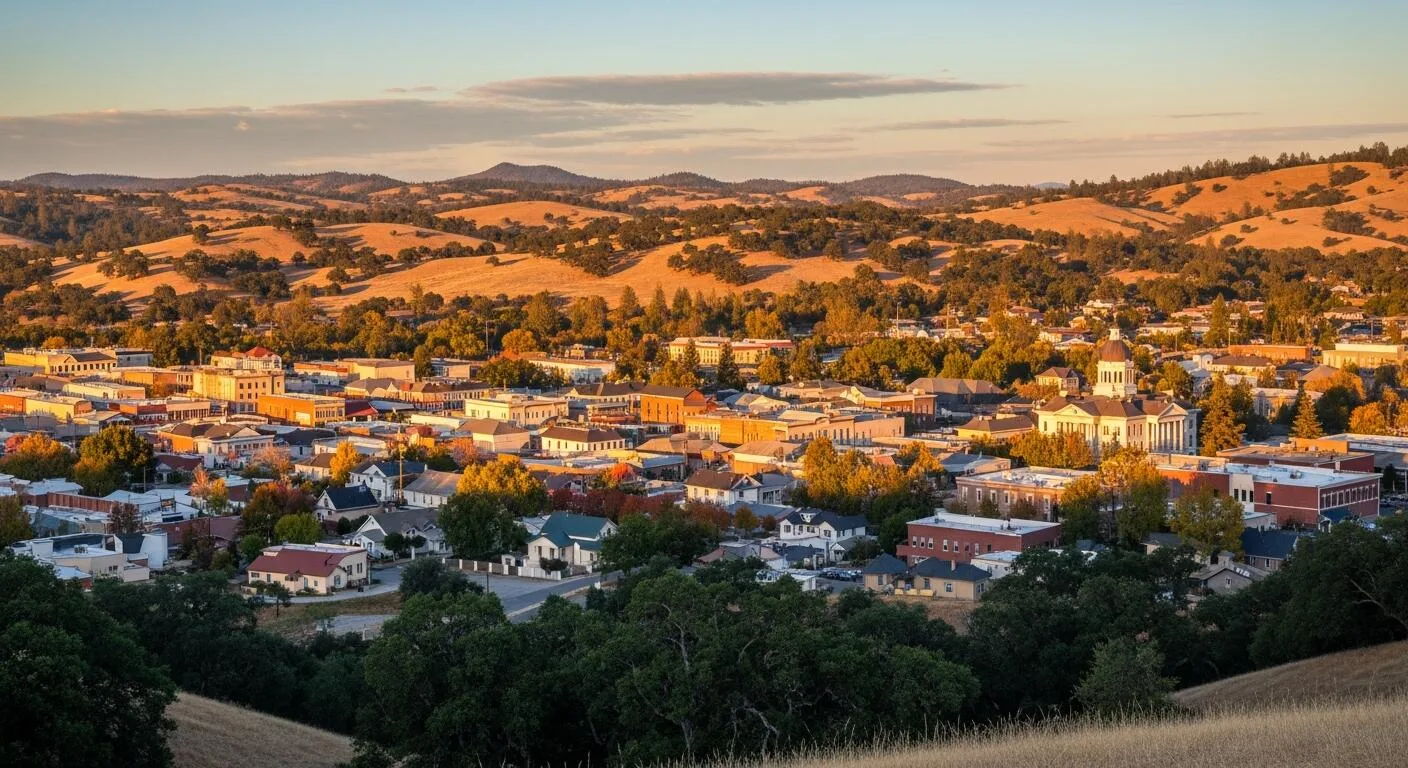
Few things rattle a homeowner like walking into a flooded basement or smelling smoke long after the flames are out. In Jackson, where historic Gold Rush-era buildings sit alongside newer foothill subdivisions, property damage rarely follows a simple script.
Restoration work brings a damaged structure back to a safe, dry, sanitary condition - and it starts with fast mitigation before losses spread.
- Water Damage Restoration - extraction, structural drying, moisture mapping and monitoring of walls, subfloors and cavities.
- Flooded Basement - pump-out, contents protection, dehumidification and treatment of below-grade wall assemblies.
- Sewage Cleanup - containment, removal of contaminated porous materials, antimicrobial application and disposal following Category 3 protocols.
- Fire Damage Restoration - emergency board-up, debris removal, structural cleaning and content pack-out.
- Smoke Damage Restoration - soot removal, thermal fogging, HEPA air scrubbing and odor neutralization in ductwork and framing.
- Mold Removal - containment barriers, negative air pressure, careful removal of colonized materials and moisture-source correction.
Benefits Jackson residents gain from a coordinated response:
- Reduced secondary damage to hardwood, drywall and cabinetry
- Documentation that supports insurance claims
- Fewer lingering odors and airborne contaminants
- Safer indoor conditions for children, seniors and anyone with respiratory sensitivity
Common Damage Restoration Issues in Jackson, California
Jackson sits in the Sierra foothills of Amador County, where elevation, wildfire exposure and aging infrastructure combine to create predictable damage patterns.
Local Causes We See Most Often
- Winter storm runoff - saturated clay soils on sloped lots push water toward foundations and daylight basements along Jackson Creek drainages.
- Aging supply lines - galvanized and early copper plumbing in older downtown homes fails at joints and behind walls.
- Septic and sewer backups - heavy rain overwhelms older laterals and rural leach fields, sending contaminated water into low-lying rooms.
- Wildfire and smoke intrusion - regional fire seasons drive soot and odor into attics, HVAC systems and insulation even when structures never burn.
- Chimney, wood stove and electrical fires - common in foothill homes that rely on supplemental heat through cold months.
- Hidden mold - crawl spaces with poor vapor barriers hold humidity long after a leak stops.
Warning Signs Worth Acting On
- Cupping or darkening hardwood near exterior walls
- Musty odors in closets, under sinks or in crawl spaces
- Bubbling paint, tape seam separation or stained ceiling tiles
- Slow drains, gurgling toilets or sewage smell near cleanouts
- Yellow-brown film on windows or a smoke odor that returns on humid days
- Unexplained increases in water use with no visible leak
Early inspection almost always narrows the scope of repair. Waiting rarely does.
Neighborhoods We Serve in Jackson
Crews respond throughout Jackson and the surrounding Amador County communities along the Highway 49 and Highway 88 corridors.
- Historic Downtown Jackson - Main Street, Court Street and the surrounding hillside blocks of brick and wood-frame buildings
- Martell - commercial properties, retail centers and light industrial buildings near the Highway 49/88 junction
- Jackson Gate and Kennedy Mine area - older residences on steep, creek-adjacent lots
- Sutter Hill and Sutter Creek - mixed residential and small-business properties
- Pine Grove, Pioneer and Volcano - higher-elevation homes with wood stoves and heavier fire exposure
- Ione, Amador City, Drytown and Plymouth - rural parcels with wells and septic systems
- Buena Vista, Camanche and Lake Amador vicinity - lakefront and outlying properties
Response includes hospitals, clinics, schools, wineries, tasting rooms and lodging properties that cannot afford extended downtime.
Seasonal Damage Patterns in Jackson
Winter (December - February)
- Peak season for flooded basements and crawl space saturation
- Roof leaks after atmospheric river storms
- Frozen or burst pipes during cold snaps at higher elevations
- Heating-related fires from wood stoves, chimneys and space heaters
Spring (March - May)
- Delayed mold growth surfacing from winter moisture
- Sewage backups as saturated ground stresses septic leach fields
- Groundwater seepage through foundation cracks
Summer (June - August)
- Highest wildfire and smoke damage risk across Amador County
- Air conditioning condensate line overflows
- Appliance failures - water heaters, ice makers and washing machine hoses
- Smoke odor infiltration into attics and duct systems from regional fires
Fall (September - November)
- Continued fire season through the first meaningful rains
- Clogged gutters directing water against siding and foundations
- First-storm discoveries of roof and flashing failures
- Post-fire cleanup, board-up and content restoration work
Housing Characteristics & Restoration Considerations
Jackson's building stock spans more than a century and a half, and construction era drives nearly every restoration decision.
Common Property Types
- Gold Rush and Victorian-era homes - lath and plaster walls, board sheathing, brick foundations and stone cellars
- Mid-century ranch homes - raised foundations, vented crawl spaces, original ductwork
- 1980s - 2000s foothill subdivisions - slab-on-grade or hillside daylight basements, engineered framing
- Rural parcels - manufactured homes, outbuildings, wells and septic systems
- Downtown commercial - unreinforced masonry with upper-floor apartments
How Age Affects the Work
- Materials testing - pre-1980 homes may contain asbestos in flooring, mastic or texture, and lead-based paint, requiring assessment before demolition.
- Drying strategy - plaster over wood lath holds water differently than drywall and needs longer monitored drying with targeted airflow.
- Cavity access - balloon framing in older homes lets water and smoke travel between floors, so inspection extends well beyond the visible damage.
- Basement assemblies - stone and brick foundations wick moisture and often need dehumidification rather than surface treatment alone.
- Wastewater systems - properties on septic require different sewage cleanup planning than those on municipal sewer.
Historic finishes - fir flooring, original trim, plaster crown detail - are frequently salvageable when drying begins quickly and demolition stays selective.
Environmental Conditions & Damage Implications
Jackson sits near 1,200 feet elevation with a Mediterranean climate - hot dry summers, cool wet winters and sharp seasonal swings that influence how damage behaves indoors.
Climate and Air
- Summer highs regularly exceed 90 degrees, accelerating microbial growth in any wet material
- Most annual rainfall arrives November through March in concentrated storm cycles
- Wildfire smoke episodes push fine particulate into homes through gaps, vents and attic openings
- Low summer humidity can mask trapped moisture inside wall cavities while interiors feel dry
Soil and Water
- Clay-heavy foothill soils expand when wet and shed water rather than absorbing it, sending runoff toward foundations and window wells
- Rocky, shallow bedrock limits drainage on many lots, extending how long crawl spaces stay damp
- Hard water with mineral content contributes to scale buildup, fixture failures and slow pinhole leaks
- Historic mining ground means soil disturbance during excavation warrants extra caution
What This Means for Restoration
- Mold remediation must correct grading and drainage, not just remove growth
- Smoke damage work includes duct cleaning and full HEPA filtration of the air volume
- Structural drying targets documented moisture content readings, not appearance
- Sewage cleanup near wells or creeks follows containment and disposal requirements closely
The First 48 Hours: Emergency Response and Property Stabilization in Amador County
What happens immediately after a loss shapes the entire project. Rural response distances in Amador County make a staged, methodical approach even more valuable.
Step One: Safety Assessment
Before any cleanup begins, the property is inspected for hazards - exposed gas lines, electrical exposure, compromised structural integrity, and falling objects or building parts. Nothing else proceeds until those conditions are documented and controlled.
Step Two: Securing the Structure
- Boarding up broken windows, damaged doors and open wall sections
- Temporary roof tarping ahead of the next storm
- Portable fencing around unstable areas
- Security monitoring for at-risk properties
Step Three: Mitigation and Stabilization
- Build temporary containment enclosures to isolate affected areas
- Extract standing water and remove unsalvageable saturated materials
- Position air movers, dehumidifiers and HEPA air scrubbers
- Move or protect furniture and contents away from wet zones
- Perform selective demolition so plumbing or source repairs can be completed
- Assign a project manager to document scope, readings and photos
Step Four: Contents Handling
Salvageable belongings are cleaned and stored indoors in wood vaults, which protects items from mold growth and deterioration during reconstruction. Families staying in temporary housing can have essential items delivered there, or everything returns once the structure is finished.
Standards That Guide the Work
- IICRC S500 for water damage restoration and structural drying
- IICRC S520 for mold remediation containment and clearance
- IICRC S700 for fire and smoke restoration cleaning methods
- EPA and California guidance for lead, asbestos and contaminated water handling
Certified technicians, daily moisture documentation and clear communication with adjusters keep Jackson property owners informed from the first phone call through final walkthrough.





