
Damage Restoration in Vienna, WV
- Damage Restoration Services Overview
- Common Damage Restoration Issues in Vienna, West Virginia
- Neighborhoods We Serve in Vienna
- Seasonal Damage Patterns in Vienna
- Housing Characteristics & Restoration Considerations
- Environmental Conditions & Damage Implications
- Basement Flooding and Sewer Backup Preparedness Along the Ohio River
Damage Restoration Services Overview
Damage rarely stays contained. A slow supply line leak behind a Vienna kitchen wall can quietly saturate framing for weeks, and by the time the drywall stains, mold colonies have already taken hold. Fire leaves behind acidic soot that keeps etching metal, glass, and finishes long after the flames are out. Sewage backups introduce bacteria into porous materials that ordinary cleaning cannot reach.
Acting quickly protects both the structure and the people inside it. Vienna homeowners rely on a connected set of services that address damage from the first extraction through final reconstruction:
- Water Damage Restoration - extraction, structural drying, moisture mapping, and monitoring until materials return to normal readings
- Flooded Basement - pump-out, sump and drainage evaluation, salvage sorting, and dehumidification of below-grade spaces
- Sewage Cleanup - removal of contaminated materials, antimicrobial treatment, and disinfection of affected surfaces
- Fire Damage Restoration - board-up, debris removal, soot cleaning, and structural repair
- Smoke Damage Restoration - odor neutralization, HVAC and duct cleaning, and content restoration
- Mold Removal - containment, filtration, safe removal of affected materials, and moisture-source correction
If your property has suffered damage, don't hesitate to reach out. At Panhandle Cleaning & Restoration, our team is available 24/7 to provide prompt, professional restoration in Parkersburg, Vienna, Marietta, and surrounding cities. Call 866-515-2364 or schedule immediate restoration help online.
Common Damage Restoration Issues in Vienna, West Virginia
Vienna sits on the Ohio River floodplain just north of Parkersburg, and that geography shapes nearly every loss we see. High river stages, saturated ground, and older municipal infrastructure combine to push water where it doesn't belong.
Frequent Causes of Loss
- Ohio River backwater and high groundwater pressing through basement walls and floor joints
- Combined storm and sanitary sewer surcharge during heavy rain, sending sewage up floor drains
- Failed or undersized sump pumps in homes along the lower-lying streets near the river
- Frozen and burst supply lines in unheated crawl spaces and garages during January cold snaps
- Aging water heaters, washer hoses, and cast-iron drain lines in mid-century homes
- Kitchen fires, chimney and flue fires, and space heater incidents during the heating season
- Electrical faults in original mid-century wiring that was never fully updated
Warning Signs Worth Investigating
- Musty odor in the basement or lowest level that intensifies after rainfall
- Efflorescence - white chalky residue - on block foundation walls
- Cupped hardwood, bubbling vinyl plank, or soft spots near tubs and dishwashers
- Gurgling floor drains or slow toilets, often the first sign of a sewer line issue
- Yellowed ceilings, sticky residue on walls, or smoke odor that returns when the furnace runs
- Recurring allergy or asthma symptoms that improve when occupants leave the house
Small signals tend to precede large losses. Calling early keeps the affected footprint - and the disruption - smaller.
Neighborhoods We Serve in Vienna
Crews work throughout Vienna and the wider Mid-Ohio Valley, covering both residential streets and commercial corridors.
- The Grand Central Avenue corridor, including retail and office properties near Grand Central Mall
- Older residential blocks between 1st and 40th Street and along Riverside Drive
- Jackson Park, Spencer Park, and surrounding established neighborhoods
- North Vienna and the Lakeview area near the Ohio River bend
- Neighboring communities: Parkersburg, North Hills, Boaz, Williamstown, Washington Bottom, Lubeck, Blennerhassett, Mineral Wells, and Waverly
- Across the river in Ohio: Marietta, Belpre, Little Hocking, and Devola
Familiarity with local street-level flood history, sewer district behavior, and building stock lets crews arrive with the right equipment on the first trip rather than the second.
Seasonal Damage Patterns in Vienna
Winter (December - February)
- Burst pipes in crawl spaces, exterior walls, and vacant properties during hard freezes
- Peak fire and smoke damage season from furnaces, wood stoves, flue fires, and space heaters
- Ice damming on low-slope roofs pushing meltwater into ceilings
Spring (March - May)
- Highest risk for flooded basements as snowmelt and spring rain raise the Ohio River
- Sewage backups when heavy rainfall overwhelms drainage systems
- Mold growth accelerating as temperatures climb over materials wetted in winter
Summer (June - August)
- Mold removal calls peak with high humidity in basements and crawl spaces
- Air conditioning condensate line clogs flooding closets and ceilings below
- Severe thunderstorms and derecho-type winds causing roof breaches and wind-driven rain intrusion
Fall (September - November)
- First furnace runs releasing dust and smoke odors, revealing prior heat exchanger issues
- Clogged gutters and downspouts directing water against foundations
- Ideal window for pre-winter pipe insulation, sump pump testing, and moisture inspections
Housing Characteristics & Restoration Considerations
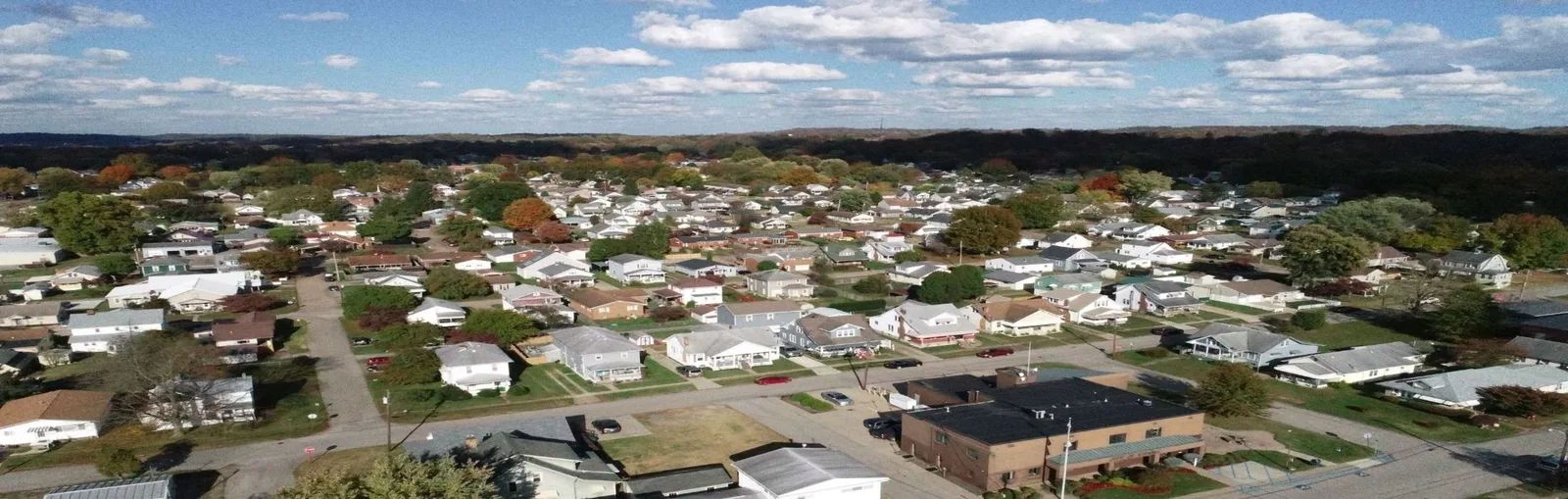
Vienna's housing stock leans heavily toward post-war construction, with a substantial share of homes built between the 1940s and 1970s alongside newer subdivisions on the higher ground east of Grand Central Avenue. Construction style directly changes how a restoration project is scoped.
Common Building Types and What They Mean
- Mid-century ranches with full block basements - block walls wick moisture readily and often need injection drying rather than surface drying; finished basement paneling usually must be removed to reach saturated framing
- Two-story frame homes with plaster over lath - plaster holds water far longer than drywall and hides moisture behind it, so thermal imaging and probe readings guide removal decisions
- Homes with crawl spaces - exposed soil and low clearance create persistent humidity, a leading cause of subfloor mold and joist decay
- Older galvanized and cast-iron plumbing - prone to pinhole leaks and drain-line failures that release contaminated water
- Newer subdivisions with engineered flooring and OSB sheathing - these materials swell quickly and require fast extraction to avoid permanent loss
- Knob-and-tube or early aluminum wiring remnants - a recurring fire risk in unrenovated attics and additions
Many Vienna basements were finished decades after the home was built, often without vapor barriers or proper drainage. That combination makes basement flooding a mold problem as much as a water problem, and remediation plans account for both from day one. Homes with attached garages or older ductwork also need HVAC cleaning after any fire, since smoke residue travels through supply runs and re-deposits odor for months.
Environmental Conditions & Damage Implications
The Mid-Ohio Valley climate creates near-ideal conditions for microbial growth for much of the year. Humid summers, mild wet springs, and a river valley that traps moisture and stagnant air all work against fast drying.
Local Conditions That Shape Restoration Work
- Annual rainfall in the low-to-mid 40-inch range - frequent saturation events keep soil around foundations wet, sustaining hydrostatic pressure
- Summer relative humidity often above 70 percent - ordinary fans alone will not dry a structure; commercial dehumidification is required
- Clay-heavy valley soils - drain slowly, hold water against block walls, and shift with wet-dry cycles, opening foundation cracks
- Ohio River floodplain elevation - low-lying properties face both surface water and elevated groundwater tables
- Valley air inversions - trap smoke and particulates, which is why fire odor lingers longer here than in open terrain
- Industrial corridor proximity - contributes to particulate loading that settles in HVAC systems and complicates post-fire cleaning
These conditions influence equipment selection and drying targets. Water that enters through soil or a sewer line is treated as contaminated regardless of appearance, because valley groundwater frequently carries bacteria and agricultural runoff. Mold remediation includes containment barriers and HEPA filtration so spores are not redistributed through the rest of the home during humid months when they would readily colonize new surfaces.
Basement Flooding and Sewer Backup Preparedness Along the Ohio River
Basement losses are the single most common restoration call in Vienna, and they follow predictable patterns tied to river stage and rainfall intensity. Understanding what happens - and in what order - helps property owners limit the damage before crews arrive.
What to Do When Water Enters a Basement
- Shut off electricity to the affected level at the panel if it can be reached safely and dry.
- Stop the source where possible - close the main water valve for a supply failure, or stop all water use in the home during a sewer backup.
- Avoid contact with standing water that may contain sewage; treat any water from a floor drain or toilet as contaminated.
- Photograph conditions and belongings before anything is moved, for insurance documentation.
- Move undamaged contents to a dry upper level if it can be done without wading through the water.
- Call for emergency dispatch so extraction begins before water wicks up drywall and into framing.
Preventive Steps That Pay Off Locally
- Install a backwater valve on the sanitary line to block sewer surcharge during heavy rain
- Add a battery backup or water-powered backup to the sump pump - outages and floods often arrive together
- Test the sump pump quarterly by pouring water into the pit and confirming discharge
- Extend downspouts at least six feet from the foundation and regrade any soil sloping toward the house
- Keep a vapor barrier and dehumidifier running in crawl spaces year-round
- Store valuables and mechanicals on shelving or platforms rather than directly on the slab
- Seal visible block cracks and repair failed window well drains before spring
When a backup does occur, contaminated water requires more than a wet vacuum. Affected carpet, pad, and drywall below the water line are removed, framing and slab surfaces are cleaned and treated with antimicrobials, and the space is dried and verified with moisture meters before rebuilding begins. That sequence prevents the mold problem that so often follows a rushed cleanup. Call 866-515-2364 the moment you find water - the faster the response, the smaller the loss stays.





