Damage Restoration in Wagoner County, OK
- Damage Restoration Services Overview
- Common Damage Restoration Issues in Wagoner County, Oklahoma
- Neighborhoods We Serve in Wagoner County
- Seasonal Damage Patterns in Wagoner County
- Housing Characteristics & Restoration Considerations
- Environmental Conditions & Damage Implications
- Working With Wagoner County Floodplain Rules and Your Insurance Claim
Damage Restoration Services Overview
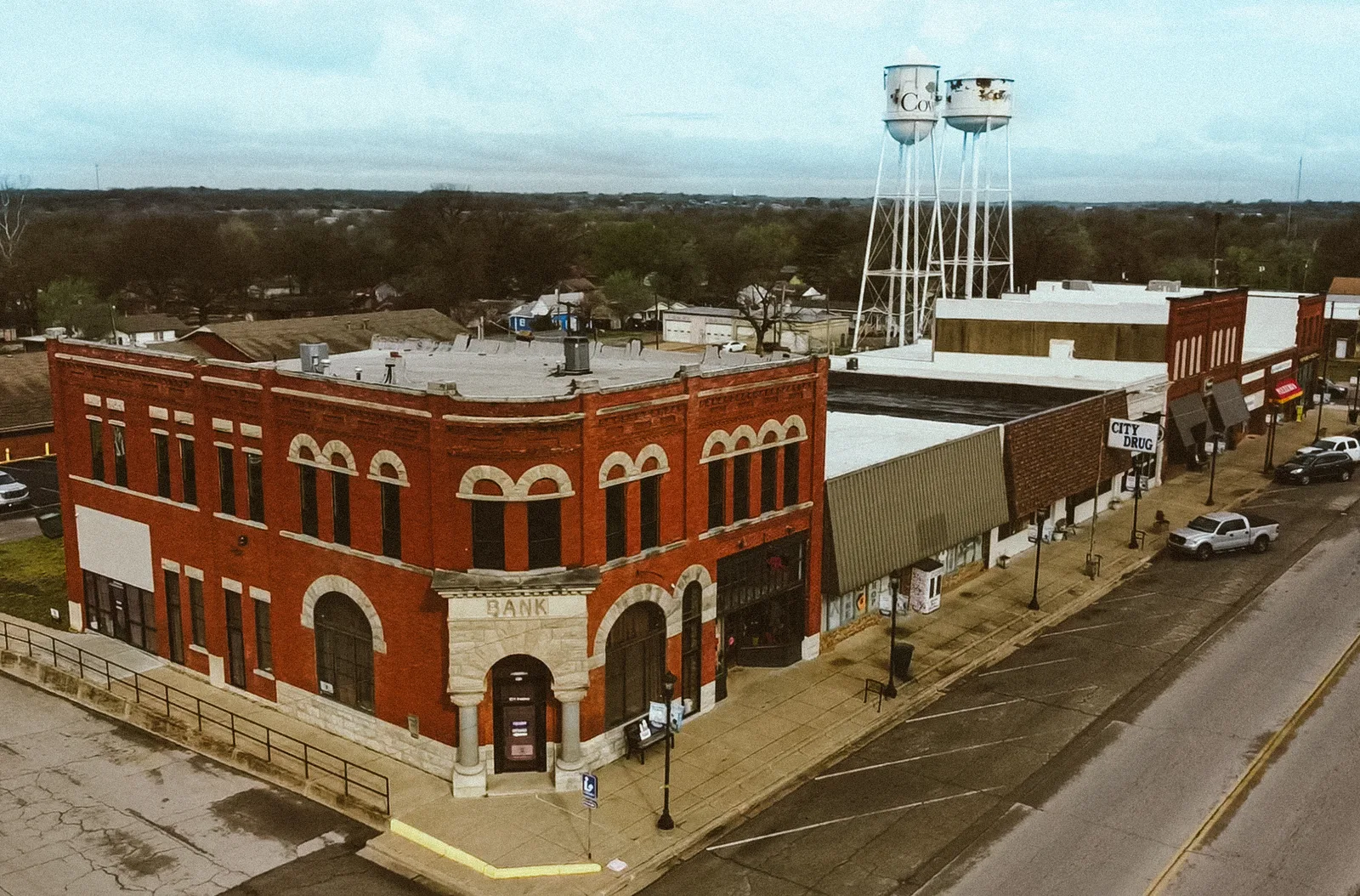
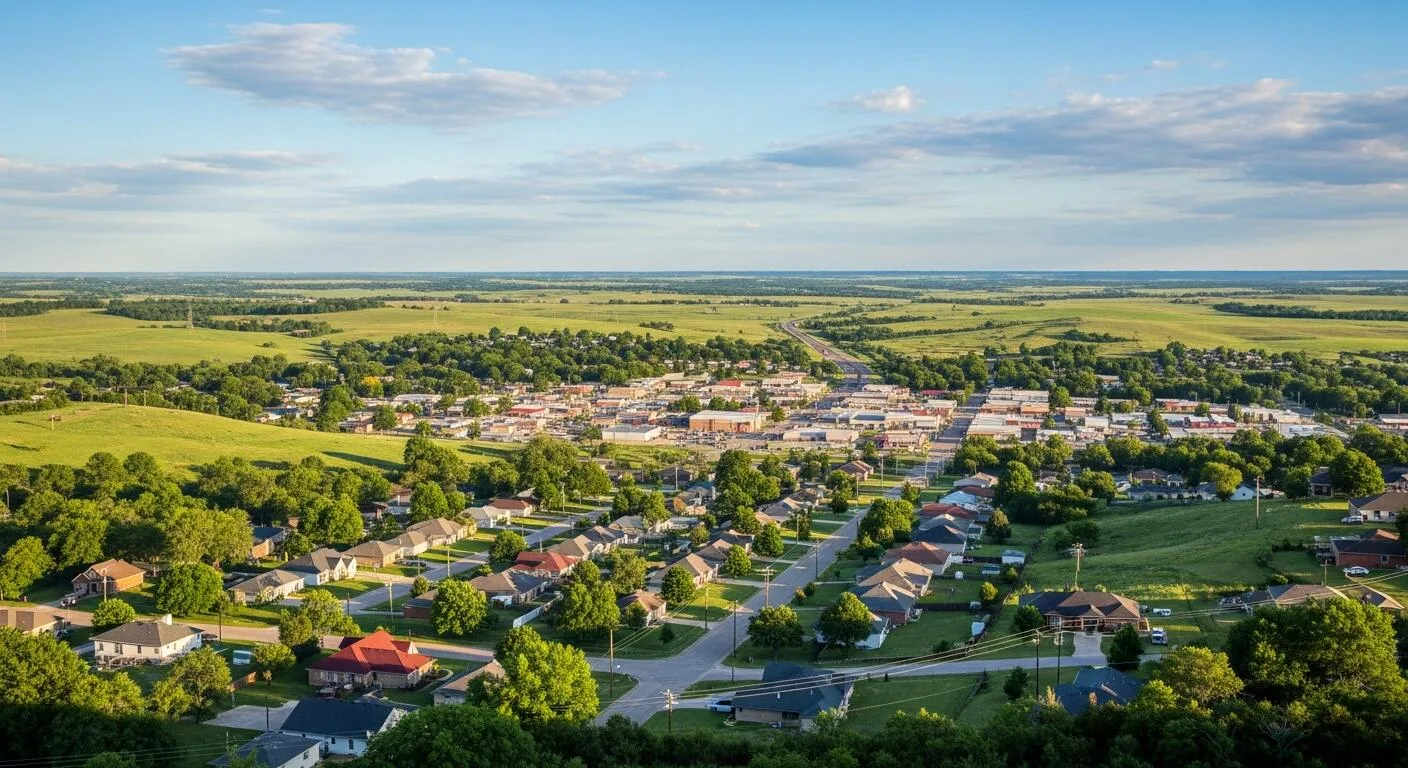
Wagoner County sits at the meeting point of the Verdigris and Arkansas River systems, with Fort Gibson Lake shaping much of its eastern edge - which means a sizable share of county property owners live within or near a mapped floodplain. That geography drives steady demand for emergency restoration work across Wagoner, Coweta, Porter and the surrounding communities.
Property damage rarely arrives in one form. A storm that pushes water into a crawlspace can trigger mold growth weeks later. An electrical fire leaves behind smoke residues that travel through ductwork long after flames are out. Full-service restoration addresses the visible loss and the hidden damage together.
- Water Damage Restoration - extraction, structural drying and moisture mapping after pipe breaks, appliance failures and roof leaks
- Flooded Basement - pump-out, contents handling and drying of below-grade spaces and storm shelters
- Sewage Cleanup - removal of Category 3 contaminated water, sanitizing and disposal of affected porous materials
- Fire Damage Restoration - debris removal, board-up, structural cleaning and reconstruction coordination
- Smoke Damage Restoration - soot removal, odor neutralization and HVAC decontamination
- Mold Removal - containment, air filtration, affected material removal and moisture source correction
Key benefits for county residents include faster drying that limits secondary damage, documentation that supports insurance claims, and coordination with Wagoner County Emergency Management and the county Floodplain Manager when required.
Common Damage Restoration Issues in Wagoner County, Oklahoma
Northeast Oklahoma weather is the primary driver. Spring supercells, flash flooding along creek drainages, and winter freeze events each produce a distinct pattern of loss.
Local Causes We See Repeatedly
- Backwater flooding from the Verdigris and Arkansas Rivers and their tributaries after upstream releases
- Overwhelmed rural drainage ditches and undersized culverts pushing runoff toward foundations
- Frozen and burst supply lines in unheated crawlspaces, garages and outbuildings
- Sewer backups when saturated ground infiltrates aging clay laterals and septic fields fail
- Lightning strikes and electrical fires during severe thunderstorm season
- Grass and brush fires spreading to outbuildings during dry, windy stretches
- Chimney, space heater and cooking fires that leave smoke throughout a home
Warning Signs Worth Acting On
- Musty odor in a basement, closet or crawlspace that returns after rain
- Cupping or darkening at the edges of hardwood flooring
- Cracked, bubbling or discolored drywall near baseboards and window sills
- Slow floor drains, gurgling toilets, or standing water near cleanouts
- Persistent smoke odor that intensifies when the HVAC system cycles on
- Yellow-brown staining on ceilings under bathrooms or attic penetrations
- Increased allergy symptoms among household members with no seasonal explanation
After a flooding emergency, report the damage to Wagoner County Emergency Management before remediation begins, and notify the county Floodplain Manager if your property sits inside a FEMA-regulated floodplain. Large events can stretch restoration work across several days as crews sequence extraction, drying and rebuild.
Neighborhoods We Serve in Wagoner County
Coverage spans the full county and the adjoining communities that share its road and drainage networks.
- Wagoner - historic downtown properties, older residential blocks and lakeside homes toward Fort Gibson Lake
- Coweta - growing subdivisions, slab-on-grade construction and newer commercial corridors
- Porter - rural acreage, septic-served homes and agricultural outbuildings
- Okay and Tullahassee - small-town residential and riverside parcels
- Redbird, Toppers and surrounding unincorporated areas
- Broken Arrow (Wagoner County portion) - dense suburban housing stock
- Catoosa, Inola and Haskell edges - properties along shared drainage basins
Crews also respond into Muskogee County and the greater Tulsa area, which keeps equipment and technicians positioned close to Wagoner County when multiple losses hit the region at once.
Seasonal Damage Patterns in Wagoner County
Winter (December - February)
- Burst pipes in crawlspaces, attics and vacant properties during hard freezes
- Ice dam leaks on shallow-pitch roofs
- Heating-related fires from space heaters, fireplaces and wood stoves
- Smoke damage from improperly drafting chimneys
Spring (March - May)
- Peak flooding season - flooded basements, crawlspaces and first-floor water intrusion
- Hail and wind damage that opens roofs to rainwater
- Sewage backups as saturated soils overload laterals and septic systems
- Lightning-caused structure fires
Summer (June - August)
- Rapid mold growth in humid, poorly ventilated spaces
- AC condensate line clogs and overflow pan failures
- Grass fires spreading to fences, sheds and detached garages
Fall (September - November)
- Remnant tropical systems delivering multi-day rainfall and renewed flooding
- Clogged gutters directing water against foundations
- First-use furnace and fireplace fires producing soot and odor
Housing Characteristics & Restoration Considerations
Wagoner County housing stock spans more than a century, and the age of a structure changes the restoration approach considerably.
Common Construction Types
- Pre-1950 homes in Wagoner and Porter - pier-and-beam foundations, wood lath and plaster, original hardwood, and often knob-and-tube remnants or lead-based paint
- Mid-century ranch homes - shallow crawlspaces, cast iron and clay drain lines prone to root intrusion
- Post-1990 subdivisions in Coweta and Broken Arrow - slab-on-grade, engineered flooring, vinyl siding and vented attics with blown insulation
- Rural acreage properties - metal outbuildings, septic systems, private wells and detached shops
- Manufactured homes - belly wrap insulation that traps water and complicates drying
How That Shapes the Work
- Pier-and-beam and crawlspace homes need subfloor moisture readings and often vapor barrier replacement, not just surface drying
- Slab foundations demand attention to wicking behind baseboards and inside wall cavities where water travels laterally
- Plaster walls in older homes hold moisture longer than drywall and may require controlled demolition
- Original hardwood floors can sometimes be saved with specialty drying mats if extraction happens quickly
- Septic-served properties require different sewage cleanup protocols than homes on municipal sewer
- Homes with ducted HVAC need duct inspection after any fire or smoke event, since soot circulates through the entire system
Documentation of pre-existing conditions matters for insurance, particularly in older properties where prior repairs may be discovered during demolition.
Environmental Conditions & Damage Implications
Local climate and soil conditions work against drying and in favor of microbial growth for much of the year.
Climate Factors
- Humid subtropical conditions with summer dew points frequently in the 70s, slowing evaporation and extending drying times
- Annual rainfall generally in the 42-46 inch range, concentrated in spring and fall
- Wide temperature swings that stress plumbing and building envelopes
- Severe thunderstorm and tornado exposure across the county
Soil and Water
- Expansive clay soils that shrink and swell, cracking foundations and creating entry paths for groundwater
- Slow-percolating clay that holds surface water against foundation walls after heavy rain
- Flat river-bottom terrain near the Verdigris and Arkansas with high water tables
- Silt and organic sediment in floodwater that feeds mold growth once deposited indoors
- Stormwater runoff regulated under NPDES rules, which affects how contaminated water and debris are handled and disposed
What This Means for Restoration
- Dehumidification loads are higher here than in drier climates, so equipment counts and drying schedules are set accordingly
- Mold can establish within roughly 24-48 hours in warm, saturated materials, making immediate extraction the priority
- River flooding is presumed contaminated and handled under sewage cleanup protocols with full PPE and containment
- Smoke residues bond more aggressively to surfaces in humid air, requiring appropriate cleaning agents rather than dry wiping
- Clay soil movement means groundwater intrusion often recurs unless exterior grading and drainage are corrected
Working With Wagoner County Floodplain Rules and Your Insurance Claim
Restoration in a flood-prone county involves more than drying equipment. Property owners inside FEMA-regulated floodplains face specific reporting and permitting obligations, and skipping those steps can create problems with both the county and the insurer.
Order of Operations After a Flood Event
- Confirm the structure is safe to enter - watch for electrical hazards, gas odors and compromised framing
- Document conditions with photos and video before anything is moved or removed
- Report flooding damage to Wagoner County Emergency Management
- If the property sits in the FEMA-regulated floodplain, notify the Wagoner County Floodplain Manager before remediation begins
- Contact your insurance carrier and open a claim
- Bring in a restoration contractor for emergency extraction, board-up and stabilization
- Proceed with structural drying, sanitizing and moisture verification
- Move into reconstruction once documented dry standards are met
Why the Floodplain Step Matters
- Substantial damage determinations can affect what repairs are permitted and whether elevation is required
- Unpermitted repairs in a regulated floodplain may complicate future sales or insurance renewals
- Proper reporting helps the county track event severity for state and federal assistance requests
Documentation That Strengthens a Claim
- Daily moisture readings logged by room and material
- Photo records of demolition, hidden damage and equipment placement
- Itemized inventory of affected contents, including items removed for cleaning or disposal
- Written scope covering water extraction, sewage sanitizing, soot removal and mold containment separately
- Air quality and post-remediation verification results where mold work was performed
Local contractors who are IICRC-certified and familiar with county procedures can consult from the first call, evaluate seen and unseen damage, work directly with the adjuster, and supervise the project through final reconstruction. In a county where restoration after a major event can run for several days across many properties, having someone on the ground who knows the drainage patterns and the permitting path saves time when it counts most.