
Damage Restoration in Wagoner, OK
- Damage Restoration Services Overview
- Common Damage Restoration Issues in Wagoner, Oklahoma
- Neighborhoods We Serve in Wagoner
- Seasonal Damage Patterns in Wagoner
- Housing Characteristics & Restoration Considerations
- Environmental Conditions & Damage Implications
- Storm Response and Advanced Drying Technology in Wagoner County
Damage Restoration Services Overview
What happens in the hours after water pours through a ceiling, a storm sewer backs up into a basement, or smoke settles into every surface of a Wagoner home? The decisions made in that window shape how much of the structure and how many belongings can be saved.
Property damage in Wagoner County rarely arrives politely. Spring hail punches through roof decking, Verdigris and Arkansas River flooding pushes water into low-lying neighborhoods, and aging plumbing gives out on the coldest night of January. Restoration work addresses all of it through a connected set of services:
- Water Damage Restoration - extraction, structural drying, and moisture mapping after leaks, roof failures, and appliance breaks
- Flooded Basement Recovery - pumping standing water, drying foundation walls, and salvaging finished lower levels
- Sewage Cleanup - containment and disinfection after septic backups, main line failures, and storm-driven overflows
- Fire Damage Restoration - debris removal, structural stabilization, and rebuilding of burned areas
- Smoke Damage Restoration - soot removal, odor neutralization, and cleaning of contents and HVAC systems
- Mold Removal - containment, remediation, and correction of the moisture source feeding growth
The benefit for Wagoner residents is straightforward: faster drying limits secondary damage, documented work supports insurance claims, and proper remediation keeps a small problem from becoming a structural one.
Common Damage Restoration Issues in Wagoner, Oklahoma
Wagoner sits in a corner of Oklahoma where severe weather, river systems, and clay soils all press on the same buildings. Local restoration calls cluster around a handful of recurring causes.
What Triggers Damage Here
- Hail and wind-damaged roofs - punctured shingles and lifted flashing let rain into attics and wall cavities, often unnoticed until staining appears
- Tornado and straight-line wind events - torn decking and broken windows allow bulk water intrusion within minutes
- River and flash flooding - properties near Fort Gibson Lake, the Verdigris, and low drainage corridors take on groundwater and stormwater
- Septic and sewer backups - saturated soil overwhelms lateral fields and drain lines across rural Wagoner County
- Frozen and burst pipes - uninsulated crawlspace and exterior wall plumbing during January cold snaps
- Electrical and heating fires - older wiring, space heaters, and chimney issues in mid-century homes
Warning Signs Worth Acting On
- Brown rings or sagging patches on ceilings after a hailstorm
- A musty odor in a basement, crawlspace, or closet that never quite fades
- Buckling laminate, cupping hardwood, or baseboards pulling from the wall
- Gurgling drains or slow toilets following heavy rain - a common precursor to sewage backup
- Soot film reappearing on walls weeks after a small kitchen fire, signaling smoke residue in the HVAC system
- Visible mold at the base of drywall, which usually indicates a larger colony inside the cavity
Residents are also encouraged to report significant flood damage to Wagoner County Emergency Management, and to the county Floodplain Manager if the property sits within the FEMA-regulated floodplain, before repairs begin.
Neighborhoods We Serve in Wagoner
Restoration crews cover the city of Wagoner and the broader county, adapting methods to each area's drainage, soil, and housing stock.
- Downtown Wagoner and the historic district - older brick commercial buildings and early-century homes with plaster and pier foundations
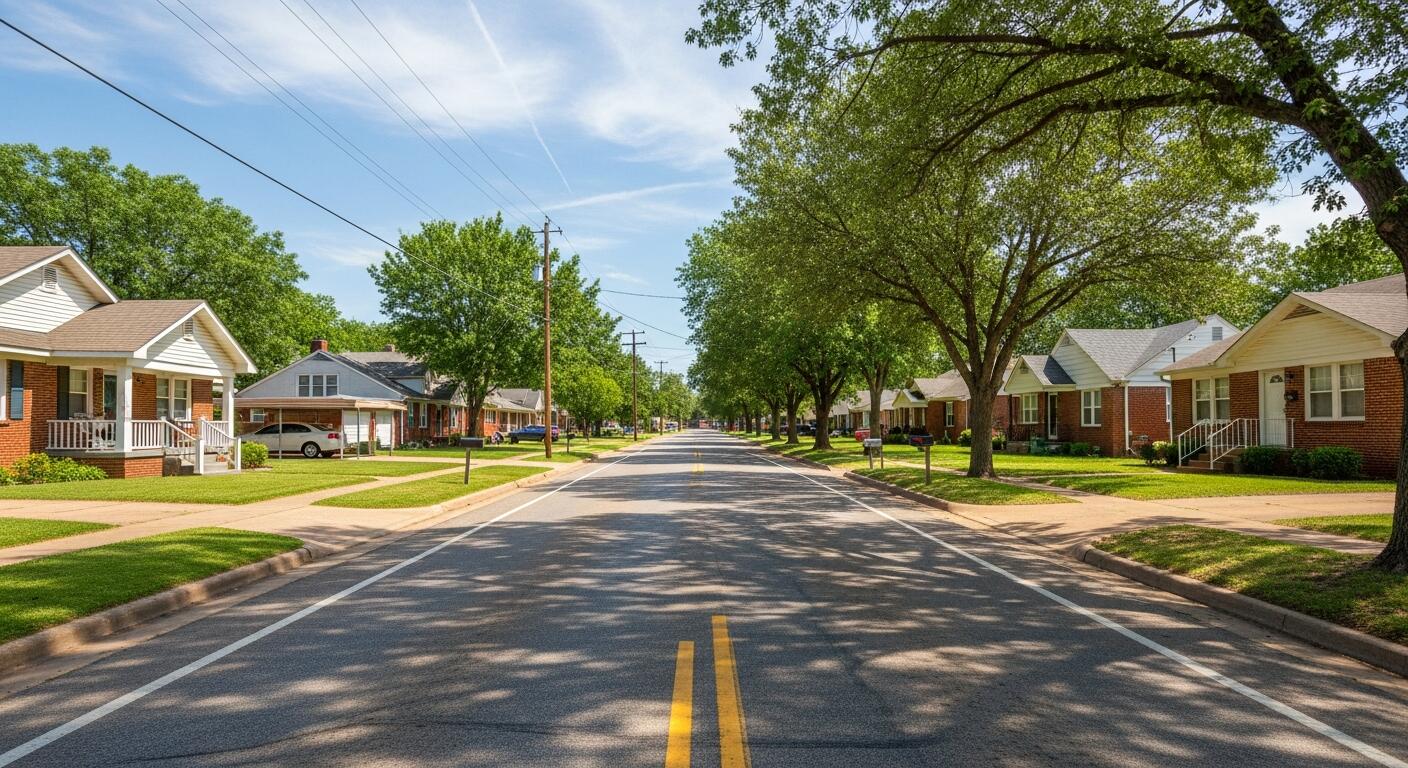
- Neighborhoods around Main Street, Cherokee Street, and Church Street - established residential blocks with mature trees and aging service lines
- Rural properties along Highway 51 and Highway 69 - acreage homes on septic systems and well water
- Fort Gibson Lake shoreline communities - cabins, second homes, and lake-adjacent properties with elevated flood exposure
- Surrounding towns - Coweta, Porter, Okay, Tullahassee, Redbird, and Wagoner County stretches toward Broken Arrow
- School and church corridors - larger commercial and institutional buildings requiring phased work to keep operations running
Coverage extends across neighboring Mayes, Cherokee, and Muskogee County lines when regional storm systems affect multiple communities at once.
Seasonal Damage Patterns in Wagoner
Damage types follow a fairly predictable annual rhythm in northeast Oklahoma.
- March through June - peak severe weather. Hail, tornadoes, and heavy rainfall drive roof-related water damage, flooded basements, and emergency tarping needs
- May and June - the wettest stretch of the year. River rises and saturated ground push water into crawlspaces and overwhelm septic laterals, producing sewage cleanup calls
- July and August - heat and humidity accelerate mold growth in any space that was wetted in spring and never fully dried. Attics and closed-up lake properties are frequent trouble spots
- September and October - remnant tropical moisture brings occasional heavy rain events; grass and brush fires become a risk during dry spells
- November and December - heating systems restart, raising the odds of furnace, fireplace, and chimney-related fire and smoke damage
- January and February - hard freezes burst supply lines in crawlspaces, garages, and vacant homes. Ice storms bring falling limbs and roof punctures
Late-winter thaws deserve their own note: pipes often fail on the warm-up rather than during the freeze, and damage may run unnoticed for hours in unoccupied buildings.
Housing Characteristics & Restoration Considerations
Wagoner's housing stock spans more than a century, and construction era largely determines how a building responds to water, smoke, and mold.
Common Construction Types
- Early to mid-century frame homes - lath and plaster walls, shiplap sheathing, and pier-and-beam foundations that hold moisture in crawlspaces
- 1960s-1980s ranch homes - slab-on-grade construction where water spreads laterally under flooring and wicks into drywall
- Newer subdivision builds - engineered lumber, fiberglass batt insulation, and tighter envelopes that trap humidity when drying is incomplete
- Manufactured and modular homes - common on county acreage, with belly board cavities that hold water for weeks after flooding
- Lake cabins and seasonal homes - intermittently occupied, so leaks and mold often go undiscovered
How This Shapes Restoration
- Plaster and older insulation may contain asbestos or lead paint, requiring testing before demolition in pre-1980 homes
- Crawlspaces need dedicated dehumidification and vapor barrier evaluation rather than surface drying alone
- Slab foundations call for flooring removal and specialized mat drying to pull moisture from beneath adhesives
- Full basements - less common but present in older Wagoner properties - demand sump management and foundation wall drying
- Ductwork in older homes carries smoke residue and mold spores throughout the structure and typically needs cleaning after fire or extended water events
- Manufactured home floor systems often require belly board removal to release trapped water
Environmental Conditions & Damage Implications
Climate and ground conditions around Wagoner work against buildings that have taken on water.
Regional Conditions
- Humid subtropical climate - summer humidity regularly exceeds levels where mold colonies establish within 24 to 48 hours of wetting
- Roughly 45 inches of annual rainfall - concentrated in spring and early fall, straining gutters, grading, and storm drainage
- Expansive clay soils - swell when wet and shrink in drought, opening foundation cracks that become water entry points
- Slow-draining subsoil - keeps hydrostatic pressure against foundation walls long after surface water recedes
- Proximity to Fort Gibson Lake, the Verdigris, Arkansas, and Grand Rivers - elevated groundwater tables and floodplain exposure across much of the county
- Rural well and septic systems - flooding can contaminate both, making Category 3 water precautions standard after storm intrusion
These conditions have practical consequences. Floodwater that reaches a Wagoner property is treated as contaminated because it may carry septic effluent, agricultural runoff, and fuel residue. Smoke damage behaves differently in high humidity as well - acidic soot bonds faster to metal, glass, and finished surfaces, so delayed cleaning after a fire often means permanent etching. Mold remediation here depends on controlling humidity, not simply removing visible growth, since ambient moisture will re-seed cleaned surfaces if dehumidification stops too early.
Storm Response and Advanced Drying Technology in Wagoner County
When a spring supercell moves across Wagoner County, damage arrives in layers - wind lifts shingles, hail opens the roof deck, and rain does the rest. Effective restoration means addressing the water and the structure together rather than in sequence.
The Storm Response Sequence
- Stabilize the envelope - emergency tarping and board-up stop ongoing water entry before drying begins
- Extract standing water - truck-mounted and portable extraction units clear bulk water from basements, crawlspaces, and living areas
- Map the moisture - thermal imaging cameras and penetrating meters trace water inside wall cavities, under flooring, and above ceilings
- Classify contamination - clean water, gray water, and sewage each require different containment, PPE, and disposal protocols
- Set the drying system - low-grain refrigerant dehumidifiers, air movers, and injection drying equipment establish controlled conditions
- Monitor and document - daily moisture readings and psychrometric logs verify progress and support insurance documentation
- Remediate and rebuild - antimicrobial application, mold containment where needed, and reconstruction of removed materials
Equipment That Changes Outcomes
- Desiccant dehumidifiers for large or cold spaces where refrigerant units lose efficiency
- Negative air machines with HEPA filtration to contain mold spores and soot particulate during demolition
- Hydroxyl and ozone generators for smoke odor at the molecular level rather than masking it
- Ultrasonic cleaning systems for restoring contents, hardware, and household items after fire
- Injectidry systems that dry wall cavities and hardwood assemblies without full tear-out
- Moisture sensors and remote monitoring that track drying conditions between site visits
For Wagoner property owners, this technology means less demolition, shorter displacement, and a clearer record of the work performed when the claim goes to an adjuster.





