Damage Restoration in Rogers County, OK
- Damage Restoration Services Overview
- Common Damage Restoration Issues in Rogers County, Oklahoma
- Neighborhoods We Serve in Rogers County
- Seasonal Damage Patterns in Rogers County
- Housing Characteristics & Restoration Considerations
- Environmental Conditions & Damage Implications
- Storm Season Response and Restoration Standards in Green Country
Damage Restoration Services Overview
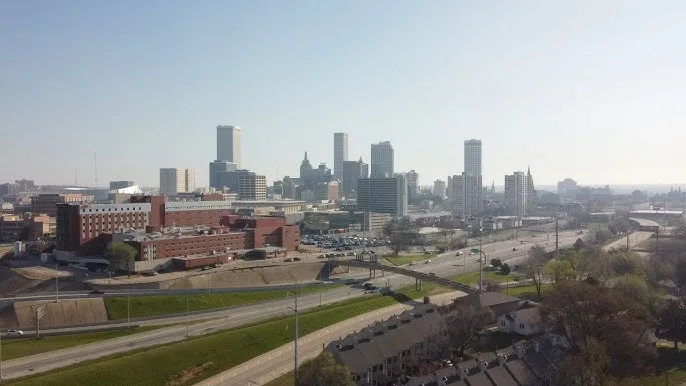
Rogers County sits where the Verdigris River bottomlands meet rolling Green Country hills, a geography that shapes nearly every restoration call in Claremore, Catoosa, Owasso and the surrounding communities. Clay-heavy soil sheds water rather than absorbing it, spring storm systems roll through with little warning, and older housing stock in the county seat adds plumbing and wiring concerns that newer construction avoids.
Property owners here rely on a full range of restoration disciplines, each addressing a different form of loss:
- Water Damage Restoration - extraction, structural drying and moisture mapping after burst supply lines, appliance failures, roof leaks and storm intrusion.
- Flooded Basement - pumping, sump system evaluation and drying of below-grade spaces, storm shelters and daylight basements.
- Sewage Cleanup - containment and decontamination of Category 3 water from main line backups, septic failures and lift station overflows.
- Fire Damage Restoration - debris removal, structural stabilization, soot cleaning and contents recovery.
- Smoke Damage Restoration - odor neutralization, HVAC decontamination and treatment of surfaces that fire never touched but smoke did.
- Mold Removal - containment, controlled removal of colonized materials and correction of the moisture source that fed the growth.
The benefit of coordinated service is simple: one team documents the loss, dries the structure, and prevents a water event from becoming a mold project weeks later.
Common Damage Restoration Issues in Rogers County, Oklahoma
The water damage risks Claremore homeowners face each spring tie directly to regional weather patterns and the county's position between the Verdigris and Caney drainage basins. Saturated ground, flash rainfall totals and aging infrastructure combine into predictable failure points.
Local Causes We See Most
- Heavy spring thunderstorm cells dumping several inches in an hour, overwhelming gutters, window wells and yard drains.
- Expansive clay soil that swells and shrinks, cracking foundation walls and slab penetrations.
- Municipal sewer surcharge during high-volume rain events, pushing wastewater back through floor drains and basement fixtures.
- Rural septic systems on lots near Oologah Lake and Inola that saturate and back up when drain fields flood.
- Hard freezes followed by rapid warm-ups, splitting supply lines in crawl spaces, attics and unheated garages.
- Lightning strikes and space heater use driving structure fires during storm season and winter.
- Grass and brush fires in rural sections spreading smoke into nearby homes.
Warning Signs Worth Acting On
- Musty odor in a closet, crawl space or finished basement that intensifies after rain.
- Bubbling paint, cupping hardwood, or baseboards separating from drywall.
- Gurgling floor drains or slow-draining tubs during storms - often the first sign of sewer backup pressure.
- Yellow-brown ceiling stains that reappear after being painted over.
- Lingering smoke smell that returns when the HVAC system runs, indicating soot residue in ductwork.
- Visible surface growth on subfloor edges, behind furniture or along north-facing exterior walls.
Neighborhoods We Serve in Rogers County
Coverage spans the entire county and reaches into neighboring communities where property owners face identical conditions.
- Claremore - historic downtown district, the neighborhoods surrounding Rogers State University, Country Club Estates and the Will Rogers Boulevard corridor.
- Catoosa - residential areas near the Port of Catoosa and along Highway 66.
- Owasso - the Rogers County side, including newer subdivisions east of 145th East Avenue.
- Verdigris - homes along the river bottom and adjacent acreage properties.
- Inola, Chelsea, Foyil, Talala and Oologah - small-town centers plus surrounding rural tracts.
- Justice, Sequoyah and unincorporated areas near Oologah Lake and Claremore Lake.
Lake-adjacent and river-bottom addresses receive particular attention during flood watches, while older Claremore homes often need plumbing-related water and mold work year-round.
Seasonal Damage Patterns in Rogers County
Each season brings a distinct mix of restoration work across the county.
- March through June - peak severe weather. Hail and wind damage roofing, driving rainwater into attics and wall cavities. Flooded basements spike, sewer backups follow heavy rain, and lightning-related structure fires occur.
- July and August - humidity does the damage. Air conditioning condensate line clogs flood hallways and closets, while mold growth accelerates in crawl spaces and any space left damp after spring storms.
- September through November - a quieter stretch used for moisture inspections, sump pump testing and mold remediation on problems discovered over summer. Early heating system use reveals smoke and soot issues.
- December through February - freeze-related pipe bursts dominate. Ice storms bring extended power outages, meaning unheated homes and frozen lines. Fireplace, wood stove and space heater fires increase, generating heavy smoke damage throughout the structure.
Late February thaws deserve extra attention - frozen lines often split without leaking until temperatures rise and pressure returns.
Housing Characteristics & Restoration Considerations
Rogers County housing spans more than a century of construction, and building era largely determines how a loss unfolds.
Pre-1960 Homes in Claremore, Chelsea and Foyil
- Plaster over wood lath holds moisture longer than drywall and requires extended drying with careful monitoring.
- Galvanized supply lines and cast iron drains corrode, producing slow leaks behind walls and under cabinets.
- Original hardwood over plank subfloor traps water between layers, often needing controlled floor drying systems.
- Asbestos-containing floor tile, mastic and pipe wrap may require testing before demolition after fire or water loss.
- Older knob-and-tube or early wiring raises fire risk and complicates post-fire electrical assessment.
Mid-Century and Ranch Construction
- Vented crawl spaces that pull humid summer air across cool framing - a leading source of mold complaints.
- Original ductwork under floors that fills with water during a loss and spreads odor after a fire.
- Minimal insulation in exterior walls, allowing condensation and hidden growth.
Newer Subdivisions in Owasso, Verdigris and Catoosa
- Slab-on-grade with post-tension cable requires non-invasive drying methods and careful moisture mapping.
- Engineered wood flooring and MDF trim delaminate quickly and often cannot be dried in place.
- Tight building envelopes hold smoke odor and humidity, making air scrubbing and dehumidification essential.
- Second-floor laundry and upstairs water heaters create multi-level losses from a single failure.
Storm shelters and below-grade basements - less common statewide but present throughout the county - need dedicated pumping and drying since they collect groundwater with nowhere to drain.
Environmental Conditions & Damage Implications
Green Country's climate is humid subtropical, and the numbers matter to anyone drying a structure.
Climate and Moisture
- Annual rainfall in the low-to-mid 40-inch range, concentrated heavily in spring - saturated soil means water pushes toward foundations rather than away.
- Summer dew points frequently in the 70s, so opening windows to dry a home actually adds moisture. Sealed containment with commercial dehumidification is the correct approach.
- Freeze-thaw cycling several times each winter, stressing plumbing and masonry.
Soil and Drainage
- Clay-rich soils typical of the Verdigris watershed drain slowly and expand when wet, stressing footings and basement walls.
- Shallow bedrock in the county's eastern hills limits absorption, sending runoff across the surface toward low-lying structures.
- Flat river bottomland near Verdigris and Catoosa holds standing water long after the rain stops.
Air and Water Quality Factors
- High seasonal pollen and mold spore counts mean any indoor colony has abundant material to feed on once moisture is present.
- Well water and septic service in rural sections raise contamination concerns during sewage cleanup, requiring full Category 3 protocols and antimicrobial treatment.
- Mineral-heavy water contributes to fixture and water heater failures that produce sudden interior flooding.
- Smoke from regional grass fires and agricultural burning can infiltrate homes, leaving residue in filters and soft goods.
Together these conditions shorten the window between a water event and active mold growth - commonly cited as 24 to 48 hours, and often on the shorter end during a humid Oklahoma summer.
Storm Season Response and Restoration Standards in Green Country
Restoration specialists working Rogers County build their approach around Oklahoma-specific damage patterns - the same storm systems that hit the Tulsa metro sweep northeast into Claremore, Catoosa and Chelsea within the hour. Experience with river-valley flooding, tornado-track debris and ice storm losses shapes how crews stage equipment before a front arrives.
What a Standards-Based Response Looks Like
- Emergency assessment - moisture meters, thermal imaging and hygrometer readings establish the true extent of migration, including water that traveled inside wall cavities.
- Water classification - clean, gray or black water determines protective equipment, containment and which materials can be salvaged. Sewage always triggers full containment.
- Extraction and debris removal - standing water pumped out, unsalvageable porous materials removed and documented.
- Structural drying - air movers and low-grain refrigerant dehumidifiers sized to the affected cubic footage, with daily readings logged until materials reach dry standard.
- Cleaning and decontamination - antimicrobial application after contaminated water, soot removal by residue type after fire, HVAC and duct cleaning for smoke odor.
- Odor and air quality control - HEPA filtration, air scrubbing and thermal or hydroxyl treatment for smoke.
- Reconstruction - drywall, flooring, trim and paint returning the space to pre-loss condition.
Why Local Knowledge Changes Outcomes
- Crews familiar with county road access can reach rural Talala and Oologah properties when highways are congested after a storm.
- Documentation practices match what Oklahoma insurance adjusters expect - photo logs, moisture readings and material inventories.
- Repairs account for future weather: improved grading, upgraded sump discharge, sealed crawl space vapor barriers and moisture-resistant materials in flood-prone areas.
- Established relationships with Claremore-area plumbers, electricians and roofers keep a project moving instead of stalling between trades.
The goal extends past drying a floor - it is restoring a property so the next spring storm does not repeat the same loss.