
Damage Restoration in Catoosa, OK
- Damage Restoration Services Overview
- Common Damage Restoration Issues in Catoosa, Oklahoma
- Neighborhoods We Serve in Catoosa
- Seasonal Damage Patterns in Catoosa
- Housing Characteristics & Restoration Considerations
- Environmental Conditions & Damage Implications
- What to Expect During a Catoosa Restoration Project
Damage Restoration Services Overview
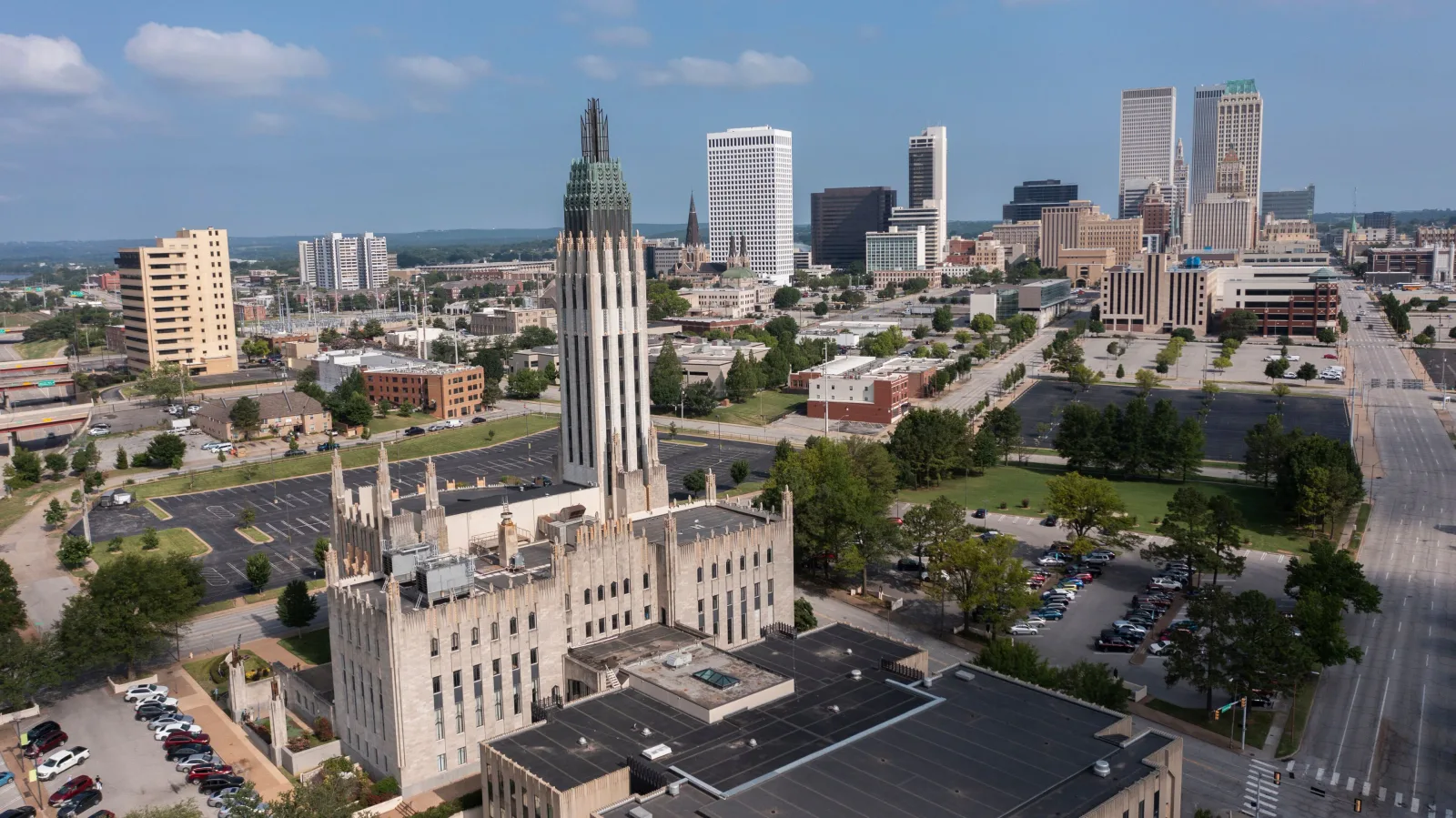
Catoosa sits where the Verdigris River, the Port of Catoosa industrial corridor, and Rogers County's rolling terrain meet - a combination that puts local homes and businesses in the path of flash flooding, saturated soils, and severe storm activity several times a year. Properties here face pressures that inland suburbs simply do not, from river-influenced groundwater to aging service lines that back up during heavy rain.
Restoration work in this community covers a connected group of services, and most losses touch more than one:
- Water Damage Restoration - extraction, structural drying, and moisture mapping after pipe breaks, roof leaks, and appliance failures
- Flooded Basement recovery - pumping standing water, drying foundation walls, and addressing hydrostatic pressure issues
- Sewage Cleanup - containment, removal of contaminated materials, and antimicrobial treatment of Category 3 water
- Fire Damage Restoration - debris removal, structural stabilization, and content recovery
- Smoke Damage Restoration - soot removal from surfaces, HVAC decontamination, and odor neutralization
- Mold Removal - containment barriers, HEPA filtration, and removal of colonized building materials
The benefit for Catoosa residents is straightforward: fast stabilization limits how far damage spreads, protects indoor air quality, and preserves materials that would otherwise need full replacement.
Common Damage Restoration Issues in Catoosa, Oklahoma
Most restoration calls in Catoosa trace back to three local realities - intense spring storm systems, expansive clay soils, and a housing stock that mixes older frame construction with newer slab-on-grade builds.
Frequent Causes of Loss
- Flash flooding along Verdigris River tributaries and low-lying drainage areas after heavy rainfall
- Burst or split supply lines during January and February hard freezes
- Foundation cracks from clay soil shrink-swell cycles allowing groundwater into basements and crawl spaces
- Municipal and private sewer line backups when storm volume overwhelms capacity
- Lightning strikes and electrical faults during severe thunderstorm season
- Kitchen grease fires and space heater incidents during colder months
- Water heater, washing machine, and refrigerator supply line failures
Warning Signs Worth Acting On
- Musty or earthy odors in crawl spaces, closets, or near baseboards
- Discolored rings on ceilings or bubbling paint on drywall
- Cupping or crowning hardwood floors and soft spots in subflooring
- Sewer gas odors or slow drains in multiple fixtures at once
- Persistent smoke odor that returns during humid weather after a small fire
- Visible surface growth on grout, ductwork registers, or window frames
- Unexplained increases in water bills, which often signal a slab leak
Small problems in Catoosa rarely stay small. High summer humidity accelerates microbial growth, meaning a minor leak in June can become a mold remediation project within days rather than weeks.
Neighborhoods We Serve in Catoosa
Restoration crews respond throughout Catoosa and the surrounding Rogers County and Wagoner County areas, covering both established residential streets and newer subdivisions.
- Downtown Catoosa and the historic core near Cherokee Street
- Neighborhoods along Highway 66 and the Route 66 corridor
- Residential areas surrounding the Port of Catoosa and Tulsa Port industrial district
- Communities near Catoosa Public Schools and the Highway 167 corridor
- Properties bordering the Verdigris River bottomlands
- Rural acreage and manufactured home sites in unincorporated Rogers County
Service also extends to nearby communities including Verdigris, Claremore, Owasso, Broken Arrow, Inola, Fair Oaks, Tiawah, and east Tulsa. Because storm systems often hit multiple communities at once, local crews stage equipment regionally so that dispatch to Catoosa addresses does not depend on resources traveling long distances.
Seasonal Damage Patterns in Catoosa
Each season in northeastern Oklahoma brings a different dominant loss type, and knowing the pattern helps property owners prepare before the calls spike.
- December through February - Frozen and burst pipes drive the highest volume of emergency water damage calls. Heating equipment, fireplaces, and space heaters increase fire and smoke damage incidents.
- March through May - Peak severe weather. Heavy rainfall, hail, and tornado activity produce roof breaches, flooded basements, and sewage backups when drainage systems overload.
- June through August - Humidity above 70 percent combined with air conditioning condensation makes this the busiest window for mold removal. Storm-related power surges also cause electrical fires.
- September through November - Remnant tropical moisture and fall storm systems bring renewed flooding. Chimney and furnace startups after months of disuse trigger smoke damage events.
Year-round, appliance failures and plumbing leaks stay steady regardless of weather. Post-fire work often extends across seasons, since smoke odor remediation and reconstruction continue well after the initial emergency response.
Housing Characteristics & Restoration Considerations
Catoosa's housing mix spans mid-century frame homes near the older town center to subdivisions built in the past two decades, and each construction era responds differently to water, fire, and microbial damage.
Older Homes (pre-1980)
- Plaster or early gypsum walls that hold moisture longer and complicate drying
- Galvanized or polybutylene supply lines prone to pinhole leaks and sudden failure
- Cast iron sewer lines with corrosion and root intrusion, raising sewage backup risk
- Crawl spaces with limited vapor barriers, creating persistent mold conditions
- Knob-and-tube or ungrounded wiring that increases electrical fire exposure
- Potential asbestos-containing materials requiring testing before demolition
Newer Construction (post-2000)
- Slab-on-grade foundations where leaks travel under flooring before becoming visible
- Tight building envelopes that trap moisture and concentrate smoke odor
- Engineered wood products and OSB subfloors that delaminate quickly when saturated
- Complex HVAC runs that distribute soot and spores throughout the home
- Open floor plans allowing water and smoke to spread across large areas rapidly
Many Catoosa properties include detached shops, barns, and outbuildings serving the area's rural and industrial character. These structures often lack conditioned air, so water intrusion there tends to be discovered late and requires more aggressive drying and antimicrobial treatment. Manufactured homes present their own challenges, with belly wrap insulation that holds water against the floor system long after visible surfaces appear dry.
Environmental Conditions & Damage Implications
Northeastern Oklahoma's humid subtropical climate is the single largest factor shaping restoration outcomes in Catoosa - it accelerates every biological process that damages buildings.
Climate Factors
- Annual rainfall in the low-to-mid 40-inch range, concentrated in spring and fall
- Summer dew points that routinely keep indoor humidity elevated without mechanical dehumidification
- Freeze-thaw cycling in winter that stresses plumbing and masonry
- High wind and hail events that compromise roofing and siding envelopes
Soil and Water Conditions
- Expansive clay soils common to Rogers County that swell when wet and pull away from foundations when dry
- Poor percolation rates, meaning surface water pools near foundations rather than draining away
- Elevated water tables in Verdigris River floodplain areas that push moisture through slab and basement walls
- Hard water with mineral content that stresses appliances and supply connections
Air Quality Implications
Proximity to the Port of Catoosa and Highway 412 traffic means baseline particulate levels are already a consideration for indoor environments. After a fire, soot particles combine with existing dust load, making HEPA filtration and duct cleaning more involved. Mold spore counts climb sharply during humid stretches, so containment during remediation matters as much as removal itself. Drying plans in Catoosa typically require heavier dehumidification capacity than equivalent losses in drier climates, and moisture readings should be verified over multiple days rather than assumed complete after initial extraction.
What to Expect During a Catoosa Restoration Project
Clear communication separates a manageable restoration from a stressful one. Reputable providers serving Catoosa - including nationally recognized names and locally owned franchises whose owners hold industry certifications - follow a documented process that property owners can track from first call to final walkthrough.
The Typical Sequence
- Emergency contact and dispatch - A technician gathers details about the source, affected areas, and safety concerns before crews arrive.
- Inspection and damage assessment - Moisture meters, thermal imaging, and air sampling establish the actual scope, including hidden damage behind walls and under flooring.
- Source control and water extraction - Standing water is removed and the source is stopped or isolated before drying begins.
- Containment for contaminated losses - Sewage cleanup and mold removal require negative air pressure and physical barriers to protect unaffected areas.
- Drying and dehumidification - Air movers and dehumidifiers run with daily moisture readings logged until materials reach documented dry standards.
- Cleaning, sanitizing, and odor treatment - Soot removal, antimicrobial application, HVAC decontamination, and thermal fogging or hydroxyl treatment for smoke odor.
- Restoration and reconstruction - Drywall, flooring, trim, and painting return the property to pre-loss condition.
Questions Worth Asking Any Provider
- Which certifications do the on-site technicians hold, and who supervises the job?
- How will daily moisture readings and photo documentation be shared?
- What materials are being removed versus dried in place, and why?
- How will the company coordinate directly with the insurance adjuster?
- Who is the single point of contact for questions during the project?
Documentation matters especially in Catoosa, where storm-related claims often involve multiple causes - wind, water intrusion, and subsequent mold growth. Detailed records of readings, materials removed, and equipment placement give homeowners a defensible file and reduce disputes over what the loss actually required.





