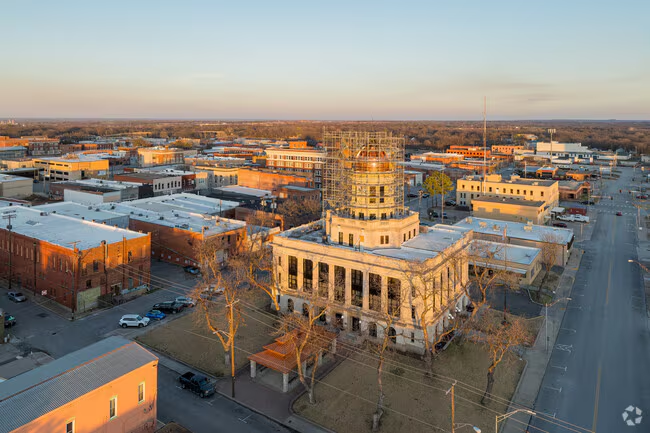
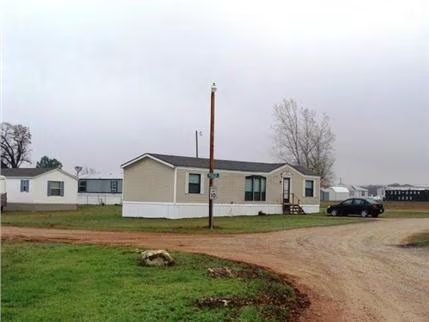
Damage Restoration in Carter County, OK
- Damage Restoration Services Overview
- Common Damage Restoration Issues in Carter County, Oklahoma
- Neighborhoods We Serve in Carter County
- Seasonal Damage Patterns in Carter County
- Housing Characteristics & Restoration Considerations
- Environmental Conditions & Damage Implications
- Flood Zone Documentation and the Substantial Damage Rule in Carter County
Damage Restoration Services Overview
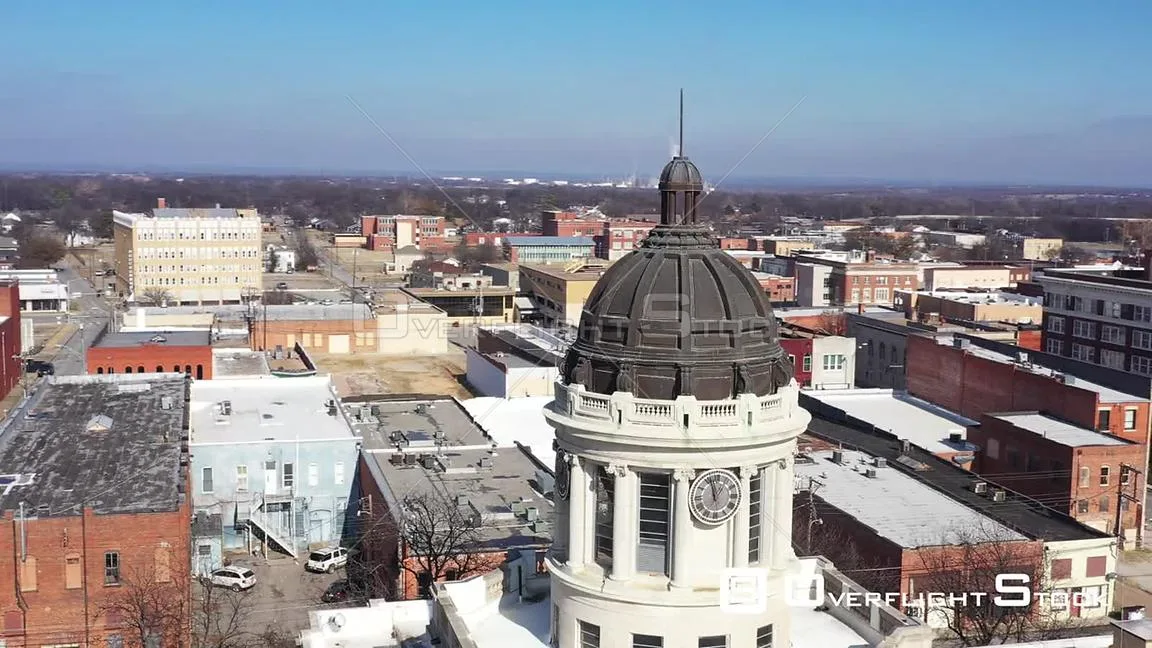
When water spreads across a floor or smoke settles into drywall, the clock starts running. Professional restoration in Carter County gives property owners a clear path forward - stabilize the structure, remove what cannot be saved, and rebuild what can.
Restoration is not simply cleanup. It combines moisture science, air quality control, structural drying, and careful documentation for insurance purposes.
- Water Damage Restoration - extraction, structural drying, moisture mapping behind walls and under flooring
- Flooded Basement - pump-out, sanitation, dehumidification, and evaluation of foundation entry points
- Sewage Cleanup - removal of Category 3 contaminated material, antimicrobial treatment, and safe disposal
- Fire Damage Restoration - debris removal, soot and char cleaning, structural stabilization, and contents handling
- Smoke Damage Restoration - odor neutralization, HVAC decontamination, and treatment of porous surfaces
- Mold Removal - containment barriers, HEPA filtration, affected material removal, and humidity correction
Benefits for Carter County homeowners and business owners include reduced secondary damage, fewer long-term odor and air quality problems, and documentation that supports claims. Fast, methodical response also protects the value of the structure - a meaningful concern in a county where floodplain rules tie repair decisions to a property's market value before the loss.
Common Damage Restoration Issues in Carter County, Oklahoma
Carter County sits in a corridor where Gulf moisture collides with dry air pushing in from the west. That "Dry Line" pattern produces hail, high wind, and sudden heavy rainfall that overwhelms roofs, gutters, and drainage.
Frequent Causes of Damage
- Hail and wind-driven rain opening roof penetrations that leak into attics and ceilings
- Flash flooding along creeks, low crossings, and properties near Zone A and Zone AE mapped areas
- Basement and crawl space intrusion where clay soil holds water against foundation walls
- Sewer backups when saturated ground and overloaded lines push wastewater into floor drains
- Electrical fires and kitchen fires, plus lightning strikes during spring storm cycles
- Smoke migration through ductwork and shared wall cavities in older frame homes
- Hidden mold growth after undetected slow leaks under sinks, water heaters, and tubs
Warning Signs to Watch
- Cupping or buckling in wood and laminate flooring
- Brown or rust-colored ceiling rings that grow after each rain
- Musty odor in closets, crawl spaces, or near HVAC returns
- Peeling baseboard paint and soft, spongy drywall near the floor line
- Gurgling drains or slow toilets that signal a main line problem
- Sooty film on window glass, light fixtures, and vent covers after a small fire
- Recurring respiratory irritation that eases when occupants leave the building
Any of these signs deserves a moisture reading and a look inside wall cavities before repairs begin. Cosmetic patching over wet framing simply delays a larger mold problem.
Neighborhoods We Serve in Carter County
Coverage spans the county seat and the smaller communities and rural stretches around it.
- Ardmore - downtown commercial blocks, historic districts, and newer subdivisions on the outskirts
- Healdton and Wilson - older oil-patch era housing stock and mixed residential
- Lone Grove - fast-growing residential corridors west of Ardmore
- Springer, Gene Autry, and Tatums - rural properties, manufactured homes, and acreage sites
- Dickson, Fox, and Graham - school-district neighborhoods and county road properties
- Ratliff City and Countyline - western Carter County farm and ranch structures
Surrounding regions along the I-35 corridor, including nearby Love, Johnston, Murray, Garvin, and Stephens county lines, fall within reach as well. Rural addresses often need extra planning for equipment staging, well water considerations, and septic system evaluation after a sewage event.
Seasonal Damage Patterns in Carter County
Spring (March - May)
- Peak severe weather - hail, tornado, and straight-line wind damage
- Flash flooding and flooded basement calls after heavy rainfall bands
- Roof leaks feeding water damage into attics and upper ceilings
Summer (June - August)
- High humidity paired with intense heat drives mold growth in shaded crawl spaces
- Air conditioner condensate line clogs cause slow, hidden ceiling and closet leaks
- Grass and equipment fires during dry stretches, producing smoke damage in nearby structures
Fall (September - November)
- A second storm season brings renewed flooding and wind damage
- Leaf-clogged gutters redirect water toward foundations
- Heating systems fire up after months idle, raising the risk of furnace and flue-related fires
Winter (December - February)
- Ice storms and hard freezes burst supply lines in unheated walls, attics, and outbuildings
- Space heater and fireplace fires increase during cold snaps
- Sewage backups follow freeze-thaw shifting in older clay laterals
- Closed-up homes trap smoke odor and moisture, worsening indoor air quality
Housing Characteristics & Restoration Considerations
Carter County housing spans more than a century of building practices. Ardmore holds a strong stock of early and mid-twentieth century homes, while Lone Grove, Dickson, and the county edges add newer slab construction and manufactured homes.
Common Construction Types
- Pre-1960 frame homes - pier-and-beam foundations, wood lath and plaster, minimal wall insulation
- 1970s - 1990s slab homes - brick veneer, wall-to-wall carpet over concrete, ducts in attics
- Manufactured homes - subject to county elevation requirements in Zone A and AE areas, with skirting that traps moisture
- Newer builds - tighter envelopes that hold humidity when ventilation fails
How Age Shapes Restoration Work
- Older homes may contain asbestos-bearing materials and lead paint, requiring careful testing before demolition
- Plaster holds water far longer than drywall and needs extended drying with targeted airflow
- Pier-and-beam crawl spaces collect standing water and become mold reservoirs feeding the living space above
- Slab foundations wick moisture upward, so carpet pad and tack strip usually cannot be salvaged
- Cast iron and clay sewer laterals in mature neighborhoods fail more often, raising sewage cleanup frequency
- Balloon-framed walls let smoke and soot travel between floors, demanding cavity cleaning rather than surface wiping
County floodplain rules also matter. When repair costs approach half the structure's pre-damage market value, the substantial improvement requirement can change how rebuilding must proceed - so accurate scoping and documentation from the start protects the owner.
Environmental Conditions & Damage Implications
Southern Oklahoma's climate blends humid subtropical summers with cold snaps that arrive fast. Those swings shape nearly every restoration decision.
Climate and Moisture
- Summer dew points regularly sit high enough to stall drying without commercial dehumidification
- Annual rainfall arrives in concentrated bursts rather than steady amounts, overwhelming drainage
- Rapid temperature drops cause condensation inside wall cavities and on ductwork
Soil and Drainage
- Expansive clay soils swell when wet and shrink when dry, cracking foundations and slabs
- Those cracks become entry points for groundwater and, in some cases, soil gases
- Poor percolation keeps water sitting against foundation walls long after rain stops
- Rural septic systems saturate during wet periods, increasing backup risk
Air and Water Quality Factors
- Windblown dust and pollen load HVAC systems, giving mold spores extra organic material to feed on
- Hard water leaves scale that shortens the life of supply lines and water heaters
- Wildfire and pasture burn smoke can enter homes through leaky envelopes, adding odor concerns
- Well-served properties need separate sanitation checks after any sewage or flood event
Because of these conditions, drying goals in Carter County are set against local humidity readings rather than generic targets. Air scrubbers with HEPA filtration and post-remediation moisture verification help confirm the environment has genuinely returned to normal.
Flood Zone Documentation and the Substantial Damage Rule in Carter County
Property owners in mapped Zone A and Zone AE areas face an added layer after a loss. Carter County evaluates whether a structure has been substantially damaged - damage from any origin where restoring the building to its pre-loss condition would equal or exceed 50 percent of its market value before the event.
That determination affects manufactured homes and non-residential buildings alike, and it can require elevation or other compliance work during rebuilding.
Why Detailed Documentation Matters
- Scope accuracy separates true structural loss from salvageable material
- Moisture maps and photo logs show exactly which assemblies were affected and why
- Itemized records support both insurance adjusters and county floodplain review
- Clear records help owners understand appeal options through the county floodplain board
A Methodical Response Sequence
- Safety assessment - electrical hazards, structural integrity, and contamination category
- Water or debris removal - extraction, pump-out, or fire debris haul-off
- Controlled demolition - removal of unsalvageable drywall, insulation, flooring, and cabinetry
- Sanitation - antimicrobial application, especially after sewage exposure
- Structural drying - air movers and dehumidifiers monitored with daily readings
- Odor and soot treatment - HVAC cleaning, sealing, and porous material handling for smoke work
- Verification - moisture and, where warranted, post-remediation mold testing
- Rebuild planning - coordinated with any applicable elevation or code requirements
Attention to detail at every step protects more than the building. It protects the paperwork trail that Carter County owners rely on when floodplain rules, insurance review, and long-term property value all come into play at the same moment.