
Damage Restoration in Coweta, OK
- Damage Restoration Services Overview
- Common Damage Restoration Issues in Coweta, Oklahoma
- Neighborhoods We Serve in Coweta
- Seasonal Damage Patterns in Coweta
- Housing Characteristics & Restoration Considerations
- Environmental Conditions & Damage Implications
- IICRC Standards and the Coweta Restoration Process
Damage Restoration Services Overview
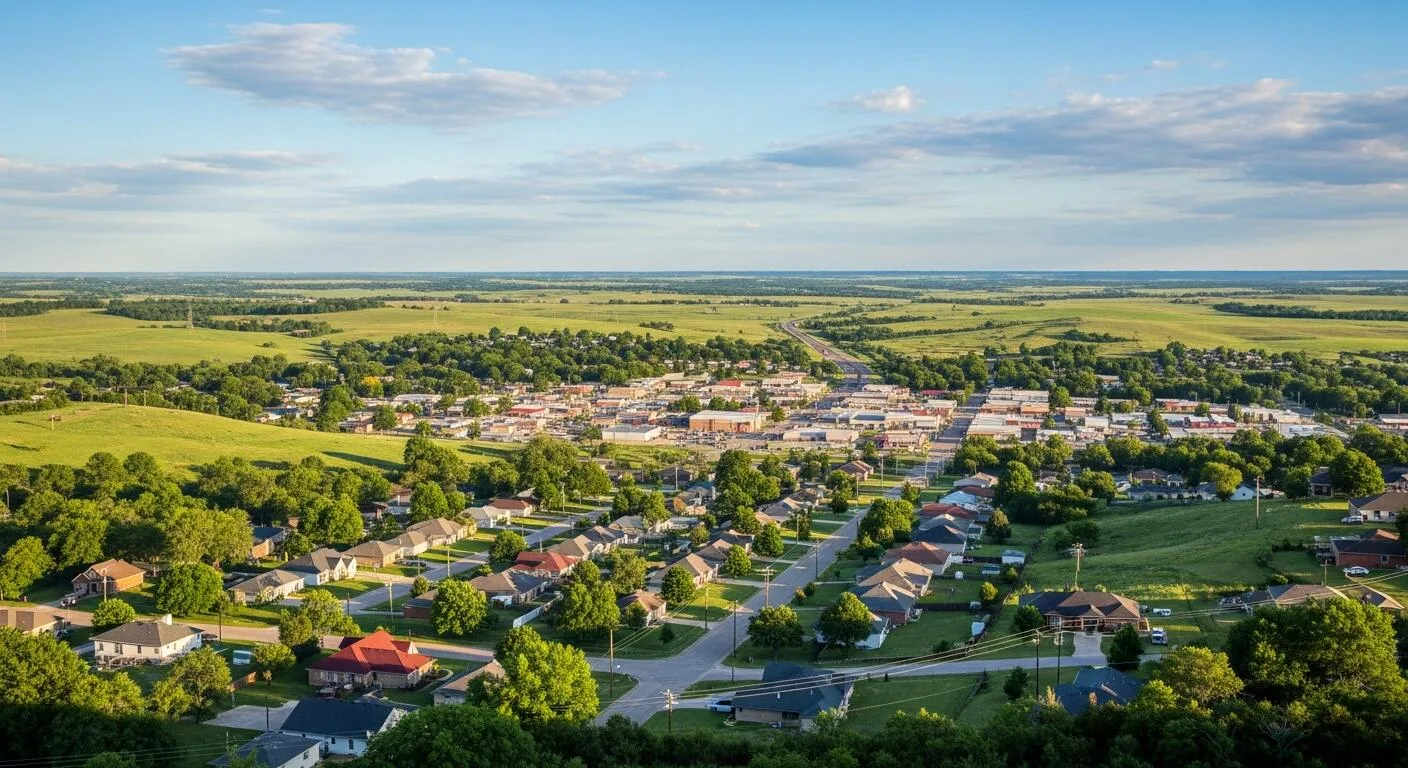
When water pours through a ceiling at midnight or smoke settles into every room after a kitchen fire, the fastest path back to normal starts with trained restoration professionals who answer the phone. Coweta homeowners and business owners have access to 24 hour emergency response for the full spectrum of property damage - from a saturated crawl space to a whole-structure fire loss.
Restoration is a coordinated process, not a single task. Extraction, drying, cleaning, deodorization and reconstruction each follow standards set by the Institute of Inspection Cleaning and Restoration Certification (IICRC).
- Water Damage Restoration - emergency extraction, structural drying and moisture mapping after pipe breaks, appliance failures and roof leaks
- Flooded Basement - pump-out, sump system evaluation, drying of below-grade walls, framing and stored belongings
- Sewage Cleanup - containment and disinfection of Category 3 contaminated water from backups and septic failures
- Fire Damage Restoration - board-up, debris removal, soot cleaning, content pack-out and rebuild coordination
- Smoke Damage Restoration - odor neutralization, HVAC cleaning and treatment of surfaces smoke reached but flames never touched
- Mold Removal - from spot treatment to full abatement with containment, HEPA filtration and moisture-source correction
The benefit for Coweta residents is simple: damage stops spreading, salvageable materials stay salvageable, and documentation supports the insurance claim.
Common Damage Restoration Issues in Coweta, Oklahoma
Coweta sits in Wagoner County between the Arkansas and Verdigris river corridors, an area shaped by heavy spring rain, flash flooding and severe storms. Those conditions drive most of the local restoration calls.
Frequent Local Causes of Damage
- Spring thunderstorms and straight-line winds that lift shingles and open the roof to water intrusion
- Flash flooding and saturated soils that push groundwater into basements, storm shelters and crawl spaces
- Municipal line surcharges and rural septic backups during extended rain, creating sewage cleanup emergencies
- Frozen and burst supply lines during January cold snaps, especially in unheated garages and attics
- Kitchen grease fires, space heaters and chimney issues that produce heavy soot and smoke damage
- Aging water heaters, washing machine hoses and supply-line connectors that fail without warning
- Persistent humidity that turns a small unnoticed leak into a mold colony within days
Warning Signs Worth Acting On
- Musty odor in a closet, laundry room or along a basement wall
- Cupping or darkening hardwood, bubbling paint, or drywall that feels soft at the baseboard
- Rust or mineral staining around water heater bases and floor drains
- Gurgling drains or slow toilets that signal a developing sewer backup
- Lingering smoke smell that returns when the HVAC system runs or on humid days
- Condensation on windows and ductwork, a sign indoor moisture is running high
Early intervention keeps a Category 1 water loss from becoming a Category 3 sewage cleanup or a mold remediation project.
Neighborhoods We Serve in Coweta
Response covers Coweta proper and the surrounding communities along the OK-51 corridor, with crews dispatched from a local base at 33170 OK-51.
- Central Coweta - older homes near Broadway and the downtown district, including properties around the Coweta Public Schools campuses
- North and West Coweta - newer subdivisions along the Highway 51 and 51st Street corridors toward Broken Arrow
- Rural Wagoner County - acreage properties on well and septic systems south and east of town
- Riverside and creek-adjacent areas - homes near low-lying drainage that see repeat flooding pressure
- Surrounding towns - Wagoner, Porter, Haskell, Inola, Muskogee, Broken Arrow and the greater Tulsa area
Serving this territory from inside the community means shorter drive times when minutes matter - and familiarity with local building stock, drainage patterns and permitting expectations.
Seasonal Damage Patterns in Coweta
Damage types rotate predictably through the Oklahoma calendar. Knowing the pattern helps property owners prepare before the season arrives.
- December - February: Frozen and burst pipes lead the calls. Fire and smoke damage rise with fireplaces, wood stoves and portable heaters running around the clock.
- March - May: Peak severe weather. Wind-driven rain, hail and flash flooding produce roof leaks, flooded basements and storm-related water damage restoration work.
- June - August: Heat plus humidity accelerates mold growth in attics, crawl spaces and behind vinyl wallpaper. Air conditioning condensate line clogs cause quiet, slow ceiling leaks.
- September - October: Remnant tropical moisture and heavy rain events strain sewer and septic systems, driving sewage cleanup calls.
- November: Heating systems fire up after months idle, releasing dust odors and occasionally causing puff-back soot in oil and gas appliances.
Year-round constants include appliance failures, supply-line ruptures and undetected plumbing leaks - none of which follow a season at all.
Housing Characteristics & Restoration Considerations
Coweta's housing stock mixes mid-century wood-frame homes near the town center with a large volume of construction built during the growth waves of the 1990s through today, plus manufactured homes and rural acreage builds.
How Local Construction Affects Restoration
- Slab-on-grade foundations - common across newer subdivisions; water spreads laterally under flooring and wicks up drywall, requiring flood cuts and specialized drying mats
- Crawl space homes - older properties trap moisture beneath the floor system, a leading source of mold and musty odor upstairs
- Basements and storm cellars - less common but highly vulnerable when present, with hydrostatic pressure pushing water through wall joints and floor cracks
- Mid-century materials - homes built before the late 1970s may contain asbestos-bearing floor tile, mastic or textured ceilings that require testing before demolition
- Post-1990 engineered materials - OSB sheathing, engineered joists and MDF trim absorb water quickly and lose structural integrity faster than dimensional lumber
- Manufactured housing - tight cavities, belly wrap and limited ventilation complicate drying and often demand targeted removal instead of in-place drying
Systems That Influence Outcomes
- Attic-mounted HVAC units and condensate pans that leak into ceilings undetected
- Polybutylene and early PEX fittings in some 1980s-90s builds
- Septic systems on rural parcels that back up when drain fields saturate
- Finished garages and bonus rooms with limited insulation, prone to freeze events
Each variable changes the drying plan, the containment strategy and the scope of any rebuild that follows.
Environmental Conditions & Damage Implications
Northeastern Oklahoma's humid subtropical climate creates conditions that favor microbial growth and complicate structural drying. Summer dew points routinely climb high enough that opening windows during a water loss makes drying worse, not better.
Climate and Moisture
- Annual rainfall well above the national average, concentrated in spring and fall
- Extended humid stretches from May through September that keep indoor moisture elevated
- Rapid freeze-thaw swings in winter that stress plumbing and foundation joints
- Severe storm exposure including wind, hail and tornado risk across Wagoner County
Soil and Water Conditions
- Clay-heavy soils that expand when saturated and shrink in drought, cracking slabs and basement walls
- Poor natural drainage in low-lying and creek-adjacent lots, holding water against foundations
- High seasonal water tables near the Arkansas and Verdigris river systems
- Well and septic reliance on rural parcels, raising contamination risk during floods
- Hard water with mineral content that scales fixtures and shortens water heater life
Air Quality Implications
- Heavy seasonal pollen and dust that load HVAC systems and worsen post-fire odor circulation
- Agricultural burning and regional smoke events that mimic or compound smoke damage complaints
- Tight modern building envelopes that hold soot particulate and mold spores indoors without proper filtration
These conditions make moisture verification, HEPA filtration and controlled dehumidification non-negotiable parts of any local restoration plan.
IICRC Standards and the Coweta Restoration Process
Certification matters because restoration decisions are technical. Membership in the Institute of Inspection Cleaning and Restoration Certification means crews follow published standards - S500 for water damage, S520 for mold remediation, S700 for fire and smoke - rather than guessing at scope.
How a Local Response Unfolds
- Emergency contact and dispatch - 24 hour intake, with crews staged locally in Coweta for fast arrival across Wagoner County.
- Inspection and damage assessment - moisture meters, thermal imaging and category/class determination establish whether the loss is clean water, gray water or contaminated sewage.
- Containment and safety - negative air machines, poly barriers and PPE isolate the affected zone, protecting unaffected rooms from cross-contamination.
- Extraction and debris removal - truck-mounted extraction for standing water, pump-out for flooded basements, and controlled demolition of unsalvageable materials.
- Cleaning and disinfection - antimicrobial application for sewage cleanup, dry-sponge and solvent methods for soot, and content cleaning or pack-out after fire losses.
- Structural drying - air movers and LGR dehumidifiers with daily moisture readings logged until materials reach documented dry standard.
- Deodorization - thermal fogging, hydroxyl or ozone treatment and full HVAC cleaning to remove embedded smoke odor.
- Reconstruction - drywall, flooring, trim, paint and cabinetry to return the property to pre-loss condition.
What Sets Local Response Apart
- Documentation formatted for insurance adjusters, including photos, moisture logs and scope detail
- Familiarity with Coweta drainage, soil behavior and common construction defects
- Clearance verification after mold removal rather than a visual check alone
- Coordination with plumbers, electricians and roofers so the source of loss is corrected, not just the symptom
A free consultation is the starting point for homeowners and business owners across Coweta, Wagoner, Porter, Haskell, Inola, Muskogee, Broken Arrow and the Tulsa area.





