
Damage Restoration in Ben Lomond, CA
- Damage Restoration Services Overview
- Common Damage Restoration Issues in Ben Lomond, California
- Neighborhoods We Serve in Ben Lomond
- Seasonal Damage Patterns in Ben Lomond
- Housing Characteristics & Restoration Considerations
- Environmental Conditions & Damage Implications
- San Lorenzo River Flood Zone Restoration Challenges
Damage Restoration Services Overview
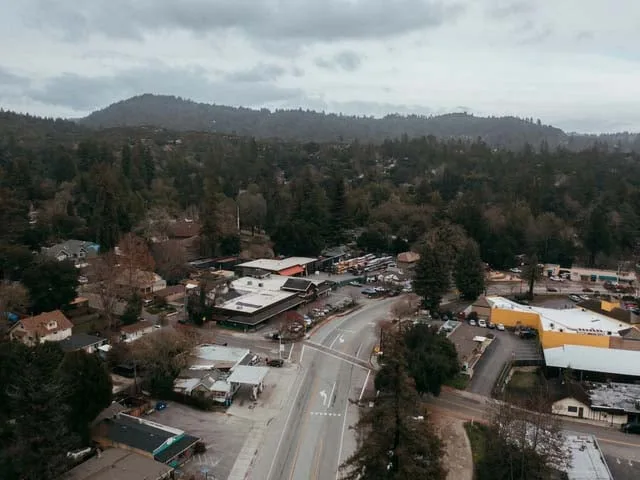
When disaster strikes your Ben Lomond property, immediate action can mean the difference between minor repairs and extensive reconstruction. Property damage from water, fire, smoke, sewage, or mold spreads rapidly, making professional restoration services essential for protecting your investment.
Our comprehensive damage restoration services address the full spectrum of property emergencies:
- Water Damage Restoration - Emergency water extraction, structural drying, and moisture control
- Flooded Basement - Complete basement water removal and foundation protection
- Sewage Cleanup - Safe contamination removal and sanitization
- Fire Damage Restoration - Structural repairs and debris removal
- Smoke Damage Restoration - Odor elimination and surface cleaning
- Mold Removal - Professional remediation and prevention strategies
Ben Lomond residents benefit from our rapid response capabilities and specialized equipment designed for the Santa Cruz Mountains environment. Our certified technicians understand how the region's unique conditions affect different types of property damage, ensuring effective restoration that prevents secondary issues like structural weakening or health hazards.
Common Damage Restoration Issues in Ben Lomond, California
Ben Lomond's location in the Santa Cruz Mountains creates specific vulnerability patterns that property owners should recognize. The area's dense forest cover and steep terrain contribute to unique damage scenarios requiring specialized restoration approaches.
Water-related damage represents the most frequent restoration challenge:
- Heavy winter rains causing basement flooding and foundation seepage
- Burst pipes during cold snaps affecting mountain properties
- Storm runoff overwhelming drainage systems
- Tree root intrusion damaging sewer lines and creating sewage backups
Fire and smoke damage risks intensify during California's dry seasons:
- Wildfire ember exposure threatening structures
- Chimney fires from wood-burning heating systems
- Electrical fires in older mountain cabins
- Smoke infiltration from nearby wildfire activity
Mold growth accelerates in Ben Lomond due to:
- High humidity from coastal fog penetration
- Poor ventilation in older mountain homes
- Moisture retention in wooden structures
- Hidden water damage behind walls and under floors
Early warning signs include musty odors, visible water stains, discolored walls, and unexplained health symptoms. Property owners should monitor crawl spaces, basements, and areas around plumbing fixtures for moisture accumulation or unusual odors.
Neighborhoods We Serve in Ben Lomond
Our damage restoration services cover all Ben Lomond communities and surrounding mountain areas. We respond quickly to properties throughout the 95005 zip code region, including residential areas along Highway 9 and the winding mountain roads that define this scenic community.
Service areas include:
- Downtown Ben Lomond commercial and residential districts
- Mountain View Road and adjacent hillside properties
- Love Creek Road residential areas
- Glen Arbor Road and surrounding neighborhoods
- Riverside properties along the San Lorenzo River
- Remote mountain cabins and vacation homes
- Connecting communities in Brookdale, Boulder Creek, and Felton
Our local knowledge helps us navigate the challenging mountain terrain and understand each neighborhood's specific vulnerability to water damage, fire risks, and environmental factors affecting restoration needs.
Seasonal Damage Patterns in Ben Lomond
Ben Lomond's seasonal patterns create predictable damage restoration demands throughout the year. Understanding these cycles helps property owners prepare for common issues and recognize when professional intervention becomes necessary.
Winter (December - February): Heavy rainfall peaks create the highest risk for water damage restoration and flooded basement emergencies. Saturated soil increases foundation seepage, while storm debris can block drainage systems.
Spring (March - May): Continued moisture from late rains combines with warming temperatures to accelerate mold growth. This season sees increased mold removal requests as humidity levels fluctuate.
Summer (June - August): Fire danger reaches maximum levels during hot, dry conditions. Smoke damage restoration becomes common even from distant wildfires, while decreased humidity can cause structural settling and plumbing stress.
Fall (September - November): Early rains after dry summer months create sewage backup risks as debris enters storm systems. Fire damage restoration requests continue through October's peak fire season.
Property owners should schedule preventive inspections before winter rains and maintain emergency contacts during high-risk periods for each damage type.
Housing Characteristics & Restoration Considerations
Ben Lomond's housing stock reflects its mountain community character, with many properties built between the 1950s and 1980s using wood frame construction typical of California mountain towns. These structural characteristics significantly influence restoration approaches for different damage types.
Typical housing features affecting restoration needs:
- Wood frame construction - Absorbs water quickly, requiring immediate extraction and specialized drying techniques
- Pier and beam foundations - Create crawl spaces vulnerable to moisture accumulation and mold growth
- Single-story ranch homes - Allow easier access for water damage restoration equipment
- Multi-level mountain cabins - Present challenges for sewage cleanup when gravity systems fail
- Older electrical systems - Increase fire damage risks and complicate restoration safety protocols
Many properties feature:
- Wooden siding requiring careful smoke damage restoration techniques
- Basements or lower levels prone to flooding during heavy rains
- Shake roofs that can harbor moisture and promote mold growth
- Stone or brick chimneys needing specialized fire damage assessment
Restoration professionals must account for these construction methods when developing treatment plans, particularly for water extraction, structural drying, and mold prevention in wooden structures common throughout Ben Lomond's residential areas.
Environmental Conditions & Damage Implications
Ben Lomond's environmental conditions create a complex restoration landscape influenced by coastal proximity, mountain elevation, and dense forest cover. These factors directly impact how different types of damage develop and spread through properties.
Climate factors affecting restoration:
- Mediterranean climate with wet winters increasing water damage frequency
- Coastal fog penetration raising humidity levels and mold risk
- Temperature variations between day and night causing condensation issues
- Dry summer conditions elevating fire and smoke damage potential
Geological considerations:
- Sandy loam soil with good drainage reducing some flooding risks
- Steep terrain directing water flow toward lower properties
- Creek proximity increasing sewage backup risks during storms
- Unstable slopes affecting foundation integrity after water damage
Air quality impacts:
- Wildfire smoke infiltration requiring specialized filtration during restoration
- High pollen counts affecting indoor air quality post-damage
- Moisture retention in forested areas slowing structural drying
These environmental factors require restoration professionals to adapt standard procedures for Ben Lomond's unique conditions. Water damage restoration must account for high humidity retention, while fire damage restoration faces complications from smoke infiltration patterns specific to mountain topography.
San Lorenzo River Flood Zone Restoration Challenges
Ben Lomond's proximity to the San Lorenzo River creates specific restoration challenges that require specialized expertise and equipment. Properties near the river face unique risks during winter storm seasons, when rapid water level changes can overwhelm drainage systems and create complex damage scenarios.
River-related damage patterns include:
- Flash flooding affecting lower elevation properties along Riverside Avenue
- Groundwater infiltration saturating basement and foundation areas
- Sewage system overwhelm during peak flow periods
- Erosion undermining foundation stability
- Contaminated floodwater requiring specialized cleanup protocols
Restoration professionals working in flood-prone areas must understand the river's seasonal behavior patterns. Winter storms can cause water levels to rise rapidly, creating emergency situations where immediate water extraction becomes critical for preventing structural damage.
Specialized restoration approaches for river zone properties:
- Rapid water extraction using high-capacity pumps designed for contaminated water
- Comprehensive moisture mapping to identify hidden saturation in foundation materials
- Antimicrobial treatment addressing potential contamination from river water
- Structural assessment focusing on foundation integrity after flooding events
- Long-term monitoring for mold development in areas with prolonged moisture exposure
Properties in the river zone often require ongoing moisture management strategies beyond initial restoration. The combination of high groundwater levels and seasonal flooding creates conditions where mold removal and prevention become ongoing concerns rather than one-time interventions.





