Damage Restoration in Saline County, AR
- Damage Restoration Services Overview
- Common Damage Restoration Issues in Saline County, Arkansas
- Neighborhoods We Serve in Saline County
- Seasonal Damage Patterns in Saline County
- Housing Characteristics & Restoration Considerations
- Environmental Conditions & Damage Implications
- Why Emergency Response Time Matters After Saline County Storms
Damage Restoration Services Overview
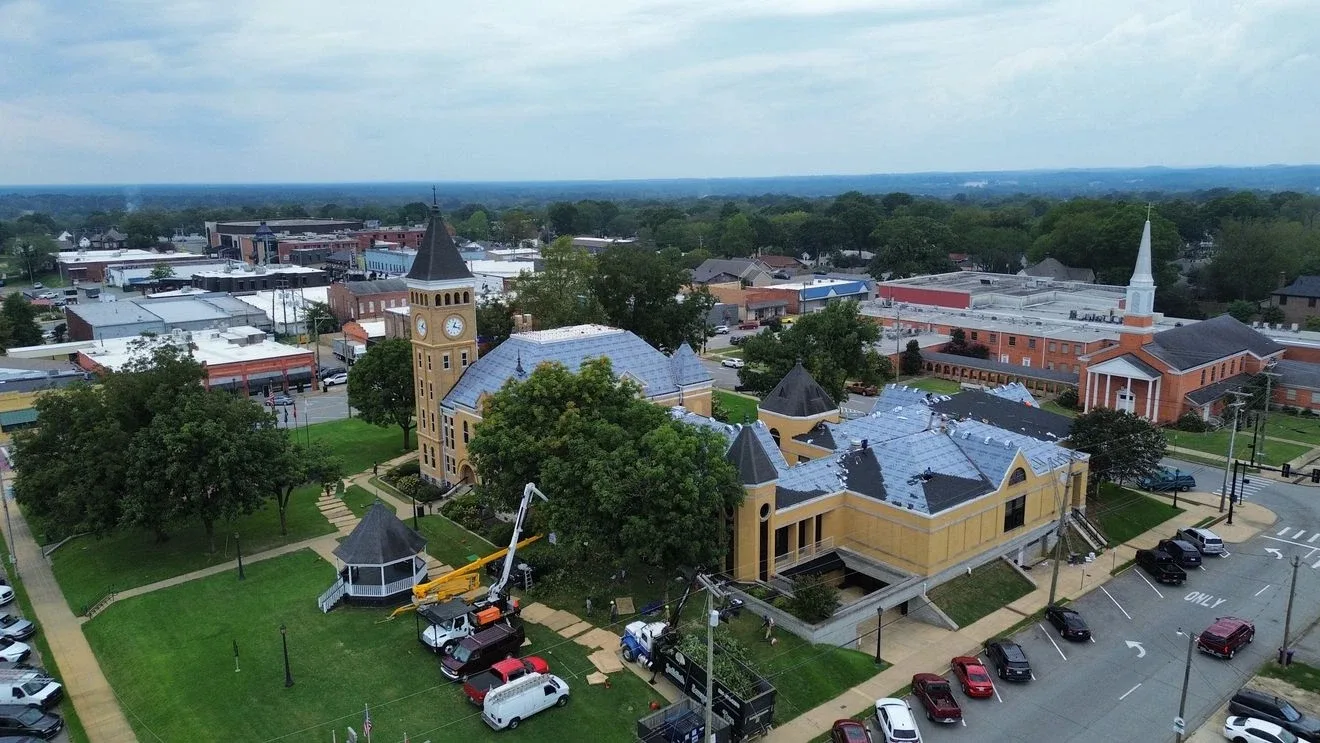
What would you do if you walked into your Benton home tonight and found two inches of standing water across the living room floor? Property damage rarely announces itself in advance, and the hours immediately after discovery shape how much of your home and belongings can be saved.
Saline County property owners face a wide mix of damage scenarios, and each one calls for a different set of equipment, drying strategies, and safety protocols. Restoration crews headquartered right here in Benton respond across the county and the greater Little Rock metro for:
- Water Damage Restoration - burst supply lines, failed water heaters, roof leaks, and appliance overflows
- Flooded Basement - hydrostatic pressure seepage, sump pump failure, and storm runoff intrusion
- Sewage Cleanup - backed-up main lines, septic failures, and Category 3 contaminated water
- Fire Damage Restoration - structural cleaning, soot removal, debris haul-off, and content pack-outs
- Smoke Damage Restoration - odor neutralization, HVAC decontamination, and residue removal from porous surfaces
- Mold Removal - containment, air filtration, affected material removal, and moisture source correction
The benefit of a local team goes beyond convenience. Familiarity with Saline County construction styles, soil behavior, and storm patterns means faster diagnosis, fewer surprises during demolition, and documentation that insurance adjusters in Arkansas expect to see.
Common Damage Restoration Issues in Saline County, Arkansas
Severe weather drives the majority of emergency restoration calls in Saline County, but plumbing failures and hidden moisture cause just as much long-term damage. The county sits in a corridor where spring and fall storm systems regularly produce heavy rain, hail, and straight-line winds.
Local Conditions That Trigger Damage
- Intense rainfall events that overwhelm gutters, downspouts, and yard drainage
- Clay-heavy soil that holds water against foundation walls and basement slabs
- Hail and wind damage to shingles, allowing slow roof leaks into attics and ceilings
- Aging cast iron and clay sewer laterals in older Benton and Bryant neighborhoods
- Winter cold snaps that freeze pipes in crawl spaces, garages, and exterior walls
- Space heaters, fireplaces, and cooking fires that spike during colder months
Warning Signs Worth Acting On
- Musty odors in closets, crawl spaces, or near HVAC return vents
- Bubbling paint, warped baseboards, or soft spots in flooring
- Ceiling stains that darken or expand after a storm
- Gurgling drains or slow toilets signaling a partial main line blockage
- Persistent smoke odor that returns when humidity rises after a small fire
- Visible surface growth on drywall, subfloor, or stored cardboard
Ignoring these signals allows clean water losses to shift toward contaminated categories and gives mold colonies the window they need to spread through wall cavities.
Neighborhoods We Serve in Saline County
Coverage spans the entire county and reaches into the surrounding metro area, with crews positioned to reach most addresses quickly.
- Benton - downtown historic district, Salt Creek, Longhills, and neighborhoods off Military Road
- Bryant - Springhill, Hurricane Creek area, and newer subdivisions near Reynolds Road
- Alexander - properties along the Saline and Pulaski County line
- Haskell and Shannon Hills - residential and light commercial properties
- Bauxite, Traskwood, and Avilla - rural homes with wells and septic systems
- East End and Paron - outlying acreage and county road addresses
- Greater Little Rock metro - including western Pulaski County communities
Rural and in-town properties present different challenges. Homes on septic systems need a different sewage cleanup approach than those on municipal sewer, while older in-town structures often hide plaster, knob-and-tube wiring, and layered flooring that affect drying and demolition planning.
Seasonal Damage Patterns in Saline County
Restoration demand in central Arkansas follows a predictable rhythm tied to weather and household habits.
- January - February: Frozen and burst pipes lead the call volume, along with heating equipment and chimney fires that produce heavy smoke damage.
- March - May: Peak severe weather season. Hail, wind-driven rain, and tornado threats produce roof leaks, flooded basements, and storm-related water intrusion.
- June - August: High humidity and constant air conditioning use drive mold growth, condensation issues, and drain line overflows around HVAC units.
- September - October: A secondary storm season brings renewed flooding risk, while grilling and early fireplace use raise fire damage calls.
- November - December: Holiday cooking fires, candles, and decorative lighting create fire and smoke losses; early freezes stress outdoor spigots and crawl space plumbing.
Sewage backups cluster after sustained rainfall when groundwater infiltrates aging lateral lines, and again during winter when grease buildup hardens in cold pipes.
Housing Characteristics & Restoration Considerations
Saline County housing stock ranges from mid-century homes in central Benton to subdivisions built during the county's rapid growth over recent decades - and each era responds differently to water, fire, and mold.
Common Construction Types
- Slab-on-grade ranch homes - water spreads laterally under flooring and wicks up drywall, requiring careful moisture mapping
- Crawl space foundations - trap humidity and standing water, making them a frequent mold source that affects the living space above
- Walk-out and daylight basements in hillside areas - vulnerable to seepage and sump pump failure
- Brick veneer over wood framing - hides moisture behind the veneer after roof or window leaks
- Manufactured and modular homes in rural areas - use materials that swell quickly and often need full replacement rather than drying
How Age Affects the Restoration Plan
- Homes built before the late 1970s may contain asbestos-bearing floor tile, mastic, or textured ceilings that require testing before demolition
- Older plaster walls dry more slowly than modern drywall and may need specialized injection drying
- Galvanized supply lines and cast iron drains in vintage homes fail without warning
- Newer builds with tight envelopes and spray foam hold moisture longer, extending drying schedules
- Original hardwood floors in historic Benton homes often justify targeted drying systems instead of replacement
Documenting these variables early keeps insurance claims accurate and prevents repeat damage after repairs are finished.
Environmental Conditions & Damage Implications
Central Arkansas humidity is the single biggest environmental factor working against a fast recovery. Warm, moist air keeps materials wet longer and gives mold spores the conditions they need.
Climate and Soil Factors
- Humid subtropical climate - extended muggy stretches from late spring through early fall slow natural evaporation
- Clay and clay-loam soils - drain slowly, retain water against foundations, and shift with wet-dry cycles, opening cracks that let water into basements
- Heavy annual rainfall - saturates yards and raises the water table near the Saline River and Hurricane Creek drainages
- Pine and hardwood tree cover - drops limbs during storms and clogs gutters with needles and leaves
- Well and septic systems in rural areas - flooding can contaminate both, raising the safety stakes on sewage cleanup
What This Means for Restoration Work
- Dehumidification capacity must be sized for outdoor conditions, not just the wet square footage
- Crawl space encapsulation and vapor barriers often become part of a permanent mold solution
- Smoke odor lingers longer in humid air because residues reactivate on damp porous surfaces
- Post-fire structures need weather protection quickly, since rain through a damaged roof turns a fire loss into a combined water and mold problem
- Air scrubbers with HEPA filtration protect indoor air quality during demolition in tightly built homes
Why Emergency Response Time Matters After Saline County Storms
The clock starts the moment water enters your home. Within the first day, drywall wicks moisture upward, subfloors swell, and untreated clean water begins shifting toward contaminated categories. Within a few days, mold colonies establish themselves inside wall cavities where they are far harder and costlier to remove.
What Happens During a 24/7 Emergency Call
- Immediate phone triage - guidance on shutting off water, electricity, or gas before crews arrive
- On-site inspection - moisture meters and thermal imaging locate hidden water behind walls and under flooring
- Water extraction - truck-mounted and portable units remove standing water from basements and living areas
- Containment and safety setup - critical for sewage cleanup and mold removal, keeping contaminants out of clean areas
- Structural drying - air movers and commercial dehumidifiers run on a monitored schedule with daily readings
- Cleaning and deodorization - soot removal, antimicrobial application, and odor treatment for smoke-affected materials
- Reconstruction planning - repair of drywall, flooring, and finishes once the structure reaches dry standard
Steps to Take Before Crews Arrive
- Shut off the water supply at the main if the source is plumbing-related
- Avoid entering rooms with standing water near outlets or electrical panels
- Photograph and video the damage from multiple angles for your insurance claim
- Move undamaged furniture and documents to a dry area if it is safe to do so
- Stay out of any area affected by sewage - Category 3 water carries bacteria and requires protective equipment
- Do not run your HVAC system after a fire, since it spreads soot throughout the ductwork
Because dispatch operates from Benton rather than out of town, storm-night response across Saline County and the Little Rock metro happens without waiting on out-of-state crews to arrive.