
Damage Restoration in Bryant, AR
- Damage Restoration Services Overview
- Common Damage Restoration Issues in Bryant, Arkansas
- Neighborhoods We Serve in Bryant
- Seasonal Damage Patterns in Bryant
- Housing Characteristics & Restoration Considerations
- Environmental Conditions & Damage Implications
- Insurance Documentation and Claim Support for Bryant Property Owners
Damage Restoration Services Overview
Water that sits for a weekend does not simply dry out. It wicks into bottom plates, saturates insulation behind drywall, and starts a mold colony that will still be growing months later. Smoke residue that is not neutralized within days begins etching metal, discoloring grout, and settling permanently into HVAC ductwork. Delay is what turns a manageable loss into a gut-and-rebuild project.
Bryant property owners face a full spectrum of restoration needs, and the same crew should be able to carry a job from first extraction through final trim work:
- Water damage restoration - rapid extraction, structural drying, dehumidification, moisture mapping, and repairs to affected framing and finishes
- Flooded basement cleanup - pump-out, saturated material removal, sump and drainage evaluation, and full dry-down of below-grade spaces
- Sewage cleanup - containment, removal of contaminated porous materials, antimicrobial treatment, and disinfection of hard surfaces
- Fire damage restoration - debris removal, board-up, char and soot remediation, structural cleaning, and reconstruction
- Smoke damage restoration - odor neutralization, thermal fogging or hydroxyl treatment, contents cleaning, and duct decontamination
- Mold removal - containment barriers, HEPA filtration, controlled removal, and correction of the moisture source
The benefit for homeowners is continuity: one team documenting the loss, coordinating with the adjuster, and finishing the repair.
Common Damage Restoration Issues in Bryant, Arkansas
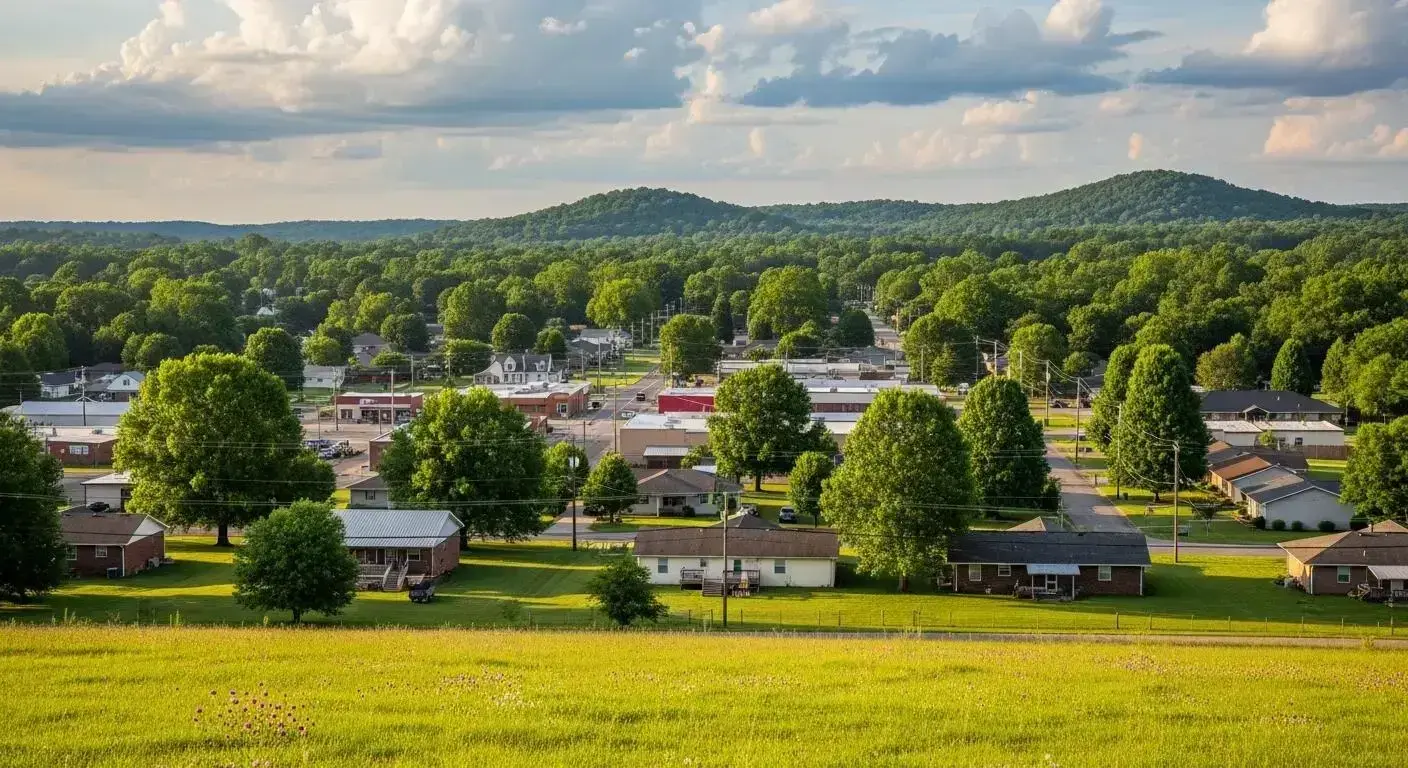
Bryant sits in central Arkansas where humid subtropical weather, clay-heavy soil, and heavy convective rainfall combine to create predictable failure points in homes.
Frequent Causes of Loss
- Spring and early-summer thunderstorms dropping several inches in a short window, overwhelming gutters and yard drainage
- Hail and straight-line wind damage that compromises roofing, letting water enter attics and ceiling cavities
- Hard freezes in January and February that split supply lines in unheated crawl spaces, garages, and exterior walls
- Water table rise pushing moisture through basement and crawl space walls after saturating rain
- Municipal or private sewer line backups when heavy inflow surcharges the system
- Kitchen fires, chimney and space heater fires, and electrical faults in older wiring
- Failing water heaters, ice maker lines, washing machine hoses, and dishwasher supply connections
Warning Signs Worth Acting On
- Musty odor in a closet, hallway, or crawl space that does not clear with ventilation
- Baseboards that feel soft, paint that bubbles, or flooring that cups along a seam
- Ceiling stains that reappear after painting - a sign the roof or plumbing leak is active
- Condensation on ductwork or persistent humidity that a thermostat cannot bring down
- Gurgling drains or slow floor drains before a full sewage backup occurs
- Lingering smoke smell that intensifies when the HVAC system cycles on
- Visible dark spotting on drywall behind furniture or under sinks
Neighborhoods We Serve in Bryant
Response covers Bryant proper and the surrounding Saline County communities where housing stock and drainage conditions vary block to block.
- Downtown Bryant and the older residential streets near Reynolds Road
- Hurricane Creek and adjacent subdivisions along the creek corridor
- Springhill and the neighborhoods near Springhill Road
- Woodland Park, Long Hills, and nearby established developments
- Alcoa Road corridor properties, both residential and commercial
- Newer construction off Highway 5 and Boone Road
- Shannon Hills, Avilla, and Salem Road areas
- Neighboring Benton, Alexander, Haskell, and southwest Little Rock
Homes near Hurricane Creek and the smaller tributaries feeding the Saline River see the most repeat flooding calls, while hillside lots off Springhill Road tend toward crawl space moisture and slab-edge seepage rather than open flooding.
Seasonal Damage Patterns in Bryant
Winter (December - February)
- Frozen and burst pipes during cold snaps, especially in crawl spaces and exterior walls
- Fire and smoke damage from fireplaces, wood stoves, and portable heaters
- Ice dam and roof leak intrusion after freezing rain events
Spring (March - May)
- Peak season for flooded basements and crawl spaces from repeated heavy rainfall
- Storm-driven roof damage from hail and high wind, followed by interior water intrusion
- Sewer backups when saturated ground drives infiltration into lines
Summer (June - August)
- Mold growth accelerates as indoor humidity climbs and unaddressed spring moisture matures
- HVAC condensate line clogs flooding hallways, closets, and attic-mounted air handler areas
- Electrical fires tied to heavy cooling loads and aging panels
Fall (September - November)
- Clogged gutters from leaf fall pushing water against foundations
- First heating cycle producing smoke odor from dust and unswept flues
- Ideal window for moisture inspections and crawl space drying before winter
Housing Characteristics & Restoration Considerations
Bryant grew fast, so the housing mix runs from mid-century homes near the old town center to subdivisions built in the last decade. Each construction era changes how a loss behaves.
Older Homes (pre-1980)
- Crawl space foundations with vented perimeters that trap humid air under the floor
- Cast iron and galvanized drain lines prone to scaling, cracking, and backups
- Original wiring and undersized panels that raise fire risk
- Possible asbestos-containing floor tile or joint compound requiring testing before demolition
- Plaster and lath walls that hold water far longer than modern drywall
1990s - 2000s Construction
- Slab-on-grade foundations where water travels invisibly under laminate and tile
- Attic-mounted HVAC units that flood ceilings when drain pans overflow
- Polybutylene or early plastic supply lines with a history of joint failure
- Vinyl wallpaper in baths that traps moisture and hides mold growth
Newer Builds
- Tight envelopes that hold humidity when a leak occurs, speeding mold onset
- Engineered wood flooring and OSB subfloor that swell irreversibly once saturated
- Open floor plans allowing water and smoke to spread across a full level quickly
Restoration planning starts with identifying the assembly - what is behind the finish surface determines whether a wall can be dried in place or has to come out.
Environmental Conditions & Damage Implications
Central Arkansas conditions work against a drying home. Understanding them shapes the equipment plan on every job.
Climate and Humidity
- Roughly 50 inches of annual rainfall, concentrated in spring and late fall
- Summer dew points regularly in the 70s, meaning outside air cannot be used to dry an interior
- Sealed containment and commercial dehumidification are required rather than open windows and fans
- Mold can establish within 24 to 48 hours in these conditions when materials stay wet
Soil and Groundwater
- Clay-heavy soils that expand when wet and shrink in drought, stressing foundations and creating crack pathways
- Slow percolation that leaves standing water against foundation walls after storms
- Shallow water tables in low-lying areas near creek drainages, pushing hydrostatic pressure on basement walls
- Soil movement that separates sewer line joints, leading to backups and contaminated intrusions
Air Quality Considerations
- High pollen loads in spring already tax indoor air before mold spores are added
- Smoke particulate from a fire lodges in ductwork and re-circulates for months without duct cleaning
- Sewage events introduce bacteria and endotoxins that require HEPA filtration and full material removal, not surface cleaning
Verified drying to documented moisture readings - not visual dryness - is what prevents a repeat claim.
Insurance Documentation and Claim Support for Bryant Property Owners
Most restoration disputes in Saline County come down to documentation. Adjusters approve what is proven and question what is described. A file built correctly at the outset moves faster and covers more of the actual scope.
How Documentation Is Built
- Initial inspection - the full property is walked, including attic, crawl space, and adjacent rooms, because water and smoke rarely stay where they are visible
- Photographic record - wide shots establishing room context and close shots capturing material damage, moisture staining, char patterns, and soot lines
- Moisture mapping - meter readings logged by location and repeated daily so drying progress is measurable
- Thermal imaging - identifies wet cavities behind finishes that would otherwise be missed and later become mold claims
- Category and class determination - clean water, gray water, or sewage contamination is documented, since this drives what can be dried versus what must be removed
- Line-item scope - written in industry-standard estimating format the carrier already uses
- Adjuster coordination - meeting on site, reviewing scope differences, and supporting supplements when hidden damage appears during demolition
What Bryant Homeowners Should Do First
- Stop the source if it is safe - main water shutoff, gas shutoff after a fire
- Photograph conditions before anything is moved or removed
- Keep damaged contents until they have been documented and inventoried
- Report the loss to the carrier promptly, since policies contain notice requirements
- Avoid entering standing water that may be contaminated or electrically charged
- Save receipts for temporary lodging, fans, tarps, and other emergency expenses
Storm-driven claims often involve both roofing and interior restoration. Having the same team handle emergency tarping, water extraction, mold prevention, and reconstruction keeps the claim under one scope instead of splitting responsibility between contractors who blame each other for gaps.





