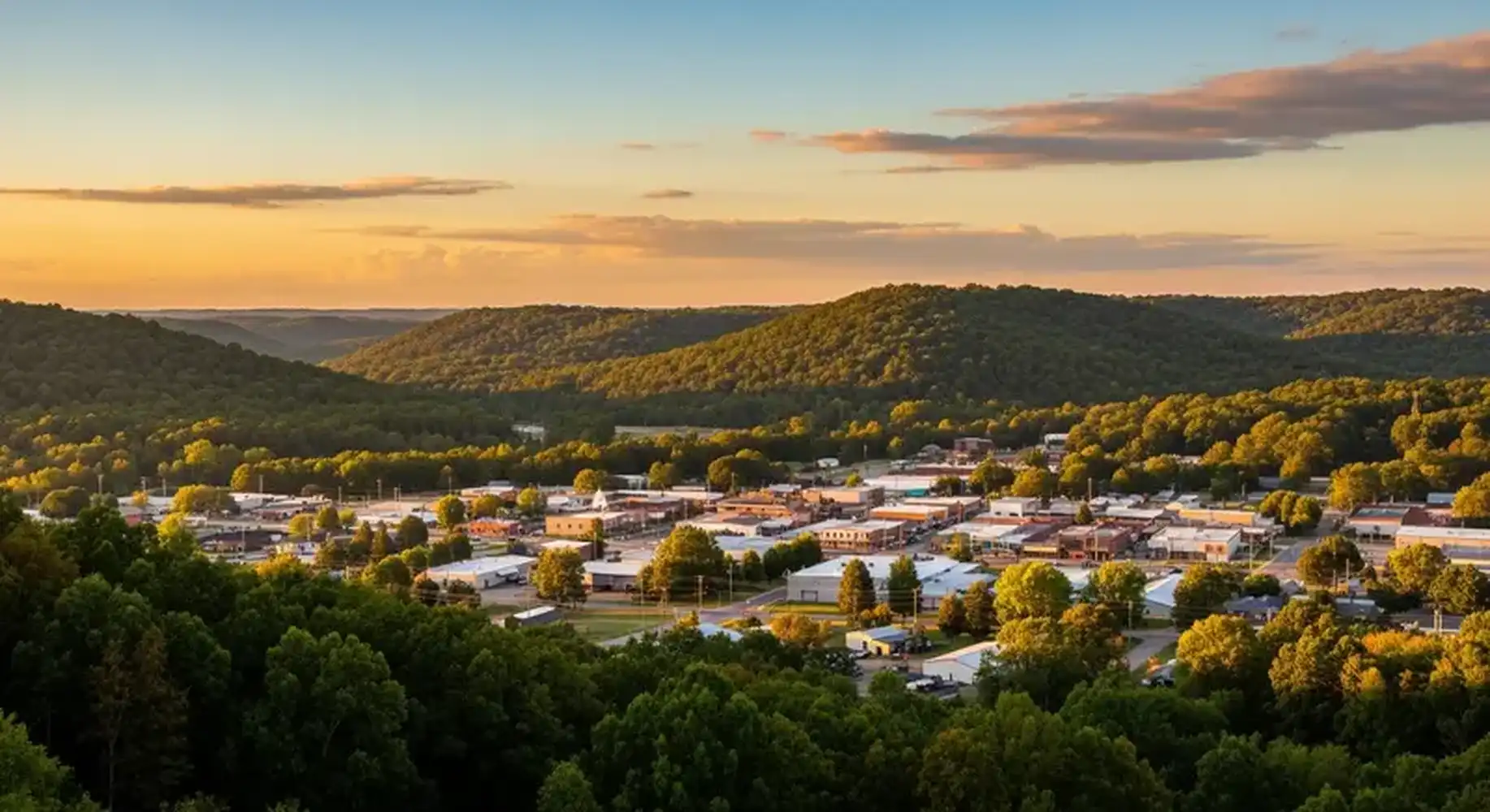
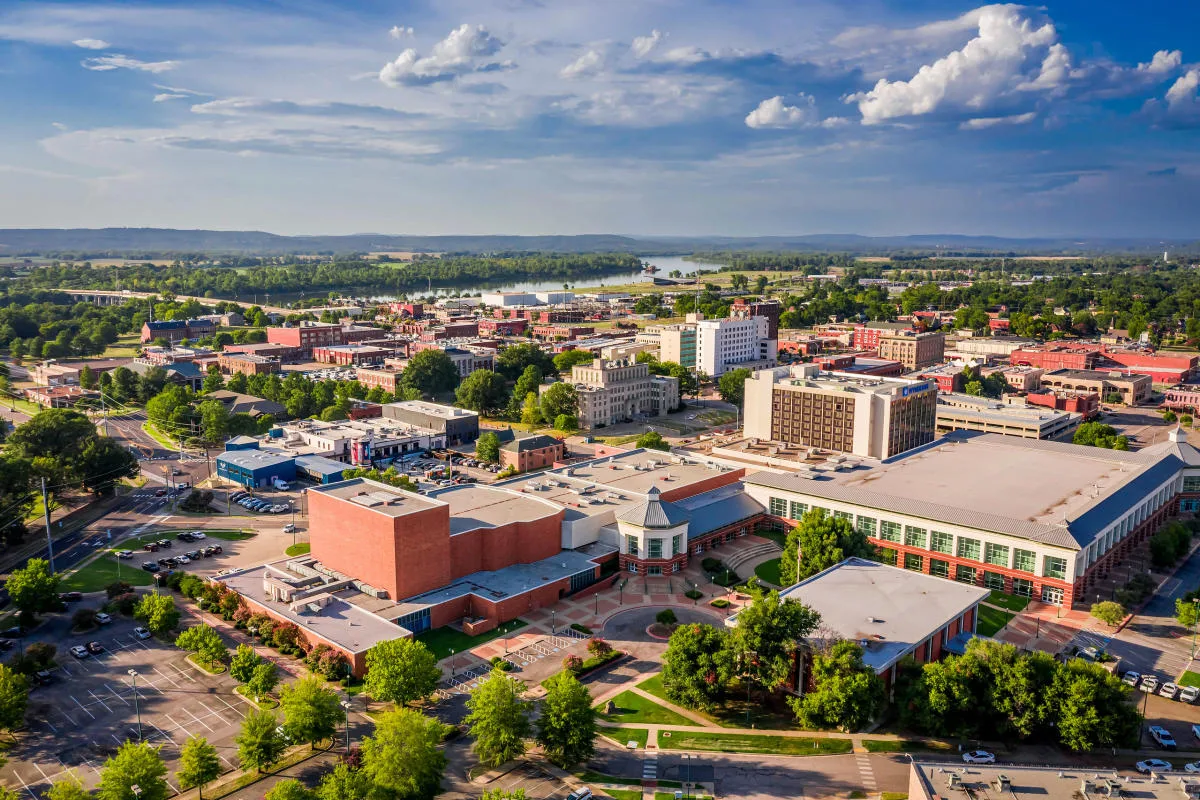
Damage Restoration in Sebastian County, AR
- Damage Restoration Services Overview
- Common Damage Restoration Issues in Sebastian County, Arkansas
- Neighborhoods We Serve in Sebastian County
- Seasonal Damage Patterns in Sebastian County
- Housing Characteristics & Restoration Considerations
- Environmental Conditions & Damage Implications
- Storm Response and Restoration Standards in the Arkansas River Valley
Damage Restoration Services Overview
Every hour that passes after water intrusion, a fire, or a sewage backup increases the cost and complexity of repair. Moisture wicks into subfloors and drywall, soot becomes acidic and etches into surfaces, and mold colonies can establish themselves within a couple of days in Sebastian County's humid climate.
Delayed restoration frequently leads to problems that reach far beyond the original event:
- Cracks in foundations caused by prolonged saturation of surrounding soil
- Weakened structural supports, joists, and sill plates
- Reduced indoor air quality from trapped humidity and airborne spores
- Growth of dust mites and mold within carpet backing and padding
- Permanent staining and odor absorption in textiles, cabinetry, and HVAC ductwork
Property owners across Fort Smith, Greenwood, and the surrounding communities rely on a full range of services delivered by trained technicians:
- Water Damage Restoration - extraction, structural drying, and moisture mapping after pipe breaks and appliance failures
- Flooded Basement - pump-out, dehumidification, and treatment of below-grade spaces
- Sewage Cleanup - removal of contaminated material and antimicrobial treatment of affected surfaces
- Fire Damage Restoration - debris removal, structural stabilization, and content recovery
- Smoke Damage Restoration - soot removal, deodorization, and HVAC cleaning
- Mold Removal - containment, remediation, and correction of the moisture source
Water damage is a traumatic experience, and trustworthy extraction companies can be hard to find. Every step of the process gets explained clearly before work begins.
Common Damage Restoration Issues in Sebastian County, Arkansas
Sebastian County sits at the meeting point of the Arkansas River Valley and the Ouachita foothills, where severe storms, humidity, and older housing stock combine to create predictable restoration problems. Emergency management crews regularly report downed trees after storm systems move through, and National Weather Service survey teams evaluate damage paths across the region each spring.
Primary Causes of Damage Locally
- Severe thunderstorms and straight-line winds that breach roofs and windows
- Arkansas River and Poteau River backwater flooding along low-lying neighborhoods
- Burst supply lines during winter cold snaps in uninsulated crawl spaces
- Aging clay and cast-iron sewer laterals prone to root intrusion and backups
- Lightning strikes and electrical faults that ignite attic and wall-cavity fires
- Failed water heaters, washing machine hoses, and refrigerator supply lines
Warning Signs Worth Acting On
- Musty odors in basements, closets, or near HVAC returns
- Bubbling paint, cupping hardwood, or soft spots underfoot
- Slow drains or gurgling fixtures signaling a sewer line problem
- Persistent smoke smell that returns on humid days after a small fire
- Condensation on interior walls or windows during summer months
- Efflorescence - white mineral residue - on foundation walls
Excessive moisture trapped in carpet and flooring rarely stays contained. It migrates into padding, subfloor seams, and baseboards, where it feeds mold growth long before visible staining appears on the surface.
Neighborhoods We Serve in Sebastian County
Service covers Sebastian County and neighboring Crawford County, reaching both dense city blocks and rural properties on well and septic systems.
- Fort Smith - including downtown, Belle Grove Historic District, Fianna Hills, Chaffee Crossing, and the Massard Road corridor
- Greenwood - established subdivisions and newer developments south of the city center
- Barling, Lavaca, and Bonanza - properties near Chaffee Crossing and along the Arkansas River bottoms
- Hackett, Huntington, Mansfield, and Midland - rural southern Sebastian County homes and farm structures
- Central City and Hartford - smaller communities with older housing stock
- Crawford County neighbors - Van Buren, Alma, Cedarville, Mulberry, and Rudy
Response crews know which neighborhoods sit in flood-prone drainage basins and which have older sewer infrastructure, which shapes how quickly containment and extraction equipment gets deployed.
Seasonal Damage Patterns in Sebastian County
Restoration demand in the county follows a fairly reliable annual rhythm tied to Arkansas River Valley weather.
- December through February - Frozen and burst pipes drive water damage calls. Heating equipment, space heaters, and fireplace use push fire and smoke damage to their yearly peak.
- March through May - Severe storm season. Straight-line winds, hail, and heavy rainfall produce roof leaks, flooded basements, and river backwater intrusion. Lightning-related structure fires rise as well.
- June through August - Heat and humidity fuel mold growth. Air conditioner condensate line clogs, sweating ductwork, and slow leaks in crawl spaces create hidden moisture problems.
- September through October - Remnants of Gulf tropical systems bring saturating rain, overwhelming municipal sewer capacity and triggering backups into basements and floor drains.
- November - Heating systems fire up after months idle, producing puff-back soot and smoke odor events. Outdoor burning also contributes to smoke intrusion.
Mold remediation requests, however, arrive year-round because the county's humidity rarely drops low enough to fully dry out untreated materials.
Housing Characteristics & Restoration Considerations
Sebastian County housing spans more than a century of construction, and building age directly determines how water, smoke, and mold behave inside a structure.
Common Construction Types
- Pre-1940 homes in Belle Grove and older Fort Smith districts - brick and wood frame with plaster walls, wood lath, and shallow crawl spaces
- Post-war ranch homes from the 1950s and 1960s - slab-on-grade or pier-and-beam with original cast-iron drain lines
- 1970s-1990s subdivisions - frame construction with drywall, carpeted slabs, and attached garages
- Newer builds around Chaffee Crossing and Greenwood - tighter envelopes with engineered flooring and complex HVAC systems
- Rural properties with septic systems, metal outbuildings, and well water
How Age Affects Restoration
- Plaster and lath hold moisture far longer than drywall and require extended controlled drying rather than immediate demolition
- Homes built before 1980 may contain asbestos-bearing materials and lead paint, so testing precedes any aggressive removal
- Original cast-iron and clay sewer laterals crack and separate, raising the risk of Category 3 sewage backups
- Pier-and-beam crawl spaces trap standing water beneath floors, where mold spreads before occupants notice anything
- Slab foundations wick moisture upward, causing carpet padding delamination and adhesive failure under vinyl and laminate
- Tight modern envelopes hold smoke odor in insulation and ductwork, requiring thermal fogging and full HVAC cleaning
Documenting construction assemblies before drying begins helps set realistic equipment placement and moisture targets for each material.
Environmental Conditions & Damage Implications
The county's humid subtropical climate is the single biggest driver of secondary damage after any water or fire event. Summer dew points regularly sit in the low seventies, which means outdoor air offers no drying benefit during much of the restoration season.
Climate and Moisture
- Annual rainfall exceeding four feet, concentrated in spring and fall
- Long, humid summers that keep indoor relative humidity elevated without mechanical dehumidification
- Freeze-thaw cycles in winter that stress plumbing and foundation walls
Soil and Drainage
- Clay-heavy valley soils expand when saturated, pressing against foundation walls and forcing water through cracks into basements
- Rocky, shallow soils in the Ouachita foothills shed runoff quickly toward low-lying structures
- Poor perimeter grading on older lots channels stormwater toward crawl space vents
Air and Water Quality Factors
- High pollen and particulate loads in spring worsen indoor air quality when mold is also present
- Well-served rural homes face contamination risk when floodwater reaches wellheads
- Combined storm and sanitary loading during heavy rain increases sewage backup frequency
- Smoke residue binds readily to humid interior surfaces, making prompt soot removal important before acids etch glass, metal, and finishes
Because ambient conditions work against natural drying, closed-system dehumidification and continuous moisture monitoring are standard on local projects rather than optional add-ons.
Storm Response and Restoration Standards in the Arkansas River Valley
When severe weather crosses Sebastian County, the restoration response has to be organized rather than improvised. Emergency management reports of downed trees and NWS survey teams tracking damage paths signal a period when dozens of properties need help at once - and that is exactly when documented, standards-based work matters most.
What a Structured Response Looks Like
- Safety assessment - electrical hazards, structural stability, and contamination category are evaluated before entry
- Water classification - clean water, gray water, and sewage each dictate different removal and disposal protocols
- Extraction and debris removal - standing water is pumped out and unsalvageable porous materials are removed
- Moisture mapping - thermal imaging and penetrating meters locate hidden saturation in wall cavities and under flooring
- Controlled drying - air movers and dehumidifiers are sized to the affected volume, with daily readings recorded
- Antimicrobial and deodorization treatment - applied where contamination or smoke residue is confirmed
- Verification - materials are confirmed dry to established targets before reconstruction begins
Industry Practices Applied Locally
- Containment barriers and negative air machines during mold remediation to prevent cross-contamination
- Personal protective equipment and proper waste handling on all sewage cleanup jobs
- Soot testing to distinguish protein, wet smoke, and dry smoke residues, since each requires a different cleaning method
- HVAC inspection after fire events so odor is not redistributed through the home
- Photo and moisture documentation formatted for insurance carriers
Combining carpet cleaning expertise with structural drying gives an advantage on flooring assemblies - knowing when padding can be replaced and carpet saved, and when full removal is the responsible call. Clear explanation before work starts keeps homeowners informed at every stage.