Damage Restoration in Lonoke County, AR
- Damage Restoration Services Overview
- Common Damage Restoration Issues in Lonoke County, Arkansas
- Neighborhoods We Serve in Lonoke County
- Seasonal Damage Patterns in Lonoke County
- Housing Characteristics & Restoration Considerations
- Environmental Conditions & Damage Implications
- Flooding, Septic Backups, and Crawl Space Recovery in Rural Lonoke County
Damage Restoration Services Overview
When water rises in a crawl space or smoke settles into the drywall, the fastest path back to normal starts with a trained crew and a clear plan. Property owners across Lonoke County - from Cabot subdivisions to farmsteads outside England - rely on certified restoration teams who arrive prepared, document conditions, and stabilize the structure before secondary damage sets in.
Our full range of restoration work covers every stage of a loss:
- Water Damage Restoration - extraction, structural drying, moisture mapping, and monitoring until materials return to normal readings.
- Flooded Basement - pump-out, sump and drainage evaluation, and drying of below-grade walls, framing, and stored belongings.
- Sewage Cleanup - removal of contaminated water and porous materials, followed by antimicrobial treatment and safe disposal.
- Fire Damage Restoration - board-up, debris removal, soot cleaning, and coordination with rebuild trades.
- Smoke Damage Restoration - odor neutralization, HVAC cleaning, and content restoration for items smoke reached but flames never touched.
- Mold Removal - containment, controlled removal of colonized material, and correction of the moisture source that fed the growth.
The benefit for Lonoke County homeowners is straightforward: less material loss, better insurance documentation, healthier indoor air, and a home that dries out completely instead of hiding moisture behind finished surfaces.
Common Damage Restoration Issues in Lonoke County, Arkansas
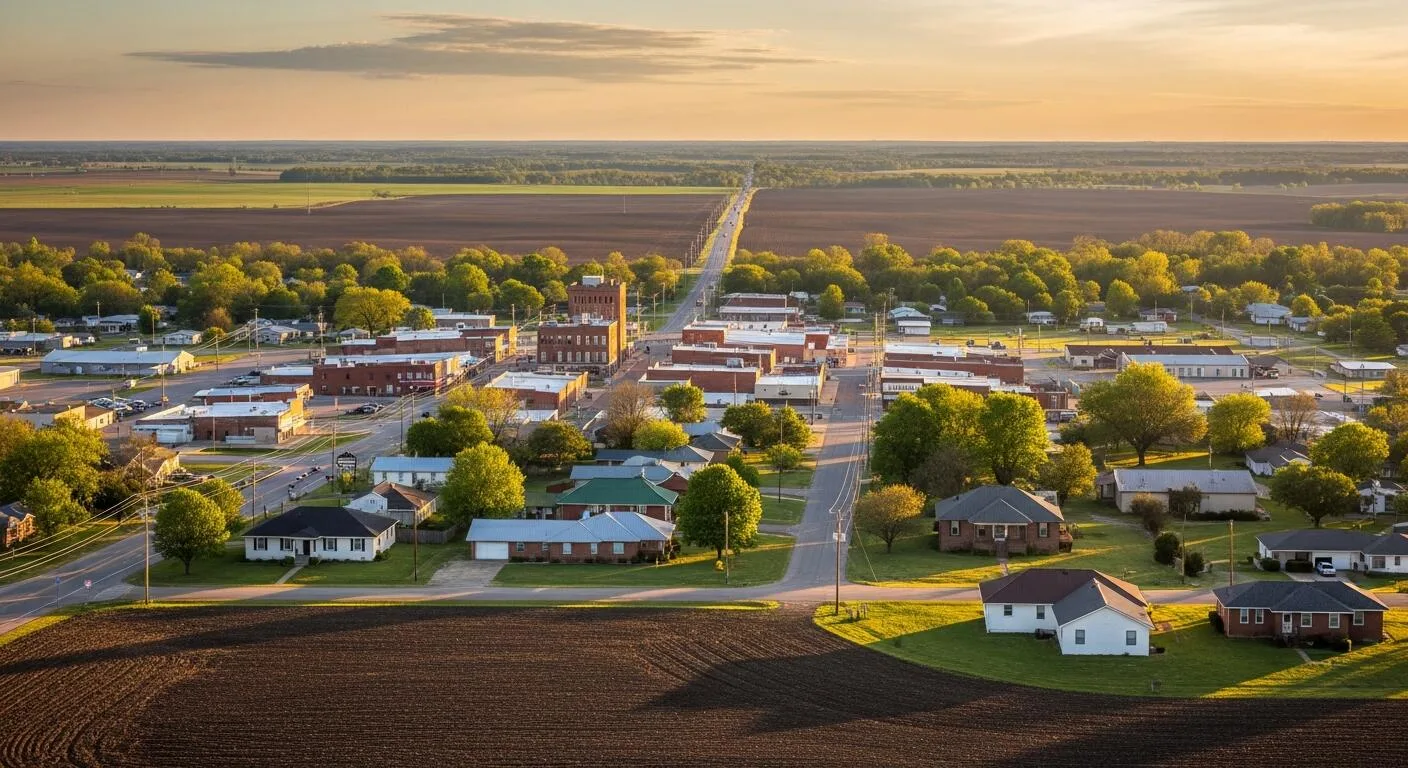
Lonoke County sits on flat, agricultural terrain along the Arkansas River lowlands, where heavy rain has nowhere to go quickly. That geography, paired with Arkansas humidity, drives most of the losses we respond to.
Frequent Causes of Damage
- Spring thunderstorm bands dumping several inches of rain over saturated rice and soybean ground, backing water into yards and crawl spaces.
- Slab-on-grade supply line failures under kitchens and bathrooms that go unnoticed for days.
- Aging septic systems and rural lateral fields that surcharge during wet stretches, creating sewage backups indoors.
- Winter pipe bursts in unheated garages, laundry rooms, and attic spaces during hard January freezes.
- Kitchen grease fires, wood stove flue issues, and electrical faults in older wiring.
- Lightning strikes during severe weather season, which can cause attic fires with heavy smoke spread.
Warning Signs Worth Acting On
- A musty smell that strengthens when the HVAC runs - often mold growing in ductwork or wall cavities.
- Buckling laminate, cupping hardwood, or soft spots along baseboards.
- Staining on ceiling tile or drywall seams after a storm.
- Gurgling drains or slow toilets, which frequently precede a sewage backup.
- Persistent smoke odor weeks after a small fire, meaning soot residue remains in porous materials.
- Condensation on windows and interior walls during humid months.
Catching any of these early keeps a modest drying job from becoming demolition and reconstruction.
Neighborhoods We Serve in Lonoke County
Our crews cover the entire county and the surrounding Central Arkansas corridor, with response routes built around Highway 67/167, Highway 70, and Interstate 40.
- Cabot - established neighborhoods, newer subdivisions, and commercial property along Main Street.
- Austin - fast-growing residential developments south of Cabot.
- Lonoke - the county seat, including older homes near downtown.
- Ward, Beebe fringe areas, and Carlisle - mixed residential and agricultural properties.
- England, Keo, Coy, and Humnoke - rural farmsteads and river-bottom properties.
- Furlow, Toltec, and Scott area - low-lying homes prone to standing water.
We also work throughout neighboring Jacksonville, Sherwood, North Little Rock, Little Rock, Maumelle, Benton, and Conway, which means equipment and technicians are rarely far from a Lonoke County address when a call comes in.
Seasonal Damage Patterns in Lonoke County
Each season brings a different mix of restoration work across the county.
- January - February: Frozen and burst pipes lead the call volume. Space heater and fireplace fires increase, along with smoke damage from improperly maintained flues.
- March - May: Peak severe weather. Flash flooding, wind-driven rain through damaged roofing, flooded basements and crawl spaces, and storm-related water intrusion dominate.
- June - August: Heat and humidity fuel mold growth in closets, attics, and behind furniture. Air conditioner condensate line clogs cause slow, hidden water damage. Grilling and outdoor fire incidents rise.
- September - October: Lingering humidity keeps mold work steady. Remnants of Gulf systems can push heavy rain inland, triggering sewage backups where systems are already stressed.
- November - December: Heating systems come back online, producing puff-back soot and smoke odor complaints. Holiday cooking fires and early freezes start the winter cycle again.
Knowing what the calendar tends to deliver lets homeowners prepare - insulating exposed plumbing before the first freeze, clearing condensate lines each spring, and scheduling septic inspections ahead of the wet season.
Housing Characteristics & Restoration Considerations
Lonoke County housing spans more than a century of construction styles, and each type responds differently to water, fire, and mold.
Common Construction Types
- Slab-on-grade ranch homes (1970s - 1990s): Widespread in Cabot and Lonoke. Water travels laterally under flooring and wicks up drywall, so extraction alone rarely finishes the job - injection drying and baseboard removal are often needed.
- Pier-and-beam farmhouses: Common in England, Keo, and rural tracts. Crawl spaces trap humidity, rot floor joists, and host mold long before occupants notice.
- Newer subdivision builds (2000s - present): Tight envelopes and engineered materials dry slowly and hold moisture in wall cavities, making moisture meters and thermal imaging essential.
- Manufactured and modular homes: Belly wrap and underfloor insulation hold water for weeks; sewage intrusion typically requires full removal of affected sections.
- Historic downtown structures: Plaster, knob-and-tube remnants, and layered finishes complicate both fire cleanup and mold removal.
How Age Affects the Work
- Pre-1980 homes may contain asbestos-bearing floor tile or textured ceilings, requiring testing before demolition.
- Galvanized and polybutylene plumbing in mid-century homes fails without warning, producing sudden large-volume losses.
- Older electrical systems raise fire risk and often need inspection before power is restored after a loss.
- Additions built over multiple decades create hidden voids where water collects and mold develops unseen.
Environmental Conditions & Damage Implications
The local environment shapes every restoration plan we write in Lonoke County.
Climate and Humidity
- Summer dew points regularly climb into the low 70s, meaning outside air alone will not dry a structure - dehumidification equipment must control the drying chamber.
- Annual rainfall totals near 50 inches keep soils saturated for extended stretches.
- Mold colonies can establish within a day or two of a leak during warm months, which is why containment goes up early.
Soil and Groundwater
- Alluvial clay and silt loam soils across the county drain slowly and expand when wet, pushing water against foundations and crawl space walls.
- High water tables in river-bottom communities like Keo, Scott, and Humnoke keep below-grade spaces damp year-round.
- Shifting clay creates foundation cracks that become entry points for the next heavy rain.
Water and Air Quality Factors
- Rural properties on private wells and septic systems face greater contamination risk during flooding, elevating sewage cleanup to a health priority.
- Agricultural dust, pollen, and seasonal field burning add particulate load that complicates post-fire air quality and HVAC cleaning.
- Smoke residue binds readily to humid interior surfaces, making prompt deodorization more effective than delayed cleaning.
We account for these conditions by monitoring moisture readings daily, adjusting equipment placement, and verifying dryness with instruments rather than assumptions.
Flooding, Septic Backups, and Crawl Space Recovery in Rural Lonoke County
Properties outside city water and sewer service face a distinct set of problems when heavy rain arrives. Fields hold water, ditches fill, septic laterals stop absorbing, and the path of least resistance becomes the lowest drain inside the house. What starts as a slow toilet on Friday can become a contaminated crawl space by Sunday.
How We Approach These Losses
- Assess and isolate. We identify the water category, shut off affected fixtures, and establish containment so contamination does not spread to clean areas of the home.
- Remove standing water and solids. Truck-mounted extraction and submersible pumps clear the crawl space or basement, followed by removal of saturated insulation, vapor barrier, and porous materials.
- Clean and treat. Structural surfaces receive antimicrobial application, and framing is cleaned to remove residue that would otherwise feed mold.
- Dry with controlled conditions. Air movers and dehumidifiers run under monitoring until wood and subfloor readings return to dry standard.
- Correct the source. We flag drainage grading, failed sump pumps, foundation vent placement, and septic issues so the same event does not repeat next season.
- Rebuild the barrier. New vapor barrier and insulation restore the crawl space to a condition that resists future humidity.
Practical Steps Homeowners Can Take
- Have septic tanks pumped and laterals inspected before the wet season.
- Install backflow prevention on floor drains and low fixtures.
- Test sump pumps and add battery backup for outages during storms.
- Regrade soil so it slopes away from the foundation on all sides.
- Keep gutters and downspout extensions discharging well clear of the house.
- Photograph crawl space conditions each spring so changes are easy to spot.
The result is a home that handles the next Arkansas downpour without a repeat loss - and documentation that supports a smoother insurance claim if one happens anyway.