Damage Restoration in Crawford County, AR
- Damage Restoration Services Overview
- Common Damage Restoration Issues in Crawford County, Arkansas
- Neighborhoods We Serve in Crawford County
- Seasonal Damage Patterns in Crawford County
- Housing Characteristics & Restoration Considerations
- Environmental Conditions & Damage Implications
- Storm Recovery and Power Outage Response in Crawford County
Damage Restoration Services Overview
What would you do if you walked into your Crawford County home and found three inches of standing water across the basement floor - or smelled smoke long after the fire was out? Property damage rarely announces itself politely, and the hours immediately after discovery shape how much of your home can be saved.
Restoration work in this part of Arkansas covers a connected set of specialties, each addressing a different kind of loss:
- Water Damage Restoration - extraction, structural drying and moisture mapping after leaks, roof failures and storm intrusion
- Flooded Basement - pump-out, wall cavity drying and treatment of below-grade spaces along the Arkansas River bottoms
- Sewage Cleanup - removal of contaminated material, disinfection and safe disposal after backups or septic failures
- Fire Damage Restoration - debris removal, structural stabilization and content recovery once fire crews release the property
- Smoke Damage Restoration - soot removal from surfaces, HVAC cleaning and odor neutralization deep in porous materials
- Mold Removal - containment, remediation and correction of the moisture source that fed the growth
The benefit for local homeowners is simple: faster stabilization means fewer materials thrown in the dumpster, cleaner insurance documentation and a house that dries out instead of quietly rotting behind the drywall.
Common Damage Restoration Issues in Crawford County, Arkansas
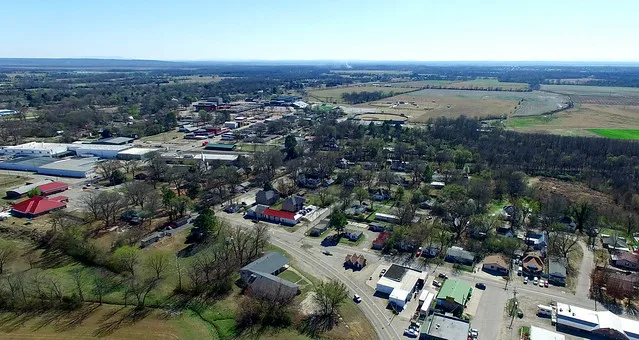
Crawford County sits where the Boston Mountains meet the Arkansas River Valley, and that geography drives most of the damage calls in the area. Severe storm systems have toppled trees, damaged homes and knocked out power to thousands of residents, with the county Department of Emergency Management documenting more than 50 damaged structures after one recent round of storms. Three tornadoes in a single week left widespread destruction, including debris across the Crawford County Courthouse lawn.
Recurring problems restoration crews encounter here include:
- Wind-torn roofing and missing shingles that let rain into attics and ceiling cavities for days before anyone notices
- Basement and crawl space flooding in low-lying areas near Lee Creek, Frog Bayou and the Arkansas River
- Sewer backups when heavy rainfall overwhelms municipal lines in Van Buren and Alma, or saturates rural septic fields
- Electrical fires tied to generator use, extension cords and surges during extended outages
- Smoke and soot residue from wood stoves, chimney fires and space heaters used through cold snaps
- Mold blooms in humid summer months when power loss shuts down air conditioning and dehumidifiers
Warning signs worth acting on quickly:
- Musty odor that intensifies after rain or in closed rooms
- Buckled flooring, bubbling paint or drywall tape pulling loose
- Gurgling drains or slow toilets after a storm
- Persistent smoky smell that returns when the HVAC runs
- Unexplained allergy symptoms that ease when you leave the house
Neighborhoods We Serve in Crawford County
Response coverage spans the county's incorporated cities, unincorporated communities and the rugged terrain in the north where crews often work hardest after storms.
- Van Buren - historic Main Street district, Fairview, Rena Road corridor and neighborhoods along the river bluff
- Alma - subdivisions off Highway 71 and Collum Lane areas
- Mountainburg - hillside properties and creekside homes along Lee Creek
- Cedarville and surrounding rural acreage
- Mulberry, Dyer and Kibler - river valley farmland and small-town residences
- Rudy, Chester, Uniontown and Natural Dam - remote northern and western communities
- Figure Five, Rena and unincorporated stretches near Lake Fort Smith
Crews also work the greater Fort Smith metro line where Crawford County meets Sebastian County, so properties on either side of the river receive the same attention.
Seasonal Damage Patterns in Crawford County
Damage in the River Valley follows a fairly predictable rhythm, and knowing it helps homeowners prepare before the phone call becomes urgent.
- January - February: Frozen and burst pipes in crawl spaces and exterior walls, plus fireplace and space heater fires during cold snaps. Smoke damage calls peak here.
- March - May: Peak severe weather. Tornadoes, straight-line winds and heavy rainfall drive roof leaks, flooded basements and storm-related water damage across the county.
- June - August: High humidity and extreme heat. Power outages disable air conditioning, and mold takes hold within days in closed, damp homes. Sewage backups follow summer downpours.
- September - October: Remnants of Gulf systems bring saturating rain. Slow leaks discovered from summer often reveal hidden mold behind cabinets and baseboards.
- November - December: Chimney and wood stove season begins. Ice and freezing rain stress roofs and gutters, setting up winter water intrusion.
Spring storms remain the single largest driver of restoration volume, which is why documented emergency plans matter for households in tornado-prone corridors.
Housing Characteristics & Restoration Considerations
Crawford County housing stock is mixed, ranging from Victorian-era homes in Van Buren's historic district to newer subdivisions built along the Interstate 40 and Highway 71 corridors. That variety directly shapes how restoration is approached.
Older Homes (pre-1960)
- Plaster over wood lath holds moisture far longer than modern drywall and needs extended drying
- Balloon framing allows water and smoke to travel vertically between floors
- Original wood floors and trim often justify specialized drying rather than removal
- Potential asbestos-containing materials and lead paint require careful handling before demolition
Mid-Century and Ranch Homes
- Vented crawl spaces that trap humidity and support mold growth on floor joists
- Cast iron and clay sewer laterals prone to root intrusion and backups
- Original ductwork that spreads soot and spores throughout the house
Newer Construction and Manufactured Homes
- Tight building envelopes hold moisture in when ventilation fails
- Engineered flooring and OSB subfloor swell quickly and rarely recover
- Manufactured homes on piers are vulnerable to wind uplift and underbelly water saturation
Hillside properties in the northern county frequently have walkout basements and daylight lower levels where surface runoff enters at grade - a common source of flooded basement calls that repeat each spring until drainage is corrected.
Environmental Conditions & Damage Implications
The humid subtropical climate here creates conditions that reward fast drying and punish delay. Summer dew points regularly stay high enough that opening windows makes a wet structure worse, not better.
Climate and Humidity
- Long, muggy summers keep indoor relative humidity elevated without mechanical dehumidification
- Mold colonization can begin within 24 to 48 hours on damp cellulose materials
- Wide temperature swings in shoulder seasons cause condensation on ductwork and cold surfaces
Soil and Drainage
- Clay-heavy soils in the river valley shed water slowly, pushing hydrostatic pressure against foundation walls
- Rocky, shallow soils on mountain slopes send fast surface runoff toward homes downhill
- Poor percolation stresses septic fields, contributing to backups after saturating rain
Water and Air Quality
- Floodwater from creeks and bayous carries silt, agricultural runoff and bacteria, requiring category-three handling
- Post-storm debris burning and wildfire smoke from regional forests can leave residue in HVAC systems
- Soot particles from structure fires bond aggressively to surfaces in humid conditions, making prompt cleaning important
These factors mean drying plans in Crawford County are built around dehumidification capacity and containment rather than simply moving air, and mold removal always includes correcting the moisture source that started the problem.
Storm Recovery and Power Outage Response in Crawford County
Extended outages have become one of the defining restoration challenges in this county. Crews have worked for days at a time restoring power after strong winds, including across the rugged terrain of north Crawford County, while officials urged residents to check on vulnerable neighbors during dangerous heat. A house without electricity is a house without dehumidification, refrigeration or air movement - and damage compounds quickly in those conditions.
What Happens During a Multi-Day Outage
- Sump pumps stop, allowing groundwater to fill basements and crawl spaces
- Indoor humidity climbs, seeding mold growth on drywall, carpet padding and stored belongings
- Sewage lift stations may lose capacity, raising backup risk for connected properties
- Generator and candle use increases fire and smoke damage incidents
- Refrigerated contents spoil, adding odor problems layered on top of existing damage
Steps to Take After the Storm Passes
- Confirm the structure is safe to enter and stay clear of downed lines and leaning trees
- Photograph and video everything before moving or discarding items
- Tarp roof openings and board broken windows to stop continuing intrusion
- Shut off water to any compromised plumbing and avoid using drains if a backup is suspected
- Call for professional extraction and drying rather than waiting for utilities to return
- Notify your insurance carrier and keep receipts for emergency measures
How Crews Work Around Outages
- Generator-powered extraction units, air movers and desiccant dehumidifiers operate independently of grid power
- Moisture meters and thermal imaging locate hidden saturation behind walls and under flooring
- Containment barriers keep mold spores and soot from spreading into undamaged rooms
- Antimicrobial application on affected framing slows growth while full drying proceeds
- HVAC and duct cleaning removes smoke residue before the system is put back into service
Storm damage in Crawford County rarely stays in one category. A single tornado-adjacent windstorm can produce roof water intrusion, a flooded basement, a sewage backup and a generator fire on the same block - which is exactly why coordinated restoration across all six service lines matters here.