
Damage Restoration in Alma, AR
- Damage Restoration Services Overview
- Common Damage Restoration Issues in Alma, Arkansas
- Neighborhoods We Serve in Alma
- Seasonal Damage Patterns in Alma
- Seasonal Damage Patterns in Alma
- Housing Characteristics & Restoration Considerations
- Environmental Conditions & Damage Implications
- The First 48 Hours After Water or Sewage Enters an Alma Home
Damage Restoration Services Overview
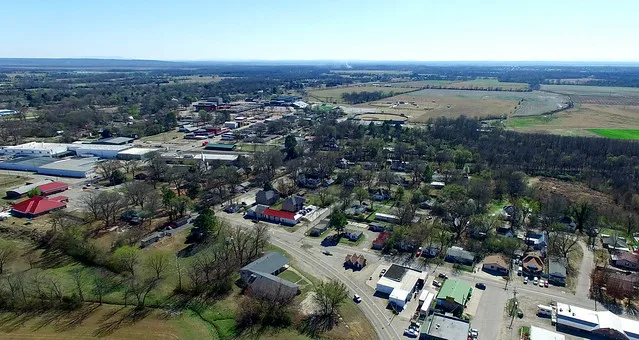
What happens in the first few hours after water spreads across a floor, smoke settles into drywall, or sewage backs up through a basement drain? Those hours shape how much of your Alma property can be saved.
Restoration work in Crawford County covers a wide span of emergencies, and each one demands a different approach, different equipment, and different drying science.
- Water Damage Restoration - extraction, structural drying, moisture mapping, and monitoring until materials return to normal readings.
- Flooded Basement Cleanup - pumping standing water, clearing saturated storage, and drying below-grade walls and slabs.
- Sewage Cleanup - containment, removal of contaminated porous materials, and antimicrobial treatment of affected surfaces.
- Fire Damage Restoration - securing the structure, removing charred debris, and coordinating repairs from framing to finishes.
- Smoke Damage Restoration - soot removal from walls and ceilings, contents cleaning, and deodorization of trapped odors.
- Mold Removal - sealing off the work zone, removing growth at the source, and treating surrounding materials.
Alma homeowners benefit from a single team handling the entire arc - from the first extraction hose to the last coat of paint. That continuity keeps documentation consistent for insurance and keeps secondary problems like mold from developing behind a rushed repair.
Common Damage Restoration Issues in Alma, Arkansas
Sitting at the foot of the Boston Mountains where Interstate 40 meets Highway 71, Alma catches runoff from higher ground and a steady dose of River Valley humidity. Both create predictable restoration problems.
What Triggers Damage Locally
- Heavy spring thunderstorms that overwhelm gutters, downspouts, and yard drainage
- Frankly Creek and Little Frog Bayou drainage areas backing up during sustained rainfall
- Hard freezes in January and February splitting supply lines in crawl spaces and exterior walls
- Aging clay or cast iron sewer laterals cracked by tree roots
- Overloaded municipal lines during downpours, pushing wastewater back into floor drains
- Kitchen fires, wood stoves, and space heaters used through cold snaps
- HVAC condensate lines clogging in July and August, soaking closets and hallways
Warning Signs Worth Acting On
- A musty smell that gets stronger after rain or when the air conditioner runs
- Baseboards that cup, separate, or feel soft to the touch
- Discoloration spreading across ceiling tiles or drywall seams
- Slow floor drains, gurgling toilets, or standing water near the cleanout
- Soot film on light switches, window frames, or air vents after a small fire
- Smoke odor that returns whenever humidity climbs
Arkansas humidity gives mold a foothold anywhere moisture lingers. A leak ignored for a week in Alma can become a remediation project by the next.
Neighborhoods We Serve in Alma
Crews respond throughout Alma and the surrounding Crawford County communities, covering older in-town blocks and newer subdivisions alike.
- Downtown Alma and the historic district near Fayetteville Avenue
- Neighborhoods surrounding Alma Intermediate, Middle, and High Schools
- Collum Lane and Mountain Grove Road corridors
- Rena Road and Highway 162 residential areas
- Subdivisions off Highway 64 toward Dyer and Mulberry
- Rural properties along Highway 348 and Lee Creek Road
Service extends to nearby Van Buren, Rudy, Kibler, Cedarville, Mountainburg, Dyer, and the greater Fort Smith metro. Familiarity with local road access matters during flood events, when low-water crossings and I-40 congestion can slow a response. Knowing alternate routes through Alma keeps equipment arriving while water is still removable rather than absorbed.
Seasonal Damage Patterns in Alma
Seasonal Damage Patterns in Alma
Restoration calls in Alma follow the calendar closely. Knowing what each season brings helps homeowners prepare instead of react.
- December through February - frozen and burst pipes dominate. Fire and smoke damage peaks alongside heating system use, wood stoves, and holiday cooking.
- March through May - severe thunderstorms, hail, and saturated ground drive flooded basements, crawl space water, and sewage backups when city lines surcharge.
- June through August - humidity and air conditioning condensation feed mold growth. Slow leaks under sinks and behind refrigerators go unnoticed during vacations.
- September through November - remnants of Gulf systems bring heavy rain, while the first furnace startups produce smoke and soot events from dust-clogged systems.
Year-Round Risks
- Water heater failures, which show no seasonal preference
- Appliance supply line ruptures behind washing machines and icemakers
- Root intrusion in sewer laterals, worst in dry stretches when roots chase moisture
- Hidden mold behind previously repaired water damage
Housing Characteristics & Restoration Considerations
Alma's housing stock spans mid-century frame homes near the town center to subdivisions built through the 1990s and 2000s as Fort Smith commuters moved north.
Common Construction Types
- Slab-on-grade ranch homes with carpet and engineered flooring
- Raised pier-and-beam houses with ventilated crawl spaces
- Partial basements and walkout foundations on sloped lots
- Brick veneer over wood framing, common across the 1970s-1990s builds
- Manufactured and modular homes on rural acreage
How Construction Shapes the Work
- Slab foundations trap moisture beneath flooring, requiring specialized mats and injection drying rather than surface air movement.
- Crawl spaces hold humid air against floor joists and subfloor, a frequent source of mold discovered only during a water loss inspection.
- Basements need dehumidification sized for cool, enclosed air where evaporation slows dramatically.
- Older plaster and lath reacts differently to soot cleaning than modern drywall and calls for gentler methods.
- Homes built before the late 1970s may contain asbestos-bearing floor tile or popcorn ceilings, requiring testing before demolition.
- Blown-in attic insulation absorbs smoke odor and usually needs removal after a fire rather than cleaning.
Documenting these details early keeps the drying plan accurate and the insurance scope defensible.
Environmental Conditions & Damage Implications
Alma sits in the Arkansas River Valley, a humid subtropical zone with roughly 47 inches of annual rainfall and long, warm summers. Those conditions influence every stage of restoration.
Climate Factors
- Summer dew points often stay in the low 70s, slowing natural drying to a crawl
- Indoor relative humidity climbs quickly once a water loss occurs, spreading moisture beyond the original wet area
- Freeze-thaw cycles in winter stress foundation walls and exterior plumbing
- Spring storm systems deliver several inches of rain in short windows
Soil and Drainage
- Clay-heavy valley soils shed water slowly and push hydrostatic pressure against basement and foundation walls
- Rocky Ozark foothill soils north of town direct fast runoff downhill toward homes
- Poor lot grading and short downspout extensions concentrate water at the foundation
Air and Water Quality Effects
- Smoke and soot particles bond more aggressively to surfaces in humid air, making prompt cleaning important
- Mineral content in local water can leave staining on materials after extraction
- Sewage backups introduce bacteria that thrive in warm, damp Arkansas conditions
- Post-fire air quality inside a home requires filtration before occupants return
Equipment selection reflects these realities - larger dehumidification capacity, longer monitoring, and air scrubbing on nearly every job.
The First 48 Hours After Water or Sewage Enters an Alma Home
Response speed decides outcomes more than any other factor. In Alma's humid climate, the window between a clean water loss and a mold problem is short.
What Happens on Arrival
- Safety assessment - electrical hazards, structural concerns, and contamination category are identified before work begins.
- Source control - the leak, backup, or intrusion point is stopped or isolated.
- Extraction - truck-mounted or portable units pull standing water from floors, carpet, and below-grade areas.
- Moisture mapping - meters and thermal imaging reveal how far water traveled inside walls and under flooring.
- Containment - for sewage or mold, plastic barriers and negative air machines keep contaminants from spreading.
- Controlled drying - air movers and dehumidifiers are placed based on the affected cubic footage.
- Daily monitoring - readings are logged until materials return to dry standard.
What Homeowners Can Do Before Crews Arrive
- Shut off the water main if a supply line failed
- Cut power to affected areas only if the panel can be reached safely
- Stay out of any space touched by sewage - Category 3 water carries real health risks
- Lift furniture legs onto blocks or foil to prevent stain transfer
- Photograph everything before moving items, for insurance documentation
- Open windows only when outdoor humidity is lower than indoor levels
After a fire, resist wiping soot from walls. Improper cleaning drives particles deeper into paint and drywall, turning a cleanable surface into one that needs replacement.
The same principle applies to mold. Bleach on a visible patch does nothing for growth inside the wall cavity, and disturbing colonies without containment scatters spores through the HVAC system into rooms that were never affected.





