
Damage Restoration in Fort Smith, AR
- Damage Restoration Services Overview
- Common Damage Restoration Issues in Fort Smith, Arkansas
- Neighborhoods We Serve in Fort Smith
- Seasonal Damage Patterns in Fort Smith
- Housing Characteristics & Restoration Considerations
- Environmental Conditions & Damage Implications
- Contents Pack-Out and Belongings Restoration in the River Valley
Damage Restoration Services Overview
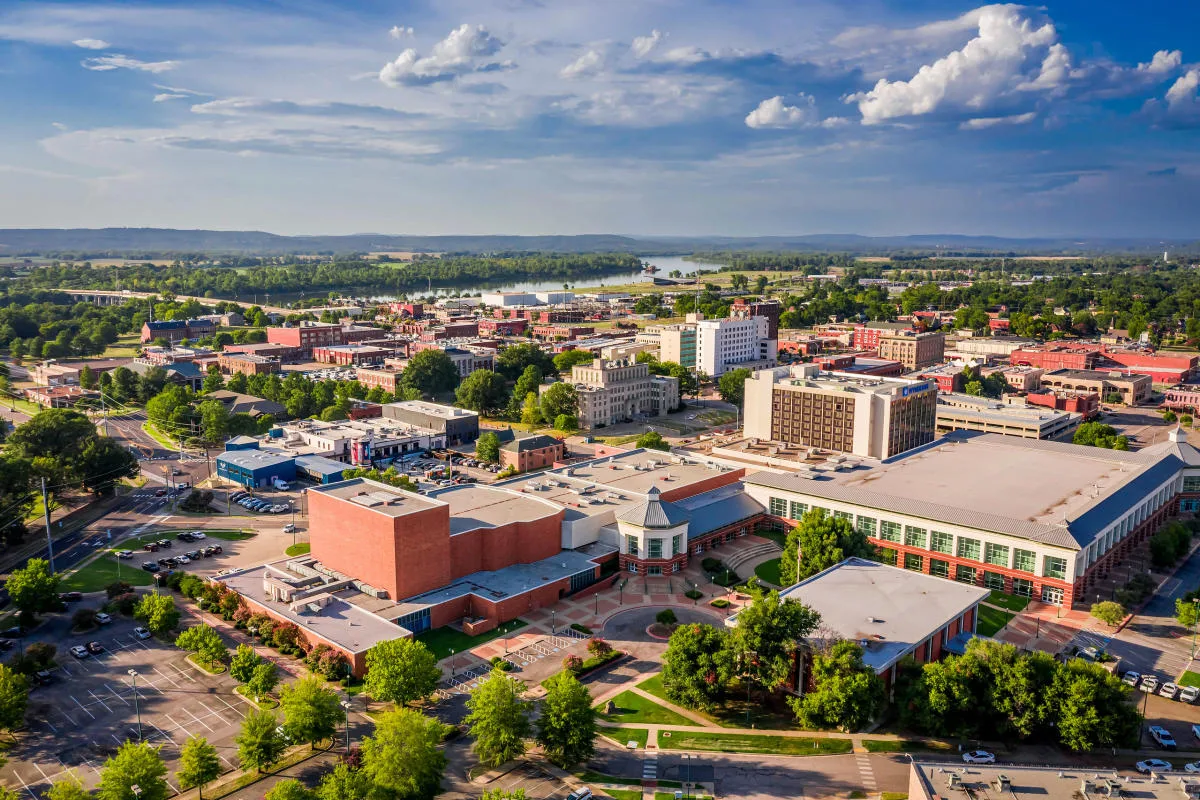
What would you do if you walked into your Fort Smith home tomorrow morning and found two inches of water across the basement floor - or the smell of smoke still hanging in the hallway after a kitchen fire? Property damage rarely announces itself, and the hours immediately following an incident shape how much of your home and belongings can be saved.
Restoration professionals serving the River Valley respond around the clock to a full range of property emergencies:
- Water Damage Restoration - burst supply lines, appliance failures, roof leaks, and storm intrusion
- Flooded Basement - groundwater seepage, sump pump failure, and foundation wall infiltration
- Sewage Cleanup - backed-up mains, septic overflow, and contaminated Category 3 water
- Fire Damage Restoration - structural cleaning, debris removal, board-up, and reconstruction
- Smoke Damage Restoration - soot removal, odor neutralization, and HVAC decontamination
- Mold Removal - containment, air filtration, and removal of affected materials
Key benefits for Fort Smith property owners include faster drying that limits secondary damage, documentation that supports insurance claims, and contents care. Furniture, appliances, family keepsakes, and business records can be packed out and moved to a secure storage and restoration facility, cleaned there, and held safely until your home is ready.
Common Damage Restoration Issues in Fort Smith, Arkansas
Sitting where the Arkansas and Poteau Rivers meet, Fort Smith deals with a combination of river flooding, flash storms, humid summers, and cold snaps that stress plumbing. Each creates a distinct restoration challenge.
Frequent Causes of Damage
- Spring thunderstorms and straight-line winds that tear shingles loose, allowing water into attics and ceilings
- Rapid rises on the Arkansas River and its tributaries pushing water toward low-lying properties
- Saturated clay soils forcing groundwater through basement walls and foundation cracks
- Sump pump failures during multi-day rain events, leading to flooded basements
- Sanitary sewer surcharges during heavy rainfall, producing sewage backups through floor drains
- Winter freeze-thaw cycles bursting pipes in crawl spaces, garages, and exterior walls
- Kitchen grease fires and space heater incidents that spread smoke throughout ductwork
- Chronic humidity feeding mold behind baseboards, under vinyl flooring, and inside wall cavities
Warning Signs Worth Acting On
- Musty or earthy odors that intensify after rain or when the HVAC runs
- Buckled hardwood, cupping laminate, or carpet that stays cool and damp underfoot
- Tide lines, bubbling paint, or brown staining on drywall and ceilings
- Gurgling drains, slow toilets, or water backing up when the washing machine drains
- Soot film on windowsills, plastics, or light fixtures long after a small fire
- Allergy-like symptoms that improve when you leave the house
Excess moisture in carpet and flooring also contributes to foundation cracking, weakened structural supports, poorer indoor air quality, and dust and mold growth - reasons why quick extraction matters more than surface drying.
Neighborhoods We Serve in Fort Smith
Crews cover the full city and the surrounding River Valley, including:
- Downtown and the Belle Grove Historic District - older masonry and wood-frame structures needing careful, material-specific drying
- Fianna Hills and Chaffee Crossing - hillside drainage issues and newer slab construction
- Massard, Cliff Drive, and the Free Ferry corridor - mature trees, storm debris, and aging supply lines
- Sunnymede, Park Hill, and Fort Smith's north side - mid-century homes with crawl spaces
- Barling, Greenwood, Bonanza, Lavaca, and Alma
- Van Buren, Rudy, Mulberry, and Cedarville across the river
- Roland, Moffett, and Pocola in eastern Oklahoma
Service extends to residential properties, retail spaces along Rogers Avenue and Zero Street, industrial facilities near Chaffee Crossing, schools, churches, and multi-unit housing throughout Sebastian and Crawford counties.
Seasonal Damage Patterns in Fort Smith
Winter (December - February)
- Frozen and burst pipes in unheated crawl spaces, attics, and garages
- Ice storms bringing limb damage and roof leaks
- Heating equipment, fireplace, and space heater fires with widespread smoke damage
Spring (March - May)
- Peak season for flooded basements as rainfall totals climb
- Severe thunderstorms, hail, and tornado activity driving wind-driven rain indoors
- Sewage backups when heavy rain overloads municipal lines
Summer (June - August)
- High humidity plus air conditioning condensation triggering mold growth
- Air handler and condensate drain overflows soaking ceilings and closets
- Lightning strikes causing attic and electrical fires
Fall (September - November)
- Clogged gutters from leaf drop pushing water against foundations
- Remnants of Gulf systems delivering sustained rainfall
- Furnace startup releasing dust, soot, and odors from unmaintained systems
Mold remediation calls follow water events by roughly two to four weeks, which is why documented drying after any spring or summer loss pays off later.
Housing Characteristics & Restoration Considerations
Fort Smith's housing stock spans more than a century, and construction era dictates how a property responds to water, fire, and mold.
Common Construction Types
- Pre-1940 historic homes - brick and stone masonry, plaster over wood lath, balloon framing that lets smoke and fire travel vertically between floors
- 1940s-1970s ranch and bungalow homes - crawl space foundations, hardwood or original tile, aging cast iron and galvanized drain lines prone to sewage backups
- 1980s-2000s subdivisions - slab-on-grade, carpeted living areas, polybutylene or early PVC supply lines
- Newer Chaffee Crossing and Fianna Hills builds - tighter envelopes, engineered flooring, and spray foam or dense insulation that traps moisture
How Age Affects the Restoration Approach
- Plaster and lath hold moisture far longer than modern drywall and require extended drying with targeted air movement.
- Homes built before the late 1970s may contain asbestos-containing materials or lead paint, calling for testing before demolition.
- Crawl spaces with vapor barrier gaps become mold reservoirs after even minor plumbing leaks.
- Finished basements and daylight basements on sloped lots need wall cavity drying, not just surface extraction.
- Original hardwood floors often respond to specialty drying mats rather than replacement.
- Older ductwork spreads soot and odor throughout a house after a contained kitchen fire, requiring full HVAC cleaning.
Environmental Conditions & Damage Implications
Fort Smith's humid subtropical climate delivers roughly 45 inches of rain annually, hot summers, and enough winter variability to freeze exposed plumbing several times a season. Those conditions shape every restoration plan.
Local Environmental Factors
- Humidity - Summer dew points regularly sit in the 70s, so structures rarely dry on their own without dehumidification.
- Expansive clay soils - Common in the River Valley, they swell when wet and shrink in drought, cracking foundations and creating entry points for groundwater.
- River proximity - Arkansas and Poteau River flooding introduces silt, agricultural runoff, and bacteria that classify floodwater as contaminated.
- Groundwater table - Shallow in lower elevations, keeping basements and crawl spaces damp much of the year.
- Pollen and airborne particulates - Heavy spring loads settle in HVAC systems, worsening indoor air quality after smoke or mold events.
What This Means for Each Service
- Water losses need aggressive dehumidification with moisture readings logged daily, not simply fans running.
- Flooded basements often require drilling weep holes and drying wall cavities behind finished surfaces.
- Sewage cleanup involves removal of porous materials, antimicrobial treatment, and verification cleaning.
- Fire and smoke work includes HVAC decontamination and thermal fogging, since humidity locks odors into porous materials.
- Mold projects use containment barriers and negative air pressure to keep spores out of unaffected rooms.
Contents Pack-Out and Belongings Restoration in the River Valley
Damage to a Fort Smith property is only half the story. What sits inside - a dining set passed down three generations, a home office full of client files, the appliances that keep a small business running - often carries more value than the drywall around it.
How the Pack-Out Process Works
- On-site evaluation - Technicians identify which items are salvageable, which need specialty treatment, and which must be documented as a loss.
- Detailed inventory - Every item is photographed, tagged, and logged, creating a record that supports your insurance claim.
- Careful packing - Fragile pieces, electronics, and documents are wrapped and crated for transport.
- Transport to a secure facility - Belongings move to a climate-controlled storage and restoration facility away from the damaged structure.
- Specialty cleaning - Ultrasonic cleaning, ozone treatment, textile laundering, and document drying are applied based on the material and type of damage.
- Storage until ready - Items stay protected while structural drying, remediation, or reconstruction finishes at your property.
- Return and placement - Contents come back and are set in place once the home or business is safe to occupy.
Items Commonly Restored
- Upholstered furniture, rugs, and window treatments affected by smoke odor
- Wood furniture with water staining or soot film
- Clothing, linens, and soft goods requiring specialty textile cleaning
- Electronics and appliances needing corrosion mitigation after a fire
- Business records, photographs, books, and artwork
- Dishes, cookware, and hard goods exposed to sewage or floodwater
Technicians handling this work train at the corporate training facility and maintain IICRC certifications through ongoing education, keeping methods current for water, fire, mold, and storm losses. Removing contents early also opens floor space, letting drying equipment reach walls and subfloors that would otherwise stay wet - a practical advantage in homes across Fort Smith, Barling, Van Buren, and Greenwood.





