
Damage Restoration in Hurricane, WV
- Damage Restoration Services Overview
- Common Damage Restoration Issues in Hurricane, West Virginia
- Neighborhoods We Serve in Hurricane
- Seasonal Damage Patterns in Hurricane
- Housing Characteristics & Restoration Considerations
- Environmental Conditions & Damage Implications
- Storm Response and Insurance Documentation in Putnam County
Damage Restoration Services Overview
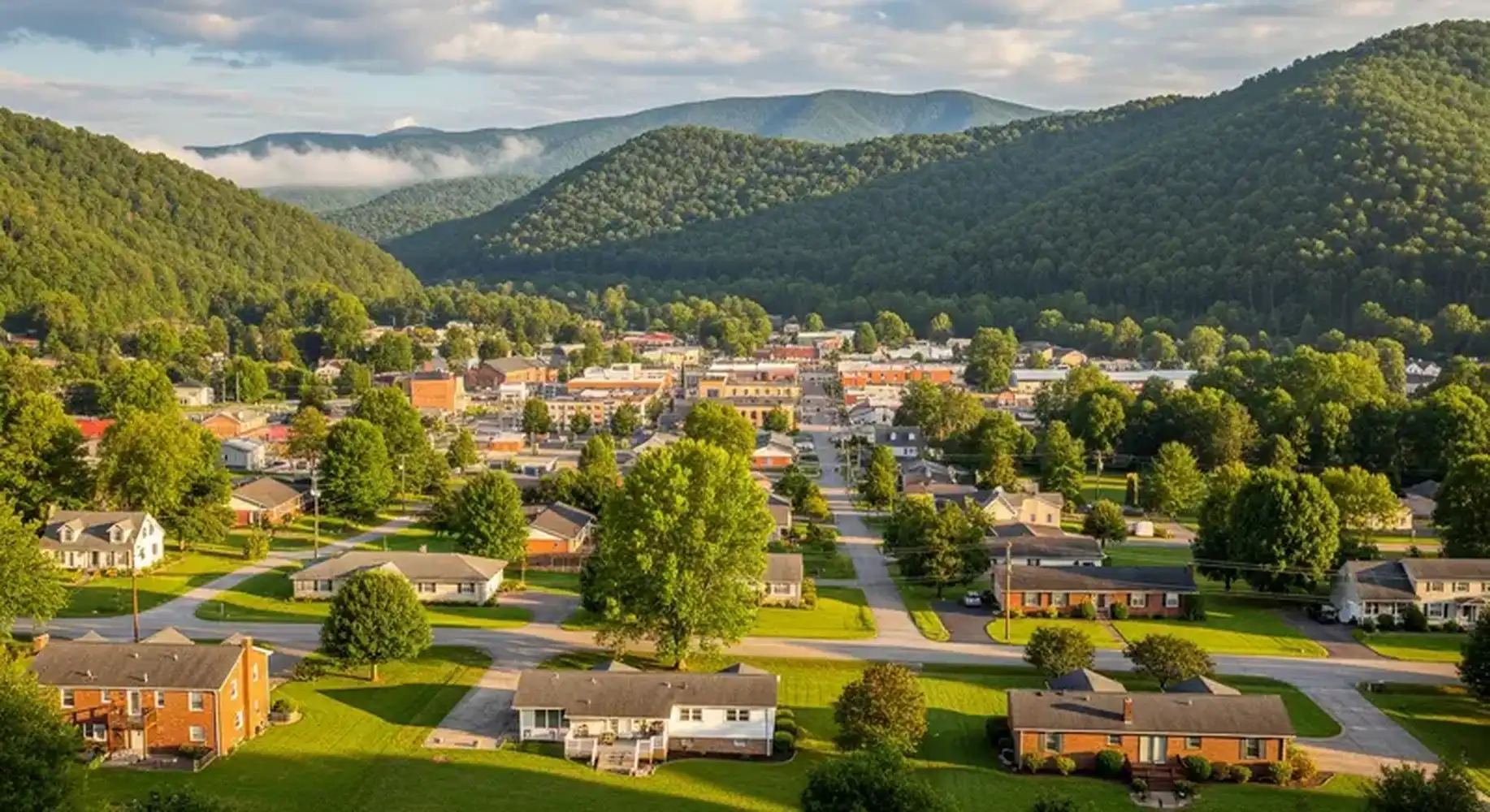
Water spreads through drywall, subfloor, and framing within minutes of a pipe failure or storm surge. In Hurricane, West Virginia, the difference between a manageable cleanup and a full reconstruction project often comes down to how fast drying equipment arrives on site.
Restoration work here covers a connected set of emergencies that frequently overlap. A single storm event can produce standing water, a sewer backup, and mold growth within the same week.
- Water Damage Restoration - extraction, structural drying, moisture mapping, and monitoring until materials return to dry standard.
- Flooded Basement - pump-out, contents removal, sanitizing, and correction of the moisture source through waterproofing or drainage improvements.
- Sewage Cleanup - containment of Category 3 water, removal of contaminated porous materials, and antimicrobial treatment of hard surfaces.
- Fire Damage Restoration - board-up, debris removal, soot cleanup, and structural repair of charred framing and finishes.
- Smoke Damage Restoration - odor neutralization, HVAC cleaning, and treatment of surfaces where residue has settled far from the burn area.
- Mold Removal - containment barriers, negative air pressure, removal of colonized material, and clearance verification.
Benefits for Putnam County homeowners include documented moisture readings for insurance adjusters, reduced secondary damage, protection of indoor air quality, and preservation of hardwood, cabinetry, and personal belongings that would otherwise be discarded.
Common Damage Restoration Issues in Hurricane, West Virginia
Hurricane sits in the Teays Valley between the Kanawha River corridor and rolling Appalachian hillsides. That geography drives most of the damage patterns local crews respond to.
Local Causes of Property Damage
- Heavy rainfall running off hillside lots into low-lying yards and basement window wells
- Kanawha and Mud River backwater during extended wet stretches
- Aging clay and cast-iron sewer laterals that crack under root pressure, causing backups
- Frozen and burst supply lines in crawl spaces during January cold snaps
- Sump pump failures during power outages from wind and ice storms
- Chimney, wood stove, and space heater fires during heating season
- Kitchen grease fires that push smoke through open floor plans and return ducts
Warning Signs Worth Acting On
- Musty odor in a finished basement or along baseboards - often the first mold indicator
- Cupping or crowning hardwood planks above a crawl space
- Efflorescence, the white chalky residue, on block foundation walls
- Gurgling floor drains or slow tub drainage before a sewage backup
- Yellow-brown staining on ceilings under bathrooms or roof valleys
- Persistent smoke odor that returns when the furnace or AC cycles on
- Condensation on ductwork or windows during humid summer months
Damage rarely stays isolated. Untreated water behind a wall becomes mold within days, and smoke residue left on surfaces becomes acidic and etches metal, glass, and finishes.
Neighborhoods We Serve in Hurricane
Crews cover Hurricane proper and the surrounding Putnam County communities along the I-64 corridor.
- Downtown Hurricane - older homes near Main Street and Putnam Avenue with basements and original plumbing
- Teays Valley - newer subdivisions, finished basements, and slab-on-grade builds
- Hurricane Creek and Sunrise areas - hillside properties with drainage and runoff concerns
- Scott Depot - residential developments near Route 34 and the Putnam Village corridor
- Winfield and Bancroft - riverside properties vulnerable to backwater flooding
- Culloden and Milton edge - mixed rural and residential along the Cabell County line
- Nitro, Poca, and St. Albans - nearby Kanawha corridor communities
Response also extends to commercial properties along Hurricane's retail corridors, churches, schools, and multi-unit rentals throughout Putnam County.
Seasonal Damage Patterns in Hurricane
Winter (December - February)
- Burst pipes in unheated crawl spaces and exterior walls
- Ice damming along low-slope roof edges
- Heating-related fire and smoke damage from wood stoves and furnaces
- Puff-back soot from oil and forced-air systems
Spring (March - May)
- Peak season for flooded basements from saturated ground and snowmelt
- Sewage backups as combined systems and laterals overload
- Sump pump failures during sustained rainfall
- Mold growth beginning as temperatures climb above 60 degrees
Summer (June - August)
- Highest mold removal demand - humidity regularly exceeds 70 percent
- Storm-driven roof leaks and wind damage from severe thunderstorm cells
- Condensation damage in crawl spaces and around ductwork
- AC condensate line clogs causing hidden ceiling and wall water damage
Fall (September - November)
- Remnants of tropical systems tracking up the Ohio Valley
- Clogged gutters from leaf fall pushing water against foundations
- Early-season chimney fires when flues are used before cleaning
Housing Characteristics & Restoration Considerations
Hurricane's housing stock spans well over a century, and each construction era responds differently to water, fire, and mold.
Older Homes (pre-1960)
- Plaster and lath walls that hold moisture longer than drywall and require careful drying rather than immediate demolition
- Unsealed dirt or partial-block crawl spaces that feed humidity into living space
- Original hardwood floors worth saving with mat drying systems
- Knob-and-tube or early wiring that complicates fire damage repair
- Possible asbestos in floor tile, pipe wrap, and joint compound - requiring testing before demolition
Mid-Century and 1970s - 1990s Builds
- Block foundation basements with hydrostatic pressure seepage at the cove joint
- Galvanized and early polybutylene supply lines prone to failure
- Fiberglass batt insulation in crawl spaces that traps moisture against joists
- Paneled basement walls hiding mold growth behind them
Newer Teays Valley Construction
- Finished basements with carpet, drywall, and built-ins that raise flooded basement losses
- Tighter building envelopes that hold smoke odor and humidity indoors
- Engineered wood subfloor and OSB that delaminates quickly when wet
- Open floor plans that let smoke residue travel across the entire main level
Restoration planning always starts with identifying construction type, because drying a plaster wall, an OSB subfloor, and a block foundation each demands different equipment placement and timelines.
Environmental Conditions & Damage Implications
The Teays Valley climate creates conditions that favor mold and slow natural drying.
Climate Factors
- Annual precipitation in the low-to-mid 40-inch range, spread across all seasons
- Summer dew points frequently in the upper 60s, keeping indoor humidity elevated
- Valley inversions that trap moisture and airborne particulate, including post-fire smoke residue
- Freeze-thaw cycling that widens foundation cracks year after year
Soil and Groundwater
- Clay-heavy and silty valley soils that drain slowly and hold water against foundation walls
- Alluvial deposits near the Kanawha and Mud Rivers with fluctuating water tables
- Hillside runoff channeling toward homes built into slopes
- Shallow bedrock in some areas forcing water laterally instead of downward
What This Means for Restoration
- Dehumidification loads run higher than in drier regions, so equipment often stays longer
- Mold spores are always present in ambient air - controlling humidity below 55 percent is the practical defense
- Flood and river-adjacent water is treated as contaminated, requiring sewage-grade protocols
- Smoke odor lingers in humid air because moisture reopens porous surfaces that absorbed residue
- Crawl space encapsulation and vapor barriers deliver measurable long-term benefit in this soil profile
Storm Response and Insurance Documentation in Putnam County
Severe weather in Hurricane rarely produces a single type of loss. One overnight system can drop three inches of rain, knock out power to a sump pump, back up a sewer lateral, and leave a roof breach that soaks two floors.
What Happens After the Call
- Emergency stabilization - power shutoff verification, tarping, board-up, and standing water extraction
- Category and class assessment - determining whether water is clean, gray, or sewage-contaminated, which dictates every step that follows
- Moisture mapping - thermal imaging and penetrating meters to locate water behind walls and under flooring
- Containment - negative air machines and poly barriers when mold or contaminated water is present
- Controlled drying - air movers and commercial dehumidifiers positioned by room volume and material type
- Daily monitoring - readings logged until materials hit dry standard, not just until surfaces feel dry
- Cleaning and restoration - antimicrobial application, soot and odor treatment, and rebuild of removed materials
Documentation That Supports a Claim
- Time-stamped photos of pre-mitigation conditions in every affected room
- Daily moisture logs showing progress toward drying goals
- Written scope of removed materials and equipment used
- Contents inventory for items requiring cleaning, storage, or disposal
- Air sampling results when mold remediation is part of the scope
Steps Homeowners Can Take Immediately
- Shut off water at the main if a pipe has failed
- Stay out of any area with standing water and active electrical service
- Avoid contact with sewage water entirely - it carries bacteria and viruses
- Do not run household fans through smoke-damaged rooms, which spreads soot
- Photograph everything before moving items
- Notify the insurance carrier the same day the damage is discovered
Coordinating mitigation and claim documentation together keeps the restoration moving and reduces disputes over what caused the loss and what it will take to make the property whole again.





