
Damage Restoration in Truckee, CA
- Damage Restoration Services Overview
- Common Damage Restoration Issues in Truckee, California
- Neighborhoods We Serve in Truckee
- Seasonal Damage Patterns in Truckee
- Seasonal Damage Patterns in Truckee
- Housing Characteristics & Restoration Considerations
- Environmental Conditions & Damage Implications
- Protecting Vacation Homes and Second Properties in Truckee
Damage Restoration Services Overview
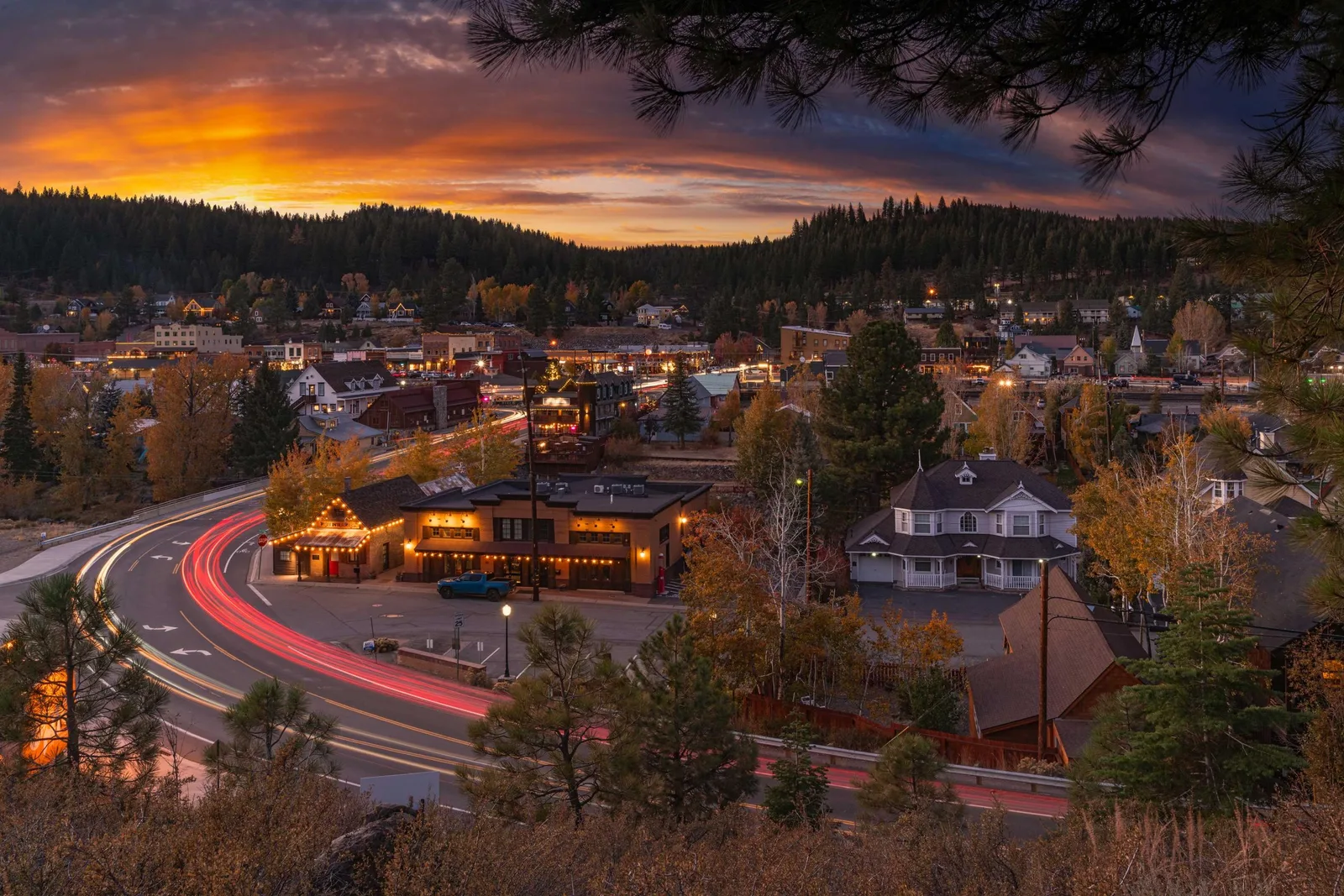
Few things rattle a homeowner like walking into a basement full of snowmelt or smelling smoke long after a fire is out. In Truckee, where winters run long and mountain properties sit empty for weeks at a time, damage often goes unnoticed until it has already spread through framing, insulation, and finishes.
Restoration work in this area covers a connected set of services, each addressing a different stage or type of loss:
- Water Damage Restoration - extraction, structural drying, and moisture mapping after pipe breaks, ice dams, appliance failures, and roof leaks.
- Flooded Basement - pumping standing water, drying below-grade walls and slabs, and addressing the drainage issues that caused the intrusion.
- Sewage Cleanup - removal of contaminated material, disinfection, and safe disposal after septic backups or main line failures.
- Fire Damage Restoration - board-up, debris removal, structural cleaning, and rebuilding of damaged areas.
- Smoke Damage Restoration - soot removal, odor neutralization, and HVAC decontamination, including damage from regional wildfire smoke.
- Mold Removal - containment, removal of colonized materials, and drying to prevent regrowth.
Local crews work around the clock because emergencies here rarely happen at convenient hours. Same-day response matters when temperatures drop below freezing and a wet structure can turn into a frozen one overnight.
Common Damage Restoration Issues in Truckee, California
Truckee sits above 5,800 feet with heavy annual snowfall, dramatic freeze-thaw swings, and a fire-prone summer season. That combination produces a distinct set of property losses.
Frequent Causes of Damage
- Frozen and burst pipes - unheated crawl spaces, garages, and vacation homes left at low thermostat settings.
- Ice dams - meltwater backing up under shingles and running down interior walls.
- Snowmelt intrusion - spring runoff pushing through foundation cracks and window wells into lower levels.
- Roof and deck overload - heavy snow loads stressing structures and creating leak points.
- Septic and sewer backups - frozen or saturated leach fields, and root intrusion in older laterals.
- Wood stove and chimney fires - creosote buildup in homes relying on wood heat.
- Wildfire smoke infiltration - fine soot and odor entering through vents and attic spaces.
Warning Signs Worth Acting On
- Staining, bubbling paint, or sagging drywall along exterior walls and ceilings
- Musty odors in closets, crawl spaces, or finished basements
- Slow drains, gurgling fixtures, or sewage odor near cleanouts
- Unexplained spikes in water usage during the winter
- Persistent smoke smell that returns when the heat kicks on
- Warped flooring or cupped hardwood near entryways and mudrooms
Because moisture can hide behind mountain-grade insulation for months, mold growth is often the first visible symptom of a much older water problem.
Neighborhoods We Serve in Truckee
Coverage extends across the town and into the surrounding Tahoe-Donner corridor, with crews familiar with the access challenges of steep driveways and snow-covered roads.
- Tahoe Donner - large cabin inventory, many used as second homes
- Donner Lake and Donner Pass - older lakefront cabins and high snowfall totals
- Glenshire and Devonshire - established residential streets with mixed home ages
- Downtown Truckee and the Historic District - century-old commercial and mixed-use buildings
- Prosser Lakeview and Prosser Heights - forested lots with septic systems
- Gray's Crossing, Old Greenwood, and Schaffer's Mill - newer luxury construction
- Sierra Meadows, Ponderosa Palisades, and Armstrong Tract
- Martis Camp and Lahontan
Nearby service also reaches Kings Beach, Tahoe City, Northstar, Soda Springs, and the Highway 89 and 267 corridors.
Seasonal Damage Patterns in Truckee
Seasonal Damage Patterns in Truckee
Each season brings its own dominant loss type, and knowing the pattern helps property owners prepare before the call becomes urgent.
- November through February - peak season for frozen and burst pipes, ice dams, and heating-related fires. Wood stove and chimney incidents rise sharply as temperatures drop.
- March through May - snowmelt season drives flooded basements, crawl space saturation, and foundation seepage. Septic backups follow as leach fields become waterlogged.
- June through August - warming temperatures accelerate mold growth in materials that stayed damp through spring. Wildfire season begins, bringing smoke damage calls even to homes far from active burns.
- September through October - lingering smoke odor remediation, chimney inspections, and pre-winter drying of any unresolved moisture.
Timing Considerations for Second Homes
- Damage discovered on arrival is often weeks old, expanding the scope of drying and mold work
- Pre-season winterization checks reduce burst pipe frequency
- Post-storm roof and gutter reviews limit ice dam formation
- Air filtration upgrades before wildfire season cut soot infiltration
Housing Characteristics & Restoration Considerations
Truckee's housing stock spans more than a century, from railroad-era buildings downtown to high-performance mountain modern homes built in the last decade. Construction type strongly influences how water, smoke, and mold behave inside a structure.
Common Building Types and Their Restoration Impact
- Historic downtown structures - lath and plaster, limited vapor barriers, and shared walls that let smoke and moisture travel between units. Cleaning must be gentle enough to preserve original materials.
- 1960s-1980s A-frames and cabins - tongue-and-groove ceilings, exposed beams, and crawl spaces. Water tracks along beams and pools in crawl areas where it goes undetected.
- 1990s-2000s tract homes - finished lower levels with carpet and drywall that are highly vulnerable to snowmelt flooding.
- Recent luxury construction - tight building envelopes, spray foam insulation, and radiant floor heating. Excellent for energy use, but trapped moisture dries slowly and radiant tubing leaks are hard to locate.
Practical Restoration Notes
- Snow-country roofs with metal panels and heavy insulation require attic moisture testing after any leak
- Crawl space vapor barriers frequently hide standing water and need full inspection
- Timber and log finishes call for specialized soot cleaning rather than aggressive abrasives
- Septic-served properties need extra care during sewage cleanup, including soil and drainage assessment
- Multi-level homes built into slopes concentrate water at the lowest finished level
Environmental Conditions & Damage Implications
The high Sierra environment shapes nearly every restoration decision made here - drying times, equipment selection, and how quickly mold can take hold.
Climate Factors
- Heavy snowfall - often measured in hundreds of inches per season, creating sustained roof and foundation loading
- Freeze-thaw cycling - daily temperature swings that crack foundations, widen masonry joints, and stress plumbing
- Low humidity in summer - helpful for drying, but it can mask pockets of trapped moisture inside wall cavities
- Altitude effects - thinner air changes dehumidifier and air mover performance, requiring adjusted equipment counts
Air and Water Conditions
- Wildfire smoke events push fine particulate deep into HVAC systems, attic insulation, and soft furnishings
- Wood heat is widespread, adding routine soot and creosote residue to indoor surfaces
- Granite and decomposed granite soils drain quickly in some areas and channel water directly against foundations in others
- Shallow bedrock in parts of town limits absorption, sending runoff toward basements and crawl spaces
- High groundwater during peak melt raises hydrostatic pressure on below-grade walls
Effect on Mold Risk
- Cold cavity surfaces meeting warm interior air create condensation behind finishes
- Closed-up vacation homes lack air exchange, letting spores establish quietly
- Insulated crawl spaces hold moisture far longer than exposed ones
Protecting Vacation Homes and Second Properties in Truckee
A large share of Truckee properties sit unoccupied for stretches of the winter. That single fact changes the restoration conversation more than anything else, because damage that would be caught in hours at an occupied home may run undetected for weeks at a cabin.
Why Unoccupied Homes See Larger Losses
- A pinhole pipe leak can release thousands of gallons before anyone arrives
- Heat left off allows freezing throughout supply lines and drain traps
- Sewage backups sit and saturate flooring, multiplying contamination
- Mold colonies establish across framing, insulation, and subfloor before discovery
- Smoke odor from a nearby fire settles and bonds to surfaces without ventilation
Steps That Reduce Risk
- Maintain a minimum interior temperature rather than shutting heat off entirely.
- Install water leak sensors near water heaters, washing machines, and under sinks, paired with an automatic shutoff valve.
- Arrange regular property checks with a caretaker or neighbor during storm cycles.
- Clear roof valleys and gutters before major snow accumulation.
- Service the septic system and chimney annually.
- Keep documentation of your policy, shutoff locations, and gate or lock codes accessible to responders.
What Clear Communication Looks Like
Remote owners cannot always be on site, so transparency carries extra weight. Reputable local crews provide photo and video documentation at each stage, written moisture readings taken daily, and a plainly worded scope explaining what is being removed, dried, or replaced and why.
- Direct coordination with your insurance adjuster, including itemized documentation
- Explanation of drying progress in terms you can verify, not jargon
- Advance notice before any demolition or material removal
- A single point of contact from first response through reconstruction
Truckee crews operate 24 hours a day, understand mountain access in deep snow, and can begin stabilization the same day you call - which is often the difference between a contained repair and a gutted structure.





