
Damage Restoration in Alta Sierra, CA
- Damage Restoration Services Overview
- Common Damage Restoration Issues in Alta Sierra, California
- Neighborhoods We Serve in Alta Sierra
- Seasonal Damage Patterns in Alta Sierra
- Housing Characteristics & Restoration Considerations
- Environmental Conditions & Damage Implications
- Wildfire Smoke, Storm Response, and Emergency Access in the Foothills
Damage Restoration Services Overview
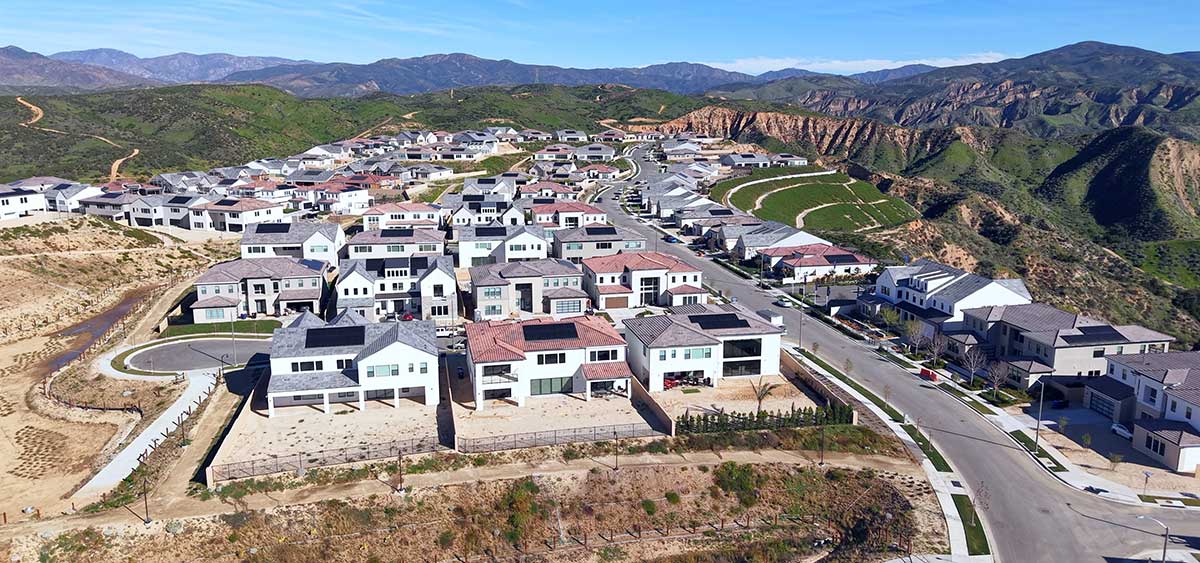
Alta Sierra sits inside one of Nevada County's most heavily wooded residential corridors - a setting where mature pines and oaks shade nearly every rooftop. That same canopy that makes the community beautiful also drops limbs on roofs, clogs gutters, and feeds wildfire fuel loads during dry summers.
Property damage here rarely arrives politely. A saturated slope pushes groundwater into a daylight basement, a well pump fails at 2 a.m., or smoke from a regional fire settles into attic insulation and HVAC ductwork.
Restoration services available to Alta Sierra homeowners cover the full spectrum of emergencies:
- Water Damage Restoration - extraction, structural drying, and moisture mapping after pipe breaks, appliance failures, and roof leaks
- Flooded Basement - pump-out, sump troubleshooting, and drying of below-grade and daylight basement spaces
- Sewage Cleanup - septic backup removal, contaminated material disposal, and antimicrobial treatment
- Fire Damage Restoration - debris removal, structural stabilization, and contents recovery
- Smoke Damage Restoration - soot removal, odor neutralization, and duct cleaning after wildfire or structure fires
- Mold Removal - containment, HEPA filtration, and removal of colonized building materials
Acting quickly protects framing, drywall, flooring, and indoor air quality - and keeps a small loss from becoming a full rebuild.
Common Damage Restoration Issues in Alta Sierra, California
Foothill elevation, decomposed granite soils, and heavy tree cover combine to create damage patterns you won't see in valley towns like Roseville or Sacramento.
What Causes Damage Here
- Atmospheric river storms - saturated ground pushes hydrostatic pressure against foundations and basement walls
- Tree failure - residents have watched pines "break in half, completely" during wind events, opening roofs to rain intrusion
- Septic system overload - most parcels rely on septic, and heavy rain or root intrusion can force sewage backups indoors
- Wildfire and regional smoke - Nevada County's fire history means ash and soot infiltration is a recurring seasonal concern
- Frozen or burst pipes - higher elevation cold snaps affect crawlspace plumbing and exterior hose bibs
- Well and pressure tank failures - a ruptured line can release hundreds of gallons before anyone notices
Warning Signs Worth Investigating
- Musty odors in crawlspaces, closets, or lower-level rooms
- Cupping, crowning, or darkening in hardwood flooring - a frequent early water indicator in older foothill homes
- Staining along baseboards, subfloor edges, or ceiling seams
- Slow drains or gurgling fixtures signaling septic distress
- Lingering campfire-like odor that intensifies when heating or cooling runs
- Efflorescence or white crystalline deposits on concrete foundation walls
- Visible growth behind furniture placed against exterior walls
Any of these deserve a moisture reading before repairs begin. Cosmetic patching over a wet cavity almost always leads to mold remediation later.
Neighborhoods We Serve in Alta Sierra
Coverage extends across the Alta Sierra community and the surrounding Nevada County foothills, including hillside parcels with limited access.
- Alta Sierra Estates and the areas surrounding the Alta Sierra Country Club and golf course
- Homes along Alta Sierra Drive, Norlene Way, and Tammy Way
- Dog Bar Road and Lime Kiln Road corridors
- Wolf Road and Combie Road neighborhoods toward Lake of the Pines
- Rattlesnake Road and Bear River area properties
- Nearby Grass Valley, Nevada City, Penn Valley, and Chicago Park
- Auburn, Meadow Vista, and northern Placer County communities
Steep driveways, gravel access roads, and long private lanes are routine in this area. Equipment staging, hose runs, and generator placement get planned around the realities of foothill terrain rather than assuming curbside parking.
Seasonal Damage Patterns in Alta Sierra
Winter (December - February)
- Peak season for flooded basements and crawlspace saturation
- Burst supply lines during cold snaps at higher elevations
- Roof leaks from wind-thrown limbs and ice dam formation on shaded slopes
- Septic backups when leach fields become waterlogged
Spring (March - May)
- Snowmelt and continued runoff keep groundwater levels high
- Mold growth accelerates as temperatures climb into damp structures
- Hidden winter leaks reveal themselves through odor and staining
Summer (June - September)
- Highest wildfire risk - fire and smoke damage restoration demand peaks
- Regional smoke events deposit soot in attics, ducts, and soft furnishings
- Air conditioning condensate line clogs cause ceiling and closet water damage
Fall (October - November)
- First storms hit gutters still packed with pine needles and oak litter
- Overflow water channels against foundations
- Ideal window for pre-season drainage, sump, and defensible space checks
Housing Characteristics & Restoration Considerations
Alta Sierra developed largely from the 1960s onward as a golf-oriented residential community, with continued building through the 1980s, 1990s, and 2000s. The result is a mixed housing stock on large, wooded lots.
Common Construction Features
- Wood-frame ranch and multi-level homes built into sloped terrain
- Daylight basements and partial below-grade rooms cut into hillsides
- Raised foundations with vented crawlspaces
- Cedar, T1-11, and wood siding with composition or shake roofing
- Original hardwood flooring in many mid-century and custom homes
- Private wells, septic systems, and propane service
How Age and Design Affect Restoration
- Crawlspaces trap moisture and become the first place mold establishes after a plumbing leak
- Hardwood floors require controlled drying with mats and dehumidification - refinishing and board replacement often follow rather than full teardown
- Homes built before 1985 may contain asbestos-bearing textures, vinyl flooring, or lead paint requiring testing before demolition
- Split-level layouts allow water to migrate down stairwells into finished lower levels
- Wood siding and eaves absorb smoke odor and need specialized cleaning after fire events
- Septic-served properties demand different sewage cleanup protocols than municipal sewer homes
Documenting materials before removal protects insurance claims and keeps custom finishes - hand-scraped floors, tongue-and-groove ceilings, stonework - recoverable where possible.
Environmental Conditions & Damage Implications
Sitting around 2,500 feet in the Sierra Nevada foothills, Alta Sierra receives significantly more annual precipitation than the valley below - often exceeding 50 inches in wet years.
Climate and Moisture
- Wet, cool winters and hot, arid summers create extreme humidity swings
- Dense canopy keeps north-facing walls and crawlspaces shaded and damp year-round
- Shoulder-season condensation drives mold growth inside wall cavities
Soil and Drainage
- Decomposed granite and clay-loam soils drain unevenly across a single parcel
- Clay lenses hold water against foundation footings during prolonged rain
- Slope-cut building pads channel runoff toward downhill structures
- Poor perimeter drainage is the leading contributor to repeat basement flooding
Air Quality and Fire
- Wildfire seasons produce extended periods of degraded air quality
- Fine particulate infiltrates attics, ductwork, upholstery, and insulation
- Smoke odor bonds to porous materials and returns when humidity rises
Water Supply
- Well water with elevated iron or mineral content stains materials during flooding
- Septic systems near saturated soils raise contamination risk during backups
- Pressure tank and pump failures are a common overlooked water loss source
Restoration planning that accounts for these conditions produces drier, more durable results than generic drying protocols.
Wildfire Smoke, Storm Response, and Emergency Access in the Foothills
Two threats define restoration work in Alta Sierra: fire from above in summer, water from above in winter. Both are complicated by the same factor - remote, tree-lined access roads.
Smoke Damage Beyond the Burn Zone
Homes miles from a fire perimeter still suffer real damage. Smoke travels, settles, and embeds.
- Ash accumulates in attic insulation and on HVAC coils
- Soot films coat windows, artwork, and electronics
- Odor reactivates during warm, humid weather
- Return-air systems circulate particulate through the whole house
Proper smoke damage restoration includes duct cleaning, HEPA vacuuming, surface cleaning with appropriate chemistry, and thermal fogging or hydroxyl treatment where odor persists.
Storm Response Sequence
- Stabilize the structure - tarping, board-up, and limb removal from compromised roofs
- Stop the water source and extract standing water from basements and lower levels
- Map moisture with meters and thermal imaging to find hidden saturation
- Remove unsalvageable materials and set containment where contamination exists
- Install air movers and dehumidifiers, monitoring readings daily until dry standards are met
- Address any sewage or septic contamination with disinfection and disposal protocols
- Verify no mold growth before reconstruction begins
Why Local Knowledge Matters
- Crews familiar with Dog Bar, Norlene, and Rattlesnake Road can reach properties during storm closures
- Experience with septic systems changes how sewage cleanup is approached
- Understanding Nevada County permitting speeds reconstruction after major fire losses
- Regional restoration providers have served Grass Valley and the surrounding foothills for decades with 24/7 emergency response
The faster a foothill property is dried, cleaned, and stabilized, the less of it ends up in a dumpster.





