
Damage Restoration in Cheat Lake, WV
- Damage Restoration Services Overview
- Common Damage Restoration Issues in Cheat Lake, West Virginia
- Neighborhoods We Serve in Cheat Lake
- Seasonal Damage Patterns in Cheat Lake
- Housing Characteristics & Restoration Considerations
- Environmental Conditions & Damage Implications
- Protecting Lakefront and Lower-Level Living Space in Cheat Lake
Damage Restoration Services Overview
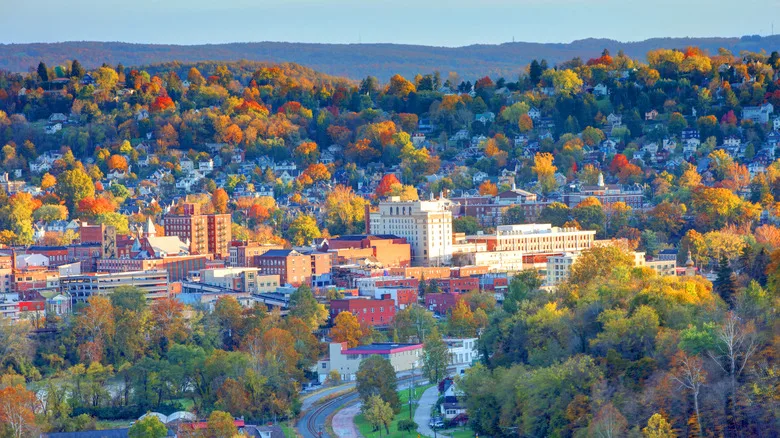
What happens to your Cheat Lake home in the hours after a supply line bursts, a chimney fire scorches a living room, or lake-effect humidity turns a crawl space into a mold colony? The answer usually depends on how fast trained restoration technicians arrive and how thoroughly they work.
Properties near the Cheat Lake shoreline, along Point Marion Road, and up the hillside developments face a mix of water, fire, and biological hazards that require different equipment and different strategies.
- Water Damage Restoration - moisture mapping, extraction, structural drying, and documentation of every affected material
- Flooded Basement - pump-out, sump and drain evaluation, removal of saturated drywall and insulation, and antimicrobial treatment
- Sewage Cleanup - containment of Category 3 contamination, safe disposal of porous materials, and full sanitizing of hard surfaces
- Fire Damage Restoration - debris removal, soot cleaning, structural stabilization, and reconstruction of damaged framing and finishes
- Smoke Damage Restoration - odor neutralization, HVAC duct cleaning, and treatment of contents that absorbed smoke residues
- Mold Removal - containment barriers, negative air machines, material removal, and correction of the moisture source
The benefit for local residents is straightforward: faster drying means fewer materials lost, lower mold risk, and a clearer path back to normal life.
Common Damage Restoration Issues in Cheat Lake, West Virginia
Cheat Lake sits in a valley shaped by the Cheat River and its reservoir, surrounded by steep, wooded slopes. That geography drives most of the damage calls in the area.
Local Causes of Property Damage
- Hillside runoff pushing stormwater against foundations on sloped lots off Fairchance Road and Tyrone Road
- Ice damming during hard freezes, forcing meltwater through ceilings and wall cavities - a pattern seen repeatedly in Morgantown-area homes
- Frozen and burst supply lines in unheated crawl spaces, garages, and vacation-style lake properties left unoccupied in winter
- Sump pump failure during heavy spring rain, leading to flooded basements and finished lower levels
- Sewer backups when saturated ground overwhelms older lateral lines and septic fields
- Wood stove, chimney, and space heater fires during long heating seasons
- Chronic humidity in basements and crawl spaces feeding mold growth behind paneling and under carpet
Warning Signs Worth Acting On
- Musty odor that intensifies after rain or when the HVAC system cycles
- Cupping hardwood, bubbling paint, or drywall that feels soft near the baseboard
- Rust stains around water heaters, furnaces, or basement floor drains
- Gurgling drains or slow toilets, often the first hint of a sewer backup
- Persistent smoke odor weeks after a small kitchen or appliance fire
- Dark staining at ceiling seams following winter snow loads
Small signs escalate quickly. Materials that could have been dried in place often become removal work within a few days.
Neighborhoods We Serve in Cheat Lake
Crews cover the full lake corridor and the surrounding Monongalia County communities, including seasonal and year-round residences.
- Cheat Lake shoreline communities - waterfront homes, docks, and walkout basements along Cheat Lake Road
- Cheat Neck and Fairchance Road corridor - hillside single-family homes and newer subdivisions
- Point Marion Road / Route 119 area - mixed residential and small commercial properties
- Sunset Beach and Ice's Ferry - older cottages and renovated lake retreats
- Coopers Rock edge communities - wooded lots with well water and septic systems
- Morgantown and Sabraton - established neighborhoods with older housing stock
- Star City, Westover, and Suncrest - rental properties and university-area housing
Service extends toward Bruceton Mills, Masontown, and the Pennsylvania state line, where storm and flood response often overlaps with lake-area calls.
Seasonal Damage Patterns in Cheat Lake
Winter (December - February)
- Burst pipes in crawl spaces, exterior walls, and unheated lake homes
- Ice damming driving water through ceilings, kitchens, and basements
- Peak season for fire and smoke damage from heating equipment and chimneys
Spring (March - May)
- Snowmelt plus rain overwhelming sump pumps and causing flooded basements
- Hydrostatic pressure forcing seepage through foundation cracks
- Sewage backups as saturated soil stresses laterals and septic systems
Summer (June - August)
- Mold growth accelerating in humid basements and closed-up seasonal properties
- Thunderstorm wind and hail damage opening roofs to water intrusion
- Air conditioning condensate line clogs causing slow, hidden leaks
Fall (September - November)
- Leaf-clogged gutters redirecting water toward foundations
- Remnants of tropical systems delivering heavy rainfall to the valley
- First furnace and wood stove use exposing dust ignition and smoke odor problems
Housing Characteristics & Restoration Considerations
Cheat Lake housing spans converted mid-century cottages, 1970s-1990s ranches, and newer custom builds on steep lots. Each type behaves differently when water or smoke moves through it.
Common Construction Types
- Older lake cottages - wood paneling, block foundations, and limited vapor barriers that trap moisture
- Split-level and ranch homes - finished lower levels with carpet, drywall, and framing directly on concrete
- Walkout basements - grade-level doors that admit surface runoff during heavy storms
- Newer builds - tighter envelopes that hold humidity and spread smoke odor through ductwork quickly
- Crawl space foundations - dirt floors and low clearance that complicate drying and mold work
How Construction Shapes the Restoration Plan
- Inspect wall cavities and subfloor with moisture meters and thermal imaging before deciding what stays
- Remove porous materials in sewage or Category 3 events regardless of apparent condition
- Set containment and negative pressure when mold is present in finished lower levels
- Dry structural wood and concrete to documented moisture targets rather than surface appearance
- Clean HVAC systems after fire or smoke events so residues do not recirculate
- Rebuild with materials suited to below-grade conditions where flooding has occurred before
Homes with knob-and-tube remnants, asbestos-era tile, or original plaster get extra care during demolition and reconstruction planning.
Environmental Conditions & Damage Implications
The lake and the surrounding Appalachian terrain create conditions that both cause damage and complicate recovery.
Climate and Moisture
- Roughly 40-45 inches of annual precipitation, with heavy summer thunderstorm activity
- High summer relative humidity near the water, keeping basements above the threshold where mold thrives
- Freeze-thaw cycling that widens foundation cracks year after year
- Snow accumulation on north-facing roof planes that feeds ice damming
Soil and Water Characteristics
- Clay-heavy and rocky soils that drain slowly and hold water against foundation walls
- Steep grades directing sheet flow toward lower-lying structures
- Shallow bedrock in some areas limiting effective perimeter drainage
- Private wells and septic systems in outlying areas, raising contamination stakes during flooding
- Mineral-rich water that leaves scale and can mask early leak evidence
Air Quality Effects
- Wood heat is common, so soot and creosote residues appear more often in local fire calls
- Pollen and wood dust settle into damp materials, adding to microbial food sources
- Tight modern homes retain smoke odor molecules long after visible damage is cleaned
Drying plans account for outdoor dew point, not just indoor readings - pulling humid lake air into a wet structure slows recovery rather than helping it.
Protecting Lakefront and Lower-Level Living Space in Cheat Lake
The most valuable square footage in many Cheat Lake homes sits below grade: family rooms, guest suites, home offices, and storage for boats and gear. It is also the space most exposed to water, sewage, and mold.
Why Lower Levels Fail
- Single sump pump with no battery backup during power outages
- Downspouts discharging within a few feet of the foundation
- Window wells without covers or functioning drains
- Floor drains connected to lines that surcharge during heavy rain
- Finished walls installed without a capillary break at the slab
How a Restoration Response Unfolds
- Assess the property and identify the water source and contamination category
- Explain the extent of the damage and the restoration options so you can make an informed decision
- Extract standing water and use moisture detection equipment to find hidden saturation
- Establish containment where sewage or mold is involved, protecting unaffected rooms
- Remove unsalvageable materials and apply antimicrobial treatment to remaining surfaces
- Run air movers and dehumidifiers, monitoring readings daily until drying targets are met
- Deodorize, clean contents, and document the entire process for insurance purposes
- Reconstruct flooring, drywall, trim, and cabinetry once the structure is verified dry
Custom Solutions for Repeat Problems
- Backup pump systems and alarms for homes with a history of flooded basements
- Backwater valves where sewage backup has occurred more than once
- Vapor barriers and conditioned crawl spaces to control chronic mold conditions
- Regrading and extended downspout discharge on hillside lots
- Moisture-tolerant rebuild materials for finished lower levels
Recovery works best when mitigation and reconstruction are handled by one coordinated team - drying, sanitizing, and rebuilding without gaps between phases.





