
Damage Restoration in Ukiah, CA
- Damage Restoration Services Overview
- Common Damage Restoration Issues in Ukiah, California
- Neighborhoods We Serve in Ukiah
- Seasonal Damage Patterns in Ukiah
- Housing Characteristics & Restoration Considerations
- Environmental Conditions & Damage Implications
- Wildfire Smoke, Water Intrusion, and Whole-Property Recovery in Mendocino County
Damage Restoration Services Overview
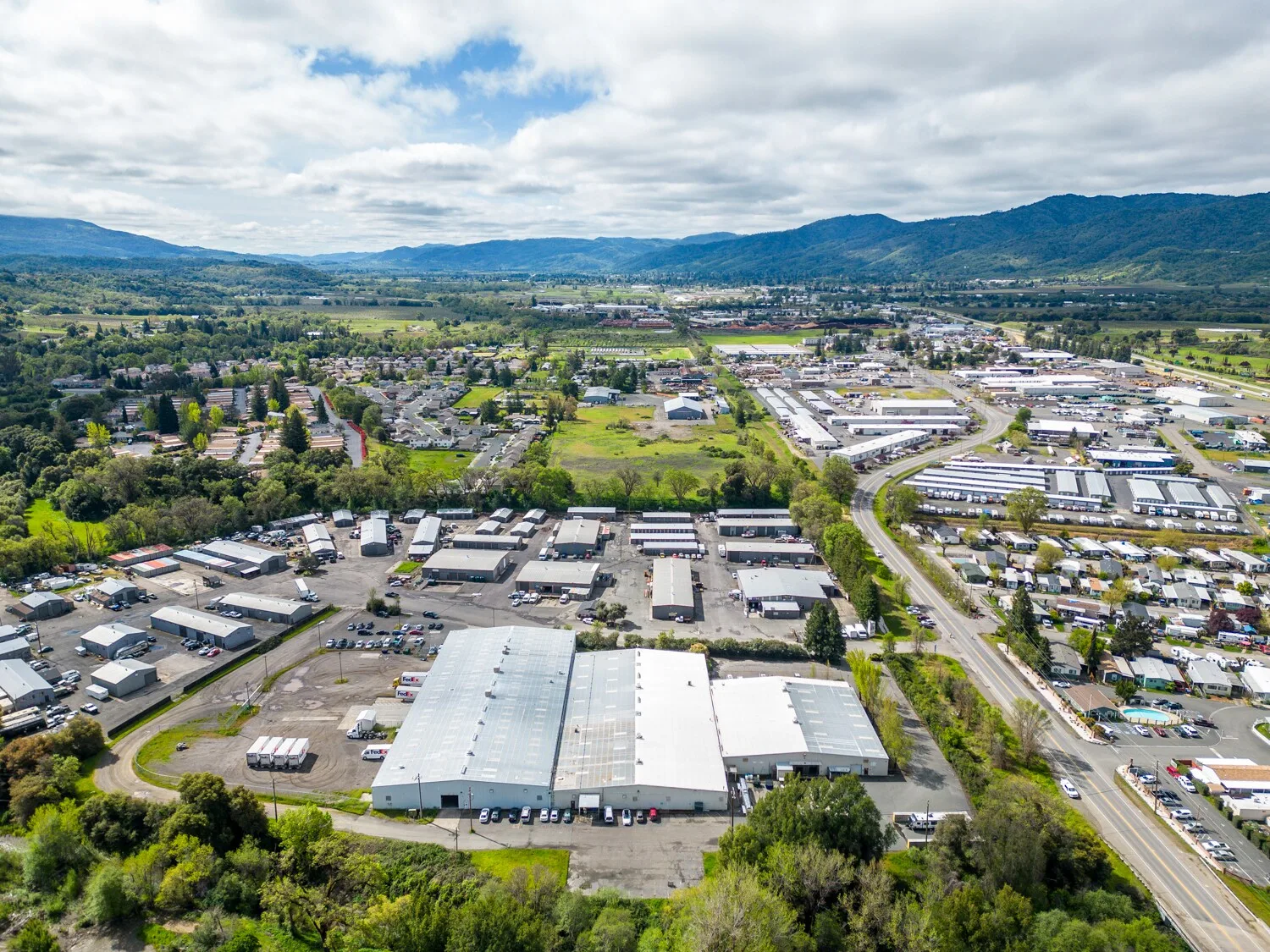
When water pours through a ceiling at midnight or smoke settles into every room after a kitchen fire, the fastest path back to normal starts with a trained restoration crew. Property owners across Ukiah rely on around-the-clock response teams that stabilize a structure first, then rebuild it properly.
Restoration work in the Ukiah Valley covers a wide spectrum of emergencies, and each one calls for different equipment, drying science, and safety protocols:
- Water Damage Restoration - extraction, structural drying, moisture mapping, and monitoring after burst pipes, appliance failures, roof leaks, or storm intrusion.
- Flooded Basement - pump-out of standing water, sump and drainage evaluation, dehumidification of below-grade spaces, and salvage of stored belongings.
- Sewage Cleanup - containment of Category 3 contamination, removal of porous materials, antimicrobial treatment, and safe disposal.
- Fire Damage Restoration - emergency board-up, debris removal, structural support, soot and char cleaning, and full rebuild services.
- Smoke Damage Restoration - odor neutralization, HVAC decontamination, thermal fogging, and content cleaning for items smoke reached but flames never touched.
- Mold Removal - containment barriers, HEPA filtration, affected material removal, and correction of the moisture source that started the growth.
The benefit for Mendocino County homeowners is straightforward: faster drying limits secondary damage, documented moisture readings support insurance claims, and a single team can carry a property from emergency mitigation through reconstruction.
Common Damage Restoration Issues in Ukiah, California
Ukiah sits in a valley ringed by oak woodland and vineyard hillsides, with wet winters and long, bone-dry summers. That swing between saturation and drought creates a predictable set of restoration problems.
What Triggers Damage Locally
- Winter storm runoff - heavy rain sheeting off the Mayacamas and western hills overwhelms yard drainage and pushes water toward foundations and crawl spaces.
- Aging supply lines - older galvanized and early copper plumbing in mid-century Ukiah homes fails at joints, often inside walls where leaks go unnoticed for weeks.
- Sewer backups - root intrusion from mature valley oaks and street trees cracks clay laterals, sending contaminated water into low fixtures and basements.
- Wildfire and smoke intrusion - regional fire seasons drive fine soot and odor into attics, ductwork, and insulation even at properties far from any flame front.
- Wood stove and chimney fires - common in rural properties along Vichy Springs Road and outlying county parcels.
- Summer condensation and slow leaks - air conditioning drip pans and irrigation lines feed hidden mold colonies behind drywall.
Warning Signs Worth Acting On
- Cupping or darkening hardwood near exterior walls and dishwashers
- A musty smell that grows stronger on humid mornings or when HVAC runs
- Tide lines, blistering paint, or chalky mineral staining on basement walls
- Gurgling drains or slow toilets, both early indicators of lateral line failure
- Smoke odor returning weeks after a fire, usually from insulation or duct residue
- Persistent allergy symptoms that improve when occupants leave the house
Catching any of these early keeps a mitigation job from turning into a full reconstruction project.
Neighborhoods We Serve in Ukiah
Response crews cover the city core and the surrounding Mendocino County communities that share the same weather, soil, and infrastructure challenges.
- Downtown Ukiah and the State Street corridor - older commercial buildings, upstairs apartments, and shared plumbing walls
- Westside Historic District - early 1900s homes with raised foundations and original wood siding
- Brush Street and the Orchard Avenue area - mixed residential and light commercial properties
- Yokayo and south Ukiah - postwar tracts on flat valley soil
- Vichy Springs and eastern hillside properties - rural parcels with well systems and septic
- Deerwood, Rogina Heights, and Empire Gardens
Service also extends to Talmage, Calpella, Redwood Valley, Potter Valley, Hopland, Willits, Boonville, and the Highway 101 corridor between Cloverdale and Laytonville, with additional coverage reaching the coast near Fort Bragg.
Seasonal Damage Patterns in Ukiah
Restoration demand in the Ukiah Valley follows the calendar closely. Knowing the pattern helps homeowners inspect at the right moments.
- November through February - peak atmospheric river season. Flooded basements, crawl space saturation, roof leaks, and storm damage dominate. Sewage backups spike as saturated ground infiltrates aging laterals.
- March and April - warming temperatures meet leftover winter moisture. This is prime mold season, especially in closed crawl spaces, north-facing walls, and behind furniture on exterior walls.
- May and June - irrigation systems restart and slab leaks surface. Water damage from supply line and appliance failures becomes the most common call.
- July through September - wildfire season. Smoke damage restoration, ash and soot removal, and HVAC decontamination lead the workload, along with structure fires from outdoor equipment and dry vegetation.
- October - the transitional month. Wood stoves and chimneys come back online, driving flue fires, while first rains reveal drainage flaws before the heavy storms arrive.
Pre-season gutter cleaning, sump pump testing, and chimney inspection knock out a large share of these emergencies before they start.
Housing Characteristics & Restoration Considerations
Ukiah's housing stock spans more than a century, and each era brings its own restoration wrinkles. A drying plan that works on a 1990s slab home will not serve a Westside Victorian with lath and plaster.
Common Construction Types
- Pre-1940 Victorian and Craftsman homes - raised foundations, redwood framing, lath-and-plaster walls, and knob-and-tube remnants. Plaster holds moisture far longer than drywall and often needs injection drying rather than demolition.
- 1950s-1970s ranch homes - low-slope roofs, original galvanized supply lines, and cellulose or minimal wall insulation that wicks water sideways.
- 1980s-2000s tract housing - slab-on-grade construction where water travels under flooring and into wall cavities before anyone notices.
- Rural county properties - well water, septic systems, propane, and outbuildings, all of which change the sewage cleanup and fire response approach.
How This Shapes the Work
- Redwood framing resists rot but hides moisture; meter readings matter more than visual inspection.
- Crawl spaces under raised foundations are the single most common mold source in older Ukiah homes.
- Pre-1980 materials may contain asbestos or lead, requiring testing before any fire or water demolition.
- Balloon framing in historic homes lets smoke and fire travel vertically, so smoke damage restoration must include attic and interstitial spaces.
- Finished basements and converted garages need moisture barrier evaluation, not just surface drying.
Environmental Conditions & Damage Implications
The Ukiah Valley's Mediterranean climate concentrates roughly all of its rainfall into a handful of winter months, then delivers triple-digit summer heat. That extreme cycle drives most restoration outcomes here.
Climate and Air
- Winter rainfall totals in the valley run well above state averages, loading soils and drainage systems in short bursts.
- Summer daytime humidity drops sharply, which speeds structural drying but also causes wood shrinkage and joint separation that create new leak paths.
- Regional wildfire smoke settles in the valley basin during inversions, depositing fine particulate that infiltrates attics, ducts, and soft contents.
- Cool overnight temperatures against warm interiors create condensation on windows and exterior walls, a quiet mold trigger.
Soil and Water
- Valley floor alluvial soils drain reasonably well but sit over a shallow water table near the Russian River, keeping crawl spaces damp long after storms.
- Hillside clay soils expand and contract, stressing foundations, lateral lines, and slab plumbing.
- Hard, mineral-rich groundwater accelerates corrosion in older water heaters and supply lines.
- Rural septic systems saturated by winter runoff can surface, creating a sewage cleanup situation on the property itself.
Effective restoration accounts for these conditions by combining aggressive dehumidification, HEPA air scrubbing for smoke particulate, and permanent moisture control such as vapor barriers and improved crawl space ventilation.
Wildfire Smoke, Water Intrusion, and Whole-Property Recovery in Mendocino County
Ukiah properties rarely face just one type of damage. A wildfire event can leave soot in the attic and, months later, a storm-damaged roof lets water into those same contaminated cavities. Handling each problem in isolation leaves odor, moisture, and mold behind.
The Problem With Partial Cleanups
- Surface soot cleaning without duct and insulation decontamination lets odor return every time the heater runs.
- Extracting standing water without addressing crawl space humidity invites mold within days.
- Sewage backups cleaned with household products leave bacteria in subfloor and framing.
- Rebuilding over damp framing traps moisture behind new finishes.
A Sequenced Recovery Approach
- Emergency stabilization - board-up, tarping, temporary structural support, and shutoff of the water or contamination source.
- Assessment and documentation - moisture mapping, thermal imaging, soot residue testing, and photo records for the insurance file.
- Containment - negative air setups and barriers so smoke particulate, sewage aerosols, and mold spores stay out of clean areas.
- Removal - extraction of water, debris, ash, and unsalvageable porous materials, including saturated insulation and contaminated flooring.
- Drying and decontamination - commercial dehumidifiers, air movers, HEPA scrubbing, antimicrobial application, and odor neutralization.
- Verification - moisture readings returned to dry standard and clearance checks before anything gets closed up.
- Reconstruction - drywall, flooring, cabinetry, paint, and structural repair to return the property to pre-loss condition.
Why Local Experience Matters
- Familiarity with Mendocino County permitting and county building requirements for rebuild work
- Direct coordination with local insurance adjusters and documented scope reporting
- Solutions matched to valley conditions - crawl space vapor barriers, drainage correction, and duct decontamination sized for wildfire particulate
- Around-the-clock availability during storm and fire events, when regional demand surges
The payoff is a property that is dry, clean, structurally sound, and genuinely odor-free rather than one that simply looks repaired.





