
Damage Restoration in Fort Bragg, CA
- Damage Restoration Services Overview
- Common Damage Restoration Issues in Fort Bragg, California
- Neighborhoods We Serve in Fort Bragg
- Seasonal Damage Patterns in Fort Bragg
- Housing Characteristics & Restoration Considerations
- Environmental Conditions & Damage Implications
- Why Fast Emergency Response Matters on the Mendocino Coast
Damage Restoration Services Overview
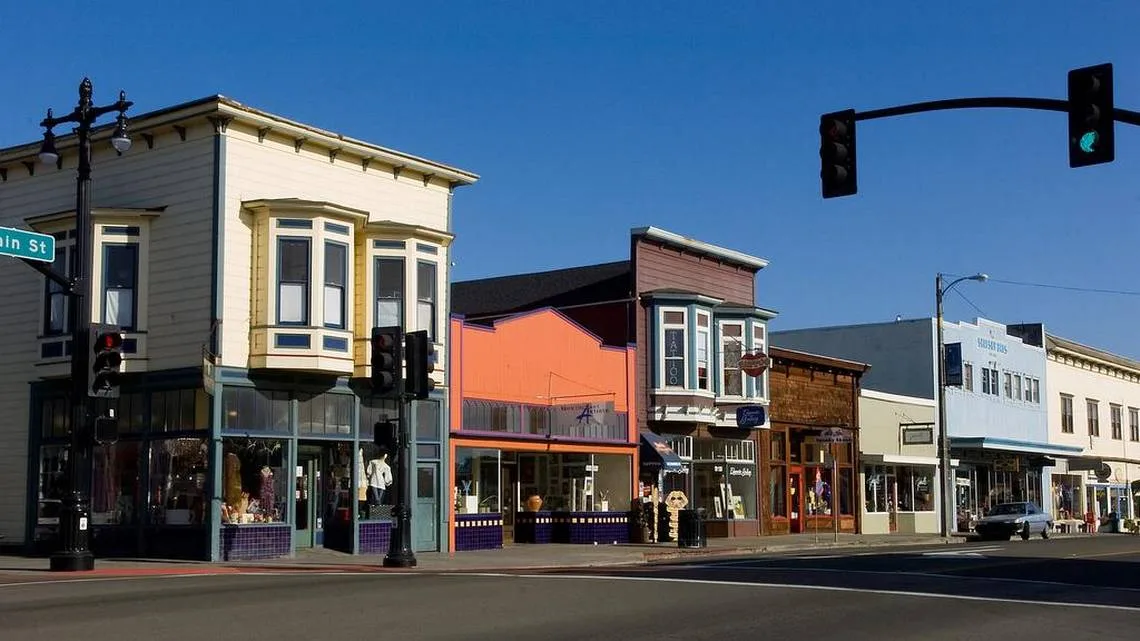
Damage that sits untreated rarely stays contained. A slow leak under a Fort Bragg kitchen sink can rot subfloor joists within weeks, and smoke residue left on walls after a woodstove flare-up etches into paint and glass permanently. On the coast, where humidity rarely drops, wet building materials feed mold colonies fast.
A single restoration team handling every phase keeps the damage from spreading and keeps documentation consistent for your insurance carrier.
- Water Damage Restoration - emergency extraction, structural drying, and moisture mapping after pipe breaks, appliance failures, and roof intrusion.
- Flooded Basement - pump-out, crawlspace and below-grade drying, and drainage assessment for properties that take on groundwater.
- Sewage Cleanup - removal of contaminated material, antimicrobial treatment, and safe disposal after backups or septic failures.
- Fire Damage Restoration - emergency board-up, debris removal, soot cleaning, and structural stabilization.
- Smoke Damage Restoration - odor neutralization, HVAC cleaning, and content treatment for homes touched by chimney fires or wildfire smoke.
- Mold Removal - containment, controlled removal of affected material, and correction of the moisture source behind the growth.
Benefits for Fort Bragg property owners include reduced repair scope, protected indoor air quality, preserved belongings, and clear photo and moisture-reading records that support a claim.
Common Damage Restoration Issues in Fort Bragg, California
Fort Bragg's coastal position brings a specific mix of moisture, wind, and older building stock that shapes what goes wrong here.
Local Causes We Respond To Most
- Winter storm bands off the Pacific driving rain sideways into siding, window frames, and roof penetrations
- Wind-lifted shingles and flashing failures that let water travel invisibly through wall cavities
- Aging galvanized and polybutylene supply lines in mid-century homes that split without warning
- Crawlspaces and below-grade rooms taking on groundwater when the water table rises after heavy rain
- Root intrusion and grease buildup causing sewer backups in older laterals
- Septic system failures on properties outside city sewer service
- Woodstove, chimney, and space heater incidents during the cold, damp months
- Wildfire smoke drifting in from inland Mendocino County and settling into HVAC systems and soft goods
Warning Signs Worth Acting On
- A musty smell that gets stronger on damp days or when the heat kicks on
- Cupping, staining, or springiness in hardwood and laminate flooring
- Paint bubbling, tape seams lifting, or ceiling rings that grow slowly
- Gurgling drains, slow toilets, or water backing up in a tub when the washer drains
- Persistent smoke odor that returns during humid weather even after cleaning
- Condensation on windows, rusting hardware, or dark speckling on closet walls
- An unexplained jump in your water bill with no visible leak
Catching any of these early usually means drying and cleaning rather than demolition and rebuild.
Neighborhoods We Serve in Fort Bragg
Our crews are based locally, which shortens response times across the coast and inland routes.
- Central Fort Bragg - downtown, Franklin Street, Laurel Street, and the older residential grid
- Todd Point and the Noyo Harbor area - waterfront homes and marine-adjacent businesses
- South Fort Bragg and Ocean View - bluff-side properties exposed to salt spray and wind
- Pudding Creek and the north side - homes near the creek corridor and coastal trail
- Cleone and Inglenook - rural parcels along Highway 1 north
- Mendocino, Caspar, Little River, and Albion - coastal villages south along Highway 1
- Westport, Elk, and Comptche - outlying communities with septic and well systems
- Willits, Ukiah, and Redwood Valley - inland Mendocino County service coverage
Whether you own a Victorian near downtown, a ranch home on the bluff, or a commercial building at the harbor, our team knows the access routes and the building types involved.
Seasonal Damage Patterns in Fort Bragg
Late Fall and Winter (November - March)
- Peak season for storm-driven water intrusion, roof leaks, and flooded basements and crawlspaces
- Saturated soil raises groundwater and pushes moisture through foundation walls
- Sewer and septic backups climb as heavy rain overwhelms lines and leach fields
- Heating season brings chimney fires, woodstove incidents, and smoke damage
Spring (April - June)
- Mold surfaces in homes that stayed damp through winter without proper drying
- Deferred repairs reveal hidden rot in subfloors, sill plates, and wall cavities
- Good window for crawlspace drying and moisture control upgrades
Summer (July - August)
- Persistent coastal fog keeps humidity high, so mold growth continues year-round here
- Appliance failures - water heaters, washing machines, refrigerator lines - spike with household activity
- Vacation rentals and second homes develop leaks that go unnoticed between guests
Early Fall (September - October)
- Inland wildfire smoke drifts to the coast, settling into ductwork, insulation, and fabrics
- First rains expose failed flashing, clogged gutters, and roof problems
- Best time to service sump pumps, drains, and chimneys before storm season
Housing Characteristics & Restoration Considerations
Fort Bragg's housing stock skews older than the state average, with a strong presence of pre-1960 construction plus mid-century and later additions. That mix changes how a restoration job is scoped.
Common Construction Types and What They Mean
- Early 1900s redwood-framed homes - beautiful, durable framing, but often paired with lath and plaster that holds moisture and needs slow, controlled drying
- Raised foundations with vented crawlspaces - the most common source of hidden mold and rot on the coast; drying requires containment and dedicated dehumidification below the floor
- Mid-century ranch homes - original galvanized plumbing and single-pane windows contribute to leaks and condensation damage
- Basements and daylight basements - vulnerable to hydrostatic pressure and pump failure during winter storms
- Cedar, redwood, and board-and-batten siding - salt air degrades finishes and fasteners, opening paths for wind-driven rain
- Woodstoves and masonry chimneys - common primary heat sources and a leading cause of fire and smoke damage
How This Shapes Our Approach
- Test for asbestos and lead-based materials before any demolition in older homes
- Map moisture with meters and thermal imaging rather than relying on what's visible
- Set containment so drying and mold work doesn't spread spores through the house
- Match drying methods to the material - plaster, redwood, and modern drywall all behave differently
- Address the crawlspace or basement source, not just the finished room above it
- Document conditions, readings, and materials throughout for your insurance file
Environmental Conditions & Damage Implications
The coastal environment here is the single biggest factor in how damage behaves after the initial event.
Climate and Humidity
- Cool temperatures and marine fog keep outdoor humidity elevated most of the year
- Natural air drying is unreliable - open windows often add moisture instead of removing it
- Professional dehumidification and controlled airflow are needed to reach dry standard
- Mold can establish in damp materials quickly once conditions stay favorable
Rainfall and Wind
- Heavy winter rainfall totals concentrated in a handful of months
- Wind-driven rain reaches building assemblies that vertical rain never would
- Storm-related power outages disable sump pumps exactly when they're needed
Soil, Drainage, and Water Systems
- Coastal terrace soils with clay layers slow drainage and hold water against foundations
- Sloped lots near Pudding Creek and the Noyo River can channel runoff toward structures
- Rural properties on septic face leach field saturation during sustained rain, raising sewage backup risk
- Older sewer laterals are prone to root intrusion in the wet season
Air Quality
- Salt-laden air accelerates corrosion of fasteners, flashing, and electrical components after water exposure
- Wildfire smoke episodes deposit fine particulate that requires HVAC cleaning and content treatment
- Damp indoor air holds smoke odor longer, so odor work is paired with humidity control
Why Fast Emergency Response Matters on the Mendocino Coast
Fort Bragg sits far from the inland corridor, and waiting on a crew from Santa Rosa or Sacramento can cost you a full day. In that window, water wicks up drywall, spreads under flooring, and reaches insulation you can't see. Contaminated water from a sewage backup keeps saturating porous materials. Soot turns acidic and begins etching metal, glass, and finished surfaces.
What Happens When You Call
- Immediate phone triage - we walk you through shutting off water, power, or gas safely and tell you what not to touch
- Local dispatch - crews stage from Fort Bragg, so response covers the coast and inland Mendocino County around the clock
- On-site assessment - moisture meters, thermal imaging, and category classification for water or contamination level
- Emergency mitigation - extraction, pump-out, board-up, tarping, or containment depending on the loss
- Equipment deployment - air movers, dehumidifiers, air scrubbers, and negative air machines sized to the space
- Daily monitoring - readings logged until materials hit dry standard, not just until surfaces feel dry
- Cleaning and restoration - soot removal, odor neutralization, antimicrobial application, and reconstruction planning
What Rapid Response Protects
- Salvageable flooring, cabinetry, and framing that would otherwise need replacement
- Indoor air quality for households with children, older adults, or respiratory conditions
- Personal belongings, documents, and furnishings that respond well to early treatment
- Your insurance claim, through timestamped photos, moisture logs, and scope documentation
- Your timeline - contained damage means a shorter, less disruptive rebuild
Water damage, sewage contamination, fire, smoke, and mold all reward the same thing: getting a trained crew on site quickly. Our team is IICRC certified, locally based, and available 24 hours a day throughout Fort Bragg and Mendocino County.





