
Damage Restoration in Lincoln City, OR
- Damage Restoration Services Overview
- Common Damage Restoration Issues in Lincoln City, Oregon
- Neighborhoods We Serve in Lincoln City
- Seasonal Damage Patterns in Lincoln City
- Housing Characteristics & Restoration Considerations
- Environmental Conditions & Damage Implications
- Protecting Vacation Rentals and Coastal Properties Between Guest Stays
Damage Restoration Services Overview
Discovering water spreading across a floor, smelling smoke in the walls, or spotting mold behind baseboards throws any Lincoln City household or business into immediate uncertainty. Property damage rarely arrives on a convenient schedule, and coastal properties face conditions that accelerate secondary damage if response is delayed.
Restoration work along the central Oregon Coast covers a connected set of specialties, each addressing a different form of loss:
- Water Damage Restoration - extraction, moisture mapping, and structural drying after roof leaks, plumbing failures, and storm intrusion
- Flooded Basement Cleanup - pumping standing water, drying below-grade framing, and addressing hydrostatic pressure issues common on hillside lots
- Sewage Cleanup - safe removal of contaminated material, antimicrobial treatment, and disinfection following backups and septic failures
- Fire Damage Restoration - stabilization, debris removal, content handling, and rebuilding of affected structures
- Smoke Damage Restoration - soot removal from surfaces and HVAC systems plus deodorization of porous materials
- Mold Removal - containment, controlled removal of colonized materials, and correction of the moisture source
Key benefits for local property owners include faster drying that limits microbial growth, thorough documentation for insurance claims, and coordination between mitigation and repair so a single team carries the project through. Vacation rentals, hotels, restaurants, and year-round residences all benefit from response teams familiar with coastal construction and moisture behavior.
Common Damage Restoration Issues in Lincoln City, Oregon
Lincoln City sits between Devils Lake and the Pacific, where high annual rainfall, salt-laden air, and steep terrain combine to create persistent moisture pressure on buildings. Many losses begin small and go unnoticed in properties that sit empty between rental bookings.
Frequent Causes of Damage
- Wind-driven rain forcing water past siding, window flashing, and deck ledger boards
- Clogged gutters and downspouts overflowing against foundations
- Slope runoff saturating soil and pushing water through basement walls and slab joints
- Sewer and septic backups during saturated ground conditions
- Crawl space vapor problems that migrate into subfloors and insulation
- Kitchen fires, wood stove and fireplace incidents, and chimney flue issues during cold months
- Smoke and soot residue carried through ductwork long after visible flames are out
Warning Signs Worth Acting On
- Musty odor that returns after a property has been closed up for several days
- Cupping, staining, or soft spots in flooring near exterior walls
- Peeling paint, bubbled drywall, or rusted fasteners on baseboards
- Condensation on windows that lingers well into the afternoon
- Dark speckling on closet walls, behind furniture, or under sinks
- Gurgling drains or slow toilets signaling a developing sewer problem
- Persistent smoke odor that intensifies when heating or cooling runs
Because coastal humidity slows natural evaporation, materials that might dry on their own inland often stay damp here - which is why professional drying equipment matters.
Neighborhoods We Serve in Lincoln City
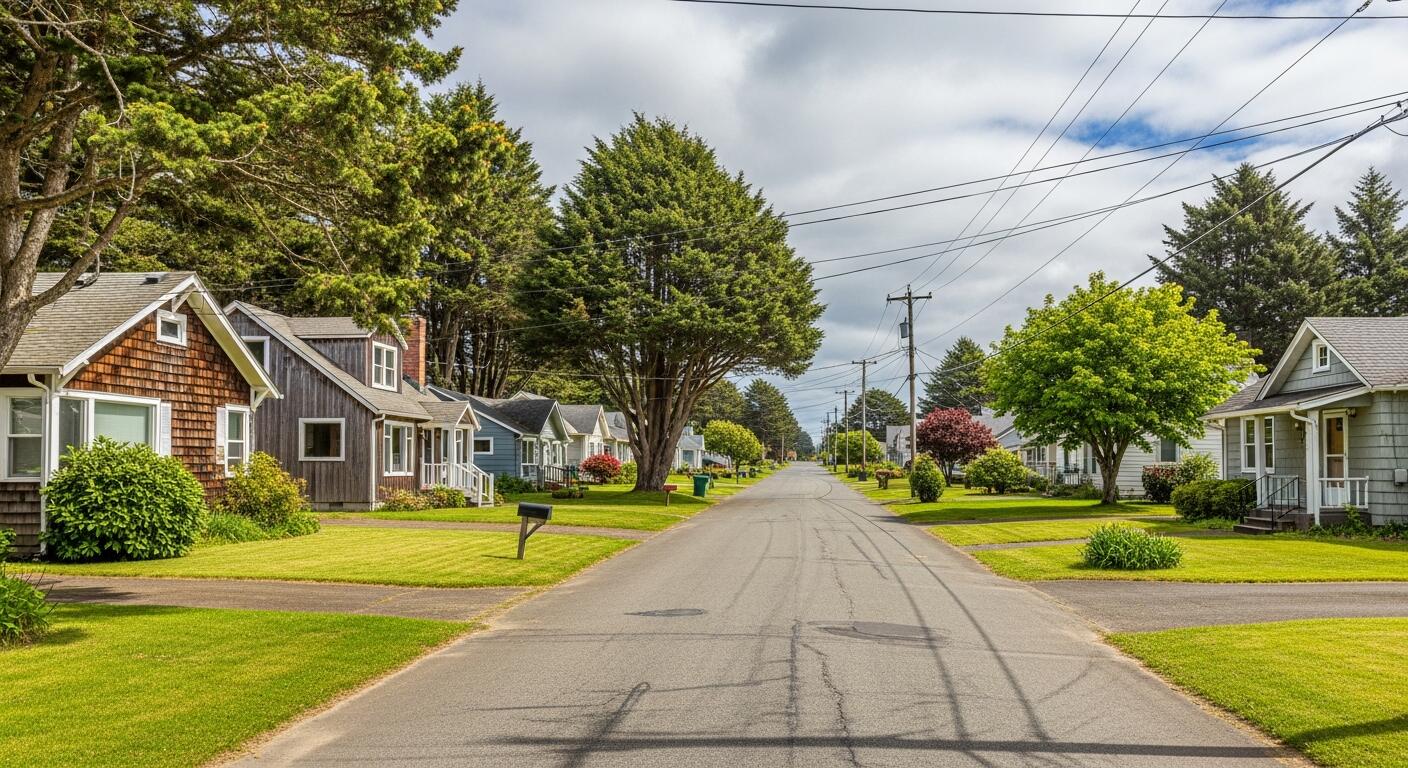
Response covers the full seven-mile stretch of town and the surrounding coastal communities, including properties tucked along the lake and up the hillsides.
- Oceanlake - older beach cottages and mixed commercial buildings near NW Highway 101
- Delake - central district homes, motels, and restaurants close to the D River
- Nelscott - hillside residences with sloped lots and daylight basements
- Taft - properties near Siletz Bay with tidal and groundwater exposure
- Cutler City - bayside homes and crawl space construction
- Devils Lake area - waterfront residences, condos, and vacation rentals
- Roads End - north-end oceanfront homes exposed to wind-driven rain
Service also extends to Gleneden Beach, Salishan, Depoe Bay, Otis, Neotsu, Rose Lodge, Siletz, and Lincoln Beach, along with commercial and multi-family properties throughout Lincoln County.
Seasonal Damage Patterns in Lincoln City
Restoration demand here follows the coastal weather cycle closely, with distinct patterns through the year.
- November through February - peak season for storm-driven water damage, flooded basements, and roof intrusion. Saturated soil raises groundwater and drives sewage backups. Heating equipment and wood stoves increase fire and smoke calls.
- March through May - lingering rain plus warming temperatures create ideal conditions for mold growth in materials that stayed damp all winter. Hidden water damage from winter storms often surfaces now.
- June through August - drier weather brings plumbing failures in heavily used vacation rentals, along with cooking fire incidents and outdoor burn-related smoke damage. Crawl space humidity remains elevated despite sunshine.
- September through October - the first significant rains expose failed gutters, cracked flashing, and settled grading. Sewer line issues appear as systems handle sudden volume after months of low flow.
Year-round marine humidity means mold remediation calls never fully drop off. Properties that sit vacant between seasons deserve periodic inspection, since a slow leak discovered weeks later almost always means a larger project.
Housing Characteristics & Restoration Considerations
Lincoln City housing spans mid-century beach cottages, 1970s and 1980s vacation homes, newer oceanfront construction, condominiums, and a large stock of short-term rentals. A significant share of homes predate modern moisture management standards, which shapes how restoration is approached.
Construction Features That Influence Restoration
- Vented crawl spaces - common beneath older homes and a frequent source of subfloor moisture and mold
- Daylight and partial basements - built into hillside lots, prone to seepage during heavy rain events
- Wood framing and cedar siding - absorbent materials that require careful drying rather than surface treatment
- Older galvanized and polybutylene plumbing - a recurring cause of sudden supply line failures
- Cast iron and clay sewer laterals - vulnerable to root intrusion and joint separation
- Additions and remodels - layered flooring and multiple wall assemblies that trap water between materials
- Pre-1980 finishes - may contain asbestos or lead, requiring testing before demolition
How This Affects the Work
- Moisture meters and thermal imaging identify water behind finishes before drying plans are set
- Cavity drying systems reach insulated wall assemblies without unnecessary demolition
- Containment barriers protect occupied units in condos and multi-family buildings during mold or sewage work
- Smoke deodorization accounts for open-beam ceilings and tongue-and-groove wood common in coastal homes
Environmental Conditions & Damage Implications
The environment surrounding Lincoln City is one of the strongest variables in any restoration project. Annual rainfall well above the national average, relative humidity that frequently stays high, and mild temperatures create conditions where dampness persists and biological growth thrives.
Local Conditions and What They Mean
- High ambient humidity - outdoor air alone cannot dry a structure, so dehumidification and controlled drying chambers are required rather than simply opening windows
- Salt air exposure - accelerates corrosion of fasteners, HVAC coils, and electrical components, compounding fire and water losses
- Sandy and silty coastal soils - drain quickly in places but sit over dense subsoil layers that perch water against foundations
- Shallow groundwater near the lake and bay - contributes to chronic basement and crawl space seepage
- Mild year-round temperatures - keep mold-friendly conditions active in every season
- Wind exposure at the shoreline - drives rain horizontally into building envelopes that would perform fine inland
Implications for Each Service
- Water and flooded basement projects need extended monitoring, with daily moisture readings until materials reach dry standard
- Sewage cleanup requires disinfection of porous surfaces and removal of contaminated insulation, not just extraction
- Smoke odor lingers longer in humid air, making thermal fogging, hydroxyl treatment, and duct cleaning part of the plan
- Mold remediation must correct the moisture source - grading, ventilation, or vapor barriers - or growth returns
Protecting Vacation Rentals and Coastal Properties Between Guest Stays
A large portion of Lincoln City housing serves as short-term rental or second-home property, and that changes the risk profile entirely. Damage that a full-time resident would catch within hours can go undetected for weeks in a vacant home, turning a supply line drip into a saturated subfloor and an active mold colony.
Why Unoccupied Properties Face Greater Risk
- No one present to hear running water, notice odor, or see a ceiling stain forming
- Heating systems set low, reducing air movement and allowing condensation on cool surfaces
- Guest turnover that masks minor issues - a small leak gets wiped up rather than reported
- Seasonal closures during the wettest months, exactly when storm intrusion peaks
- Shared walls in condo buildings, where an upstairs failure affects multiple units
Practical Steps for Owners and Property Managers
- Schedule inspections of crawl spaces, water heaters, and supply lines before and after storm season
- Install leak detection sensors near washers, water heaters, dishwashers, and under sinks
- Keep gutters and downspouts clear and confirm discharge routes water away from foundations
- Maintain moderate interior temperature and run bath fans on timers to control humidity
- Document the property's condition with photos so any future claim has a clear baseline
- Post emergency contact information where cleaning crews and guests can find it
Standards That Guide the Work
Restoration follows recognized industry practice, including IICRC guidelines for water damage restoration, mold remediation, and fire and smoke cleanup. That framework governs how water losses are categorized, how contaminated materials are handled, how containment is built, and when a structure is verified dry. Technicians carry certifications in these disciplines, document moisture readings throughout the project, and provide reporting that insurance adjusters can review. Coordinating mitigation and reconstruction under one team also shortens the gap between drying completion and getting a property back into service.





