
Damage Restoration in Clearlake, CA
- Damage Restoration Services Overview
- Common Damage Restoration Issues in Clearlake, California
- Neighborhoods We Serve in Clearlake
- Seasonal Damage Patterns in Clearlake
- Housing Characteristics & Restoration Considerations
- Environmental Conditions & Damage Implications
- Flood, Fire, and Watershed Realities Around Clear Lake
Damage Restoration Services Overview
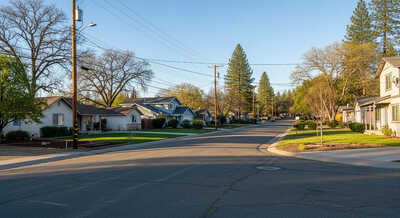
Damage spreads on its own schedule. Water wicks into drywall within hours, smoke residues turn acidic overnight, and mold colonies can establish themselves in a damp Clearlake crawlspace in a matter of days. Fast, methodical response protects both the structure and the belongings inside it.
Property owners around Clear Lake face a wide mix of loss types, and each one calls for a different set of equipment, containment methods, and drying strategies.
- Water Damage Restoration - extraction, structural drying, moisture mapping, and monitoring of framing, subfloors, and cavities.
- Flooded Basement - pump-out, silt removal, sanitizing of below-grade walls and slabs, and dehumidification of enclosed spaces.
- Sewage Cleanup - containment, removal of contaminated porous materials, antimicrobial treatment, and safe disposal of Category 3 waste.
- Fire Damage Restoration - debris removal, structural stabilization, soot cleaning, and salvage of contents.
- Smoke Damage Restoration - odor neutralization, HVAC cleaning, thermal fogging, and treatment of surfaces well beyond the burn area.
- Mold Removal - negative-air containment, HEPA filtration, removal of colonized materials, and correction of the moisture source.
Call (707) 538-1772 or (800) 775-7876 to reach crews who handle water damage restoration, fire damage cleanup, mold remediation, and biohazard cleanup for homes and businesses throughout Clearlake and greater Lake County.
Common Damage Restoration Issues in Clearlake, California
Clearlake sits on the shore of the largest natural freshwater lake in California, and that proximity shapes nearly every loss type crews respond to. High groundwater, lakeshore flooding, aging plumbing, and wildfire smoke each leave a distinct signature.
Frequent Causes of Loss
- Winter storm runoff off the Mayacmas and Cache Creek watershed pushing water into low-lying yards and garages
- Rising lake levels and seasonal shoreline flooding affecting foundations, crawlspaces, and basements
- Failed sump pumps, saturated soils, and hydrostatic pressure forcing seepage through slab cracks
- Sewer backups and septic system overload during heavy rain events
- Wildfire smoke intrusion during dry summer and autumn months, leaving soot and odor in ductwork and attics
- Kitchen fires, wood stove issues, and electrical faults in older homes with dated wiring
- Chronic humidity in shaded, tree-covered lots feeding hidden mold behind cabinets and baseboards
Warning Signs Not to Ignore
- Cupping or darkening hardwood, soft spots underfoot, or tile that sounds hollow
- A musty smell that intensifies when the HVAC runs
- Efflorescence, white chalky staining, or bubbling paint on below-grade walls
- Gurgling drains or slow toilets - often the first hint of a sewage backup
- Yellowish film on windows and a persistent campfire odor after nearby fire activity
- Recurring allergy symptoms that improve when occupants leave the house
Neighborhoods We Serve in Clearlake
Response covers the city of Clearlake and the communities ringing the lake, including areas where narrow lanes and steep lots complicate equipment access.
- Clearlake Highlands, Avenues, and Cache Creek corridor
- Clearlake Park and Lakeshore Drive shoreline properties
- Burns Valley and Dam Road neighborhoods
- Lower Lake, Clearlake Oaks, and the Keys
- Lucerne, Nice, Glenhaven, and the Northshore communities
- Kelseyville, Finley, Soda Bay, and Buckingham
- Lakeport, Upper Lake, Nice-Lucerne cutoff, and Scotts Valley
- Hidden Valley Lake, Middletown, and the Highway 29 corridor
Crews also serve outlying rural parcels on well and septic systems where standard municipal utilities are unavailable and restoration planning must account for private water sources.
Seasonal Damage Patterns in Clearlake
Lake County's wet winters and hot, tinder-dry summers create a predictable annual rhythm of loss types.
- November through March - atmospheric river storms drive the bulk of water damage restoration and flooded basement calls. Saturated ground, clogged culverts, and creek overflow send water into crawlspaces. Sewer and septic backups spike when systems take on stormwater.
- March through May - snowmelt and lingering runoff keep groundwater high. Warming temperatures combined with trapped winter moisture trigger a wave of mold removal requests, especially behind wall cavities that were never properly dried.
- June through August - heat pushes indoor humidity into problem territory in shaded lakeside homes. Air conditioning condensate line failures and water heater ruptures are common. Wildfire season opens, bringing early smoke damage restoration work.
- September through October - peak fire risk. Wind-driven wildfire events produce fire damage restoration and widespread smoke intrusion across neighborhoods far from any flame front.
- Late October - first significant rains overwhelm gutters and ash-clogged drainage, restarting the water cycle.
Housing Characteristics & Restoration Considerations
Much of Clearlake's housing stock dates to the mid-twentieth century, when the area developed as a lakeside vacation destination. Those construction choices shape how damage behaves and how restoration must be sequenced.
Common Building Types
- 1950s-1970s single-story wood-frame cottages, many originally built as seasonal cabins
- Raised-foundation homes with vented crawlspaces prone to standing water and subfloor rot
- Post-and-pier lakefront structures on sloped lots with limited drainage
- Manufactured and mobile homes on permanent or semi-permanent foundations
- Newer slab-on-grade construction in Burns Valley and infill subdivisions
How Age and Construction Affect the Work
- Lath and plaster walls hold moisture longer than modern drywall and require injection drying rather than simple air movement.
- Asbestos and lead-based materials in pre-1980 flooring, popcorn ceilings, and pipe wrap call for testing before demolition begins during fire or water restoration.
- Cellulose and batt insulation in crawlspaces acts like a sponge and typically needs full removal after flooding.
- Wood stoves and older chimneys are frequent ignition sources and leave heavy creosote-laden soot that demands specialized cleaning agents.
- Cast iron and galvanized supply lines in original plumbing fail without warning, often inside walls.
- Manufactured home cavities trap water beneath vinyl-backed insulation, hiding mold growth from view until odor appears.
Documentation of pre-existing conditions matters in older homes, since insurers frequently distinguish sudden loss from long-term wear.
Environmental Conditions & Damage Implications
Clearlake's environment - a warm Mediterranean climate, volcanic and clay-heavy soils, and a large nutrient-rich lake - directly influences drying times, contamination risk, and mold behavior.
Climate and Air
- Hot, dry summers exceeding 95 degrees accelerate evaporation but also drive rapid smoke infiltration when wildfire smoke settles into the lake basin.
- Cool, damp winters with fog and extended overcast periods slow natural drying, making mechanical dehumidification necessary rather than optional.
- The basin's topography traps particulates, extending the period smoke residues remain airborne and settle on interior surfaces.
Soil and Water
- Expansive clay soils swell when wet, pressing against foundation walls and opening cracks that admit groundwater.
- Poor percolation keeps water pooled near structures long after storms end, prolonging crawlspace saturation.
- Sediment loading from Scotts Creek, Middle Creek, and surrounding watersheds means floodwater often carries silt, organic matter, and bacteria into buildings.
- Seasonal cyanobacteria blooms in Clear Lake introduce a biological contamination concern when lake water enters a structure, warranting antimicrobial treatment rather than simple drying.
- Septic systems on heavy clay lots back up more readily during saturated conditions, elevating sewage cleanup demand.
Every one of these factors argues for moisture verification with meters and thermal imaging rather than assumptions based on surface appearance.
Flood, Fire, and Watershed Realities Around Clear Lake
Restoration in this area works best when it accounts for the watershed itself. Ongoing efforts such as the Middle Creek Flood Damage Reduction and Ecosystem Restoration Project and sediment reduction work in the Scotts Creek and Eight Mile Valley watersheds exist precisely because flooding, erosion, and sediment loading are recurring realities here. Storms in December 2005 and January 2006 produced state and federal disaster declarations for Lake and Mendocino counties - a reminder that regional events, not just individual plumbing failures, drive much of the damage in Clearlake homes.
What Thorough Restoration Looks Like Here
- Scene assessment - identify the water category, check for electrical hazards, and determine whether floodwater carried sediment, sewage, or lake contaminants.
- Containment first - isolate affected zones with barriers and negative air before any material is disturbed, preventing soot or spores from migrating.
- Extraction and debris removal - pump standing water, shovel silt, and remove unsalvageable porous materials such as carpet pad, saturated insulation, and swollen particleboard.
- Moisture mapping - meters and thermal imaging trace water into wall cavities, under cabinet toe-kicks, and beneath flooring layers.
- Structural drying - air movers and dehumidifiers sized to the space, with daily readings logged until materials return to dry standard.
- Cleaning and decontamination - antimicrobial application, soot removal with residue-appropriate methods, HVAC and duct cleaning, and odor neutralization.
- Verification - post-remediation testing for mold work and moisture confirmation before any rebuild begins.
- Reconstruction - drywall, flooring, paint, and trim restored to pre-loss condition.
Preparation Steps for Property Owners
- Clear gutters and culverts before the first autumn rain, especially after ash fall from nearby fires.
- Test sump pumps and backup power ahead of winter storms.
- Install backflow prevention on sewer laterals in low-lying lakeshore properties.
- Photograph rooms and valuables annually to support insurance documentation.
- Keep (707) 538-1772 and (800) 775-7876 saved for round-the-clock response.





