
Damage Restoration in Ranson, WV
- Damage Restoration Services Overview
- Common Damage Restoration Issues in Ranson, West Virginia
- Neighborhoods We Serve in Ranson
- Seasonal Damage Patterns in Ranson
- Housing Characteristics & Restoration Considerations
- Environmental Conditions & Damage Implications
- Storm Roof Leaks to Finished Rebuild: How Ranson Claims Get Handled
Damage Restoration Services Overview
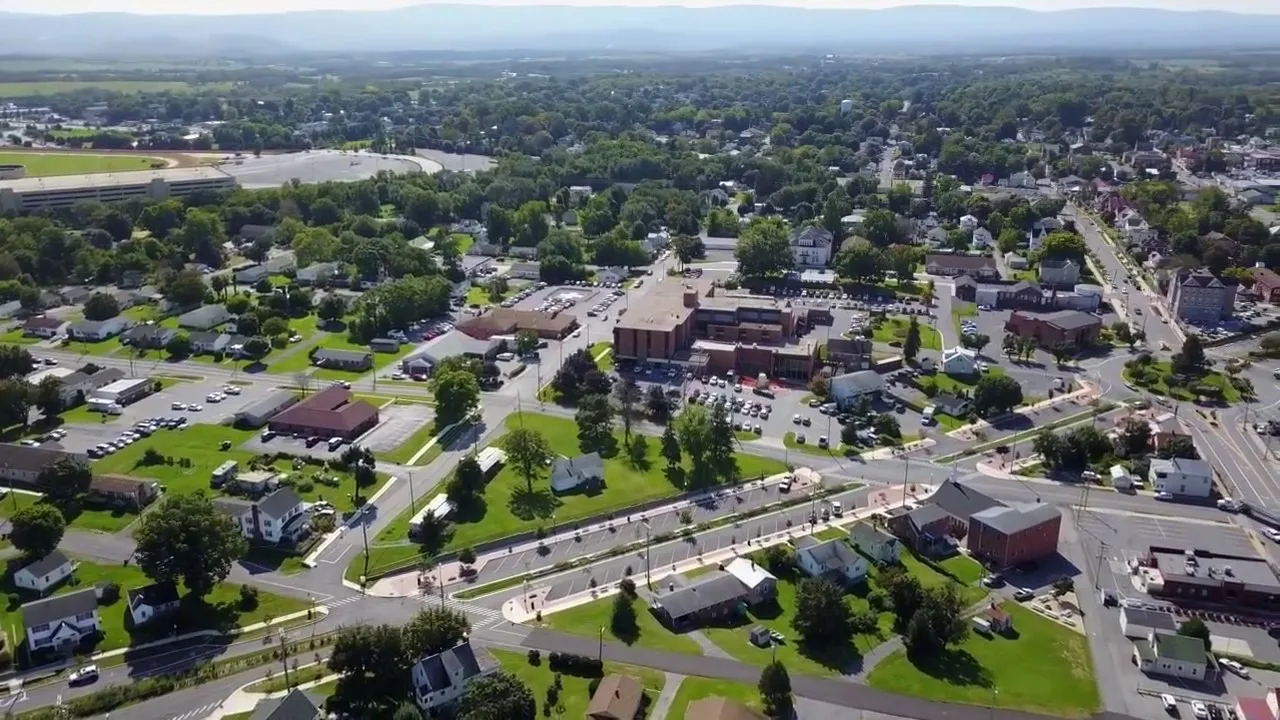
Water spreads through a Ranson home faster than most homeowners expect. A supply line that lets go at midnight can saturate subflooring, baseboards, and insulation before sunrise, and mold colonies can take hold in a day or two once humidity climbs inside a closed structure. Fire and smoke behave the same way - acidic soot keeps etching metal, glass, and finishes long after the flames are out.
Our restoration work in Ranson covers the full range of property emergencies:
- Water Damage Restoration - roof leaks, burst pipes, appliance failures, and storm intrusion, with extraction and structural drying documented by moisture meters.
- Flooded Basement - pumping standing water, drying block and poured foundation walls, and addressing the drainage or sump issue behind it.
- Sewage Cleanup - Category 3 backups from failed laterals, septic overflow, or municipal surcharges, handled with containment and antimicrobial treatment.
- Fire Damage Restoration - stabilization, debris removal, structural cleaning, and rebuild of damaged framing and finishes.
- Smoke Damage Restoration - soot removal, thermal fogging, HVAC cleaning, and odor neutralization at the source.
- Mold Removal - containment, HEPA filtration, removal of colonized materials, and correction of the moisture cause.
Benefits for Ranson residents include faster drying times, lower rebuild costs, protection of indoor air quality, and documentation your West Virginia insurance carrier can process directly.
Common Damage Restoration Issues in Ranson, West Virginia
Ranson sits in the middle of Jefferson County's mix of newer subdivisions and older housing stock near Charles Town, and each type brings its own failure points.
What causes damage here
- Spring and summer thunderstorms that lift shingles on newer subdivision roofs and pull flashing loose on rural Flowing Springs Road properties.
- Hydrostatic pressure against basement walls after heavy rain saturates the clay-heavy soils common in the Shenandoah Valley.
- Frozen and burst pipes in crawlspaces, garages, and exterior walls during January cold snaps.
- Aging cast iron and clay sewer laterals in older sections near downtown Charles Town that crack or collect root intrusion.
- Chimney and woodstove fires in homes that rely on supplemental heat through winter.
- Humid summer air feeding mold growth in unconditioned attics, crawlspaces, and finished basements.
Warning signs worth acting on
- Ceiling stains that reappear or grow after each storm
- Musty odor in a basement or closet that never fully clears
- Buckling laminate, cupping hardwood, or soft spots underfoot
- Slow floor drains or gurgling toilets, which often precede a sewage backup
- Peeling paint or bubbled plaster on exterior-facing walls
- Lingering smoke odor that returns when the furnace or AC runs
- Visible efflorescence - white powdery residue - on foundation block
Catching any of these early usually keeps a small repair from becoming a full mold remediation or rebuild project.
Neighborhoods We Serve in Ranson
We respond throughout Ranson city limits and across Jefferson County, covering both established streets and newer construction.
- Central Ranson along Fairfax Boulevard and Mildred Street
- Newer subdivisions off Charles Town Road and Route 9
- Rural properties along Flowing Springs Road and Leetown Road
- Adjacent downtown Charles Town and its historic district
- Shepherdstown, Harpers Ferry, and Bolivar
- Shenandoah Junction, Kearneysville, and Summit Point
- Middleway and surrounding farm properties
Because Ranson and Charles Town share so much infrastructure and housing character, our crews know which streets have older sewer laterals, which subdivisions were built on graded clay lots, and where storm runoff tends to collect. That local familiarity shortens the diagnostic step and gets drying equipment placed sooner.
Seasonal Damage Patterns in Ranson
Winter (December - February)
- Frozen and burst supply lines in crawlspaces and exterior walls
- Ice damming on low-slope roof sections, pushing water into ceilings
- Peak season for chimney, woodstove, and space heater fires
- Smoke damage from puffback events on oil-fired furnaces
Spring (March - May)
- Snowmelt plus heavy rain overwhelming sump pumps and flooding basements
- Thunderstorm wind lifting shingles and loosening chimney flashing
- First mold growth of the year as temperatures rise in damp basements
Summer (June - August)
- Severe storms driving water through compromised roofs and attic vents
- Mold blooming behind furniture, in closets, and inside HVAC systems
- Condensation damage on ductwork in humid crawlspaces
- Sewage backups when saturated ground stresses septic fields
Fall (September - November)
- Remnants of tropical systems bringing sustained heavy rainfall
- Clogged gutters redirecting water against foundations
- Early-season heating fires as furnaces and flues restart after months idle
Housing Characteristics & Restoration Considerations
Ranson's housing runs from early-1900s workers' homes near the original town grid to subdivisions built in the last two decades. Each era changes how a restoration project unfolds.
Older homes (pre-1950)
- Lath-and-plaster walls that hold moisture far longer than drywall and need controlled drying rather than immediate demolition
- Balloon framing that lets water and smoke travel vertically between floors
- Stone or unreinforced block foundations prone to seepage during heavy rain
- Possible asbestos-containing floor tile, mastic, or pipe wrap requiring careful handling
- Original slate or standing-seam metal roofs where flashing at chimneys and dormers fails first
Mid-century homes (1950s - 1980s)
- Finished basements with paneling and carpet that trap moisture against block walls
- Galvanized or early copper plumbing nearing the end of service life
- Limited attic ventilation, which accelerates mold after any roof leak
Newer subdivision construction (1990s - present)
- Engineered joists and OSB subfloor that lose strength quickly when saturated
- Tight building envelopes that hold humidity and smoke odor inside
- Vinyl siding and housewrap that can hide wind-driven water intrusion
- Second-floor laundry rooms and upstairs water heaters that flood multiple levels when they fail
We adjust drying strategy, containment, and rebuild methods to match the construction we find rather than applying one approach to every address.
Environmental Conditions & Damage Implications
Ranson sits in the lower Shenandoah Valley with a humid continental climate - cold, wet winters and warm, sticky summers. Those conditions shape almost every restoration decision made here.
Climate and humidity
- Summer indoor relative humidity often exceeds the 60 percent threshold where mold thrives
- Annual rainfall in the low-to-mid 40-inch range, concentrated in convective summer storms
- Freeze-thaw cycling that widens foundation cracks year after year
- Dehumidification, not just air movement, drives effective structural drying in this region
Soil and groundwater
- Clay-rich and limestone-influenced soils that drain slowly and push water toward foundation walls
- Karst geology across parts of Jefferson County, producing unpredictable subsurface water movement
- High seasonal water tables that keep sump pumps cycling for days after a storm
- Hard, mineral-heavy water that leaves scale in supply lines and shortens water heater life
Air quality implications
- Pollen and agricultural dust that load HVAC filters and worsen post-fire particulate issues
- Smoke residue that migrates into duct systems and re-releases odor whenever equipment runs
- Sewage events that introduce bacteria and endotoxins requiring negative air pressure and HEPA scrubbing
Every project includes moisture mapping and post-remediation verification so we can confirm the structure is genuinely dry - not just dry on the surface.
Storm Roof Leaks to Finished Rebuild: How Ranson Claims Get Handled
Most water losses in Ranson start above the ceiling. Spring and summer thunderstorms roll across Jefferson County, lift shingles on newer subdivisions, and tear flashing loose on rural Flowing Springs Road properties. By the time a homeowner notices the stain, water has already traveled through insulation and into wall cavities.
Our response sequence
- Emergency stabilization - tarp the roof or complete temporary leak repair to stop active intrusion.
- Inspection and moisture mapping - thermal imaging and penetrating meters trace how far water has migrated beyond the visible stain.
- Extraction - truck-mounted and portable equipment removes standing water from floors, basements, and saturated carpet pad.
- Controlled demolition - only materials that cannot be dried in place come out, with containment to protect the rest of the home.
- Structural drying - air movers plus commercial dehumidifiers, with daily moisture readings logged against drying goals.
- Antimicrobial application - treatment of affected framing and substrates to prevent secondary mold growth.
- Rebuild - insulation, drywall or plaster repair, trim, paint, flooring, and permanent roof repair.
Standards and documentation
- Work follows recognized industry guidance for water restoration, mold remediation, and fire and smoke cleanup
- Category 3 sewage losses receive full PPE protocols, negative air containment, and disposal of porous materials
- Photo documentation, moisture logs, and line-item estimates prepared in the format WV carriers expect
- Direct billing to your insurance company, with a single point of contact from mitigation through rebuild
- No-obligation damage inspection before any work begins
Keeping mitigation and reconstruction under one roof means the crew that dried your ceiling is the same team that rebuilds it - fewer handoffs, and no gap where a small leak quietly becomes a mold job.





