Damage Restoration in Hancock County, MS
- Damage Restoration Services Overview
- Common Damage Restoration Issues in Hancock County, Mississippi
- Neighborhoods We Serve in Hancock County
- Seasonal Damage Patterns in Hancock County
- Housing Characteristics & Restoration Considerations
- Environmental Conditions & Damage Implications
- Hurricane and Flood Recovery: Modern Drying Technology on the Mississippi Coast
Damage Restoration Services Overview
Water spreads through drywall, subflooring, and insulation within minutes, and mold colonies can establish themselves in Hancock County's humid Gulf Coast air in a day or two. Fast action separates a manageable cleanup from a full reconstruction project.
Restoration teams serving Bay St. Louis, Waveland, Diamondhead, and the surrounding communities handle the full range of property emergencies for homes and businesses:
- Water Damage Restoration - extraction, structural drying, and moisture mapping after burst supply lines, roof leaks, appliance failures, and storm intrusion
- Flooded Basement - pump-out, dehumidification, and drying of below-grade and sub-floor spaces, including crawl spaces common throughout the county
- Sewage Cleanup - removal of contaminated water, antimicrobial treatment, and safe disposal of porous materials after backups or septic failures
- Fire Damage Restoration - debris removal, structural stabilization, content cleaning, and coordinated rebuild
- Smoke Damage Restoration - soot removal from surfaces and HVAC systems plus odor neutralization at the molecular level
- Mold Removal - inspection, containment, remediation, and correction of the moisture source feeding the growth
Technicians trained through ongoing IICRC-industry certification bring documented drying standards, moisture readings, and photo records to every job - the same documentation insurance carriers expect. The aim is straightforward: limit disruption to your household or business and restore the property so it looks "Like it never even happened."
Common Damage Restoration Issues in Hancock County, Mississippi
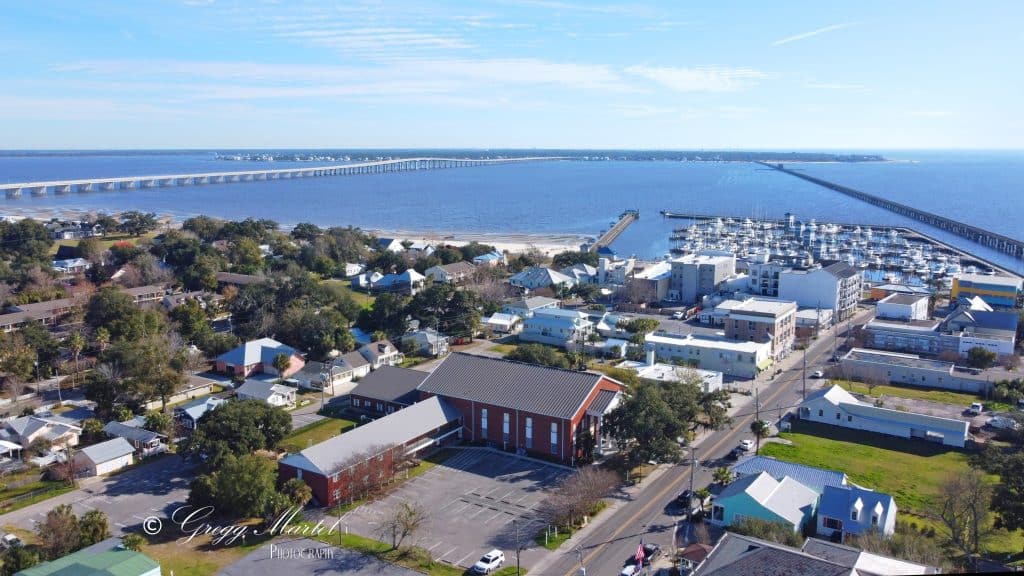
Hancock County sits at sea level along the Mississippi Sound, with the Jourdan, Wolf, and Pearl river systems draining through it. Flood hazard areas across unincorporated portions of the county are subject to periodic inundation, and that reality shapes nearly every restoration call placed here.
Local Causes of Property Damage
- Tropical storms and hurricane storm surge pushing brackish water into ground-floor living space
- Heavy rainfall on flat, poorly draining coastal soil that backs up against slabs and crawl space vents
- Municipal sewer surcharges and septic system saturation during prolonged rain events
- Year-round humidity that keeps building materials from drying naturally
- Electrical fires from aging wiring, plus kitchen and outdoor grill fires
- Lightning strikes during the frequent summer thunderstorm season
- Salt-air corrosion accelerating failures in plumbing fittings and water heaters
Warning Signs Worth Acting On
- Musty odor in closets, under sinks, or near floor registers
- Cupping or buckling in hardwood and laminate flooring
- Staining on ceilings, band boards, or the underside of subfloor
- Sagging or springy floors suggesting weakened joists and beams
- Standing water or condensation on crawl space vapor barriers
- Gurgling drains or slow toilets that signal a developing sewage backup
- Lingering smoke odor that returns on humid days after a small fire
Small clues often precede large losses. A stain the size of a dinner plate frequently traces back to weeks of hidden saturation inside a wall cavity.
Neighborhoods We Serve in Hancock County
Crews respond across the county, from the waterfront to the pine flats inland:
- Bay St. Louis - Old Town, Cedar Point, North Beach, and the Highway 90 corridor
- Waveland - Coleman Avenue businesses, Beach Boulevard properties, and residential blocks north of the tracks
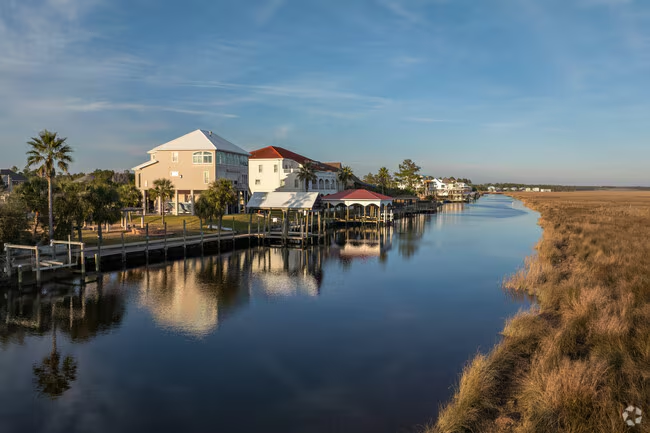
- Diamondhead - golf course neighborhoods, canal-front homes, and Yacht Club Circle
- Kiln and the Jourdan River communities
- Pearlington and the Pearl River basin
- Lakeshore, Clermont Harbor, and Shoreline Park
- Ansley, Fenton, Dedeaux, and Napoleon
- Rural properties along Highway 603, Kiln-DeLisle Road, and Lower Bay Road
Commercial work includes marinas, restaurants, churches, schools, retail spaces, and rental properties. Familiarity with local building stock - from raised beach cottages to slab-built subdivisions - shortens the time between the first call and the first dehumidifier running.
Seasonal Damage Patterns in Hancock County
Restoration demand here follows a predictable rhythm tied to Gulf weather.
- December through February: Occasional hard freezes crack exposed supply lines under raised homes and in unconditioned crawl spaces. Heating equipment and space heaters drive a rise in fire and smoke damage calls.
- March through May: Spring frontal storms bring heavy rain, wind-driven water intrusion around windows and roof penetrations, and the first mold complaints as humidity climbs.
- June through August: Daily thunderstorms, lightning-related fires, condensate line clogs from overworked air conditioners, and rapid mold growth. Sewage backups increase when saturated ground overwhelms septic drain fields.
- August through October: Peak hurricane season. Storm surge, roof loss, flooded lower levels, and widespread contaminated water calls concentrate in this window.
- November: Post-storm mold discovery season, when hidden moisture from earlier events finally shows itself, plus early heating-season smoke incidents.
Pre-season inspections of crawl spaces, sump systems, roof flashing, and dryer vents reduce the odds of an emergency at the worst possible moment.
Housing Characteristics & Restoration Considerations
Hancock County's building stock is a blend of pre-Katrina cottages, post-2005 elevated construction, and newer slab-on-grade subdivisions. Each type responds differently to water, fire, and mold.
Common Construction Types
- Raised pier-and-beam homes - open or enclosed crawl spaces that trap humidity and collect flood water
- Elevated coastal homes - built to post-storm flood standards, often with ground-level garages and storage that flood first
- Slab-on-grade ranch homes - wicking moisture into bottom plates and carpet tack strips when water enters
- Historic Old Town structures - plaster, heart pine, and original millwork requiring gentle drying and specialty cleaning
- Manufactured and modular housing - tight cavities and paper-faced insulation that hold moisture and smoke odor
- Split-level and daylight-basement layouts in Diamondhead - lower levels prone to intrusion from grade
How Construction Shapes the Work
- Weakened joists and beams may need SmartJack-style supports, band board blocking, or sistering of damaged joist ends before drying equipment is staged
- Blown cellulose and batt insulation in older walls usually requires removal after contaminated water contact
- Smoke travels through open floor framing in raised homes, so odor treatment extends well beyond the fire room
- Vinyl flooring over slab traps moisture and demands controlled removal rather than surface drying
- Enclosed crawl spaces benefit from vapor barrier replacement and encapsulation after flooding
- Sewage events in porous historic materials often mean selective demolition to reach sanitary substrate
Environmental Conditions & Damage Implications
The county's subtropical climate, sandy-clay coastal soils, and shallow water table create conditions that favor microbial growth and slow natural drying.
Climate and Moisture Factors
- Annual rainfall well above the national average, concentrated in intense summer downpours
- Relative humidity that regularly stays above 70 percent, keeping indoor materials near mold-friendly moisture content
- Mild winters that never fully halt fungal activity
- Salt aerosol from the Sound accelerating corrosion of fasteners, ductwork, and electrical components after water exposure
Soil, Water, and Air
- Low-lying, poorly draining soils that hold water against foundations long after rain stops
- A high water table that pushes hydrostatic pressure against slabs and crawl space grade
- Brackish flood water carrying silt, bacteria, and organic debris - always treated as contaminated
- Septic-served rural properties where saturated drain fields lead to backups indoors
- Pollen and coastal mold spores that raise indoor air quality concerns for allergy-sensitive occupants
What This Means for Restoration
- Drying plans rely on low-grain refrigerant and desiccant dehumidification rather than ventilation alone
- Containment barriers and negative air machines protect unaffected rooms during mold and sewage work
- Antimicrobial application follows extraction on nearly every category two or three loss
- Post-drying moisture verification prevents mold from returning inside repaired assemblies
Hurricane and Flood Recovery: Modern Drying Technology on the Mississippi Coast
Storm recovery in Hancock County rarely involves a single service. A hurricane that pushes surge into Waveland or Lakeshore leaves behind saturated framing, contaminated water, ruined contents, and - if drying stalls - mold within days. Handling all of it under one coordinated plan keeps the timeline tight and the documentation consistent for insurance purposes.
Equipment Used on Coastal Losses
- Truck-mounted and portable extraction units for high-volume water removal
- Submersible pumps sized for flooded lower levels and crawl spaces
- Low-grain refrigerant dehumidifiers built for high-humidity Gulf conditions
- Desiccant units for dense materials such as hardwood, plaster, and concrete
- Air movers positioned by calculated airflow patterns rather than guesswork
- Thermal imaging cameras and penetrating moisture meters for locating hidden saturation
- HEPA air scrubbers and negative air machines for mold and sewage containment
- Hydroxyl generators, ozone units, and thermal fogging for smoke odor
- Injectidry systems for drying wall cavities without full demolition
A Typical Storm Response Sequence
- Emergency contact and dispatch, with safety and utility assessment on arrival
- Moisture mapping and classification of water category and damage class
- Water extraction and removal of unsalvageable porous materials
- Structural stabilization where framing, joists, or beams have been compromised
- Antimicrobial treatment of affected surfaces
- Placement of drying equipment with daily moisture readings logged
- Soot and odor treatment where fire or smoke is involved, including HVAC cleaning
- Content cleaning, pack-out, and storage as needed
- Verification that materials have reached dry standard
- Repairs and reconstruction to return the property to pre-loss condition
Backing from a nationwide franchise system means additional crews and equipment can surge into the county when a named storm affects thousands of properties at once - no loss is too large or too small.