
Damage Restoration in Waveland, MS
- Damage Restoration Services Overview
- Common Damage Restoration Issues in Waveland, Mississippi
- Neighborhoods We Serve in Waveland
- Seasonal Damage Patterns in Waveland
- Housing Characteristics & Restoration Considerations
- Environmental Conditions & Damage Implications
- Hurricane Season Readiness and Post-Storm Restoration on the Hancock County Coast
Damage Restoration Services Overview
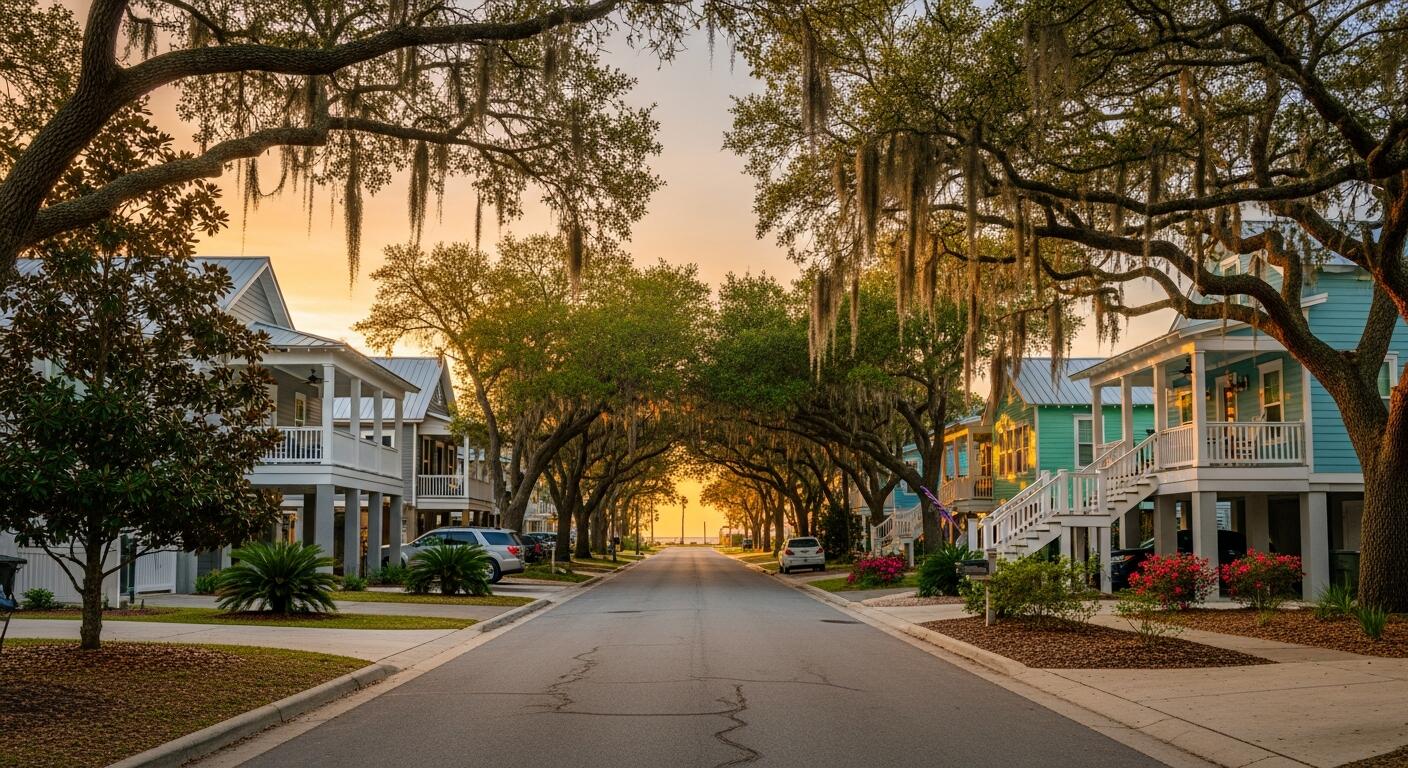
Waveland sits barely a few feet above sea level, and Hurricane Katrina's storm surge pushed water more than 25 feet high through this small Hancock County city - flattening most of what stood near the beachfront. That history shapes how property owners here think about moisture, wind, and rebuilding.
Restoration work along the Mississippi Gulf Coast has to account for salt air, sandy soil, high humidity, and a water table that sits close to the surface. A single afternoon thunderstorm can put standing water in a crawlspace, and a slow supply line leak behind a wall can seed mold growth within a couple of days.
- Water Damage Restoration - extraction, structural drying, and moisture mapping after leaks, roof failures, and storm intrusion
- Flooded Basement - pump-out and dry-down for below-grade rooms, sunken slabs, storage areas, and crawlspaces
- Sewage Cleanup - removal of Category 3 contaminated water, antimicrobial treatment, and safe disposal of porous materials
- Fire Damage Restoration - debris removal, soot cleaning, structural stabilization, and full rebuild coordination
- Smoke Damage Restoration - odor neutralization, HVAC cleaning, and treatment of walls, textiles, and contents
- Mold Removal - containment, air filtration, affected material removal, and correction of the moisture source
The benefit for Waveland residents is simple: faster response means less demolition, fewer contents lost, and a smoother insurance claim.
Common Damage Restoration Issues in Waveland, Mississippi
Geography drives most of the damage calls in this part of Hancock County. Waveland's low elevation, proximity to the Bay of St. Louis and the Mississippi Sound, and heavy annual rainfall create conditions where water finds its way inside repeatedly.
Local Causes of Damage
- Tropical storm and hurricane surge pushing brackish water into ground-floor living space
- Torrential summer downpours overwhelming yard drainage and gutter systems
- Sanitary sewer backups when municipal lines take on stormwater during heavy rain
- Failed sump pumps and float switches in sunken utility rooms and crawlspaces
- Air conditioning condensate line clogs dripping into ceilings and wall cavities
- Lightning strikes and electrical faults igniting attic and appliance fires
- Outdoor cooking, fire pits, and grease fires spreading smoke through open floor plans
Warning Signs Worth Acting On
- Musty or earthy odor that grows stronger when the HVAC cycles on
- Buckling laminate, cupping hardwood, or soft spots underfoot near exterior walls
- Tannin staining or bubbling paint on ceilings after a windy rain event
- Gurgling drains or slow toilets, often the first hint of a sewer line problem
- Dark speckling along baseboards, closet corners, and behind furniture on north-facing walls
- Lingering campfire smell weeks after a small kitchen or electrical fire
- Rusting fasteners, corroded HVAC coils, and condensation on interior windows
Any one of these signs usually means moisture has been present longer than the homeowner realizes, and hidden cavity damage is likely.
Neighborhoods We Serve in Waveland
Crews cover the full stretch of Waveland and the surrounding Hancock and Harrison County communities.
- Beach Boulevard and the waterfront blocks near Coleman Avenue
- Central Waveland along Highway 90 and Nicholson Avenue
- Northern subdivisions off Highway 603 and Longfellow Drive
- The Waveland - Bay St. Louis corridor and adjacent Diamondhead approaches
- Rural properties toward Pearlington and the Pearl River line
Service also extends to Pass Christian, Long Beach, Carriere, Poplarville, Baxterville, Purvis, Lumberton, and Hattiesburg. That regional footprint matters after a named storm, when local resources get stretched thin and additional equipment has to be staged from inland.
Coastal properties, older cottages set back in the pines, and newer elevated builds each present different drying challenges - and each gets an approach matched to its construction.
Seasonal Damage Patterns in Waveland
Spring (March - May)
- Severe thunderstorm season brings wind-driven rain, roof leaks, and ceiling water damage
- Rising humidity restarts dormant mold colonies in attics and crawlspaces
- Heavy runoff floods low-lying storage rooms and below-grade areas
Summer (June - August)
- Peak mold growth as dew points climb and indoor humidity holds above 60 percent
- Air conditioning overflow leaks show up in ceilings and closets
- Early hurricane season activity brings surge flooding and sewage backups
Fall (September - November)
- Statistically the busiest tropical months for the Mississippi coast
- Generator misuse and fuel storage lead to fire and smoke damage calls
- Post-storm mold blooms appear two to three weeks after flooding
Winter (December - February)
- Occasional hard freezes burst uninsulated pipes and hose bibs
- Space heaters, fireplaces, and holiday cooking drive fire and smoke incidents
- Closed-up homes trap moisture, accelerating hidden mold behind furniture
Housing Characteristics & Restoration Considerations
Waveland's housing stock splits into two distinct eras: what survived Katrina and what was built after. Both categories affect how restoration is approached.
Pre-2005 Construction
- Slab-on-grade ranch homes from the 1960s through 1990s with wood framing and drywall
- Raised Creole cottages and beach camps on pier-and-beam foundations
- Original galvanized or early copper plumbing prone to pinhole leaks
- Cast iron sewer laterals that crack and root-intrude, raising sewage backup risk
- Possible asbestos-containing floor tile and mastic requiring careful handling
Post-Katrina Rebuilds
- Elevated pilings and stem walls raising living space above base flood elevation
- Enclosed ground-level areas used for parking and storage that flood by design
- Tighter building envelopes and spray foam that trap moisture when leaks occur
- Fiber cement siding and hurricane strapping that hold up better in wind events
How Construction Shapes the Work
- Pier-and-beam homes need subfloor drying and crawlspace dehumidification, not just surface extraction
- Slab homes require moisture readings in bottom plates and wicking checks up drywall
- Elevated homes with enclosed lower levels need flood vents inspected and materials selected for wet-service exposure
- Tight modern envelopes demand controlled dehumidification so trapped vapor does not feed mold
- Fire and smoke work in open-plan rebuilds requires HVAC duct cleaning, since soot travels the whole system
Environmental Conditions & Damage Implications
Waveland's climate is humid subtropical with roughly 60 inches of rain per year - well above the national average - and summer dew points that regularly sit in the mid-70s.
Climate and Air
- Year-round humidity keeps indoor materials near the threshold where mold activates
- Salt aerosol from the Sound corrodes metal fasteners, ductwork, and appliance components
- Pollen and coastal particulates load HVAC filters, worsening post-fire smoke odor circulation
- Mild winters mean mold growth rarely goes fully dormant
Soil and Groundwater
- Sandy coastal soils drain quickly but saturate fast during sustained rainfall
- Shallow water table pushes hydrostatic pressure against slabs and foundation walls
- Clay lenses inland toward Pearlington hold water and slow crawlspace drying
- Shifting soils crack sewer laterals, contributing to backup events
Water Quality Factors
- Storm surge water is brackish and carries silt, fuel residue, and biological contaminants
- Flood water entering a home is treated as Category 3 regardless of appearance
- Salt residue left in framing draws moisture back in, so rinsing and neutralizing matters
- Sewage exposure requires full removal of carpet, pad, and saturated drywall
These conditions mean drying targets in Waveland are stricter than in drier climates - equipment often runs longer, and confirming dryness with meters rather than appearance protects against repeat mold problems.
Hurricane Season Readiness and Post-Storm Restoration on the Hancock County Coast
Waveland residents know the drill better than most. When a system enters the Gulf, the window between watch and landfall is short, and the choices made in that window determine how much of a home survives.
Before the Storm
- Photograph every room, closet, and mechanical system for claim documentation
- Move contents off floors and up at least one level where possible
- Test sump pumps and clear all gutters, downspouts, and yard drains
- Store flood policy numbers and adjuster contacts somewhere accessible offline
- Shut off gas and power at the panel if evacuation is ordered
After the Water Recedes
- Treat all flood water as contaminated - boots, gloves, and respirators before entry
- Do not run the HVAC system if the air handler or ducts took on water
- Open the structure only if outdoor humidity is lower than indoor humidity
- Remove saturated carpet and pad early, before it wicks into base cabinets
- Call for professional extraction rather than waiting for the insurance adjuster
Why Speed Changes Outcomes
Mold can begin colonizing damp gypsum in a couple of days under Gulf Coast conditions. Salt-laden surge water accelerates corrosion in wiring, hinges, and HVAC coils. Soot from a post-storm generator or electrical fire becomes acidic within hours and etches glass, chrome, and finished surfaces permanently.
The restoration sequence rarely changes: stabilize the structure, extract standing water, remove unsalvageable porous materials, dry to verified targets, treat for microbial growth, then rebuild. Handling fire, smoke, water, sewage, and mold work under one coordinated plan keeps the timeline tight and prevents one crew undoing another's progress - which matters most when an entire neighborhood is competing for the same equipment and labor.





