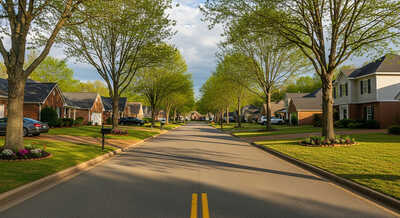
Damage Restoration in Madison County, MS
- Damage Restoration Services Overview
- Common Damage Restoration Issues in Madison County, Mississippi
- Neighborhoods We Serve in Madison County
- Seasonal Damage Patterns in Madison County
- Housing Characteristics & Restoration Considerations
- Environmental Conditions & Damage Implications
- Why Moisture Source Correction Matters More Than Drying in Madison County
Damage Restoration Services Overview

What happens in the hours between the moment water starts moving through your walls and the moment someone with a moisture meter walks through your door? In Madison County, that gap decides almost everything about the cost, the disruption, and whether mold follows.
Property damage rarely stays in one category. A burst supply line becomes a flooded basement, then a humidity problem, then a mold colony behind the baseboards. A kitchen fire leaves behind smoke residue and the water used to put it out. Restoration work here addresses the full chain of events rather than the single visible symptom.
- Water Damage Restoration - extraction, structural drying, and moisture mapping after supply line failures, roof leaks, and appliance overflows
- Flooded Basement - pump-out, content triage, and drying of below-grade and daylight-basement spaces
- Sewage Cleanup - containment and decontamination after septic backups and municipal line failures
- Fire Damage Restoration - debris removal, structural stabilization, and salvage assessment
- Smoke Damage Restoration - soot removal, odor neutralization, and HVAC decontamination
- Mold Removal - containment, remediation, and correction of the moisture source feeding the growth
The benefit for Madison County homeowners is straightforward: one response team that recognizes how Mississippi's humidity turns a small intrusion into a long-term problem.
Common Damage Restoration Issues in Madison County, Mississippi
Claims from Gluckstadt, Madison, Ridgeland, and Canton properties follow a predictable pattern - the smaller the initial response, the larger the eventual loss. Homeowners who mop up visible water and move on almost always call back weeks later about a musty smell.
Recurring Causes Across the County
- Heavy spring rainfall overwhelming yard drainage and pushing water against foundation walls
- Septic system saturation in rural areas where the water table rises after multi-day storms
- Aging supply lines and water heater failures in homes built during the 1980s and 1990s growth wave
- Winter freeze events cracking pipes in unconditioned crawl spaces and exterior walls
- Cooking fires, electrical faults, and fireplace issues concentrated in the cooler months
- Persistent subtropical humidity that keeps building materials from ever fully drying on their own
Warning Signs Worth Acting On
- A musty or earthy odor that intensifies when the HVAC system cycles on
- Flooring that cups, buckles, or feels soft underfoot near exterior walls
- Discoloration or bubbling paint along baseboards and the bottom of drywall sheets
- Gurgling drains or slow toilets, which often precede a full sewage backup
- Soot film on windows, light fixtures, or air vents lingering after a small fire
- Allergy-like symptoms that improve when occupants leave the house
Catching any of these early keeps a drying project from turning into a demolition and rebuild project.
Neighborhoods We Serve in Madison County
Coverage extends across the full county and into the surrounding metro, with response teams positioned for both suburban subdivisions and rural properties on septic systems.
- Madison - established subdivisions, Lake Caroline area homes, and commercial corridors along Highway 51
- Ridgeland - Reservoir-adjacent properties, Northpark area businesses, and older neighborhoods near Old Canton Road
- Gluckstadt - newer construction along the I-55 corridor and surrounding acreage properties
- Canton - historic downtown structures, older wood-frame housing, and industrial facilities
- Flora and Camden - rural homes on well and septic systems
- Sharon, Way, and Cameron - outlying communities with limited municipal drainage
Service also reaches neighboring Hinds, Rankin, and Copiah Counties, including Jackson and the communities ringing the Ross Barnett Reservoir and Pearl River floodplain.
Seasonal Damage Patterns in Madison County
Damage types cluster by season here, and knowing the pattern helps homeowners prepare instead of react.
Spring (March - May)
- Peak season for flooded basements and crawl space intrusion
- Septic saturation and sewage backups as the water table rises
- Storm-driven roof damage leading to interior water losses
Summer (June - August)
- Mold growth accelerates in any space with lingering moisture
- HVAC condensate line clogs flooding closets, attics, and hallways
- Lightning strikes causing electrical fires and smoke damage
Fall (September - November)
- Tropical system remnants delivering heavy, sustained rainfall
- First heating-season use of fireplaces and furnaces producing smoke incidents
- Gutter overflow from leaf accumulation pushing water toward foundations
Winter (December - February)
- Freeze events cracking pipes in crawl spaces and exterior walls
- Highest concentration of cooking and space heater fires
- Mild, damp stretches that never allow wet materials to dry, keeping mold risk active
Housing Characteristics & Restoration Considerations
Madison County's housing stock spans more than a century, and each era brings its own restoration challenges.
Construction Eras and What They Mean
- Pre-1940 Canton homes - balloon framing, plaster over lath, and original wood floors. Water travels vertically inside wall cavities with nothing to stop it, and plaster holds moisture far longer than drywall. Fire and smoke damage in these structures often requires careful salvage work on irreplaceable millwork.
- 1970s - 1990s subdivisions - slab-on-grade and crawl space foundations with original galvanized or early plastic supply lines. Failures here are common and often go unnoticed under carpet or behind cabinetry.
- 2000s - present construction - tightly sealed envelopes with spray foam or dense insulation. Efficient, but they trap moisture. A small leak in one of these homes can support mold growth for months without any visible sign.
Restoration Implications
- Crawl space homes need under-floor moisture assessment, not just interior drying, since vapor migrates upward into subfloors.
- Slab foundations require careful attention to wicking - concrete pulls water into bottom plates and baseboards.
- Homes with ducted HVAC in attics or crawl spaces need duct inspection after any smoke or sewage event, since contaminants redistribute through the system.
- Finished basements and daylight lower levels demand rapid pump-out before drywall and framing absorb standing water.
- Historic materials should be evaluated for salvage before removal, since replacements rarely match.
Environmental Conditions & Damage Implications
Mississippi's subtropical climate is the single biggest variable in how damage behaves after the initial event. Hot, humid summers and mild winters that rarely dry out create year-round mold risk following any water intrusion.
Climate Factors
- Annual rainfall well above the national average, spread across all four seasons
- Relative humidity that regularly stays above the threshold where mold colonizes untreated materials
- Few genuinely dry stretches, meaning passive drying with open windows rarely works
- Occasional hard freezes that catch under-insulated plumbing unprepared
Soil and Groundwater
- Yazoo clay and similar expansive soils across much of the county swell when saturated and shrink in drought
- Foundation movement from this cycle opens cracks that admit groundwater during heavy rain
- Slow-draining clay holds water against foundation walls rather than letting it percolate away
- Rural septic drain fields in clay soil saturate quickly, raising backup risk during wet periods
Air and Water Quality Effects
- Smoke residue bonds more aggressively to surfaces in humid air, making DIY cleaning attempts likely to smear rather than remove soot
- Airborne mold spores are present year-round outdoors, so any indoor moisture source finds a ready supply
- Sewage contamination in warm conditions supports rapid bacterial growth, requiring containment and antimicrobial treatment rather than surface cleaning
Effective restoration here means controlling the indoor environment with commercial dehumidification and air movement - the outdoor air offers no help.
Why Moisture Source Correction Matters More Than Drying in Madison County
The most frustrating call a restoration team gets is the repeat call - same house, same wall, same musty smell, six months after everything was dried and rebuilt. It happens when the water is removed but the reason the water arrived is left in place.
The Problem
In a climate this humid, a corrected-looking repair over an uncorrected source is a mold incubator. Clay soil pressing against a foundation, a grading slope that runs toward the house, a crawl space with no vapor barrier, or a condensate line that clogs every summer will all reproduce the original loss.
The Approach
- Trace the water to its origin - thermal imaging and moisture meters map the full extent, including cavities that look dry from the outside.
- Identify the mechanism - hydrostatic pressure, plumbing failure, roof intrusion, condensation, or sewage backflow each call for a different correction.
- Stabilize and contain - extraction, negative air, and containment barriers stop contamination from spreading through the structure.
- Dry to documented targets - commercial dehumidifiers run until materials reach verified dry standards, not until surfaces feel dry.
- Correct the source - grading adjustments, vapor barriers, drainage improvements, plumbing repair, or septic evaluation depending on findings.
- Rebuild with the climate in mind - material choices and details that tolerate Mississippi humidity better than the originals did.
The Benefit
- One project instead of a recurring seasonal problem
- Documentation that supports the insurance claim and any future property sale
- Lower long-term mold risk in a region where spores are always available
- Confidence that the finished walls hide a corrected condition, not a hidden one
Whether the event was a flooded basement in Gluckstadt, a septic backup outside Camden, or a kitchen fire in Ridgeland, the work is only finished when the cause is handled alongside the damage.