
Damage Restoration in Canton, MS
- Damage Restoration Services Overview
- Common Damage Restoration Issues in Canton, Mississippi
- Neighborhoods We Serve in Canton
- Seasonal Damage Patterns in Canton
- Housing Characteristics & Restoration Considerations
- Environmental Conditions & Damage Implications
- Working Your Insurance Claim in Madison County - What to Expect
Damage Restoration Services Overview
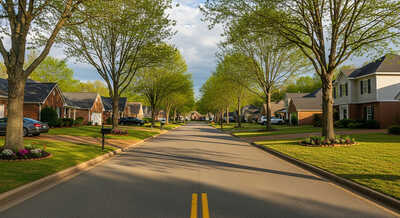
Canton sits less than ten miles from the Pearl River floodplain, and Madison County averages more than 55 inches of rainfall a year - roughly 20 inches above the national average. That combination puts local homes and businesses at steady risk of water intrusion, and it explains why restoration work here rarely stops at drying a carpet.
Property owners around Canton call on a full slate of emergency and rebuild services, each addressing a different failure point in the structure:
- Water Damage Restoration - extraction, structural drying, and moisture mapping after pipe breaks, roof leaks, and appliance failures
- Flooded Basement - pump-out, sump and drain assessment, and drying of below-grade rooms, crawl spaces, and storm cellars
- Sewage Cleanup - removal of Category 3 contaminated water, antimicrobial treatment, and disposal of porous materials
- Fire Damage Restoration - board-up, debris removal, structural cleaning, and reconstruction of burned assemblies
- Smoke Damage Restoration - soot removal, thermal fogging, HVAC cleaning, and odor neutralization
- Mold Removal - containment, HEPA filtration, controlled demolition, and clearance testing
The benefit of one team handling all six is continuity. Fire jobs almost always involve firefighting water, and untreated water jobs almost always turn into mold jobs. Restoration of Central Mississippi at 2500 Highway 51 works these overlaps daily, with crews typically reaching Canton addresses within 45 minutes, 24 hours a day. Call (601) 781-6073 for immediate help.
Common Damage Restoration Issues in Canton, Mississippi
Canton's damage profile is shaped by heavy Gulf moisture, aging municipal infrastructure, and a housing stock that spans two centuries. The same storm that floods a Highway 16 business can back up a sewer line off North Union Street.
What Drives Most Local Calls
- Spring thunderstorm flooding - fast, intense rainfall overwhelming yard drainage and pushing water through door thresholds and foundation joints
- Pearl River and creek backwater - prolonged high water saturating crawl spaces in low-lying areas south and east of town
- Sewer surcharge - stormwater overloading combined lines, forcing waste back through floor drains and basement fixtures
- Winter pipe failures - uninsulated supply lines in crawl spaces splitting during January and February freezes
- Electrical and kitchen fires - older wiring in mid-century homes and unattended cooking, both leaving heavy smoke residue far beyond the burn area
- Chronic humidity - summer dew points in the 70s feeding mold growth inside wall cavities, closets, and under vinyl flooring
Warning Signs Worth Acting On
- Musty odor that strengthens when the air conditioner cycles on
- Flooring that cups, buckles, or feels spongy near exterior walls
- Brown tide lines on baseboards or the bottom edge of drywall
- Gurgling toilets or slow floor drains during heavy rain
- Soot film on window glass, lampshades, or HVAC vents after any fire
- Peeling paint, condensation on ductwork, or visible growth on crawl space joists
Homeowners who ask whether lingering moisture from the 2020 Pearl River flood or the 2022 Jackson water crisis could still be feeding mold are asking the right question - hidden saturation in subfloors and insulation can persist for years without ever surfacing visibly.
Neighborhoods We Serve in Canton
Crews respond across Canton and the surrounding Madison County communities, adjusting approach to the housing type in each area.
- Historic Downtown and the Canton Square district - masonry commercial buildings and antebellum homes needing careful, low-impact drying
- North Canton and the Highway 51 corridor - mixed residential and commercial properties near our 2500 Highway 51 base
- East Canton and Lucy Street area - established neighborhoods with pier-and-beam construction
- Nissan Parkway and the industrial corridor - warehouse, office, and multi-tenant facilities
- Rural Madison County - Camden, Sharon, Way, and Flora, where private wells and septic systems change sewage cleanup protocols
Service extends throughout the wider Jackson metro, including Madison, Ridgeland, Gluckstadt, Jackson, Clinton, Brandon, Pearl, Flowood, Crystal Springs, and Hazlehurst across Hinds, Rankin, Madison, and Copiah counties.
Seasonal Damage Patterns in Canton
Restoration demand in Canton follows a predictable annual rhythm, and knowing it helps property owners prepare before the calls spike.
- December through February - hard freezes split supply lines in crawl spaces and unheated utility rooms; space heater and fireplace use drives fire and smoke damage calls
- March through May - severe thunderstorms, hail, and tornado-scale winds bring roof breaches, flooded basements, and storm-driven water damage; sewer backups increase during sustained downpours
- June through August - heat and 70-degree dew points make mold removal the dominant service; condensation in ducts, closets, and behind furniture accelerates growth after any unresolved leak
- September through October - Gulf tropical systems push inland moisture and prolonged rain, producing crawl space saturation and Pearl River backwater intrusion
- November - heating systems restart after months idle, igniting dust and lint in furnaces and flues and producing smoke odor throughout the structure
Year-round, sewage cleanup follows heavy rain events regardless of season, since stormwater infiltration into older sanitary lines does not wait for a particular month.
Housing Characteristics & Restoration Considerations
Canton's building stock is unusually varied for a town its size, and the construction era dictates almost every restoration decision made on site.
Common Construction Types
- Antebellum and Victorian homes near the Square - heart pine framing, plaster over wood lath, and brick pier foundations that absorb and hold water far longer than modern materials
- Mid-century ranch homes - slab-on-grade or shallow crawl space, original single-pane windows, and wiring that predates modern circuit protection
- 1970s-1990s subdivisions - vented crawl spaces, fiberglass batt insulation, and vinyl-faced drywall that traps moisture against the framing
- Newer Gluckstadt-area construction - tighter envelopes and spray foam that limit drying paths when water gets behind them
How That Shapes the Work
- Plaster walls call for injection drying and cavity ventilation rather than routine removal, preserving historic finishes
- Crawl space flooding demands joist and subfloor moisture readings, not just surface extraction
- Slab homes hide water beneath flooring adhesive, so meters and thermal imaging guide where material actually comes up
- Sewage in a pier-and-beam home means insulation and vapor barrier replacement, since contamination settles below the living space
- Old balloon framing lets smoke travel vertically between floors, so odor treatment must reach wall cavities and attic spaces
- Mold in mid-century closets and behind built-ins usually traces back to uninsulated exterior walls meeting conditioned air
Documenting these conditions with photos and moisture logs also strengthens the insurance file, which matters when a claim covers both structure and contents.
Environmental Conditions & Damage Implications
Central Mississippi's climate is effectively a year-round incubator for microbial growth, and local soil behavior compounds water intrusion problems.
Climate and Air
- Humid subtropical conditions with summer relative humidity frequently above 80 percent overnight
- Mild winters that rarely kill off mold spores, allowing growth cycles to continue into December
- Heavy pine and hardwood pollen loads that combine with soot after fires to worsen indoor air quality
- Long air-conditioning season, meaning contaminated HVAC systems distribute spores and smoke odor building-wide
Soil and Water
- Yazoo clay and related expansive soils - swell when wet and shrink in drought, cracking slabs and foundation walls and creating direct entry paths for groundwater
- Poor percolation - clay sheds water laterally toward foundations instead of absorbing it, a leading cause of flooded basements and wet crawl spaces
- High seasonal water table - keeps below-grade spaces damp even without a storm event
- Aging service lines and rural septic systems - raise the likelihood that intruding water is Category 2 or 3 rather than clean
What Restoration Crews Do About It
- Dehumidify to a documented target rather than a visual judgment, because clay-driven groundwater keeps re-supplying moisture
- Treat any water contacting soil or sewer lines as contaminated until testing says otherwise
- Run HEPA air scrubbing on mold and smoke jobs to protect occupants with asthma or allergies
- Recommend drainage and grading corrections so the same clay pressure does not repeat the loss
Working Your Insurance Claim in Madison County - What to Expect
The most stressful part of a fire or flood is rarely the cleanup itself - it is not knowing what is covered, what gets thrown away, and who is paying. Clear documentation from the first hour solves most of that.
The Process, Step by Step
- Emergency call and dispatch - a technician is typically en route within minutes, arriving at most Canton addresses in about 45 minutes
- Safety and source control - power hazards addressed, water shut off, structure boarded or tarped if a fire or storm compromised the envelope
- Documented inspection - moisture meters, thermal imaging, and photographs establish the full extent of loss before anything is removed
- Written scope review - the plan is walked through with you in plain language, including what dries in place and what has to come out
- Mitigation - extraction, containment, antimicrobial application, air scrubbing, and daily drying logs
- Adjuster coordination - readings, photos, and line-item scope submitted directly to your carrier
- Reconstruction - drywall, flooring, paint, cabinetry, and finish work returning the property to pre-loss condition
- Final verification - moisture clearance, odor check, and third-party mold clearance testing when applicable
Questions Worth Asking Any Contractor
- Are your technicians IICRC-certified for water, fire, and mold work?
- Will I receive daily moisture readings in writing?
- What is the reasoning behind removing this specific material?
- Who communicates with my adjuster, and will I see what gets submitted?
- Does the same company handle both mitigation and rebuild?
Straight answers to those five questions separate a smooth claim from a disputed one. Restoration of Central Mississippi keeps homeowners in Canton, Madison, Ridgeland, and across Hinds, Rankin, and Copiah counties informed at every stage - reach the 24/7 line at (601) 781-6073.





