
Damage Restoration in Bay St. Louis, MS
- Damage Restoration Services Overview
- Common Damage Restoration Issues in Bay St. Louis, Mississippi
- Neighborhoods We Serve in Bay St. Louis
- Seasonal Damage Patterns in Bay St. Louis
- Housing Characteristics & Restoration Considerations
- Environmental Conditions & Damage Implications
- Storm Surge Recovery and Coastal Restoration Planning in Hancock County
Damage Restoration Services Overview
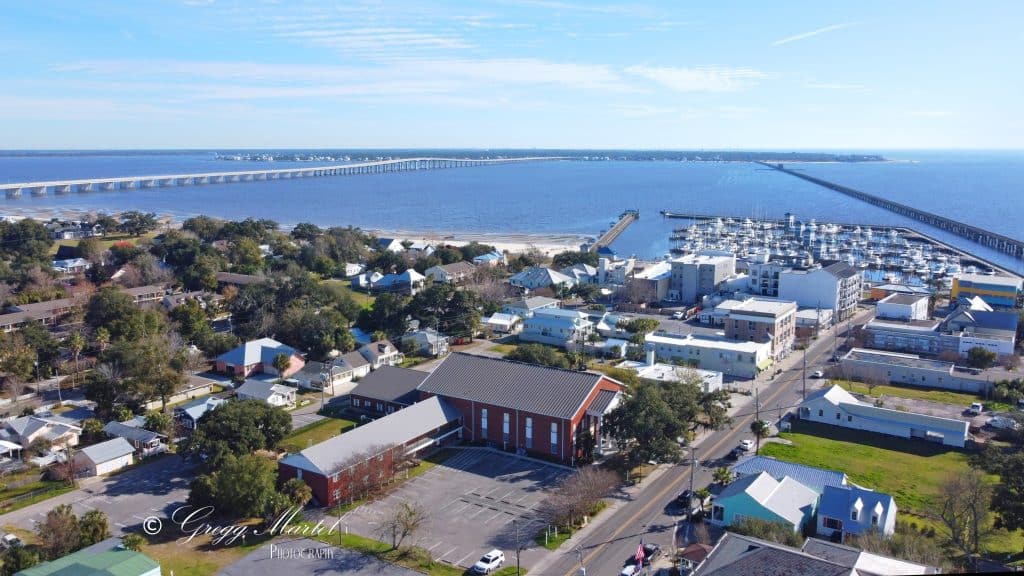
Bay St. Louis sits where the Mississippi Sound meets St. Louis Bay, and that waterfront setting shapes nearly every restoration call along Beach Boulevard, Old Town, and the neighborhoods stretching north toward Highway 603. Storm surge, sustained humidity, and aging coastal housing stock create damage patterns that differ sharply from inland Mississippi.
Local property owners rely on a full range of restoration work, including:
- Water damage restoration - extraction, structural drying, and moisture mapping after roof leaks, plumbing failures, and tidal flooding
- Flooded basement and below-grade cleanup - crawl spaces, sunken slabs, elevated-home ground levels, and utility rooms
- Sewage cleanup - septic backups and municipal line surcharges handled as Category 3 contamination
- Fire damage restoration - structural stabilization, soot removal, and content recovery
- Smoke damage restoration - odor neutralization, HVAC cleaning, and surface deodorization
- Mold removal - containment, remediation, and moisture-source correction
IICRC-certified specialists respond around the clock, because on the Gulf Coast a delayed response turns a repairable floor into a rebuild. Fast extraction limits secondary damage, protects framing and insulation, and keeps mold colonies from taking hold in wall cavities within the first 48 hours.
Call 24/7 at (228) 256-6023 or (844) 725-6298. The local office is at 412 US-90 Ste 3, Bay St. Louis, MS 39520.
Common Damage Restoration Issues in Bay St. Louis, Mississippi
Hancock County properties face a stacked set of risks - saltwater intrusion, subtropical humidity, and heavy convective rainfall that overwhelms drainage in low-lying blocks near the bay.
Leading Causes of Loss
- Tropical storm and hurricane surge pushing bay water into ground-level living space
- Wind-driven rain entering through roof edges, soffits, and older window flashing
- Sudden downpours flooding crawl spaces and sunken garages during summer thunderstorms
- Septic system saturation when the water table rises, forcing sewage back into fixtures
- Supply line and water heater failures in homes with older copper or polybutylene plumbing
- Electrical fires from storm-stressed panels, plus kitchen and grill-related fire loss
- Chronic condensation in crawl spaces and attics feeding mold growth
Warning Signs Worth Acting On
- Musty odor that intensifies when the HVAC runs - a common sign of mold in ductwork or wall cavities
- Cupping, buckling, or darkened hardwood near exterior walls
- Baseboards separating from drywall, or paint bubbling low on a wall
- Slow drains, gurgling toilets, or standing water near a septic field
- Persistent smoke odor weeks after a small kitchen fire, indicating soot residue in porous surfaces
- Rust staining on pier foundations or crawl space vapor barriers holding standing water
Salt residue left behind by surge water keeps materials hygroscopic - they pull humidity from the air long after the flood recedes. That is why professional drying and, when needed, salt-contaminated material removal matter more here than in freshwater flood zones.
Neighborhoods We Serve in Bay St. Louis
Crews respond throughout Bay St. Louis and the surrounding Hancock County communities, including:
- Old Town Bay St. Louis - historic cottages and raised structures near Main Street and the harbor
- Beach Boulevard waterfront - elevated homes exposed to direct surge and wind-driven rain
- Cedar Point and the North Beach area
- Bayou Phillips and Washington Street corridor
- Shoreline Park and Diamondhead along the bay's northern reach
- Waveland and Bayside Park to the south
- Kiln, Pearlington, and Lakeshore in western Hancock County
- Pass Christian and Long Beach across the bay bridge
Response teams stage from the US-90 office, which keeps travel time short for emergency extraction, sewage decontamination, and board-up work after fire loss - even when bridge traffic backs up during evacuation or return periods.
Seasonal Damage Patterns in Bay St. Louis
- January - March: Cold snaps burst exposed pipes under raised homes and in unheated crawl spaces. Heating equipment and fireplace use drives a seasonal uptick in fire and smoke damage calls.
- April - May: Spring frontal systems bring heavy rain and hail. Roof leaks, saturated crawl spaces, and early mold activity appear as humidity climbs.
- June - August: Peak humidity and daily thunderstorms. Flash flooding hits low-lying streets, air conditioning condensate lines clog and overflow, and mold growth accelerates in closed vacation properties.
- August - October: Hurricane season peak. Storm surge, prolonged power outages, sewage backups from overwhelmed systems, and widespread structural drying needs dominate.
- November - December: Cooler air meets warm interior surfaces, producing condensation and attic moisture. Holiday cooking, candles, and space heaters raise fire and smoke restoration volume.
Year-round, Gulf humidity rarely drops low enough to dry materials passively - dehumidification equipment is part of nearly every job regardless of season.
Housing Characteristics & Restoration Considerations
Bay St. Louis housing splits into distinct eras, and each responds differently to water, fire, and mold.
Common Construction Types
- Pre-1960 Creole cottages and raised bungalows - heart pine framing, shiplap sheathing, plaster walls, and pier-and-beam foundations
- Mid-century slab-on-grade ranches - vulnerable to wicking moisture and slab leaks
- Post-Katrina rebuilds - elevated on piers or fill, engineered for flood clearance, often with enclosed ground-level storage
- Condominiums and townhomes near the beachfront with shared plumbing stacks
- Manufactured and modular homes in outlying Hancock County
How Construction Affects Restoration
- Crawl spaces under raised homes trap humid air - drying requires containment, negative pressure, and vapor barrier replacement, not just fans
- Original plaster and lath hold water far longer than modern drywall and need controlled drying to avoid loss of historic material
- Enclosed ground-level areas below elevated homes flood repeatedly, so breakaway walls and non-porous finishes reduce future loss
- Old-growth wood framing resists rot but absorbs smoke odor deeply, often requiring sanding, sealing, and thermal fogging after fire
- Slab foundations conceal leaks until flooring fails, making moisture meter and thermal imaging surveys standard practice
- Septic systems on larger lots complicate sewage cleanup, requiring both interior decontamination and exterior source correction
Homes in flood zones frequently have documented prior water events. Restoration plans account for that history by checking wall cavities and subfloors for legacy contamination before rebuilding.
Environmental Conditions & Damage Implications
The local environment works against drying and in favor of microbial growth almost every month of the year.
Climate and Moisture
- Humid subtropical climate with average relative humidity often above 70 percent
- Annual rainfall well above the national average, concentrated in intense summer storms
- Mild winters that never fully suppress mold activity
- Long warm season keeping surface temperatures in the ideal range for fungal colonization
Soil, Water, and Air Factors
- Sandy loam and coastal clay soils drain unevenly - clay lenses hold water against foundations and crawl space piers
- High water table near the bay and bayous limits below-grade drainage and stresses septic drain fields
- Brackish surge water carries salt, silt, marine bacteria, and petroleum residue, classifying most flood intrusion as contaminated
- Salt-laden air accelerates corrosion of fasteners, ductwork, and electrical components after fire or water loss
- Pollen and marsh organics add to indoor air burden, worsening symptoms when mold spores are also elevated
These conditions shape the technical approach: antimicrobial application after any flood contact, extended dehumidification cycles, HEPA air scrubbing during mold removal, and post-fire corrosion control on metals. Clearance testing after remediation confirms spore counts return to normal background levels rather than relying on visual inspection alone.
Storm Surge Recovery and Coastal Restoration Planning in Hancock County
Bay St. Louis has rebuilt before, and that experience shows in how residents prepare. Living shoreline work along St. Louis Bay, marsh restoration, and breakwater projects led by the Mississippi Trustee Implementation Group all aim to soften surge before it reaches homes. Those buffers help - but they do not eliminate the need for a rapid response plan when water reaches the structure.
What Coastal Surge Response Involves
- Safety assessment - electrical shutoff, structural stability check, and identification of contamination category
- Bulk water extraction using truck-mounted and portable units, including crawl space and enclosed ground-level areas
- Controlled demolition of saturated drywall, insulation, and salt-contaminated materials that cannot be dried in place
- Decontamination with antimicrobial treatment where sewage, septic overflow, or brackish water was present
- Structural drying with air movers, desiccant or refrigerant dehumidifiers, and daily moisture readings until materials reach dry standard
- Mold prevention and clearance - containment, HEPA filtration, and verification before reconstruction begins
Preparing Before the Next Named Storm
- Photograph rooms, mechanical systems, and contents for insurance documentation
- Elevate HVAC condensers, water heaters, and electrical panels where feasible
- Keep gutters, splash blocks, and yard drainage clear of marsh debris and pine straw
- Service septic systems ahead of hurricane season to reduce backup risk
- Store irreplaceable documents and photos above projected flood elevation
- Save the 24/7 line - (228) 256-6023 - before the outage, not during it
Fire and smoke loss often follows storms too, as generators, extension cords, and candles fill the gap during outages. The same local crews handle soot removal, odor neutralization, and content cleaning, so one call covers water, sewage, mold, and fire recovery for Bay St. Louis properties.





