
Damage Restoration in Willows, CA
- Damage Restoration Services Overview
- Common Damage Restoration Issues in Willows, California
- Neighborhoods We Serve in Willows
- Seasonal Damage Patterns in Willows
- Housing Characteristics & Restoration Considerations
- Environmental Conditions & Damage Implications
- Fire, Smoke, and Flood Response for Glenn County Agricultural Properties
Damage Restoration Services Overview
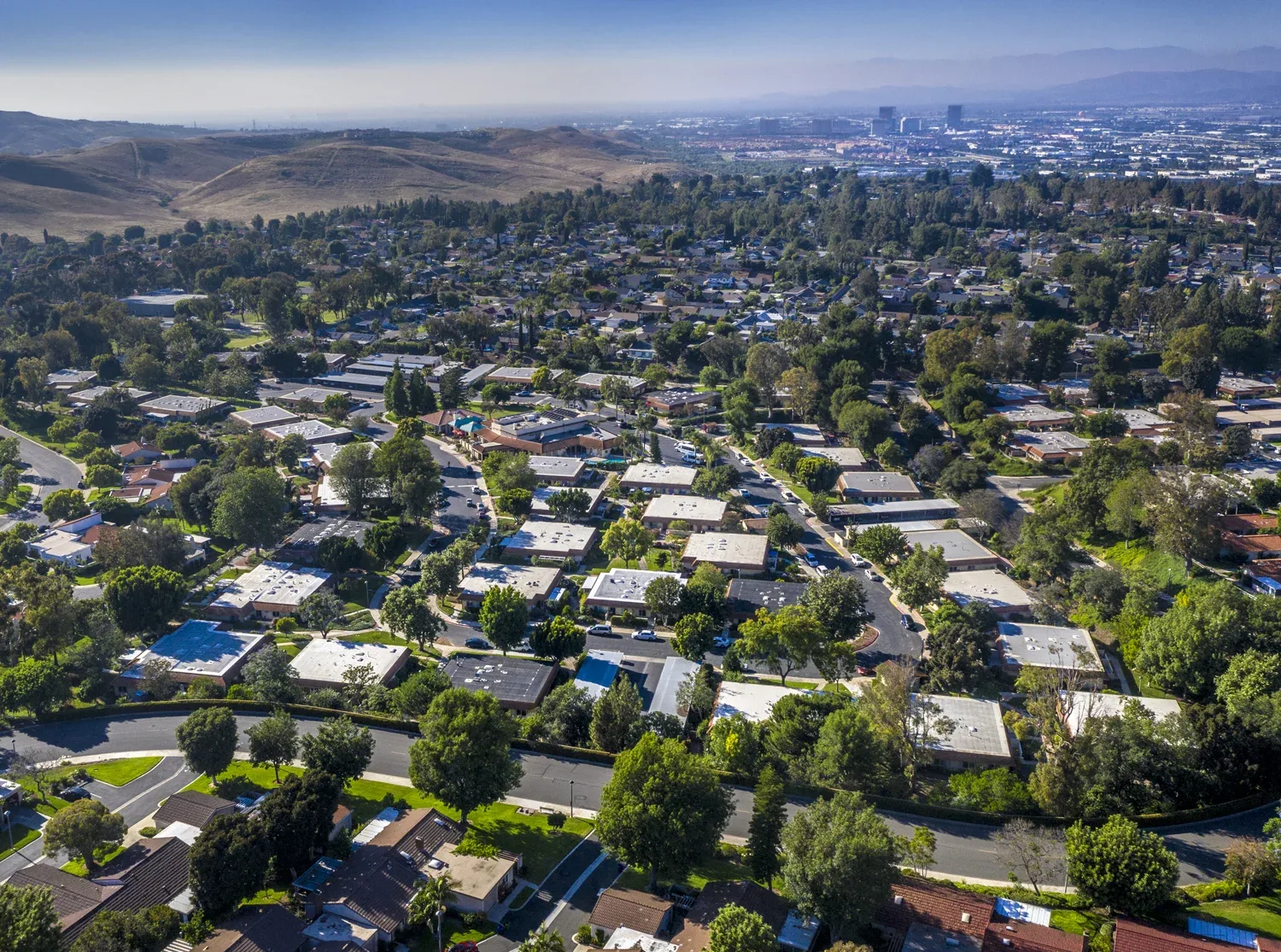
When water, sewage, smoke, or mold enters a Willows home, the clock starts immediately - porous building materials begin absorbing moisture within minutes, and microbial growth can start inside a day or two. Fast, methodical response protects both the structure and everything inside it.
Property owners across Glenn County rely on a full range of restoration services delivered under IICRC standards:
- Water Damage Restoration - extraction, structural drying with commercial dehumidifiers and air movers, and moisture mapping to verify dry standards
- Flooded Basement Cleanup - pump-out of standing water, removal of saturated materials, and drying of below-grade concrete and framing
- Sewage Cleanup - Category 3 loss protocols with full PPE, antimicrobial pre-treatment, and post-treatment sanitization
- Fire Damage Restoration - safety assessment, structural stabilization, debris removal, and professional soot cleaning
- Smoke Damage Restoration - odor neutralization, HVAC decontamination, and content cleaning after wildfire or structure fires
- Mold Removal - containment, source correction, HEPA filtration, and controlled removal of colonized materials
Benefits for Willows residents include reduced secondary damage, documented moisture readings for insurance carriers, and coordinated rebuild work so a single team handles the project from first extraction through final repairs.
Common Damage Restoration Issues in Willows, California
Willows sits on the flat valley floor between the Sacramento River and the Coast Range foothills, where irrigation canals, winter storm runoff, and aging plumbing create a predictable set of restoration calls. Local flooding has drawn regional news coverage more than once, and residents know how quickly water moves across level ground.
Frequent Local Causes
- Atmospheric river storms overwhelming Willow Creek, Stony Creek, and roadside drainage ditches
- Irrigation canal and rice field runoff backing up against low-lying foundations and crawl spaces
- Sewer line surcharges during heavy rain, pushing Category 3 water into floor drains and basements
- Failed water heaters, supply lines, and washing machine hoses in homes with original galvanized plumbing
- Grass and grain field fires, plus wildfire smoke drifting in from the Mendocino National Forest and foothill burns
- Kitchen and electrical fires in older wiring systems common to pre-1970 valley housing
Warning Signs Worth Acting On
- Musty odors in crawl spaces, closets, or under kitchen sinks
- Cupping or dark staining along the base of baseboards and drywall
- Peeling paint on exterior stucco or bubbling interior finishes
- Slow floor drains or gurgling toilets after storms - an early sewage backup indicator
- Persistent smoke odor that returns when the HVAC system runs or when humidity rises
- Visible surface growth on window sills, garage walls, or behind stored boxes
Ignoring these signals usually converts a contained drying job into a demolition and mold remediation project.
Neighborhoods We Serve in Willows
Service extends across the city limits and throughout the surrounding agricultural communities of Glenn County.
- Downtown Willows - historic commercial blocks and older residential streets near Sycamore and Tehama
- North Willows - neighborhoods along Wood Street and the County Road G corridor
- South and West Willows - properties near the Glenn County Airport and Interstate 5 frontage
- Rural Glenn County - farmsteads and shop buildings along county roads serving rice, almond, and walnut operations
Nearby communities regularly served include Orland, Artois, Hamilton City, Glenn, Princeton, Butte City, Codora, Elk Creek, Stonyford, and the Black Butte Lake area. Crews also respond along the Highway 162 and Highway 45 corridors, where flooded basements, well-water intrusion, and outbuilding fires are common calls after major storms.
Seasonal Damage Patterns in Willows
Restoration demand in the northern Sacramento Valley follows a clear annual rhythm driven by storm cycles, irrigation schedules, and fire season.
- December through March - peak water damage season. Atmospheric rivers saturate ground already holding winter moisture, producing flooded basements, crawl space standing water, roof leaks, and sewer backups.
- March through May - mold season. Warming temperatures act on moisture left behind by winter storms, and hidden growth surfaces behind walls and under flooring.
- May through July - irrigation and plumbing failures. Increased water use stresses aging supply lines, while first heat waves push HVAC condensate lines to overflow.
- July through October - fire and smoke season. Grass fires, equipment sparks in dry fields, and regional wildfire smoke drive soot cleaning, HVAC decontamination, and odor removal work.
- October through November - transition period. First rains reveal roof and flashing failures, and tule fog begins raising indoor humidity in poorly ventilated homes.
Scheduling gutter clearing, sump pump testing, and crawl space inspections in early fall prevents most of the January emergency calls.
Housing Characteristics & Restoration Considerations
Willows housing skews older than the California average, with a large share of homes built between the 1920s and 1970s alongside newer subdivisions and manufactured homes on rural parcels. Construction type dictates the entire drying and remediation strategy.
Common Construction Types and Their Impact
- Raised-foundation homes with vented crawl spaces - vulnerable to standing water and subfloor mold; drying requires containment, insulation removal, and dedicated crawl space dehumidification
- Post-1960 slab-on-grade houses - water migrates under flooring and wicks into drywall, so tack strips, carpet pad, and baseboards usually come out for controlled drying
- Lath-and-plaster walls in pre-war homes - hold moisture longer than drywall and need extended monitoring rather than fast demolition
- Original wood siding, single-pane windows, and minimal insulation - promote condensation and localized mold in bedrooms and closets
- Manufactured and modular homes - belly wrap traps water beneath the floor system, requiring release, drainage, and insulation replacement
- Detached shops, barns, and equipment sheds - metal or unfinished structures where fire and smoke damage spreads fast and soot settles on tools and inventory
Age-Related Factors
- Asbestos testing before disturbing flooring, popcorn ceilings, or duct wrap in pre-1985 buildings
- Lead-safe practices on painted surfaces in homes built before 1978
- Cast iron and clay sewer laterals prone to root intrusion and backups
- Knob-and-tube or aluminum branch wiring that raises fire risk and complicates reconstruction
Environmental Conditions & Damage Implications
Willows has a hot-summer Mediterranean climate - triple-digit July afternoons, cool damp winters, and dense tule fog - and the swing between those extremes shapes how buildings dry and how mold behaves.
Climate and Air
- Summer highs frequently above 100°F accelerate off-gassing of smoke odors, making thermal fogging and sealing more effective in warm months
- Winter fog can hold outdoor humidity near saturation for days, so open-window drying is ineffective and closed-drying systems are used instead
- Agricultural dust, rice straw burning, and wildfire smoke contribute to particulate loading in HVAC systems and attic insulation
Soil, Water, and Drainage
- Valley clay and silty loam soils drain slowly, holding water against foundations and keeping crawl spaces damp long after storms pass
- A relatively shallow water table in low areas contributes to basement seepage and hydrostatic pressure on slab cracks
- Hard well water leaves mineral scale that shortens the life of water heaters, softeners, and supply valves
- Proximity to irrigation canals and the Sacramento River increases the likelihood of contaminated floodwater carrying agricultural residues and bacteria
Because of these conditions, any water intrusion touching soil, canal water, or sewer lines is handled as contaminated - extraction, antimicrobial application, removal of porous materials, and verification testing rather than surface drying alone.
Fire, Smoke, and Flood Response for Glenn County Agricultural Properties
Rural properties around Willows face a different restoration challenge than city lots: outbuildings, equipment, stored crops, and residences often share the same water and power systems, so one loss affects an entire operation.
The Fire Damage Restoration Sequence
- Safety assessment - evaluating electrical hazards, air quality, and structural integrity before entry
- Structural stabilization - shoring, board-up, roof tarping, and securing the site against weather and theft
- Debris removal - clearing burned materials and separating salvageable contents for off-site cleaning
- Professional soot cleaning - matching cleaning methods to residue type, since protein, wet, and dry smoke each require different chemistry
- Odor neutralization - HVAC decontamination, hydroxyl or ozone treatment, and sealing of framing where odor has penetrated
- Reconstruction - drywall, paint, flooring, and finish work coordinated with the insurance carrier
Standards That Guide the Work
- IICRC S500 for water damage restoration and drying verification
- IICRC S520 for mold remediation, including containment and clearance criteria
- IICRC S700 for fire and smoke restoration procedures
- Category and class determination for every water loss, documented with moisture meters and thermal imaging
- Daily monitoring logs showing progress toward dry standard rather than fixed schedules
Licensing matters on both sides of the state line for crews serving Northern California and Southern Oregon - California CSLB 1051955, Oregon CCB 198719, Oregon BOLI Property Services Contractor 48589, and IICRC firm certification 202415. That credentialing supports insurance documentation, asbestos testing coordination, and permit-ready reconstruction, so Willows property owners are not left managing multiple contractors while trying to get a home or farm operation running again.





