
Damage Restoration in Roseburg, OR
Damage Restoration Services Overview
When disaster strikes your Roseburg property, rapid response makes the difference between minor inconvenience and major reconstruction. Property damage from water, fire, smoke, or mold spreads exponentially with each passing hour, making immediate professional intervention absolutely necessary.
Oregon Restoration brings comprehensive damage restoration services to Roseburg and Douglas County, backed by over 15 years of statewide experience and IICRC certification. Our emergency response team handles the full spectrum of property damage:
- Water damage restoration from burst pipes, appliance failures, and storm flooding
- Flooded basement extraction and structural drying
- Sewage cleanup with proper sanitation and decontamination
- Fire damage restoration including structural repairs
- Smoke damage restoration removing odors and residue
- Mold removal and prevention with advanced remediation techniques
Roseburg's unique terrain, aging housing stock, and seasonal weather patterns create specific restoration challenges requiring local expertise. Our team responds 24/7 with state-of-the-art equipment and proven restoration protocols that minimize damage and accelerate recovery. As Oregon's #1 ranked water damage service provider, we combine technical excellence with transparent communication throughout every restoration project.
Common Damage Restoration Issues in Roseburg, Oregon
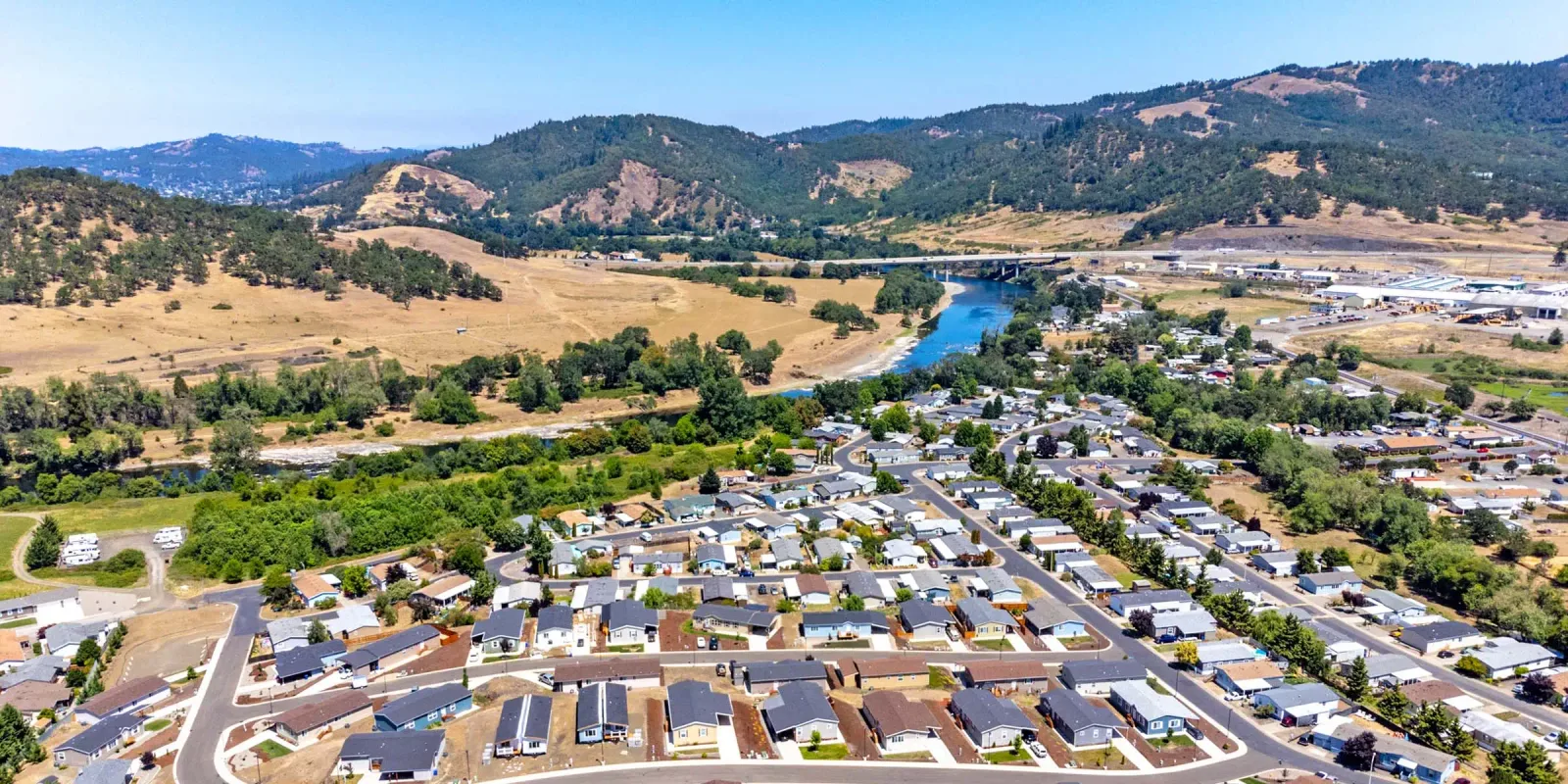
Roseburg's geographic location in the Umpqua Valley creates distinct property damage risks that require specialized restoration approaches. The city's position between coastal moisture and inland temperature variations generates unique challenges for property owners.
Water damage frequently occurs from multiple sources throughout Roseburg:
- Seasonal flooding during heavy winter rains overwhelming drainage systems
- Basement flooding from high groundwater levels in low-lying areas
- Burst pipes in older homes during unexpected freeze events
- Roof leaks from wind-driven rain during Pacific storm systems
- Sewage backups in neighborhoods with aging municipal infrastructure
Fire and smoke damage risks increase during Roseburg's dry summer months when wildfire threats escalate across Douglas County. Electrical fires become more common in older homes with outdated wiring systems.
Mold growth accelerates in Roseburg's humid climate, particularly in:
- Poorly ventilated basements and crawl spaces
- Attics with inadequate moisture barriers
- Bathrooms and kitchens in older homes
- Areas previously affected by water damage
Early warning signs include musty odors, visible water stains, discolored walls, warped flooring, and unexplained respiratory symptoms among occupants.
Neighborhoods We Serve in Roseburg
Our restoration services cover all Roseburg neighborhoods and surrounding Douglas County communities. We regularly respond to damage restoration calls throughout the greater Roseburg area:
- Downtown Roseburg historic district with older commercial and residential buildings
- Harvard Boulevard residential neighborhoods
- Deer Creek and Stewart Park residential areas
- Winchester and Green communities
- Sutherlin, Oakland, and Myrtle Creek surrounding areas
- Rural properties throughout the Umpqua Valley
- Riverside neighborhoods along the North and South Umpqua Rivers
- Hillside developments in West Roseburg
Each neighborhood presents unique restoration challenges based on housing age, terrain, and proximity to water sources. Our local knowledge helps us respond efficiently to any location within our service area, bringing the right equipment and expertise for each specific situation.
Seasonal Damage Patterns in Roseburg
Roseburg's restoration needs follow predictable seasonal patterns that help property owners prepare for potential damage risks throughout the year.
Winter months (December through February) bring the highest water damage risks:
- Heavy rainfall causing basement flooding and roof leaks
- Frozen pipes in older homes during cold snaps
- Storm damage from Pacific weather systems
- Increased sewage backup incidents from overwhelmed systems
Spring (March through May) continues water damage risks while introducing mold concerns:
- Continued rainfall and flooding potential
- Mold growth from winter moisture accumulation
- Roof damage discovery as weather improves
Summer (June through August) shifts focus to fire and smoke damage:
- Wildfire smoke infiltration requiring specialized cleaning
- Electrical fire risks in older homes during peak usage
- Reduced water damage incidents but increased mold in humid areas
Fall (September through November) preparation season:
- Early storm damage from returning rain patterns
- HVAC-related water damage as systems restart
- Mold prevention becomes priority before winter moisture
Housing Characteristics & Restoration Considerations
Roseburg's housing stock reflects the city's development history, with significant implications for restoration planning and execution. The majority of homes were built between 1950 and 1990, creating specific challenges for modern restoration techniques.
Older construction materials and methods affect restoration approaches:
- Single-wall construction in homes built before 1960 requires specialized drying techniques
- Knob-and-tube electrical systems increase fire damage risks
- Original plumbing systems prone to failure and water damage
- Inadequate vapor barriers leading to moisture problems
- Asbestos-containing materials in homes built before 1980
Foundation types throughout Roseburg influence water damage restoration:
- Concrete slab foundations common in newer developments
- Crawl space foundations requiring specialized moisture control
- Basement foundations in older homes prone to flooding
- Post-and-pier foundations in rural areas
Roofing materials vary significantly across neighborhoods, affecting fire and water damage restoration strategies. Composite shingles dominate newer areas, while older homes feature cedar shakes or metal roofing requiring different restoration approaches.
HVAC systems in older homes often lack proper moisture control, contributing to mold growth and requiring comprehensive remediation during restoration projects.
Environmental Conditions & Damage Implications
Roseburg's environmental conditions create a complex restoration environment requiring specialized knowledge and techniques. The city's location in the Umpqua Valley generates unique challenges for property damage prevention and restoration.
Climate factors significantly impact restoration needs:
- Average annual rainfall of 33 inches concentrated in winter months
- Humidity levels ranging from 40% in summer to 85% in winter
- Temperature variations from freezing winters to 90°F+ summers
- Frequent fog and moisture retention in valley locations
Soil conditions throughout Roseburg affect foundation stability and drainage:
- Clay-heavy soils retaining moisture and causing foundation settlement
- Sandy riverbank soils providing better drainage but less stability
- Volcanic soils in hillside areas with unique drainage characteristics
- Seasonal soil expansion and contraction affecting plumbing systems
Air quality considerations during restoration projects include:
- Wildfire smoke infiltration requiring specialized filtration
- Seasonal pollen affecting indoor air quality during restoration
- Industrial emissions from local lumber operations
- Valley inversion trapping contaminants during certain weather patterns
Water quality factors influence sewage cleanup and water damage restoration protocols, with municipal water systems generally providing good quality but private wells requiring individual assessment during restoration projects.
Wildfire Smoke and Fire Damage Preparedness
Roseburg's location in Douglas County places properties at significant risk for both direct fire damage and widespread smoke infiltration from regional wildfires. The Umpqua Valley's geography can trap smoke for extended periods, requiring specialized restoration approaches that address both immediate damage and long-term air quality concerns.
Wildfire smoke presents unique restoration challenges in Roseburg:
- Fine particulate matter penetrating deep into building materials
- Acidic compounds causing permanent damage to metals and electronics
- Odor molecules bonding with porous surfaces throughout structures
- HVAC system contamination spreading particles throughout buildings
- Secondary mold growth from moisture introduced during firefighting efforts
Professional smoke damage restoration requires advanced techniques:
- Comprehensive air quality testing to identify contamination levels
- HEPA filtration systems removing microscopic particles
- Thermal fogging treatments neutralizing embedded odors
- Ozone generation in unoccupied spaces for deep deodorization
- Complete HVAC system cleaning and ductwork sanitization
Fire damage restoration in Roseburg addresses both structural and content damage. Our IICRC-certified technicians assess fire-damaged properties for:
- Structural integrity of load-bearing elements
- Heat damage to electrical and plumbing systems
- Water damage from firefighting efforts requiring immediate extraction
- Smoke residue requiring specialized cleaning compounds
- Content restoration possibilities for damaged personal property
Prevention strategies help Roseburg property owners minimize fire and smoke damage risks through defensible space creation, proper ventilation system maintenance, and emergency preparedness planning that includes professional restoration contact information.





