
Damage Restoration in Williams, CA
- Damage Restoration Services Overview
- Common Damage Restoration Issues in Williams, California
- Neighborhoods We Serve in Williams
- Seasonal Damage Patterns in Williams
- Housing Characteristics & Restoration Considerations
- Environmental Conditions & Damage Implications
- Restoration Sequencing for Williams Homes and Agricultural Properties
Damage Restoration Services Overview
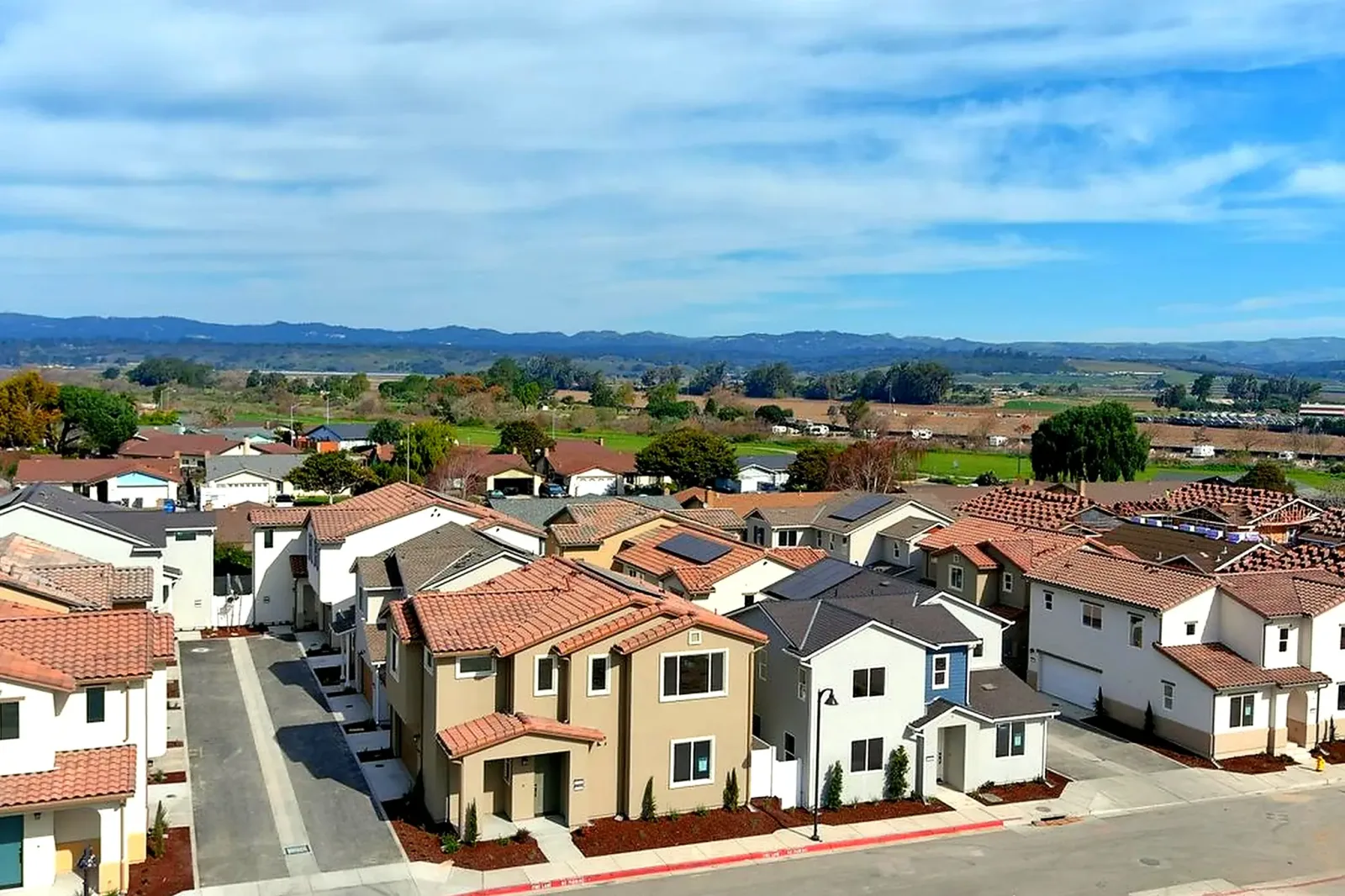
Williams sits at the western edge of the Sacramento Valley, where irrigated rice fields, canal networks, and clay-heavy ground meet a highway corridor that brings dust, heat, and wildfire smoke through Colusa County every year. Those conditions shape how water, fire, and microbial damage behave inside local homes, shops, and agricultural outbuildings.
Property owners here typically call for one or more of the following:
- Water Damage Restoration - extraction, structural drying, and moisture mapping after supply line failures, roof leaks, and irrigation-related intrusion.
- Flooded Basement - pump-out, cleaning, and drying of below-grade rooms, crawl spaces, and sunken utility areas where groundwater collects.
- Sewage Cleanup - containment, removal of contaminated materials, and disinfection after septic backups or main line failures.
- Fire Damage Restoration - debris removal, structural evaluation, and rebuild of walls, ceilings, flooring, trim, and finishes.
- Smoke Damage Restoration - soot removal, odor treatment, and cleaning of contents and HVAC systems.
- Mold Removal - containment, controlled removal of colonized materials, and correction of the moisture source.
The benefit of handling these services together is sequence. Water is removed before mold takes hold, soot is cleaned before it etches surfaces, and rebuild work begins only after moisture readings confirm the structure is dry.
Common Damage Restoration Issues in Williams, California
Damage in Williams rarely starts dramatically. It usually starts small, hides behind a wall or under a slab, and shows itself weeks later.
Frequent Local Causes
- Winter storm runoff overwhelming yard drainage on flat, poorly percolating clay lots
- Canal, irrigation, and tailwater overflow near agricultural parcels on the edges of town
- Aging galvanized supply lines and water heater failures in mid-century homes
- Septic system saturation during wet months, leading to backups into low fixtures
- Grass, stubble, and roadside fires along I-5 and Highway 20 that push smoke into structures
- Kitchen and electrical fires that leave soot in ductwork long after flames are out
- Swamp coolers and AC condensate lines that quietly soak ceilings and closets
Warning Signs Worth Acting On
- Baseboards separating from walls or paint bubbling near the floor line
- Musty odor that intensifies when the HVAC system runs
- Sewer smell near floor drains, laundry hookups, or tubs
- Dark staining on ceiling joints, especially below bathrooms
- Greasy gray film on window glass and light fixtures after any fire event
- Warped vinyl plank or cupping hardwood over a slab
Early response limits the spread. A single day of standing water can turn a drying job into demolition, and untreated soot can permanently discolor cabinetry, stone, and metal fixtures.
Neighborhoods We Serve in Williams
Service covers the full city footprint and the surrounding rural stretches of Colusa County, including:
- Downtown Williams and the older residential blocks near 6th, 7th, and E Streets
- Newer subdivisions on the south and east sides built during recent growth phases
- Properties along the Husted Road and Freshwater Road corridors
- Homes and shops near the I-5 interchange and Highway 20 commercial strip
- Farmsteads, ranch houses, and outbuildings along the county road grid
- Surrounding communities including Arbuckle, Maxwell, Colusa, Grimes, Princeton, and Dunnigan
Rural addresses often bring their own variables: private wells, septic systems, long driveways, and detached structures storing equipment or feed. Each of those changes how water extraction, sewage cleanup, and mold containment are staged on site.
Seasonal Damage Patterns in Williams
Damage in the valley follows a predictable rhythm, which helps property owners plan inspections before problems appear.
- December through February: Peak season for water damage and flooded basements. Saturated clay soil, heavy rain bands, and dense tule fog keep moisture in structures far longer than expected.
- March and April: Late storms combined with rising groundwater push septic and sewer backups. Mold growth accelerates as temperatures climb while materials remain damp.
- May and June: Irrigation season begins. Field flooding, canal releases, and yard over-watering create intrusion at foundations and crawl spaces.
- July through September: Highest fire and smoke risk. Dry grass, harvest equipment, roadside ignitions, and regional wildfire smoke drive fire damage restoration and smoke damage restoration calls.
- October and November: Rice harvest dust, first rains on clogged gutters, and heating systems restarting after months idle. Soot from unused chimneys and furnaces shows up quickly.
Scheduling gutter checks in October and plumbing inspections in November prevents a large share of winter emergency work.
Housing Characteristics & Restoration Considerations
Williams contains a wide mix of building eras, and each one responds differently to water, fire, and mold.
Older Homes (pre-1970)
- Raised foundations with vented crawl spaces that trap standing water and humidity
- Lath and plaster walls that absorb smoke odor deep into the substrate
- Original wood siding and single-pane windows that allow moisture migration
- Possible asbestos-containing flooring, mastic, or texture requiring careful handling before demolition
- Cast iron and galvanized drain lines prone to root intrusion and sewage backups
Mid-Century and 1980s-90s Construction
- Slab-on-grade floors where leaks travel laterally beneath flooring before surfacing
- Fiberglass batt insulation that holds water and loses R-value once saturated
- Wood-frame walls with limited vapor management, encouraging hidden mold growth
Newer Subdivisions
- Tighter building envelopes that hold smoke odor and humidity inside longer
- Engineered flooring and MDF trim that swell rapidly with minimal exposure
- Complex HVAC runs that distribute soot and spores throughout the home
Because true basements are uncommon in this part of the valley, most "flooded basement" work involves crawl spaces, sunken garages, storm cellars, and below-grade storage. These areas need vapor barrier replacement, sub-structure drying, and often grading corrections outside to prevent repeat events.
Environmental Conditions & Damage Implications
Local climate and ground conditions influence every stage of restoration in Williams.
Climate
- Hot, dry summers routinely exceeding 100 degrees, which dries surfaces fast while leaving cavities damp
- Cool, foggy winters with high sustained humidity that stalls natural drying
- Concentrated winter rainfall that arrives in short, heavy periods
Soil and Groundwater
- Heavy clay and adobe soils with slow infiltration, sending runoff toward foundations
- Expansive soil movement that cracks slabs and stem walls, creating water entry points
- Seasonally high water table near canals and drainage ditches, pressuring crawl spaces
Air and Water Quality
- Agricultural dust and harvest particulate that mixes with soot and complicates cleaning
- Regional wildfire smoke that infiltrates attics, ducts, and soft goods even without fire on the property
- Hard water and mineral scale that stresses supply lines, water heaters, and appliance hoses
- Well and septic systems that require careful disinfection protocols during sewage cleanup
These conditions mean drying plans cannot rely on outdoor air alone. Dehumidification equipment, negative-pressure containment, and documented moisture readings produce far better outcomes than open windows and fans, particularly during foggy months when outside humidity works against the process.
Restoration Sequencing for Williams Homes and Agricultural Properties
The difference between a repair that lasts and one that fails in six months is order of operations. Restoration in an agricultural community adds variables that suburban jobs rarely face: outbuildings, well water, septic capacity, stored chemicals, and equipment bays that share walls with living space.
How a Thorough Project Progresses
- Site assessment and safety review - identifying electrical hazards, structural instability, contaminated water categories, and fire-weakened framing before anyone works inside.
- Source control - shutting off supply lines, clearing blocked drains, tarping roofs, or addressing septic overflow so damage stops expanding.
- Containment - sealing affected zones with barriers and negative air pressure to keep soot, spores, and sewage aerosols out of clean areas.
- Extraction and removal - pumping standing water and removing saturated carpet, pad, insulation, drywall, and charred material.
- Contents handling - inventorying salvageable belongings, cleaning what can be restored, and documenting what cannot.
- Structural drying - placing air movers and dehumidifiers, then tracking moisture readings daily until materials reach dry standard.
- Cleaning, disinfection, and odor treatment - soot removal from framing and ducts, antimicrobial application, and deodorizing rather than masking.
- Rebuild - insulation, drywall, texture, paint, flooring, trim, cabinetry, and finish carpentry that matches the original character of the home.
- Final walkthrough - verification readings, cleanup, and documentation for insurance records.
Details That Matter Locally
- Crawl space vapor barriers replaced, not just dried, after groundwater intrusion
- Duct cleaning after any smoke event, since valley homes run HVAC nearly year-round
- Exterior grading and downspout corrections to redirect runoff away from clay-bound foundations
- Septic system evaluation before rebuilding finished space above a failed line
- Attic inspection after wildfire smoke, where soot settles on insulation and lingers
Handled in that order, a damaged property returns to a condition that is dry, clean, odor-free, and structurally sound - not simply covered over.





