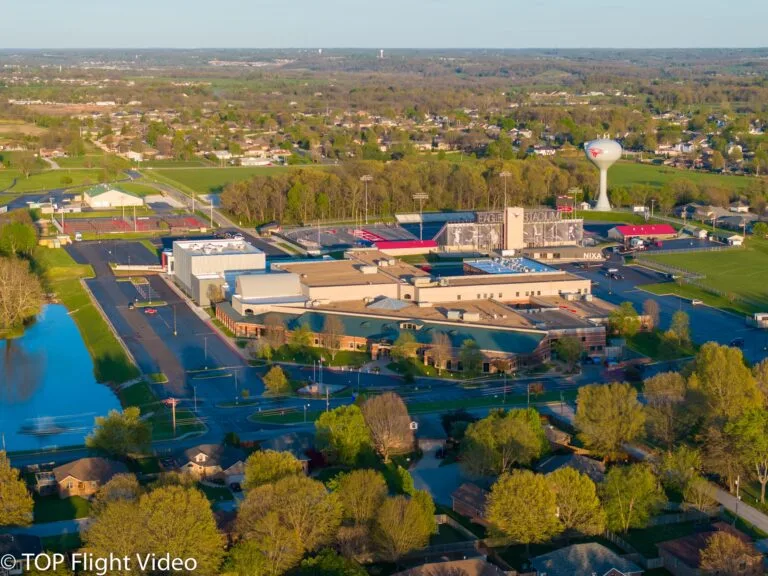
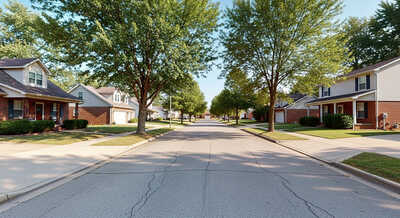
Damage Restoration in Christian County, MO
- Damage Restoration Services Overview
- Common Damage Restoration Issues in Christian County, Missouri
- Neighborhoods We Serve in Christian County
- Seasonal Damage Patterns in Christian County
- Housing Characteristics & Restoration Considerations
- Environmental Conditions & Damage Implications
- Insurance Documentation and IICRC Standards for Christian County Claims
Damage Restoration Services Overview
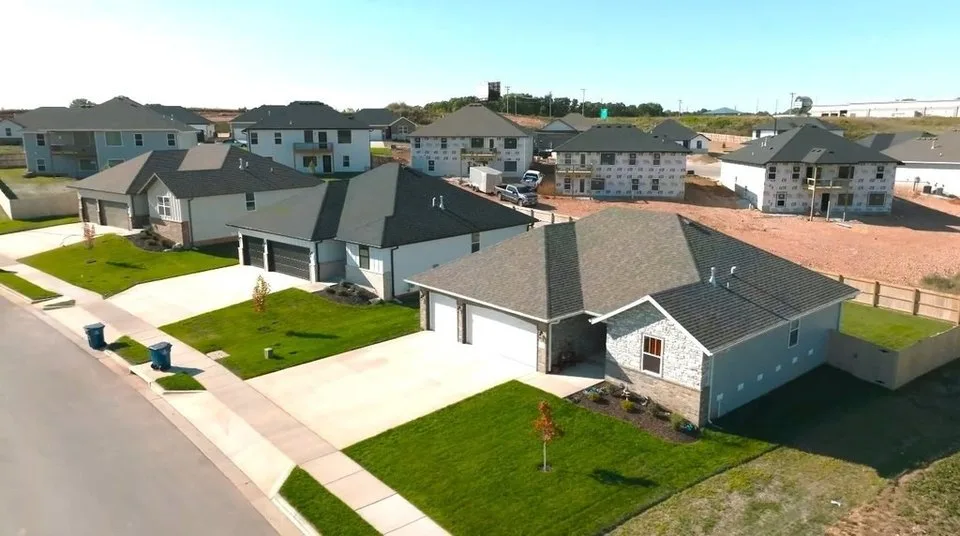
When water pours through a ceiling at 2 a.m. or smoke settles into every room after a kitchen fire, the fastest route back to normal is a trained crew with the right equipment already on the truck. Christian County property owners have access to fully staffed, 24/7 restoration teams that answer calls year-round and provide free price estimates before work begins.
Services available across Ozark, Nixa, Highlandville, and the surrounding communities include:
- Water Damage Restoration - extraction, structural drying, moisture mapping, and documentation for insurance claims
- Flooded Basement Cleanup - pump-out, contents handling, and drying of below-grade spaces after heavy Ozarks rainfall
- Sewage Cleanup - removal of Category 3 contaminated water, antimicrobial treatment, and safe disposal of porous materials
- Fire Damage Restoration - debris removal, board-up, structural cleaning, and full reconstruction when needed
- Smoke Damage Restoration - soot removal, thermal fogging, HVAC cleaning, and odor neutralization
- Mold Removal - containment, HEPA filtration, affected material removal, and moisture source correction
Key benefits for local residents include IICRC-certified technicians, direct insurance billing, and rapid response that limits secondary damage. Acting within the first hours often decides whether hardwood flooring is dried in place or torn out entirely.
Common Damage Restoration Issues in Christian County, Missouri
Christian County sits in the heart of the Ozarks, where karst geology, fast-rising creeks, and severe spring weather combine to create predictable restoration problems.
Local Causes of Property Damage
- Finley River and Wilson Creek flooding - low-lying properties near Ozark and Highlandville see backwater intrusion during sustained rain events
- Flash flooding on rocky terrain - thin Ozark soils over limestone shed water quickly toward basements and walkout foundations
- Winter pipe failures - Missouri ice storms and hard freezes split supply lines in crawl spaces, attics, and unheated garages
- Spring tornado and straight-line wind damage - roof breaches lead to immediate water intrusion across multiple floors
- Septic and sewer backups - saturated ground overwhelms rural septic fields and older municipal laterals
- Fire risk from wood stoves, fireplaces, and outbuildings - common on acreage properties throughout the county
Warning Signs Worth Investigating
- Musty odor in a basement or crawl space that lingers after ventilation
- Buckling or cupping hardwood near exterior walls and doorways
- Staining on ceiling tiles or drywall seams following a storm
- Gurgling floor drains or slow tub drainage - often the first hint of a sewer backup
- Persistent smoke odor that returns when humidity rises, indicating soot remains in porous materials
- Visible mold at baseboards, behind vinyl wallpaper, or around window frames
Humid Ozarks summers accelerate microbial growth, so untreated water damage can become a mold remediation project within days rather than weeks.
Neighborhoods We Serve in Christian County
Crews cover the entire county and neighboring communities, including:
- Ozark - historic downtown, Finley River corridor, and newer subdivisions along Route CC/J and Route 65
- Nixa - established neighborhoods near Main Street plus rapid-growth developments off Route 14
- Highlandville and Spokane - rural acreage and properties near the Route 160 Finley River crossing
- Clever and Billings - western county farmsteads and small-town residential districts
- Sparta and Chadwick - eastern communities with wooded lots and well or septic systems
- Fremont Hills, Saddlebrooke, and Riverdale - smaller incorporated communities
- Surrounding areas - Springfield, Republic, Rogersville, Branson West, and northern Stone and Taney counties
Response routes account for construction detours, such as the Route CC/J and Route 160 bridge rehabilitation work, so arrival times stay consistent.
Seasonal Damage Patterns in Christian County
Winter (December - February)
- Frozen and burst pipes during ice storms and extended cold snaps
- Ice dams pushing meltwater under shingles into attics and top-floor ceilings
- Heating-related fires from space heaters, chimneys, and wood stoves
- Smoke damage from puff-backs in furnaces and improperly drafting fireplaces
Spring (March - May)
- Peak severe weather season - tornadoes, hail, and wind-driven rain
- Flooded basements as saturated Ozark soils stop absorbing runoff
- Sewage backups when storm volume overwhelms laterals and septic fields
Summer (June - August)
- Mold growth accelerated by high dew points and humid indoor conditions
- Air conditioning condensate line clogs causing hidden ceiling and wall damage
- Storm-driven roof leaks from fast-moving thunderstorm cells
Fall (September - November)
- Ideal window for crawl space drying, dehumidification, and moisture correction
- Early-season fire risk as heating equipment comes back online
- Clogged gutters redirecting water toward foundations before winter
Housing Characteristics & Restoration Considerations
Christian County has been among Missouri's fastest-growing counties for decades, producing a housing stock that spans more than a century of construction methods.
Common Property Types
- Pre-1960 homes in Ozark and Billings - balloon framing, plaster walls, and stone or block foundations that wick moisture
- 1970s - 1990s ranch homes - crawl spaces, original galvanized or polybutylene plumbing, and limited vapor barriers
- 2000s - present subdivisions in Nixa and Ozark - poured concrete basements, engineered wood flooring, and tighter building envelopes
- Rural acreage properties - private wells, septic systems, pole barns, and detached workshops
- Manufactured and modular housing - underbelly insulation that traps water and complicates drying
How Construction Affects Restoration
- Older plaster and lath holds moisture longer than drywall and requires slower, monitored drying to avoid cracking.
- Balloon-framed walls let water and smoke travel vertically between floors, so inspection has to extend well beyond the visible damage.
- Finished basements with carpet pad and framed walls typically need selective demolition after flooding, since trapped moisture behind vinyl or paint feeds mold.
- Tightly sealed newer homes retain smoke odor and humidity, making HVAC cleaning and controlled dehumidification more important.
- Crawl space foundations demand vapor barrier replacement and joist inspection after any plumbing failure or ground water intrusion.
Environmental Conditions & Damage Implications
The physical landscape of Christian County shapes how water moves, how quickly mold appears, and how contaminated flood water can become.
Climate and Air
- Humid subtropical pattern with summer dew points that regularly support mold growth indoors
- Roughly 45 inches of annual precipitation, often delivered in intense spring and fall events
- Freeze-thaw cycling that stresses foundations, mortar joints, and buried supply lines
- Seasonal pollen and wildfire smoke that stress HVAC systems already burdened by soot
Soil, Water, and Terrain
- Karst limestone geology - sinkholes, losing streams, and rapid groundwater movement that can push water into basements from below
- Thin, cherty clay-loam soils - low infiltration capacity leading to surface runoff toward foundations
- Steep slopes near the Finley River and James River - hydrostatic pressure against basement walls after heavy rain
- Widespread private wells and septic systems - flood water in rural areas frequently carries bacterial contamination
Restoration Implications
- Ground water entering through karst pathways is treated as potentially contaminated, requiring antimicrobial application rather than simple extraction.
- High ambient humidity means drying equipment must be sized correctly - open windows work against the process most of the year.
- Mineral-heavy well water can leave residue on surfaces during cleaning, so technicians adjust rinse and detergent methods accordingly.
- Soot combined with humidity becomes acidic, etching metal, glass, and finishes if cleaning is delayed.
Insurance Documentation and IICRC Standards for Christian County Claims
A restoration project succeeds or stalls based on documentation. Insurance adjusters want moisture readings, photographs, and material inventories that match recognized industry standards - and Christian County homeowners benefit when their contractor produces that record from the first site visit.
Standards That Guide the Work
- ANSI/IICRC S500 - the standard for professional water damage restoration, defining water categories, drying goals, and monitoring requirements
- ANSI/IICRC S520 - the mold remediation standard covering containment, negative air pressure, and post-remediation verification
- ANSI/IICRC S700 - fire and smoke restoration guidance for soot classification and odor control
- EPA and Missouri DNR guidance - proper handling and disposal of contaminated sewage waste and affected building materials
How a Documented Claim Progresses
- Emergency response - stabilize the property, stop the water source, and board up or tarp openings after fire or storm damage.
- Damage assessment - thermal imaging and penetrating moisture meters map the full extent behind walls, under flooring, and inside cavities.
- Scope development - line-item estimates written in industry-standard software that adjusters recognize and process efficiently.
- Mitigation - extraction, controlled demolition, antimicrobial treatment, and placement of air movers and dehumidifiers.
- Daily monitoring - documented moisture readings until materials reach dry standard, creating the paper trail carriers require.
- Reconstruction - drywall, flooring, trim, roofing, electrical, and plumbing repairs that return the property to pre-loss condition.
Direct insurance billing removes the burden of paying up front and chasing reimbursement. For Christian County residents dealing with a tornado-damaged roof in Nixa, a sewage backup in Ozark, or mold discovered in a Highlandville crawl space, that combination of certified process and clear documentation keeps claims moving and restoration on schedule.