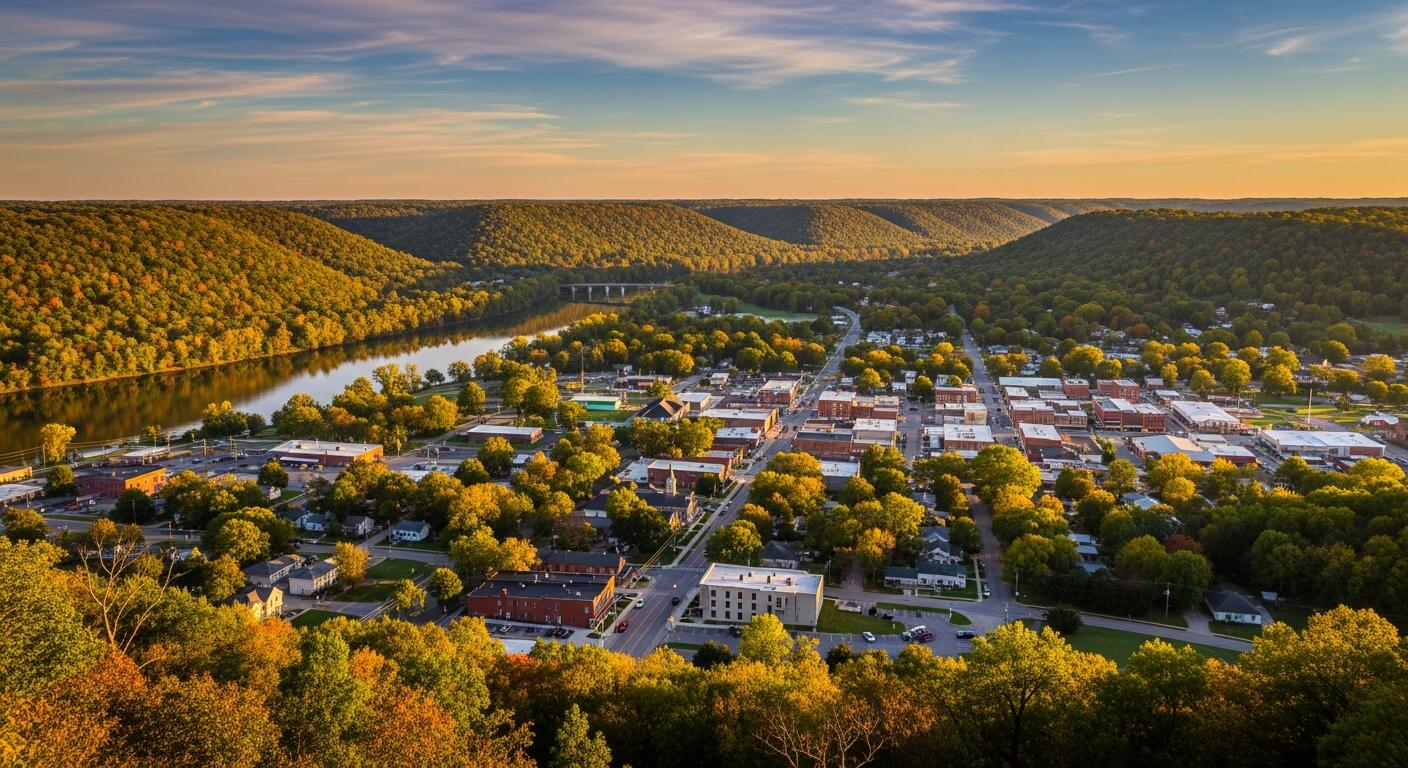
Damage Restoration in Pulaski County, MO
- Damage Restoration Services Overview
- Common Damage Restoration Issues in Pulaski County, Missouri
- Neighborhoods We Serve in Pulaski County
- Seasonal Damage Patterns in Pulaski County
- Housing Characteristics & Restoration Considerations
- Environmental Conditions & Damage Implications
- Emergency Response Across Rural Pulaski County and the Fort Leonard Wood Corridor
Damage Restoration Services Overview
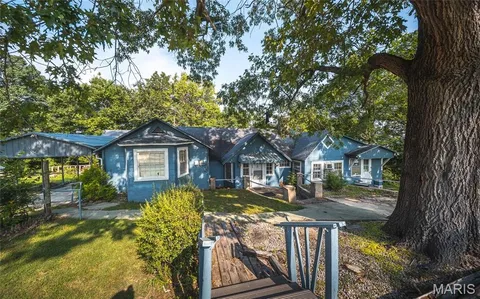
Water that sits for a weekend behind a baseboard rarely stays a small problem. In Pulaski County homes, delayed response turns a supply-line leak into warped subfloor, a flooded basement into a colony of mold behind finished walls, and light smoke residue into permanently etched glass, metal, and grout. Insurance adjusters also scrutinize preventable secondary damage, which means waiting can cost coverage as well as materials.
Property owners in Waynesville, St. Robert, Dixon, Crocker, Richland, and the Fort Leonard Wood corridor rely on a full spectrum of restoration work:
- Water Damage Restoration - extraction, structural drying, moisture mapping, and documentation for claims
- Flooded Basement - pump-out, sump and drain evaluation, contents handling, and dehumidification
- Sewage Cleanup - removal of contaminated material, antimicrobial treatment, and safe disposal
- Fire Damage Restoration - board-up, debris removal, soot cleaning, and structural rebuild
- Smoke Damage Restoration - odor neutralization, HVAC cleaning, and surface-specific residue removal
- Mold Removal - containment, source correction, removal, and post-work verification
The benefit of coordinating these under one team is continuity: the crew that dries a structure is the same one watching for mold growth two weeks later, and the same one rebuilding drywall once readings return to normal.
Common Damage Restoration Issues in Pulaski County, Missouri
Pulaski County sits in the Ozark highlands where the Big Piney and Gasconade Rivers cut through karst limestone. That geology drains fast in some places and not at all in others, producing very localized flooding that catches property owners off guard.
Local Causes of Damage
- Flash flooding along the Roubidoux, Big Piney, and Gasconade drainages after intense spring storms
- Gravel and county road washouts that redirect stormwater toward foundations and crawl spaces
- Winter ice storms bursting pipes in unheated crawl spaces, garages, and vacant rentals
- Spring tornado and straight-line wind risk opening roofs to wind-driven rain
- Septic and lateral field failures in rural tracts, along with sewer backups in older municipal lines
- Chimney, wood stove, space heater, and kitchen fires during cold months
- Humid Ozark summers pushing indoor humidity past the threshold where mold takes hold
Warning Signs Worth Acting On
- Musty odor in a basement or crawl space that intensifies after rain
- Cupping hardwood, bubbling paint, or drywall that feels cool and soft to the touch
- Slow floor drains, gurgling toilets, or standing water near a cleanout - early indicators of sewage backup
- Persistent smoke odor weeks after a small fire, usually meaning residue is inside ductwork or insulation
- Unexplained allergy or asthma flare-ups affecting only people inside the home
- Visible staining at the base of walls, a classic sign of prior flooding that was never dried properly
Catching any of these early narrows the work to targeted cleaning and drying rather than demolition and reconstruction.
Neighborhoods We Serve in Pulaski County
Coverage extends across the county and into the surrounding region, with attention to both dense military-adjacent housing and remote rural properties.
- Waynesville - historic downtown structures, Roubidoux Creek corridor properties, and older residential blocks
- St. Robert - apartment complexes, duplexes, hotels, and retail along Missouri Avenue and the I-44 corridor
- Fort Leonard Wood - on-post and surrounding off-post rental housing serving military families
- Dixon, Crocker, and Richland - small-town homes, farmsteads, and septic-served properties
- Devils Elbow, Buckhorn, Laquey, Swedeborg, and Big Piney - rural and riverfront homes with access challenges
- Surrounding areas - Phelps, Laclede, Texas, Miller, Camden, and Maries County communities
Rural response means crews arrive prepared for gravel roads, well water, private septic systems, and properties where the nearest hydrant is miles away.
Seasonal Damage Patterns in Pulaski County
Restoration demand in the Ozarks follows a predictable rhythm, and knowing it helps property owners prepare instead of react.
- January - February: Frozen and burst pipes dominate. Unheated crawl spaces, exterior walls, and vacant rentals fail first, often flooding multiple floors before anyone notices. Heating equipment fires and smoke damage peak alongside.
- March - May: Severe storm season. Flash flooding, flooded basements, tornado and wind damage, roof breaches, and stormwater sewer backups all cluster here.
- June - August: Humidity drives mold growth. Homes dried improperly in spring show visible colonies now. Crawl space condensation and AC condensate line overflows generate steady water calls.
- September - October: The calmest stretch, and the best window for mold remediation, crawl space encapsulation, and reconstruction from earlier events.
- November - December: Fireplaces, wood stoves, and holiday cooking raise fire and smoke damage risk. Early freezes catch outdoor spigots and hose bibs that were never disconnected.
Seasonal awareness turns emergency spending into planned maintenance.
Housing Characteristics & Restoration Considerations
Pulaski County housing is unusually varied for a rural Missouri county, thanks to decades of military-driven construction cycles layered over original farm and small-town building stock.
Common Construction Types
- Mid-century ranch homes with block foundations, partial basements, and original cast-iron or galvanized plumbing
- Vented crawl space construction across rural tracts - the leading source of chronic moisture and mold complaints
- 1970s and 1980s apartment complexes and duplexes near St. Robert built for rapid turnover
- Manufactured and modular homes with belly wrap and underfloor insulation that traps water after a leak
- Newer subdivision builds with poured foundations, engineered joists, and tight envelopes
- Historic Waynesville structures with plaster, lath, and original wood floors requiring careful drying
How Construction Shapes Restoration
- Age drives testing. Homes built before the 1980s may contain asbestos in floor tile, mastic, and duct wrap, and lead paint on trim - both change demolition procedure during fire and water restoration.
- Crawl spaces need targeted drying. Standard room dehumidification does nothing for saturated ground and insulation beneath the floor.
- Manufactured homes trap water. Belly wrap must be opened and drained rather than dried from above.
- Engineered joists lose strength fast. Prolonged saturation compromises OSB webs, so drying speed matters more in newer homes than many owners expect.
- Rentals demand documentation. Multi-unit properties require clear moisture logs, tenant coordination, and phased work to keep units habitable.
Environmental Conditions & Damage Implications
The physical setting of Pulaski County - limestone bedrock, thin rocky soils, high summer humidity, and river valleys - directly influences how damage develops and how it must be corrected.
Climate and Moisture
- Humid continental summers regularly push outdoor dew points into the 70s, meaning ventilation alone will not dry a crawl space
- Annual precipitation is substantial and arrives in heavy bursts, saturating soil and raising hydrostatic pressure against foundation walls
- Freeze-thaw cycling cracks mortar joints and concrete, creating new water entry points each winter
Soil, Geology, and Water
- Karst limestone produces sinkholes, springs, and unpredictable subsurface water movement - basements can flood with no visible surface source
- Thin, rocky Ozark soils shed water quickly toward low points and structures downslope
- Many rural homes rely on private wells and septic systems; flooding can contaminate both, elevating the health stakes of sewage cleanup
- Hard, mineral-rich groundwater leaves scale that accelerates plumbing failures in older supply lines
Air Quality Effects
- Smoke particulate from structure fires bonds tightly to surfaces in humid conditions, making odor removal harder without thermal fogging and duct cleaning
- Agricultural dust, pollen, and wood smoke load HVAC filters, and contaminated systems recirculate mold spores throughout a home
- Tight modern envelopes hold moisture indoors, so mechanical dehumidification becomes part of a lasting mold solution
Emergency Response Across Rural Pulaski County and the Fort Leonard Wood Corridor
Distance is the enemy of restoration outcomes here. A burst pipe in a Laquey farmhouse or a sewage backup in a Devils Elbow rental can run for hours before discovery, and gravel roads damaged by recent flooding slow every responder. Speed of arrival determines whether a job stays a drying project or becomes a reconstruction project.
What Happens in the First Hours
- Contact and triage - crews gather details on water source, contamination category, affected square footage, and access conditions before rolling
- Stabilization on arrival - power shutoff where needed, emergency board-up or tarping after fire and storm damage, and containment of contaminated areas
- Extraction and removal - standing water pumped out, saturated carpet pad and unsalvageable material removed, sewage-affected porous material discarded
- Moisture mapping - thermal imaging and meters locate hidden water inside wall cavities, under cabinets, and beneath flooring
- Equipment placement - air movers and commercial dehumidifiers set for the specific structure, with daily readings logged
- Antimicrobial and odor treatment - applied where contamination or smoke residue is present
- Reconstruction - drywall, framing, flooring, roofing, electrical, and plumbing repairs once the structure is verifiably dry
Why Local Response Matters
- Familiarity with Waynesville, St. Robert, and Fort Leonard Wood property management requirements and inspection expectations
- Experience coordinating with military families facing deployment schedules and short-notice moves
- Knowledge of which back roads flood first and how to reach properties when primary routes wash out
- Understanding of well and septic systems that municipal-focused contractors often overlook
- Documentation prepared in the format insurance carriers expect, reducing claim friction
Fast, informed action limits demolition, protects contents, and shortens the time a family or business spends displaced.