Damage Restoration in St. Francois County, MO
- Damage Restoration Services Overview
- Common Damage Restoration Issues in St. Francois County, Missouri
- Neighborhoods We Serve in St. Francois County
- Seasonal Damage Patterns in St. Francois County
- Housing Characteristics & Restoration Considerations
- Environmental Conditions & Damage Implications
- Storm Response and the 72-Hour Window in the Lead Belt
Damage Restoration Services Overview

What would you do if you walked into your basement tomorrow morning and found three inches of standing water covering the floor? For homeowners across St. Francois County, that scenario plays out more often than most people expect - and the clock starts ticking the moment water, smoke, or sewage enters a structure.
Water damage restoration is the process of returning a property to its pre-loss condition after any level of water intrusion. At Lightspeed Restoration of Farmington, that work extends across the full range of property disasters affecting homes and businesses throughout the county.
- Water Damage Restoration - extraction, structural drying, moisture mapping, and controlled dehumidification
- Flooded Basement Cleanup - pumping, sump failure response, and below-grade drying in block and poured foundations
- Sewage Cleanup - containment and disinfection of Category 3 contaminated water from backups and septic failures
- Fire Damage Restoration - debris removal, structural stabilization, and content recovery after flame damage
- Smoke Damage Restoration - soot removal, thermal fogging, and odor neutralization in walls, ducts, and fabrics
- Mold Removal - containment, HEPA filtration, affected material removal, and moisture source correction
Fast response limits secondary damage. Drywall wicks moisture upward, soot becomes acidic within hours, and mold colonies establish quickly in humid Missouri conditions.
Common Damage Restoration Issues in St. Francois County, Missouri
St. Francois County sits in the eastern Ozark foothills, where clay-heavy soils, aging infrastructure, and severe weather combine to create predictable damage patterns.
Weather and Storm Exposure
- Severe thunderstorms and tornado activity - the county has a documented tornado history, including an EF1 event that tore roofing from a masonry preschool building along a path roughly six-tenths of a mile long and 200 yards wide
- Roof breaches from wind and hail that allow water into attics and wall cavities
- Heavy spring rainfall overwhelming yard drainage and foundation perimeters
- Winter pipe freezes in crawl spaces, unheated garages, and older additions
Plumbing and Sewer Problems
- Sump pump failures during multi-day rain events
- Sewer line backups in older neighborhoods with clay or cast-iron laterals
- Septic system saturation in rural properties outside city service areas
- Water heater ruptures and supply line failures on upper floors
Warning Signs Worth Acting On
- Musty odors in basements, closets, or near HVAC returns
- Efflorescence - white chalky residue - on block foundation walls
- Bubbling paint, warped baseboards, or soft spots in flooring
- Persistent smoke odor that returns on humid days after a fire
- Unexplained allergy symptoms that improve when occupants leave the home
- Gurgling drains or slow floor drains signaling a developing sewer issue
Neighborhoods We Serve in St. Francois County
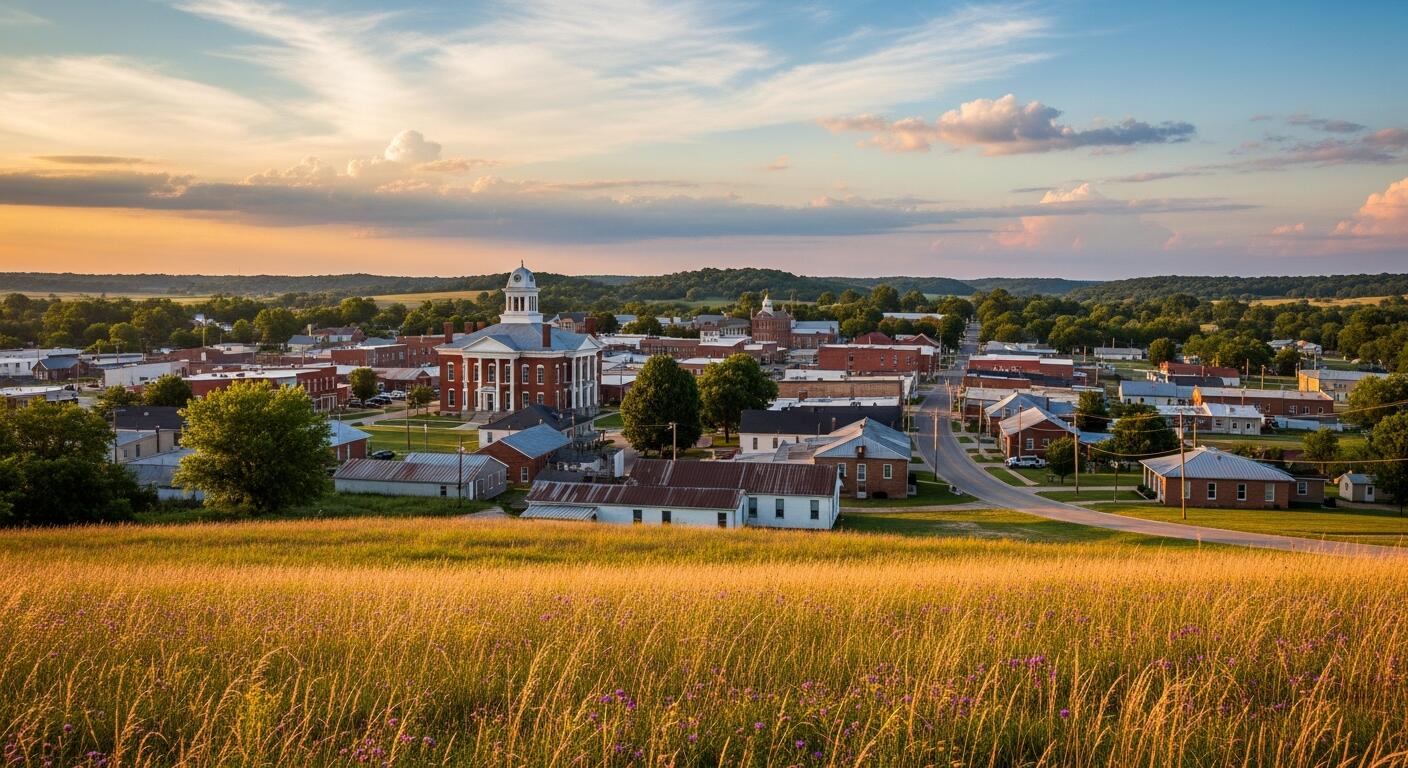
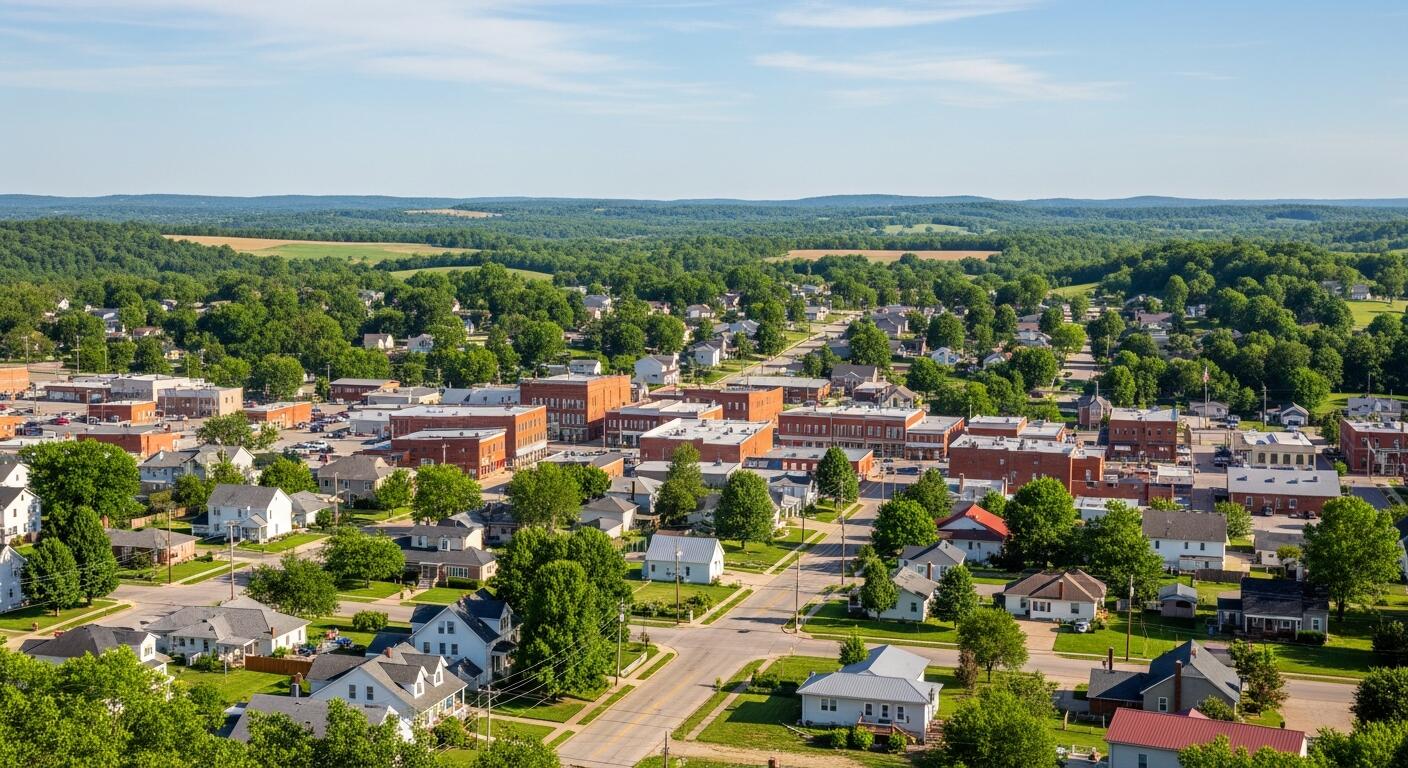
Coverage spans the entire county and the surrounding Lead Belt communities.
- Farmington - historic downtown properties, Doe Run Road corridor, and newer subdivisions on the north and west sides
- Park Hills - including the former Flat River, Elvins, Esther, and Rivermines communities
- Bonne Terre - older mining-era housing stock and lakeside properties
- Desloge - established residential blocks and commercial frontage
- Leadington, Frankclay, and Doe Run
- Bismarck and Iron Mountain Lake - rural and recreational properties
- Terre du Lac and Blackwell - lake-adjacent homes with elevated moisture exposure
Rural addresses along Highway 67, Highway 32, and county roads throughout the Big River watershed are also served, along with neighboring portions of Washington, Ste. Genevieve, Madison, and Jefferson counties.
Seasonal Damage Patterns in St. Francois County
Spring (March - May)
- Peak flooded basement season as saturated clay soils push groundwater against foundations
- Tornado and severe storm activity - April has historically produced significant county tornadoes
- Sewer backups when heavy rain infiltrates aging collection lines
Summer (June - August)
- Mold growth accelerates with high humidity and warm attic temperatures
- Air conditioning condensate line clogs causing ceiling and wall damage
- Lightning-related fire damage during evening thunderstorms
Fall (September - November)
- Clogged gutters and downspouts redirecting water toward foundations
- Early heating season fires from furnaces, flues, and space heaters
- Smoke damage from fireplace and wood stove startup issues
Winter (December - February)
- Frozen and burst pipes in crawl spaces and exterior walls
- Ice damming on low-slope and older roofs
- Highest concentration of structure fires from heating equipment and holiday sources
- Smoke odor trapped by sealed windows and continuous furnace circulation
Housing Characteristics & Restoration Considerations
The county's housing stock reflects its mining heritage, with a wide age spread that directly shapes how restoration work is approached.
Common Construction Types
- Early 1900s mining-era homes in Park Hills, Bonne Terre, and Elvins - balloon framing, plaster over wood lath, and limited insulation
- Mid-century ranch homes with poured or block basements and original cast-iron drain lines
- 1970s - 1990s split-levels featuring finished lower levels with carpet and paneling
- Modern subdivisions around Farmington with engineered flooring, OSB sheathing, and tight building envelopes
- Rural farmhouses and manufactured homes on crawl spaces or piers with exposed underfloor plumbing
How Age Affects the Restoration Approach
- Hazardous material screening - homes built before 1980 may contain asbestos in floor tile, pipe wrap, or textured ceilings, and lead paint complicates fire and smoke cleanup
- Balloon-frame smoke travel - open wall cavities let soot and odor migrate from a basement fire to the attic, requiring inspection at every level
- Plaster drying strategy - lath and plaster holds moisture far longer than drywall and often needs targeted injection drying rather than removal
- Finished basement vulnerability - carpet pad, paneling, and framed-out block walls trap water and hide mold growth behind the finish
- Tight modern envelopes - newer homes dry slower without mechanical dehumidification and show mold sooner when moisture is left unaddressed
Environmental Conditions & Damage Implications
Local geology and climate influence how quickly damage develops and how restoration is executed in St. Francois County.
Climate Factors
- Humid continental climate with summer dew points that routinely support mold growth
- Annual precipitation in the mid-40-inch range, concentrated in spring storms
- Freeze-thaw cycling that opens foundation cracks and stresses buried plumbing
- Wide temperature swings that drive condensation inside wall assemblies
Soil and Water Conditions
- Clay-rich Ozark border soils with slow percolation, holding water against foundation walls
- Karst limestone features and old mine workings creating unpredictable subsurface drainage
- Historic lead and mineral tailings in parts of the Lead Belt, which affect soil handling during excavation-adjacent work
- Hard groundwater that leaves mineral deposits and can mask early leak signs
- Rural septic systems that surcharge during saturated conditions, raising sewage cleanup demand
Air Quality Impact on Restoration
- Summer humidity slows evaporative drying and requires higher dehumidification capacity
- Regional dust and pollen load HVAC filters, spreading spores through duct systems
- Smoke particulate from structure fires bonds tightly to cool surfaces in winter months
- Wildland and agricultural burning odors can complicate post-fire odor verification
Mitigation - reducing loss of life and property by lessening disaster impact - is a stated priority in the St. Francois County hazard planning framework, and proactive moisture control supports that goal at the household level.
Storm Response and the 72-Hour Window in the Lead Belt
When a severe storm crosses St. Francois County, the damage rarely stops at the roofline. Wind-driven rain enters through lifted shingles, saturates attic insulation, and travels down interior walls before anyone notices a ceiling stain. Understanding what happens in the first three days helps homeowners protect both their property and their insurance claim.
What Happens Hour by Hour
- Hours 0 - 6: Water spreads laterally through porous materials. Carpet pad, drywall, and insulation absorb rapidly. Electrical hazards and structural instability are assessed first.
- Hours 6 - 24: Extraction and emergency board-up or tarping. Moisture meters and thermal imaging map the true extent behind walls and under flooring.
- Hours 24 - 48: Air movers and dehumidifiers establish a controlled drying environment. Non-salvageable materials are removed under containment.
- Hours 48 - 72: Mold spores begin colonizing damp organic materials. Daily moisture readings confirm whether drying targets are being met.
Steps Property Owners Can Take Immediately
- Shut off water at the main valve for supply-line failures
- Cut power to affected areas only if the panel can be reached safely and dry
- Photograph and video everything before moving items
- Avoid all contact with sewage-contaminated water - Category 3 losses carry bacterial and viral hazards
- Do not run household fans through smoke-damaged rooms, which spreads soot into clean areas
- Keep receipts for temporary lodging, tarps, and emergency supplies
- Leave saturated ceilings alone until a technician evaluates collapse risk
Working Through an Insurance Claim
- Documented moisture logs and drying records support the scope of work submitted to adjusters
- Detailed photo inventories of damaged contents strengthen personal property claims
- Clear separation of covered sudden losses from long-term maintenance issues reduces disputes
- Direct communication between restoration crews and the adjuster keeps the timeline moving
Whether the call involves a flooded basement in Desloge, a sewage backup outside Bonne Terre, or smoke damage in a century-old Farmington home, the same principle applies: controlled, measured drying and cleaning beats guesswork every time.