Damage Restoration in Cape Girardeau County, MO
- Damage Restoration Services Overview
- Common Damage Restoration Issues in Cape Girardeau County, Missouri
- Neighborhoods We Serve in Cape Girardeau County
- Seasonal Damage Patterns in Cape Girardeau County
- Housing Characteristics & Restoration Considerations
- Environmental Conditions & Damage Implications
- Sewer Backups, River Flooding, and Category 3 Water in Cape Girardeau County
Damage Restoration Services Overview
What would you do if you walked downstairs tomorrow morning and found three inches of water covering your basement floor? Property damage rarely announces itself in advance, and in Cape Girardeau County the causes range from Mississippi River flooding and spring storms to aging supply lines and winter furnace mishaps.
Restoration companies serving the county respond around the clock, bringing extraction equipment, air movers, and specialized cleaning agents to homes and businesses from Jackson to the riverfront district.
- Water Damage Restoration - extraction, structural drying, and moisture mapping after burst pipes, appliance failures, and roof leaks.
- Flooded Basement Cleanup - pumping standing water, drying block and poured foundation walls, and salvaging stored belongings.
- Sewage Cleanup - containment and disinfection after backups from lateral lines, septic failures, or overloaded municipal mains.
- Fire Damage Restoration - board-up, debris removal, soot cleaning, and structural repair after kitchen, electrical, or heating fires.
- Smoke Damage Restoration - odor neutralization, contents cleaning, and HVAC decontamination where flames never reached.
- Mold Removal - inspection, containment barriers, HEPA filtration, and removal of colonized materials.
Acting quickly matters. Water migrates into wall cavities within hours, soot becomes acidic and etches surfaces within days, and mold can establish itself in humid Missouri conditions faster than most homeowners expect.
Common Damage Restoration Issues in Cape Girardeau County, Missouri
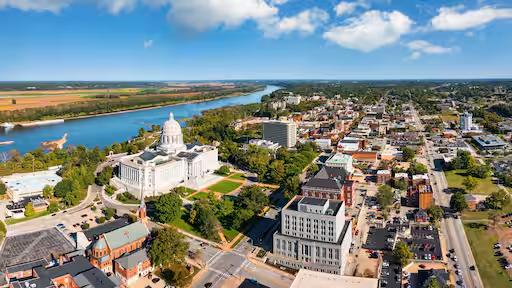
Geography drives much of the damage load here. The county sits where the Mississippi River meets rolling Ozark foothills, producing a mix of flood exposure, clay soil pressure, and severe convective storms.
Frequent Causes of Loss
- River and flash flooding along low-lying areas near the Mississippi and Whitewater River drainages
- Hydrostatic pressure pushing groundwater through basement walls and floor joints
- Sump pump failures during multi-day rain events and power outages
- Frozen and burst pipes during January cold snaps in unheated crawl spaces
- Sewer laterals overwhelmed when stormwater infiltrates older neighborhood lines
- Kitchen grease fires and space heater incidents during colder months
- Lightning strikes and electrical fires during spring and summer thunderstorm season
Warning Signs Worth Investigating
- Musty odors in basements, closets, or near HVAC returns
- Bubbling paint, cupping hardwood, or staining along baseboards
- Efflorescence - white chalky residue - on foundation walls
- Slow floor drains or gurgling fixtures, often the first hint of a sewer backup
- Persistent smoke smell that returns on humid days after a small fire
- Unexplained allergy symptoms that improve when occupants leave the house
Small problems compound quickly. A pinhole leak behind a vanity can feed mold growth for months before anyone notices the discoloration on the drywall.
Neighborhoods We Serve in Cape Girardeau County
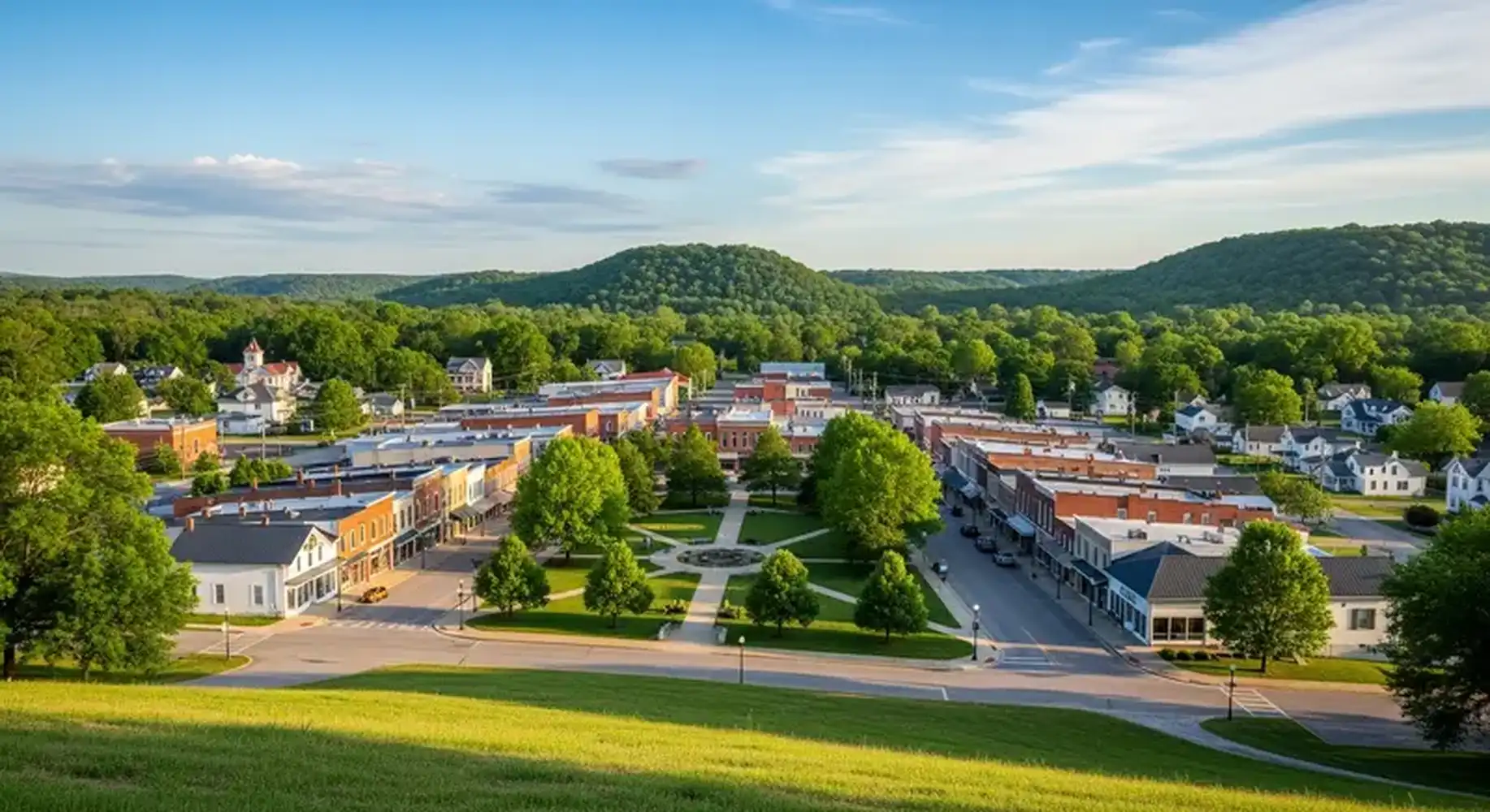
Coverage spans the full county and reaches into neighboring communities along the I-55 and Highway 74 corridors.
- Cape Girardeau - downtown and the historic riverfront, Red Star district, Southeast Missouri State University area, Cape West, and the Mount Auburn Road corridor
- Jackson - the county seat, including older homes near the courthouse square and newer subdivisions along East Main
- Gordonville, Oak Ridge, Whitewater, Delta, Pocahontas, and Allenville - smaller communities with rural septic and well systems
- Fruitland and Egypt Mills - growing residential areas north of the city
- Dutchtown and Old Appleton - low-elevation areas with documented flood history
- Surrounding regions - Scott County, Perry County, Bollinger County, and the Illinois side near Cairo and Anna
Crews familiar with local street layouts, municipal water utilities, and county building requirements reach most addresses quickly, which matters when water is still spreading.
Seasonal Damage Patterns in Cape Girardeau County
Each season brings its own dominant type of loss. Knowing the pattern helps homeowners prepare before the calendar turns.
- January - February: Frozen and burst pipes lead the list. Furnace and space heater fires spike, along with smoke damage from improperly maintained fireplaces and wood stoves.
- March - April: Snowmelt and heavy spring rain saturate clay soils. Flooded basements, sump pump failures, and sewer backups peak as river levels rise.
- May - June: Severe thunderstorms bring wind-driven rain, roof damage, and lightning-related electrical fires. Water intrusion through compromised roofing becomes common.
- July - August: Humidity climbs into the seventies and eighties. Mold growth accelerates in crawl spaces, basements, and any structure with lingering moisture. Air conditioner condensate line clogs cause ceiling and closet leaks.
- September - October: Remnants of Gulf systems occasionally deliver heavy rainfall. Homeowners discover summer mold when closing up windows for the season.
- November - December: Heating systems restart, producing puff-back soot from oil and gas furnaces. Holiday cooking and decorative lighting increase kitchen and electrical fire calls.
Housing Characteristics & Restoration Considerations
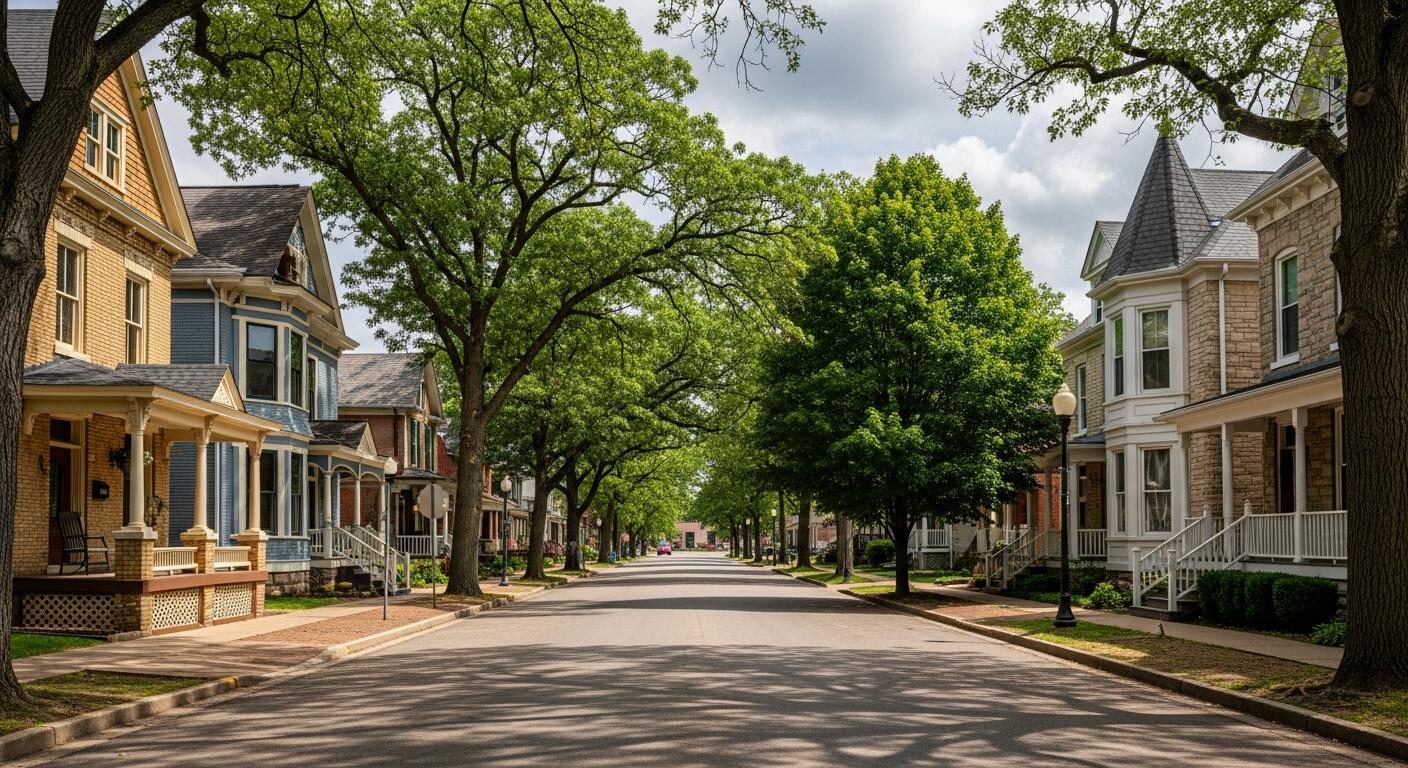
Cape Girardeau County housing stock spans more than a century, and construction era shapes nearly every restoration decision.
Common Building Types
- Pre-1940 homes near downtown Cape Girardeau and the Jackson square - brick, plaster over lath, balloon framing, and stone or unreinforced block foundations
- Mid-century ranches from the 1950s through 1970s - full basements, cast iron drain lines, and original clay sewer laterals
- 1980s - 2000s subdivisions - poured concrete foundations, drywall, and finished basement living space
- Newer construction in Fruitland and east Jackson - tighter building envelopes, engineered flooring, and slab or walkout designs
- Rural properties - crawl spaces, well water, and septic systems that complicate sewage cleanup
How Construction Affects the Work
- Balloon framing lets smoke and fire travel vertically inside wall cavities, so inspection must extend well beyond visible char.
- Plaster holds moisture longer than drywall and often justifies targeted drying rather than removal.
- Finished basements with carpet pad and wood-framed partition walls require selective demolition after a flood or sewage backup.
- Clay sewer laterals crack and admit tree roots, causing repeat backups until the line itself is addressed.
- Tight modern envelopes trap humidity, making mold growth more likely after any unresolved water event.
- Older knob-and-tube or aluminum wiring raises fire risk and affects safe power restoration during drying.
Environmental Conditions & Damage Implications
The county's humid subtropical climate creates conditions that both cause damage and complicate its repair.
Climate and Moisture
- Annual precipitation typically exceeds 45 inches, distributed heavily across spring and early summer
- Summer dew points regularly sit in the upper 60s and low 70s - well above the threshold where mold thrives
- Winter freeze-thaw cycles crack foundation mortar and stress exterior water lines
- Dry indoor winter air makes smoke odor cling to textiles and porous finishes
Soil, Water, and Air
- Silty loam over expansive clay holds water against foundations rather than draining it away, feeding basement seepage
- Karst features and limestone bedrock in western portions of the county create unpredictable subsurface water movement
- Mississippi River floodwater carries silt, agricultural runoff, and bacteria, making it Category 3 contaminated water requiring full disinfection
- Hard well water in rural areas accelerates scale buildup and pinhole leaks in supply piping
- Seasonal agricultural burning and pollen loads mean HVAC systems already carry particulate before a fire ever occurs
These conditions influence drying strategy. Dehumidification targets, containment design, and antimicrobial selection all shift depending on outdoor dew point, water source, and soil moisture around the structure. Restoration technicians document these variables to verify materials reach dry standard rather than merely feeling dry to the touch.
Sewer Backups, River Flooding, and Category 3 Water in Cape Girardeau County
Not all water is equal. The distinction between a clean supply line break and a contaminated backup changes the entire scope of work - and Cape Girardeau County sees more than its share of the contaminated variety.
Why Contaminated Water Is Common Here
- Older combined and aging separate sewer segments in established neighborhoods surcharge during intense rainfall
- Basement floor drains and low fixtures become the first relief point when a main backs up
- Rural septic fields saturate in clay soil, pushing effluent back toward the house
- Mississippi and Whitewater River floodwater carries bacteria, fuel residue, and farm chemicals into structures
How Professional Sewage Cleanup Proceeds
- Safety assessment - electrical hazards identified, power isolated, and personal protective equipment established before entry.
- Containment - affected zones sealed with poly barriers and negative air machines to prevent cross-contamination into clean areas.
- Bulk removal - solids and standing water extracted with truck-mounted or portable equipment rated for contaminated liquid.
- Selective demolition - porous materials such as carpet, pad, insulation, and affected drywall removed, since these cannot be reliably disinfected.
- Cleaning and disinfection - hard surfaces washed, treated with EPA-registered antimicrobials, and HEPA vacuumed.
- Structural drying - air movers and dehumidifiers positioned according to moisture readings, with daily monitoring until materials reach documented dry standard.
- Verification and rebuild - moisture logs reviewed, clearance confirmed, then flooring, drywall, and trim restored.
Reducing Future Risk
- Install a backwater valve on the sewer lateral
- Add a battery backup or water-powered secondary sump pump
- Camera-inspect clay laterals for root intrusion and offsets
- Extend downspouts and regrade soil away from the foundation
- Store valuables on shelving rather than directly on basement floors
Documenting the loss thoroughly also supports the insurance claim, since sewage and flood coverage often fall under separate policy provisions in this region.