
Damage Restoration in Cape Girardeau, MO
- Damage Restoration Services Overview
- Common Damage Restoration Issues in Cape Girardeau, Missouri
- Neighborhoods We Serve in Cape Girardeau
- Seasonal Damage Patterns in Cape Girardeau
- Housing Characteristics & Restoration Considerations
- Environmental Conditions & Damage Implications
- Insurance Documentation and IICRC Standards in Southeast Missouri Claims
Damage Restoration Services Overview
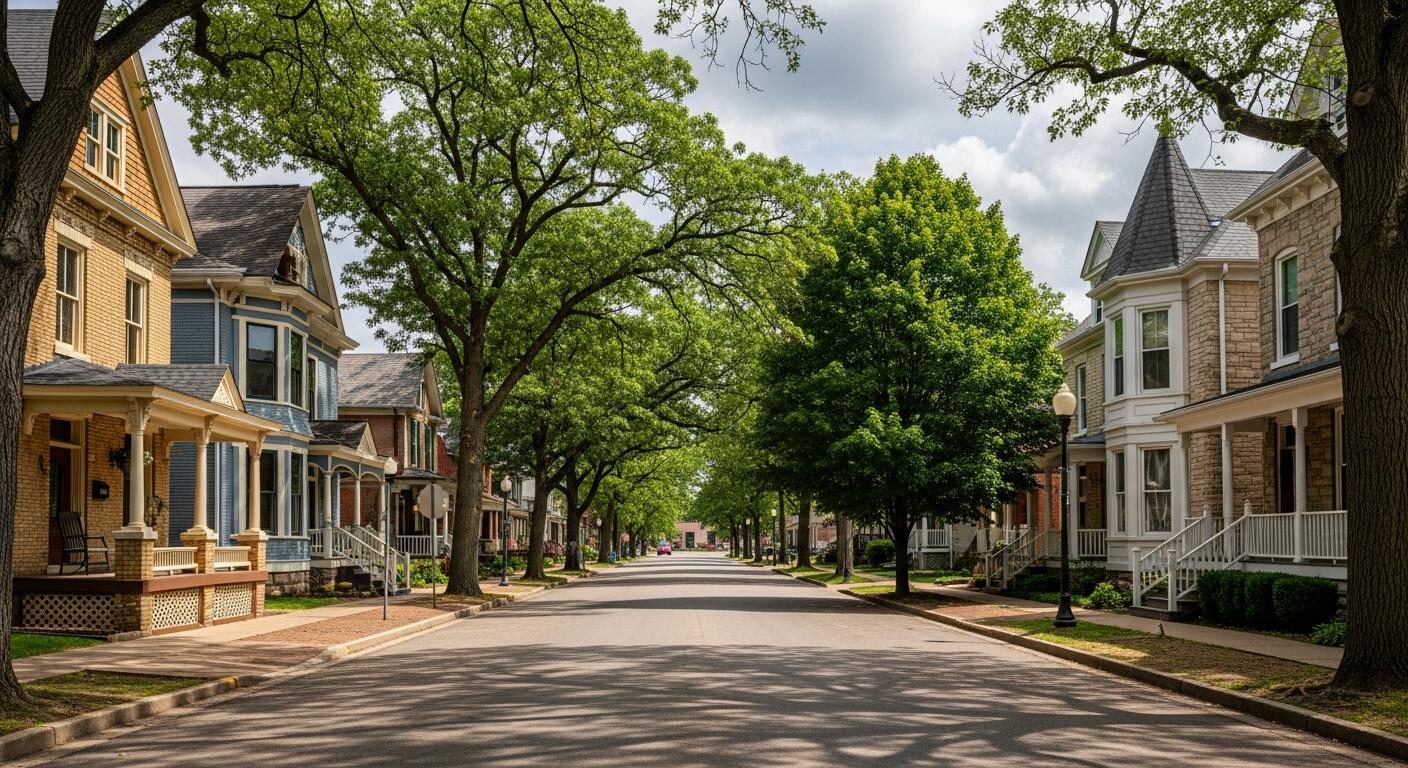
Cape Girardeau sits behind a floodwall system that stretches more than a mile along the Mississippi River - a permanent reminder that water shapes life in this river city. Yet most property damage here does not come from the river at all. It comes from failed sump pumps, cracked supply lines, backed-up sewer laterals, and lightning-sparked electrical fires in older wiring.
Restoration work in Cape Girardeau covers a connected group of emergency services, each addressing a different phase of loss:
- Water Damage Restoration - extraction, structural drying, and moisture mapping after pipe breaks, appliance failures, and roof leaks
- Flooded Basement Cleanup - pump-out, content removal, and dehumidification for below-grade spaces along the bluffs and river bottoms
- Sewage Cleanup - Category 3 black water removal, hard-surface disinfection, and safe disposal of porous materials
- Fire Damage Restoration - board-up, debris removal, structural cleaning, and reconstruction
- Smoke Damage Restoration - soot removal, HVAC decontamination, thermal fogging, and odor neutralization
- Mold Removal - containment, HEPA filtration, antimicrobial treatment, and moisture source correction
Benefits for local property owners are practical: faster drying reduces secondary damage, documented moisture readings support insurance claims, and correcting humidity problems early prevents mold colonies from taking hold in Missouri's warm, damp summers.
Common Damage Restoration Issues in Cape Girardeau, Missouri
Local geography and building age drive most restoration calls in Cape County. The city's hills, clay-heavy soils, and river-adjacent lowlands all push water toward foundations.
Frequent Causes of Loss
- Sump pump failure during heavy spring rain, flooding finished basements in neighborhoods off Mount Auburn and Lexington
- Hydrostatic pressure forcing water through cracks and cove joints in older poured or block foundations
- Sanitary sewer surcharge during intense downpours, sending contaminated water back through floor drains and basement fixtures
- Frozen and burst supply lines in unheated crawl spaces during January cold snaps
- Kitchen grease fires and space heater incidents, which spread smoke through open floor plans within minutes
- Lightning strikes and electrical faults in homes with aging or partially updated wiring
- Chronic condensation and poor ventilation feeding mold behind vinyl wallpaper, under carpet pad, and inside HVAC returns
Warning Signs Worth Acting On
- Musty odor that intensifies after rain or when the air conditioner cycles on
- Efflorescence - white chalky residue - on basement walls, signaling ongoing moisture migration
- Buckled baseboards, cupped hardwood, or tile that sounds hollow underfoot
- Recurring drain gurgling, which often precedes a full sewer backup
- Soot filming on windows or a smoke odor that returns on humid days after a small fire
- Unexplained allergy or asthma flare-ups that improve when occupants leave the house
Each of these signs points to an active moisture or contamination source. Addressing the source - not just the visible damage - is what separates a lasting repair from a repeat loss.
Neighborhoods We Serve in Cape Girardeau
Restoration crews respond throughout the city and the surrounding Southeast Missouri region, including:
- Downtown and Old Town Cape - historic brick commercial buildings and converted upper-floor residences
- Red Star District - riverfront homes with long-standing groundwater exposure
- Cape Rock and Mount Auburn - established mid-century neighborhoods with full basements
- Lexington Avenue and Kingsway corridors - dense residential blocks near Southeast Missouri State University
- Hopper Road, Silver Springs, and Bloomfield Road - newer subdivisions with slab and crawl space construction
- Twin Lakes, Notre Dame area, and the West End
Service extends beyond city limits to Jackson, Scott City, Chaffee, Oak Ridge, Gordonville, Perryville, Fruitland, and communities across Cape Girardeau, Scott, Bollinger, and Perry counties - as well as Carbondale and Paducah region properties.
Seasonal Damage Patterns in Cape Girardeau
Damage types rotate predictably through the year in Southeast Missouri.
- December through February - Frozen and burst pipes lead the call volume. Fire and smoke damage climb as furnaces, wood stoves, and space heaters run continuously. Chimney fires appear in older homes with unlined flues.
- March through May - Peak season for flooded basements and sewer backups. Saturated clay soils, snowmelt, and severe thunderstorms combine with Mississippi River stages to overwhelm sump pumps and municipal drainage.
- June through August - Mold growth accelerates. Dew points regularly sit in the low 70s, and any unresolved moisture from spring becomes visible colonization within days. Storm-driven roof leaks and lightning-related fires also spike.
- September through October - The calmest stretch, though remnant tropical systems can bring heavy rainfall. A good window for basement waterproofing and moisture inspections.
- November - Early heating-season fires and the first hard freeze catch unprotected exterior spigots and crawl space plumbing.
Scheduling preventive checks - sump pump testing in February, dryer vent and chimney cleaning in October - lines up with these patterns and heads off the most common losses.
Housing Characteristics & Restoration Considerations
Cape Girardeau's housing stock spans well over a century, and the construction era of a property largely dictates how restoration is approached.
Pre-1940 Homes - Downtown, Red Star, Near Campus
- Solid brick and balloon-frame construction that allows smoke and fire to travel vertically through wall cavities
- Plaster and lath that holds moisture far longer than modern drywall, requiring extended drying or controlled removal
- Stone or unsealed block foundations prone to seepage and persistent basement humidity
- Potential for asbestos-containing materials and lead paint, which changes demolition protocol
1950s-1980s Ranch and Split-Level Homes
- Full basements with finished rec rooms - high-value contents sitting at the lowest point of the structure
- Cast iron and clay sewer laterals nearing end of service life, a leading cause of sewage backups
- Original galvanized or early copper supply lines vulnerable to pinhole leaks
- Limited insulation, contributing to condensation on cool interior surfaces
1990s to Present Construction
- Slab-on-grade and crawl space foundations where water spreads laterally under flooring before it is noticed
- Tighter building envelopes that trap smoke odor and humidity without mechanical ventilation
- Engineered wood products and OSB subflooring that delaminate quickly once saturated
- Open floor plans allowing soot to distribute across an entire level from a single kitchen fire
Accurate drying plans account for these differences - a plaster wall in a 1910 Red Star home and an OSB-sheathed 2005 subdivision wall demand entirely different equipment placement and monitoring schedules.
Environmental Conditions & Damage Implications
Cape Girardeau's humid subtropical climate creates conditions that make restoration timing critical.
Climate and Humidity
- Roughly 45-48 inches of annual precipitation, much of it delivered in high-intensity spring and summer storms
- Summer relative humidity frequently above 70 percent, slowing evaporative drying and requiring commercial dehumidification rather than fans alone
- Freeze-thaw cycling through winter, which widens foundation cracks season after season
Soil and Groundwater
- Expansive clay soils that swell when wet, pressing against foundation walls and driving water inward
- Karst limestone geology in parts of the county, producing unpredictable subsurface water movement
- Low-lying areas near the Mississippi and Cape LaCroix Creek with elevated water tables that keep basements damp year-round
Water and Air Quality Factors
- Combined stormwater load during heavy rain increases the chance that basement intrusion carries sewage contamination - treated as Category 3 regardless of appearance
- River-valley air stagnation can hold smoke particulate indoors longer after a fire, extending odor remediation
- Agricultural runoff and silt in floodwater introduce fertilizers, fuels, and bacteria requiring full antimicrobial treatment
These conditions mean visible dryness is not the standard. Moisture meters, thermal imaging, and documented psychrometric readings determine when a structure has actually reached drying goals.
Insurance Documentation and IICRC Standards in Southeast Missouri Claims
Most Cape Girardeau property owners face two challenges at once after a loss: stabilizing the building and proving the extent of damage to an adjuster. Sound documentation practice handles both.
Standards That Guide the Work
- ANSI/IICRC S500 - the water damage restoration standard defining water categories, drying classes, and acceptable structural drying endpoints
- ANSI/IICRC S520 - the mold remediation standard governing containment barriers, negative air pressure, and post-remediation verification
- ANSI/IICRC S700 - fire and smoke restoration guidance covering soot type identification and appropriate cleaning methods
- EPA and Missouri DNR disposal requirements for contaminated porous materials removed during sewage cleanup
How a Documented Claim Comes Together
- Initial inspection - photographs, thermal imaging, and a moisture map identifying every affected material before equipment is set
- Scope development - itemized line entries in industry-standard estimating software adjusters already use
- Daily monitoring logs - temperature, relative humidity, and grain depression readings that show measurable drying progress
- Category and class designation - the classification that justifies removing versus drying carpet, drywall, cabinetry, and insulation
- Post-remediation verification - third-party clearance testing after mold work, or odor evaluation after smoke restoration
- Reconstruction scope - a clear handoff from mitigation to rebuild so no covered item falls between the two phases
What Local Owners Should Do First
- Photograph conditions before moving anything, including standing water levels
- Report the loss promptly, since many policies limit coverage for damage worsened by delay
- Keep receipts for emergency purchases and temporary lodging
- Ask whether sewer backup and sump pump failure endorsements are on the policy - they are separate from standard coverage and matter enormously in this region
Certified technicians who document to these standards give Cape Girardeau homeowners a defensible record and a restored property that meets professional benchmarks, not guesswork.





