
Damage Restoration in Farmington, MO
- Damage Restoration Services Overview
- Common Damage Restoration Issues in Farmington, Missouri
- Neighborhoods We Serve in Farmington
- Seasonal Damage Patterns in Farmington
- Housing Characteristics & Restoration Considerations
- Environmental Conditions & Damage Implications
- Start-to-Finish Fire, Smoke, and Water Recovery in the Parkland Region
Damage Restoration Services Overview
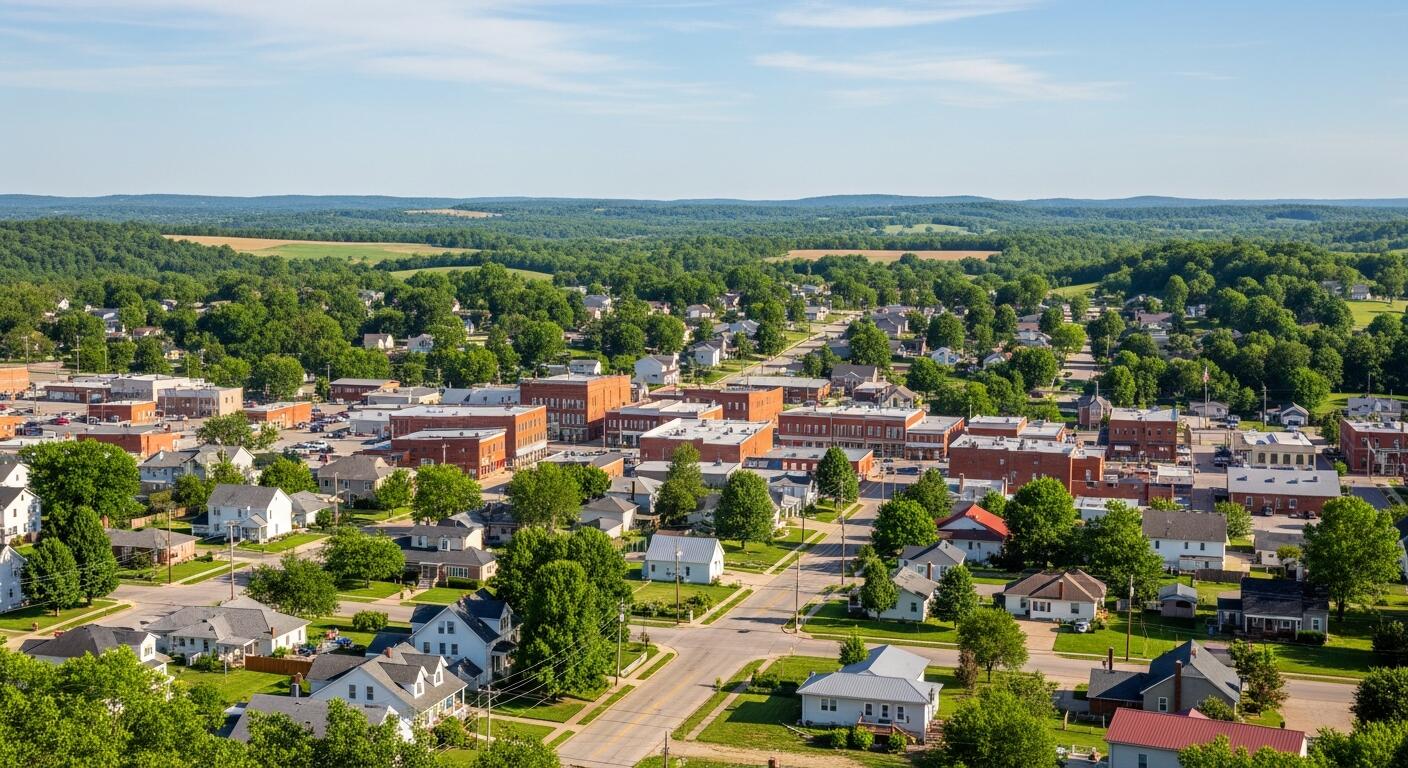
Farmington sits in the heart of St. Francois County, where clay-heavy Parkland soil, aging downtown housing stock, and sudden Ozark-border storms create restoration challenges you won't find in flatter parts of Missouri. Water finds its way into basements through foundation seams, and smoke travels through balloon-framed walls in older homes.
Property owners here rely on a full range of emergency and recovery services:
- Water Damage Restoration - extraction, structural drying, and moisture mapping after pipe failures, appliance leaks, and roof intrusion
- Flooded Basement Cleanup - sump pump failures, hydrostatic seepage, and storm surge recovery
- Sewage Cleanup - biohazard removal, disinfection, and safe disposal after backups and septic overflows
- Fire Damage Restoration - structural stabilization, debris removal, contents recovery, and rebuild coordination
- Smoke Damage Restoration - soot removal using media blasting, thermal fogging, and shellac sealing to neutralize odor at the source
- Mold Removal - containment, HEPA filtration, antimicrobial treatment, and moisture-source correction
Benefits for Farmington residents include faster stabilization of building materials, reduced secondary damage, documented insurance support, and healthier indoor air for families and employees. With 25 years of regional experience, crews understand how Parkland construction reacts to moisture, heat, and contamination.
Common Damage Restoration Issues in Farmington, Missouri
Local geography drives most restoration calls. Farmington's rolling terrain sends runoff toward foundations, while dense clay soil holds water against basement walls long after rain stops.
Frequent Causes of Damage
- Hydrostatic pressure pushing groundwater through basement floor cracks and cove joints
- Frozen and burst supply lines during hard January freezes in unheated crawl spaces
- Sump pump failure during multi-inch spring rain events
- Municipal line surcharges and rural septic backups sending contaminated water into lower levels
- Kitchen grease fires, wood stove flue issues, and space heater incidents during cold months
- Electrical faults in older knob-and-tube or early aluminum wiring
- Chronic humidity in unconditioned crawl spaces feeding mold on joists and subfloor
Warning Signs Worth Acting On
- Efflorescence, white chalky residue, or blistering paint on foundation walls
- Musty odor that intensifies after rain or when the HVAC cycles on
- Buckling hardwood, cupped laminate, or soft spots near exterior walls
- Gurgling floor drains or slow-draining fixtures across multiple rooms
- Yellow-brown staining on ceilings above bathrooms or near roof valleys
- Persistent smoke odor that returns on humid days after a small fire
- Visible growth behind baseboards, under sinks, or around window frames
Delay compounds every one of these. Porous materials absorb water within hours, and mold colonies establish quickly in warm Missouri conditions.
Neighborhoods We Serve in Farmington
Service extends across Farmington proper and throughout the wider Parkland and eastern Missouri region.
- Farmington areas: the historic downtown corridor, Columbia Street district, Karsch Boulevard commercial properties, Wilson-Rozier area, Doe Run Road corridor, and newer subdivisions on the city's north and west edges
- St. Francois County: Park Hills, Bonne Terre, Desloge, Leadington, and rural acreage between them
- Surrounding communities: Potosi, De Soto, Bloomsdale, Festus, Arnold, Fenton, and Pacific
- Franklin County and beyond: Union, Gerald, New Haven, Bourbon, Chesterfield, Maryland Heights, and greater St. Louis
Each community brings different construction eras and utility infrastructure. Rural properties on septic systems need different sewage protocols than homes tied to municipal sewer, and older downtown structures require gentler cleaning methods than newer builds.
Seasonal Damage Patterns in Farmington
Winter (December - February)
- Burst pipes in crawl spaces, garages, and exterior walls during deep freezes
- Peak fire and smoke damage season from furnaces, wood stoves, and space heaters
- Ice dams forcing meltwater under shingles into ceilings
Spring (March - May)
- Highest volume of flooded basements as saturated clay soil sheds runoff toward foundations
- Sump pump overload and sewer backups during heavy storm cells
- Mold growth begins as temperatures climb into moist structures
Summer (June - August)
- Mold removal calls peak with high humidity and condensation in crawl spaces
- Air conditioning condensate line clogs causing hidden ceiling and wall damage
- Storm-driven roof leaks and wind damage water intrusion
Fall (September - November)
- Clogged gutters redirecting water to foundation perimeters
- First furnace startups revealing puff-back soot events
- Ideal window for drainage correction and pre-winter moisture inspections
Housing Characteristics & Restoration Considerations
Farmington's housing spans well over a century of building practice. That range directly shapes how a property is dried, cleaned, and rebuilt.
Common Construction Types
- Pre-1940 homes near downtown: plaster over wood lath, stone or brick foundations, balloon framing, and original hardwood
- Mid-century ranches: poured or block basements, plywood subfloors, and original cast-iron drain lines
- 1980s - 2000s subdivisions: finished basements, drywall, carpeted lower levels, and vinyl siding over sheathing
- Rural Parkland properties: crawl space or slab construction, private wells, and septic systems
How Age Affects Restoration
- Plaster and lath hold moisture far longer than drywall, requiring extended drying cycles and careful cavity monitoring rather than immediate demolition.
- Balloon framing creates open vertical chases that carry smoke, soot, and odor from a basement fire straight to the attic - thermal fogging and shellac sealing address what surface cleaning cannot.
- Stone and block foundations seep at mortar joints, so flooded basement work pairs extraction with drainage and grading recommendations.
- Cast-iron and clay sewer laterals crack and root-intrude, raising sewage backup risk and requiring full biohazard protocols.
- Finished basements hide moisture behind paneling and under padding, where mold establishes before any odor reaches living space.
- Older insulation and possible asbestos-containing materials call for testing before demolition in fire or water losses.
Environmental Conditions & Damage Implications
Farmington's climate and geology work against dry building assemblies for much of the year.
Climate Factors
- Humid continental pattern with summer dew points that keep indoor moisture elevated
- Annual rainfall well above the national average, concentrated in spring thunderstorm season
- Freeze-thaw cycling that widens foundation cracks each winter
- Occasional severe weather producing wind-driven rain and hail-related roof breaches
Soil and Water Conditions
- Clay-rich Parkland soils expand when wet and shrink when dry, stressing foundation walls and footings
- Poor percolation keeps water perched against basement exteriors after storms
- Karst and old mining influence in parts of the county affects groundwater movement
- Hard well water in rural areas contributes to plumbing scale and eventual line failures
Restoration Implications
- Drying: High ambient humidity means dehumidification must be sized correctly - fans alone move moist air around rather than removing it.
- Mold: Warm, damp conditions allow growth to begin fast, so containment and HEPA filtration go up before any material is disturbed.
- Sewage: Saturated soil raises backup risk, and contaminated water in porous materials requires removal rather than cleaning.
- Smoke: Humidity reactivates soot residues, which is why odor returns on muggy days without proper sealing.
- Air quality: Post-loss filtration protects occupants from spores, particulates, and combustion byproducts.
Start-to-Finish Fire, Smoke, and Water Recovery in the Parkland Region
A restoration project is only as strong as its handoffs. Farmington property owners benefit most when one accountable team manages the entire sequence rather than juggling separate contractors.
The Full Recovery Process
- Emergency contact and dispatch - immediate guidance on shutting off water, avoiding contaminated areas, and safe entry.
- On-site assessment - moisture meters, thermal imaging, and air sampling establish the true extent of damage behind finishes.
- Stabilization - board-up, tarping, water extraction, and temporary power keep the loss from expanding.
- Containment and removal - unsalvageable materials, saturated insulation, and sewage-contaminated porous items are removed under negative pressure.
- Cleaning and treatment - media blasting on charred framing, HEPA vacuuming, antimicrobial application, and thermal fogging for odor penetration.
- Sealing - shellac-based encapsulation on framing and subfloor locks residual smoke odor out of the structure permanently.
- Structural drying - documented daily moisture readings until materials reach dry standard.
- Contents recovery - textiles, documents, electronics, and furnishings cleaned or inventoried for claim purposes.
- Reconstruction - drywall, flooring, trim, paint, and finish work returning the property to pre-loss condition.
- Final walkthrough and documentation - clearance verification and a complete photo and reading log for the insurance file.
Why Local Experience Matters Here
- Familiarity with St. Francois County building practices and municipal requirements
- Knowledge of which older Farmington finishes can be restored versus replaced
- Established insurance documentation practices that reduce back-and-forth for homeowners
- Coverage for both residential and commercial properties across the Parkland and eastern Missouri corridor
- Ethical, accountable workmanship built on 25 years of regional restoration work





