
Damage Restoration in St. Robert, MO
- Damage Restoration Services Overview
- Common Damage Restoration Issues in St. Robert, Missouri
- Neighborhoods We Serve in St. Robert
- Seasonal Damage Patterns in St. Robert
- Housing Characteristics & Restoration Considerations
- Environmental Conditions & Damage Implications
- Emergency Response for Fort Leonard Wood Families and St. Robert Businesses
Damage Restoration Services Overview
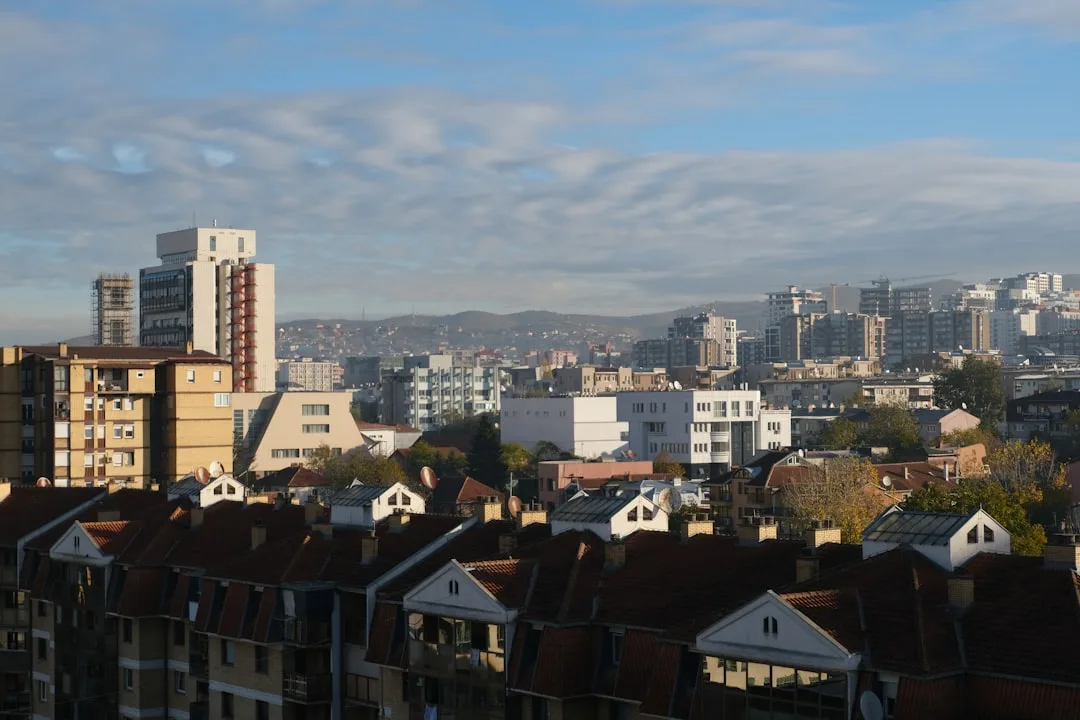
When water pours through a ceiling or smoke settles into every room, the fastest relief comes from knowing trained hands are already on the way. Professional restoration in St. Robert turns a chaotic situation into a managed, step-by-step recovery.
Our teams handle the full range of property emergencies for homes, rentals, and businesses across Pulaski County - from a saturated crawlspace to a kitchen fire that spread soot through the HVAC system.
- Water Damage Restoration - extraction, structural drying, and moisture mapping after burst pipes, appliance failures, and roof leaks
- Flooded Basement - pump-outs, sump failure response, and drying of below-grade finished space
- Sewage Cleanup - safe removal of contaminated material, disinfection, and odor control after backups
- Fire Damage Restoration - debris removal, board-up, structural cleaning, and reconstruction
- Smoke Damage Restoration - soot removal from surfaces, contents, and ductwork plus deodorization
- Mold Removal - containment, air filtration, material removal, and moisture source correction
Key benefits for St. Robert property owners include:
- Round-the-clock emergency response so damage stops spreading
- Documentation and photos that support insurance claims
- Commercial drying equipment that outperforms household fans
- One team from first assessment through final finishing work
Common Damage Restoration Issues in St. Robert, Missouri
St. Robert sits on the Ozark plateau near Fort Leonard Wood, where thin rocky soil, karst drainage, and severe Missouri weather combine to stress buildings year-round.
Local Causes of Damage
- Heavy spring thunderstorms that overwhelm gutters, downspouts, and yard drainage
- Flash runoff along Roubidoux and Big Piney tributaries that pushes water toward low-lying foundations
- Winter ice storms that split supply lines in unheated garages, crawlspaces, and exterior walls
- Spring tornado and high-wind risk that opens roofs to rain intrusion
- Sewer and septic backups when saturated ground overloads lateral lines
- Humid summers that drive mold growth in basements, closets, and behind vinyl wallcoverings
Warning Signs Worth Acting On
- Musty odor in a basement or crawlspace that never fully clears
- Bubbling paint, stained drywall seams, or soft baseboards
- Slow floor drains or gurgling toilets - often the first hint of a sewage backup
- Cupping hardwood or loose vinyl plank edges
- Lingering smoke smell that returns whenever the furnace or AC cycles
- Visible dark speckling on ceiling tiles, under sinks, or around window frames
Fires here follow familiar patterns too: cooking incidents, space heaters during cold snaps, chimney and wood stove issues, and electrical faults in older wiring. Smoke travels far beyond the burn area, which is why soot testing and duct inspection matter even after a small kitchen fire.
Neighborhoods We Serve in St. Robert
Our crews cover St. Robert and the surrounding Pulaski County communities, including military housing areas and the many rental properties tied to Fort Leonard Wood.
- Downtown St. Robert and the Old Route 66 business corridor
- Missouri Avenue and Highway Z commercial districts
- Residential subdivisions off Eastlawn, Bridge School Road, and Cardinal Drive
- Fort Leonard Wood on-post and adjacent off-post housing
- Waynesville, Buckhorn, and Laquey
- Devils Elbow, Big Piney, and the Gasconade River corridor
- Dixon, Crocker, Richland, and Swedeborg
- Rural properties along I-44 between Waynesville and Hazelgreen
We routinely work with landlords, property managers, hotels, and multi-unit buildings that serve transient military families - coordinating access, tenant communication, and unit-by-unit drying so occupancy disruption stays short.
Seasonal Damage Patterns in St. Robert
Winter (December - February)
- Frozen and burst pipes in crawlspaces, exterior walls, and vacant rentals
- Ice dams forcing meltwater under shingles
- Peak heating-related fire and smoke damage from furnaces, fireplaces, and space heaters
Spring (March - May)
- Highest volume of flooded basements from prolonged rainfall and saturated ground
- Sump pump failures during multi-day storms and power outages
- Tornado and hail damage opening roofs to water intrusion
- Sewage backups when storm flow overloads municipal and septic systems
Summer (June - August)
- Mold growth accelerating in humid, poorly ventilated basements and attics
- AC condensate line clogs and overflow pan leaks
- Lightning strikes and electrical fires during severe storm clusters
Fall (September - November)
- Clogged gutters from leaf fall causing foundation seepage
- First-use furnace and chimney fires as temperatures drop
- Ideal window for moisture inspections and mold remediation before winter closes homes up
Housing Characteristics & Restoration Considerations
St. Robert's housing stock grew alongside Fort Leonard Wood, producing a mix of mid-century ranch homes, 1970s-1990s subdivisions, newer construction, and a heavy share of duplexes, apartments, and manufactured housing.
Construction Types and What They Mean
- Slab-on-grade ranches - water spreads laterally under flooring; requires flood cuts and cavity drying rather than surface mopping
- Crawlspace foundations - common in older and rural homes; vapor barriers, insulation, and subfloor sheathing hold moisture and breed mold
- Finished basements - carpet pad, drywall, and stored belongings absorb floodwater quickly and often need partial demolition
- Manufactured homes - underbelly wrap traps water and hides damage for weeks
- Multi-family rentals - a single burst line can affect stacked units, requiring simultaneous drying across floors
Age-Related Vulnerabilities
- Galvanized and polybutylene supply lines prone to pinhole leaks and sudden failure
- Cast iron and clay sewer laterals with root intrusion that trigger backups
- Aluminum or undersized electrical wiring raising fire risk in pre-1980 homes
- Original insulation and vapor barriers that trap humidity in wall cavities
- Popcorn ceilings and vintage flooring that require careful handling during fire and water demolition
Restoration plans account for these differences. Drying a 1960s crawlspace home is a different job than drying a 2015 slab build, and the equipment placement, demolition scope, and monitoring schedule change accordingly.
Environmental Conditions & Damage Implications
The Ozark environment around St. Robert shapes how damage develops and how long recovery takes.
Climate and Humidity
- Summer relative humidity frequently sits high enough for mold to colonize damp materials within days
- Wide freeze-thaw swings crack foundation mortar and stress plumbing
- Annual rainfall well above the national average keeps soil moisture pressing against basement walls
Soil and Groundwater
- Thin clay-loam over fractured limestone bedrock limits absorption, so runoff moves fast toward structures
- Karst geology creates sinkholes, springs, and unpredictable subsurface water paths
- Rocky ground makes proper perimeter drainage and sump discharge routing especially important
- Rural septic systems saturate quickly, raising sewage backup risk after heavy rain
Air Quality Effects
- Smoke residue bonds tightly to surfaces in humid conditions, making rapid cleaning important
- Sealed, energy-efficient homes recirculate mold spores and soot particles through ductwork
- Seasonal pollen and dust load HVAC filters, worsening post-fire and post-mold air issues
How This Changes Our Work
- Dehumidification is sized for regional humidity, not textbook averages
- Moisture readings are tracked daily until materials reach dry standard
- Air scrubbers and HEPA filtration run during mold and smoke work to protect occupants
- Drainage and grading recommendations accompany every basement flood project
Emergency Response for Fort Leonard Wood Families and St. Robert Businesses
Damage does not wait for business hours, and neither does our dispatch. Water spreads through drywall in minutes, mold can begin within a day or two, and soot becomes permanent when it sits on surfaces too long.
Why Speed Changes the Outcome
- Fast extraction often saves subfloors, cabinetry, and framing that would otherwise be demolished
- Same-day containment on sewage jobs limits contamination to a single room
- Early deodorization prevents smoke odor from setting into upholstery and insulation
- Immediate board-up and tarping stops rain from compounding fire or storm damage
What Happens After You Call
- Phone intake gathers the damage type, water source, and safety concerns
- A crew is dispatched to your St. Robert address with extraction and drying equipment
- On-site assessment maps moisture, documents damage, and identifies contamination class
- Emergency mitigation begins - extraction, pump-out, board-up, or containment
- Drying equipment is placed and monitored with daily moisture readings
- Cleaning, disinfection, and deodorization address contents and surfaces
- Reconstruction restores drywall, flooring, trim, roofing, and finishes
Built for Military Community Needs
- Coordination with landlords and property managers when service members are deployed or on TDY
- Photo and moisture documentation suitable for renters insurance and landlord claims
- Flexible scheduling around PCS timelines and unit turnover
- Clear scope explanations so remote family members can approve work confidently
From a single flooded laundry room off Missouri Avenue to a hotel corridor soaked by a broken riser, the response follows the same principle - stabilize first, dry thoroughly, then rebuild properly.





