
Damage Restoration in Nixa, MO
- Damage Restoration Services Overview
- Common Damage Restoration Issues in Nixa, Missouri
- Neighborhoods We Serve in Nixa
- Seasonal Damage Patterns in Nixa
- Housing Characteristics & Restoration Considerations
- Environmental Conditions & Damage Implications
- Emergency Response and Insurance Navigation for Nixa Property Owners
Damage Restoration Services Overview
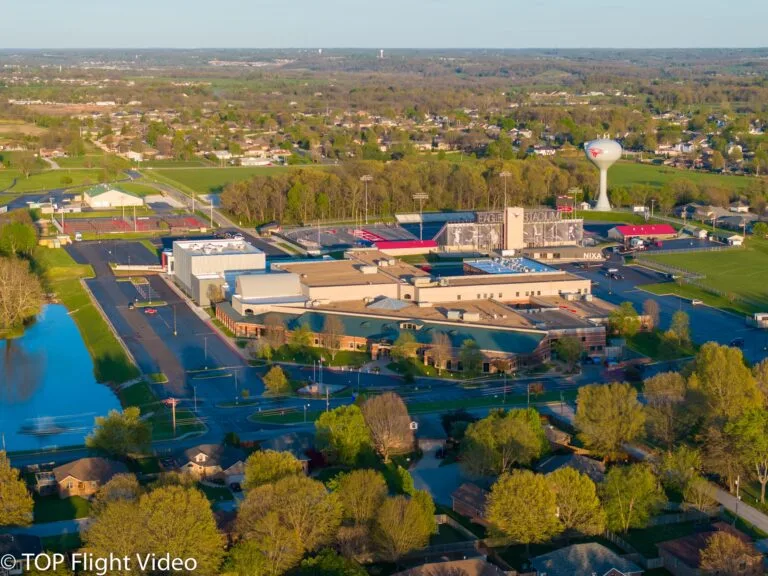
Nixa sits in the heart of Christian County, where Ozarks limestone bedrock, fast-draining creeks, and heavy spring thunderstorms combine to create restoration challenges you won't find in flatter parts of Missouri. Water moves quickly across shallow soils here, finding its way into basements, crawl spaces, and slab foundations within minutes of a downpour.
Property owners across the city rely on a full range of restoration disciplines to protect their homes and businesses:
- Water Damage Restoration - extraction, structural drying, and moisture mapping after burst pipes, appliance failures, or roof leaks
- Flooded Basement - pump-out, content removal, and dehumidification for below-grade spaces along Finley River drainage areas
- Sewage Cleanup - safe handling of Category 3 contamination from backups, septic failures, and lateral line breaks
- Fire Damage Restoration - debris removal, structural stabilization, and salvage of contents after residential or commercial fires
- Smoke Damage Restoration - soot removal, thermal fogging, and odor neutralization in areas untouched by flames
- Mold Removal - containment, remediation, and moisture-source correction in humid Ozarks conditions
Local providers including ABC Damage Restoration at (417) 302-3010 and Clean Green Restoration serve Nixa with 24/7 emergency response. Fast action limits secondary damage, reduces total loss, and helps keep insurance claims manageable.
Common Damage Restoration Issues in Nixa, Missouri
Nixa's geography and building stock produce a recognizable pattern of restoration calls throughout the year. Understanding the local causes helps homeowners spot trouble before it spreads.
Leading Causes of Damage Locally
- Spring storm systems - Christian County averages significant rainfall in April through June, overwhelming gutters, window wells, and sump pumps
- Karst topography - limestone bedrock and sinkhole activity redirect groundwater in unpredictable ways, pushing hydrostatic pressure against foundation walls
- Freeze-thaw pipe failures - January cold snaps burst supply lines in uninsulated crawl spaces and exterior walls
- Municipal and septic backups - heavy rain infiltration can surcharge sewer laterals, sending contaminated water into basements and lower-level bathrooms
- Space heater and chimney fires - winter heating season drives a spike in structure fires and widespread smoke contamination
- Summer humidity - dew points regularly climb into the 70s, feeding mold growth in crawl spaces, attics, and closed-off rooms
Warning Signs Worth Acting On
- Musty odors in lower levels that intensify after rainfall
- Efflorescence or white chalky staining on basement block walls
- Buckling laminate, cupping hardwood, or soft spots near dishwashers and water heaters
- Gurgling floor drains or slow-clearing fixtures signaling a sewer line problem
- Yellow-brown staining bleeding through repainted ceilings after a fire
- Persistent smoke odor that returns when the HVAC system cycles on
Neighborhoods We Serve in Nixa
Restoration crews cover the full footprint of Nixa and the surrounding Christian County communities, with response teams familiar with local street layouts and utility access points.
- Downtown Nixa and the Main Street corridor - older commercial structures with aging plumbing and shared walls
- Northview and North Nixa - established subdivisions with full basements and mature tree cover
- Tracker Road and Gregg Road areas - newer construction with slab and walkout designs
- Rosedale, Falcon Ridge, and Prairie Creek - family neighborhoods near school corridors
- South Nixa toward Highway 14 and CC - properties on septic systems and private wells
- Surrounding communities - Ozark, Clever, Republic, Billings, Highlandville, Sparta, and south Springfield
Rural properties on acreage outside city limits often need extended equipment runs and generator support, and local crews plan accordingly.
Seasonal Damage Patterns in Nixa
Restoration demand in Nixa follows a predictable annual rhythm shaped by Ozarks weather.
- December through February - frozen and burst pipes dominate. Heating equipment, fireplaces, and holiday cooking drive fire damage restoration and smoke damage restoration calls.
- March through May - peak severe weather season. Flooded basement calls surge as saturated ground and heavy rainfall overwhelm drainage. Sewage cleanup requests climb with sewer surcharging.
- June through August - humidity-driven mold removal becomes the top service. Air conditioning condensate line clogs and failed sump pumps cause hidden water damage.
- September through October - a calmer stretch ideal for preventive work: crawl space encapsulation, gutter correction, and moisture inspections.
- November - first hard freezes catch outdoor spigots and unheated garages, restarting the water damage cycle.
Year-Round Constants
- Appliance failures - water heaters, washing machines, and refrigerator lines fail regardless of season
- Roof leaks after hail events, which the Nixa area sees with regularity
- Mold growth wherever moisture goes unaddressed longer than a couple of days
Housing Characteristics & Restoration Considerations
Nixa's housing stock reflects rapid growth. The city expanded dramatically from the 1990s onward, so most homes fall into two broad groups - older properties near the original town core and large tracts of newer subdivision construction.
Common Construction Types
- Pre-1980 homes near downtown - often feature poured or block basements, cast iron or galvanized plumbing, and original electrical service. Higher risk for sewage backups and pipe failures.
- 1990s-2000s subdivision homes - typically vinyl-sided with framed walls, fiberglass batt insulation, and finished basements or crawl spaces vulnerable to hidden mold.
- Recent builds - tighter envelopes and engineered flooring dry more slowly, requiring careful moisture monitoring rather than surface-level drying.
- Rural and acreage properties - septic systems, well water, and detached outbuildings that complicate sewage cleanup and fire response.
How Construction Affects Restoration
- Finished basements with carpet, pad, and drywall usually require partial demolition after Category 2 or 3 water intrusion
- Crawl spaces with dirt floors and vented perimeters trap humidity, making mold removal a recurring need without vapor barrier upgrades
- Open floor plans allow smoke and soot to travel freely, expanding the scope of smoke damage restoration well beyond the fire origin
- Engineered hardwood and luxury vinyl plank often need controlled drying with mats rather than replacement
- Attic-mounted HVAC units can flood ceilings from above when condensate pans overflow
Environmental Conditions & Damage Implications
The environment around Nixa directly shapes how damage develops and how restoration is performed. Southwest Missouri sits in a humid subtropical zone with hot, sticky summers and variable winters.
Climate and Moisture Factors
- Annual rainfall - the region receives well above the national average, concentrated in spring and early summer storms
- Summer dew points - frequently in the upper 60s and 70s, which means outdoor air cannot be used to dry interiors during much of the year
- Winter swings - temperatures can move 40 degrees in a day, stressing plumbing and building materials
- Hail and wind - Christian County lies within an active severe weather corridor, producing roof breaches that lead to interior water damage
Soil, Geology, and Water
- Karst limestone bedrock - creates springs, sinkholes, and underground channels that can push water into basements from unexpected directions
- Shallow, clay-heavy topsoil - limits absorption, sending runoff toward foundations rather than down through the profile
- High mineral content well water - leaves scale in plumbing that accelerates pipe corrosion on rural properties
- Wooded lots - leaf litter clogs gutters and roof valleys, a frequent precursor to attic and ceiling water damage
These conditions make sealed drying systems, commercial dehumidification, and post-remediation verification standard practice for Nixa jobs. They also mean mold spores are present year-round in outdoor air, so containment during remediation matters as much as removal.
Emergency Response and Insurance Navigation for Nixa Property Owners
When water, sewage, fire, or smoke damage hits, the first 24 to 48 hours determine how much of your property can be saved. Nixa residents benefit from restoration companies that know local building departments, insurance adjusters, and the quirks of Christian County properties.
What Happens After You Call
- Emergency dispatch - 24/7 response teams from providers like ABC Damage Restoration at (417) 302-3010 head out immediately with extraction and containment equipment.
- Safety assessment - technicians evaluate electrical hazards, structural integrity, and contamination category before entry.
- Source control - shutting off water supply, tarping roofs, or boarding openings to stop ongoing damage.
- Documentation - moisture readings, thermal imaging, and photo records that support your insurance claim.
- Extraction and stabilization - pumps, truck-mount units, air movers, and dehumidifiers set for the specific materials involved.
- Remediation and reconstruction - antimicrobial treatment, soot removal, odor neutralization, and rebuild of affected areas.
Working With Your Insurance Carrier
- Most homeowner policies cover sudden water damage from burst pipes and appliance failures, but not gradual seepage
- Groundwater flooding into a basement typically requires separate flood coverage
- Sewage backup endorsements are inexpensive add-ons that many Nixa homeowners overlook
- Fire and smoke losses generally include contents cleaning, temporary housing, and structural repair
- Mold coverage is often capped, which makes early water mitigation the strongest financial protection
Steps to Take Before Crews Arrive
- Shut off the water main or the electrical breaker to affected areas if it is safe to do so
- Move valuables, documents, and electronics to a dry level
- Photograph everything before touching or discarding items
- Stay out of any space with standing sewage or soot residue - both carry real health risks
- Contact your insurer and your restoration provider in the same window so scheduling and approvals move together





