
Damage Restoration in Corvallis, OR
- Damage Restoration Services Overview
- Common Damage Restoration Issues in Corvallis, Oregon
- Neighborhoods We Serve in Corvallis
- Seasonal Damage Patterns in Corvallis
- Housing Characteristics & Restoration Considerations
- Environmental Conditions & Damage Implications
- Working With Your Insurance Carrier After Corvallis Property Damage
Damage Restoration Services Overview
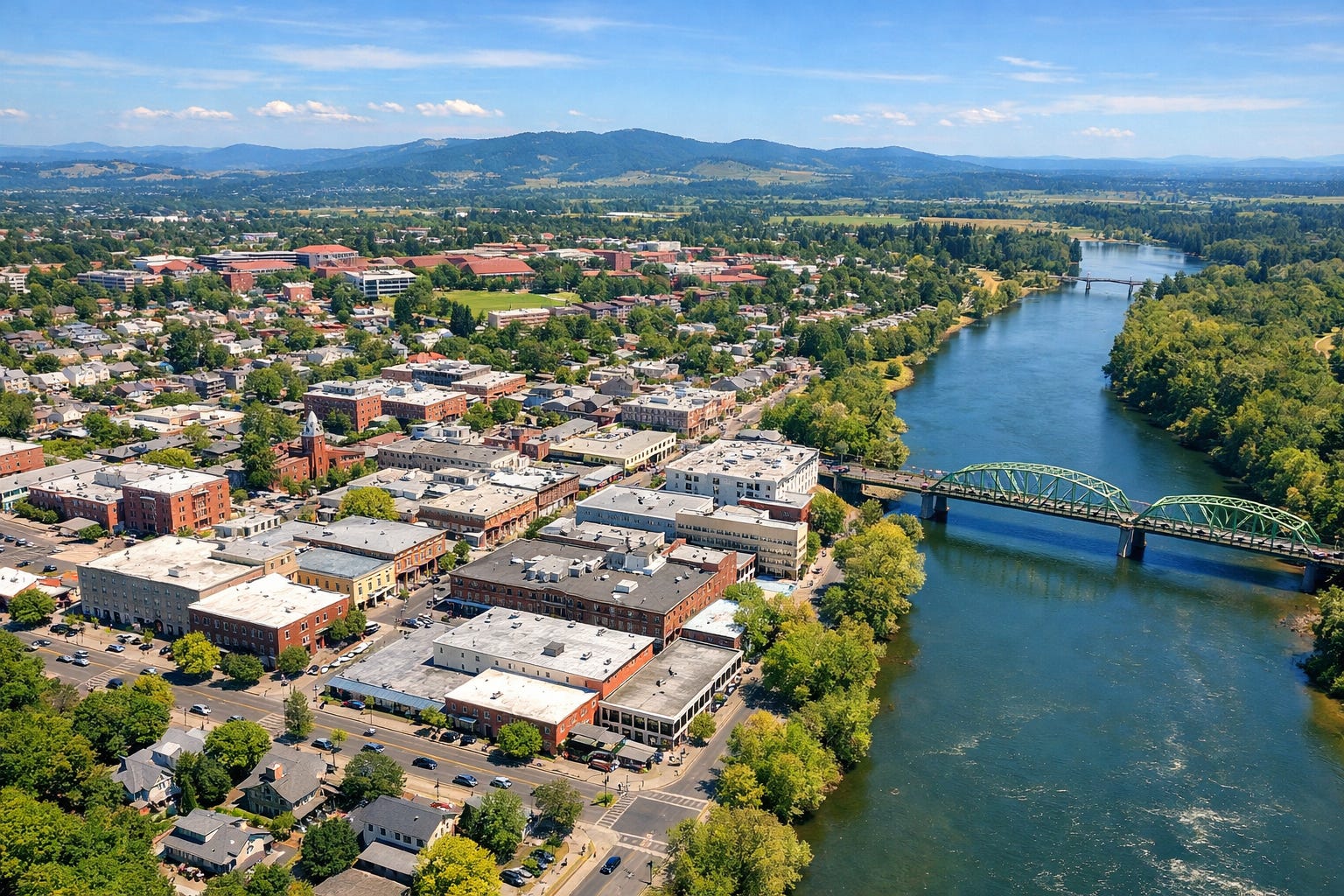
What would you do if you walked into your Corvallis home tomorrow morning and found two inches of standing water across the basement floor? Property damage rarely announces itself, and the hours immediately after discovery shape how much of your structure, flooring, and belongings can be saved.
Our restoration team serves Corvallis property owners with a full range of mitigation and rebuild services, handling the majority of the work in-house so you are not juggling multiple contractors during an already stressful week.
- Water Damage Restoration - emergency extraction, structural drying, and moisture mapping after burst pipes, supply line failures, and appliance leaks.
- Flooded Basement Cleanup - pump-outs, sump failure response, and drying of below-grade spaces along the Willamette floodplain.
- Sewage Cleanup - safe removal of Category 3 contamination from backups, septic issues, and municipal line failures.
- Fire Damage Restoration - debris removal, structural stabilization, and full reconstruction services.
- Smoke Damage Restoration - soot removal, odor neutralization, HVAC cleaning, and content restoration.
- Mold Removal - containment, remediation, and correction of the moisture source that fed the growth.
IICRC-certified technicians respond around the clock, arrive with commercial-grade extraction gear, industrial dehumidifiers, and thermal imaging cameras, and bill your insurance carrier directly with a goal of zero out-of-pocket cost to you.
Common Damage Restoration Issues in Corvallis, Oregon
Corvallis sits in the heart of the Willamette Valley, where a long wet season, mature tree canopy, and a housing stock that spans more than a century create predictable patterns of property damage.
Frequent Causes We Respond To
- Burst or frozen supply lines during January cold snaps, particularly in unheated crawl spaces and garages
- Sump pump failures during sustained valley rain events near the Willamette and Marys River corridors
- Aging cast iron and clay sewer laterals in older neighborhoods that crack under root intrusion
- Washing machine hoses, water heater tanks, refrigerator lines, and dishwasher failures in rental properties near campus
- Kitchen fires and space heater fires that leave smoke and soot residue throughout HVAC systems
- Roof and gutter overflow that saturates wall cavities and sill plates
Warning Signs Worth Acting On
- A musty smell in a basement, crawl space, or closet that never fully clears
- Cupping hardwood, bubbling paint, or discolored drywall near baseboards
- Slow floor drains or gurgling toilets - often the first hint of a sewer line problem
- Condensation on windows and elevated indoor humidity through the winter months
- Persistent smoke odor that returns whenever the furnace runs
Left alone, a small leak becomes mold growth within a couple of days in valley humidity. Early intervention keeps a mitigation job from turning into a full reconstruction project.
Neighborhoods We Serve in Corvallis
Our crews cover the entire city and the surrounding Benton County communities, dispatching from our Salem office with a target on-site arrival within about 90 minutes.
- Central Corvallis - Downtown, Central Park, Avery-Helm Historic District, and the Riverfront area
- Campus and near-campus - College Hill, University District, and the dense rental blocks surrounding Oregon State University
- South Corvallis - South Town, Southeast Corvallis, and properties near the Willamette Park area
- North and Northwest - Timberhill, Witham Hill, Country Club Heights, Skyline West, and Walnut Boulevard corridors
- West Corvallis - Bald Hill, Wildcat, and the Harrison and Circle Boulevard neighborhoods
- Nearby communities - Philomath, Adair Village, Albany, Lewisburg, Monroe, and rural Benton County properties on well and septic systems
Commercial clients include campus-adjacent apartment complexes, downtown retail, restaurants, medical offices, and light industrial buildings.
Seasonal Damage Patterns in Corvallis
Late Fall Through Winter (November - February)
- Peak season for flooded basements and crawl spaces as the valley receives the bulk of its annual rainfall
- Frozen and burst pipes during brief freeze events, often discovered on the thaw
- Sewer backups when saturated ground and heavy flow overwhelm older laterals
- Heating-related fires and furnace puff-backs that spread soot through ductwork
Spring (March - May)
- Snowmelt and rain-on-saturated-soil flooding along the Willamette and Marys River lowlands
- Mold discovered after a wet winter, especially in closed-off basements and north-facing walls
- Roof and gutter failures revealed by spring storms
Summer (June - August)
- Appliance and irrigation failures in vacant campus rentals between terms
- Wildfire smoke infiltration from regional Cascade and Coast Range fires
- Grilling, brush, and outbuilding fires during dry stretches
Early Fall (September - October)
- First sustained rains expose clogged gutters, failed sump pumps, and cracked foundations
- Ideal window for pre-season moisture inspections and crawl space vapor barrier checks
Housing Characteristics & Restoration Considerations
Corvallis housing ranges from Craftsman bungalows and Victorians built before 1920 to postwar ranches, 1970s split-levels, and newer subdivisions on the north and west edges of town. Each era brings its own restoration challenges.
Pre-1950 Homes
- Lath and plaster walls that hold moisture longer than drywall and require specialized drying approaches
- Original hardwood floors worth salvaging with controlled drying rather than demolition
- Knob-and-tube or early wiring that raises electrical safety concerns during water intrusion
- Cast iron and clay sewer laterals prone to root intrusion and backups
- Possible asbestos and lead paint in flooring, mastic, and texture - handled with proper testing before demolition
Mid-Century and 1970s - 1990s Homes
- Vented crawl spaces where standing water and humidity feed mold on joists and subfloor
- Finished basements with carpet, paneling, and framing that must be removed after Category 3 water
- Original galvanized or polybutylene plumbing nearing the end of its service life
- Attic insulation that absorbs smoke odor and requires removal after a fire
Newer Construction and Multifamily
- Tighter building envelopes that trap humidity and slow natural drying
- Stacked plumbing in apartments where a single failure affects multiple units
- Engineered flooring and MDF trim that swell quickly and rarely recover
We document moisture readings in every affected assembly, dry to measurable standards, and rebuild finishes to match the original character of the home.
Environmental Conditions & Damage Implications
The Willamette Valley climate is the single biggest driver of restoration work in Corvallis. Roughly 40 to 45 inches of annual rainfall arrives mostly between November and April, with mild temperatures that keep relative humidity elevated for months at a time.
Climate and Moisture
- Long wet seasons mean building materials rarely dry on their own - mechanical dehumidification is required
- Mild winter temperatures allow mold to colonize damp materials in as little as 24 to 48 hours
- Summer heat waves push moisture out of crawl spaces and into living areas, revealing hidden problems
Soil and Groundwater
- Clay-heavy valley soils drain slowly and hold water against foundation walls
- Seasonally high groundwater tables lift moisture into slabs and crawl space soil
- Properties near the Willamette River, Marys River, Dixon Creek, and Oak Creek face higher flood exposure
- Hydrostatic pressure causes seepage through foundation cracks and cove joints in older basements
Air Quality
- Regional wildfire smoke can settle into attics, ductwork, and soft furnishings during late summer
- Woodstove use in winter contributes to indoor particulate buildup that complicates smoke odor removal
- Damp crawl spaces push mold spores and moisture upward through the stack effect into living space
Our technicians address the environment, not just the visible damage - correcting drainage, sealing crawl spaces, and balancing indoor humidity so the same problem does not return next winter.
Working With Your Insurance Carrier After Corvallis Property Damage
The restoration itself is only half the job. The other half is documentation - and it determines whether your claim is paid smoothly or contested line by line.
What We Handle On Your Behalf
- Immediate emergency response - we stabilize the loss, extract water, and prevent secondary damage, which is exactly what your policy requires of you as a homeowner.
- Full photographic and moisture documentation - thermal imaging, moisture meter readings, and room-by-room photos captured before any material is removed.
- Scope preparation - we write the estimate in the industry-standard format adjusters use, so there is no translation gap.
- Direct communication with your adjuster - we field the technical questions about drying standards, containment, and demolition scope.
- Direct billing to the carrier - our goal is zero out-of-pocket cost beyond your deductible.
- Reconstruction - drywall, paint, flooring, cabinetry, and trim returned to pre-loss condition by the same company that handled mitigation.
Coverage Notes Corvallis Owners Should Know
- Sudden and accidental water losses - burst pipes, appliance failures, supply line breaks - are typically covered by standard homeowner policies.
- Surface flooding from rivers and creeks generally requires separate flood insurance, which matters for South Corvallis and riverfront properties.
- Sewer and drain backup coverage is often an inexpensive endorsement that many valley homeowners do not realize they lack.
- Mold coverage is frequently capped, which is why fast drying after a water loss protects both your home and your claim.
- Fire and smoke claims usually include content cleaning, temporary housing, and odor treatment - ask what your policy allows.
Call any hour, and a certified technician will walk you through what to shut off, what to move, and what to photograph before we arrive.





