Damage Restoration in Yellowstone County, MT
- Damage Restoration Services Overview
- Common Damage Restoration Issues in Yellowstone County, Montana
- Neighborhoods We Serve in Yellowstone County
- Seasonal Damage Patterns in Yellowstone County
- Housing Characteristics & Restoration Considerations
- Environmental Conditions & Damage Implications
- Working With Insurance and Floodplain Rules in Yellowstone County
Damage Restoration Services Overview
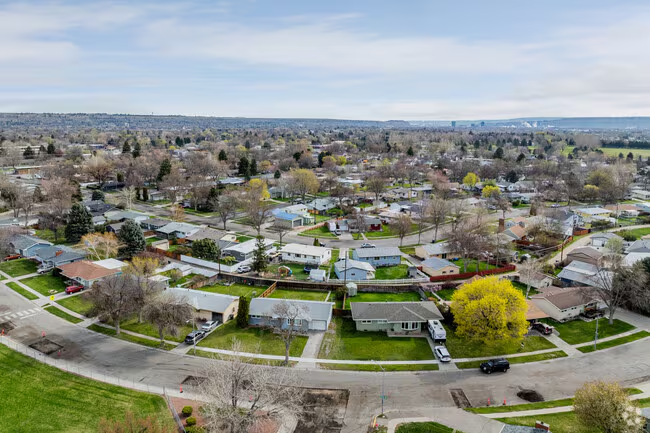
You come home to your Billings Heights split-level after a long weekend, open the basement door, and hear water running where no water should be. The carpet squishes underfoot, the air smells sour, and the furnace sits in two inches of standing water. Situations like this unfold across Yellowstone County every week - sometimes from a burst supply line, sometimes from spring runoff, sometimes from a kitchen fire that fills a house with soot.
Property damage rarely stays in one category. Water leads to mold. Fire leaves behind both charring and smoke residue plus the water used to extinguish it. A sewer backup contaminates everything it touches. That is why full-service restoration matters for Yellowstone County homeowners and business owners.
- Water Damage Restoration - extraction, structural drying, and moisture monitoring after leaks, appliance failures, and pipe breaks
- Flooded Basement Cleanup - pumping, content removal, and drying of below-grade spaces
- Sewage Cleanup - containment, removal of contaminated materials, and antimicrobial treatment
- Fire Damage Restoration - debris removal, structural assessment, and rebuild coordination
- Smoke Damage Restoration - soot removal, odor neutralization, and HVAC cleaning
- Mold Removal - containment barriers, controlled remediation, and moisture source correction
Acting quickly limits secondary damage, protects indoor air quality, and keeps repair scope from expanding week after week.
Common Damage Restoration Issues in Yellowstone County, Montana
The Yellowstone River corridor, sharp temperature swings, and a mix of older and newer housing stock combine to create predictable damage patterns across the county.
Frequent Causes of Loss
- Frozen and burst pipes - unheated crawl spaces, garage walls, and hose bibs fail during deep cold snaps, releasing water for hours before discovery
- Spring runoff and river flooding - snowmelt from the Beartooths and heavy rain push groundwater into basements along the Yellowstone and its tributaries
- Sewer and septic backups - saturated soils and overloaded lines send contaminated water up floor drains and laundry standpipes
- Sump pump failure - power outages during storms leave below-grade spaces unprotected
- Wildfire smoke and structure fires - dry summers, grass fires on the rimrocks, and heating equipment used hard in winter
- Hidden mold growth - behind finished basement paneling, under vinyl flooring, and inside wall cavities that were never properly dried
Warning Signs Worth Investigating
- Musty odors that intensify when the furnace or AC cycles on
- Efflorescence, white chalky staining, or bubbling paint on foundation walls
- Tack strips lifting or baseboards separating from drywall
- Slow floor drains, gurgling toilets, or sewer odor in the basement
- Yellow-brown ceiling stains that reappear after painting
- Persistent smoke smell weeks after a small kitchen or chimney fire
- Unexplained allergy symptoms that improve when occupants leave the house
Many standard homeowners policies exclude rising floodwater, so documenting damage thoroughly with photos and written inventories before cleanup begins protects your claim.
Neighborhoods We Serve in Yellowstone County
Restoration crews respond throughout the county, from dense in-town neighborhoods to rural acreage on gravel roads.
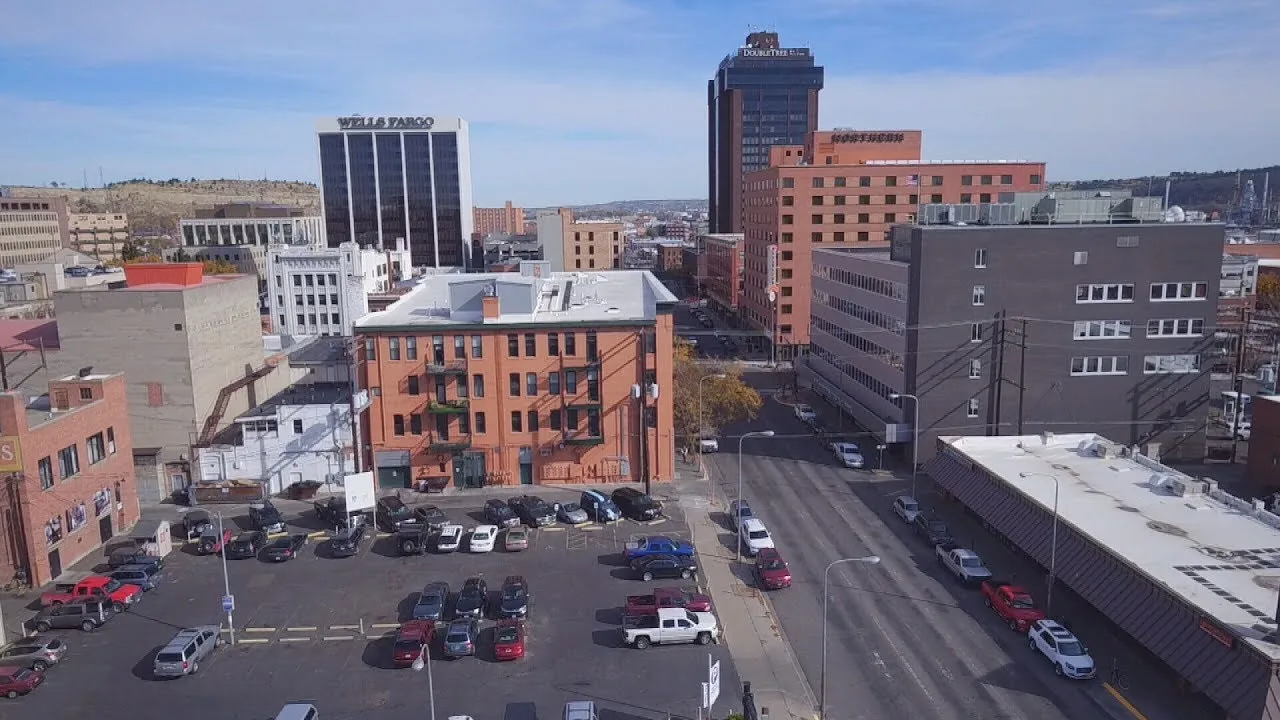
- Billings - Downtown, the West End, Billings Heights, the South Side, Josephine Crossing, and the North Rims
- Laurel - established riverside neighborhoods and newer subdivisions south of the interstate
- Lockwood - homes on well and septic systems along the river bottom
- Shepherd and Huntley - agricultural properties and irrigation-adjacent residences
- Worden, Ballantine, and Pompeys Pillar - eastern county communities in the Yellowstone valley
- Broadview and Molt - northern rural properties with longer response distances
- Blue Creek and Duck Creek areas - hillside and drainage-influenced properties south of Billings
Surrounding regions including Park City, Custer, and nearby portions of Carbon and Stillwater counties are also served for larger losses.
Seasonal Damage Patterns in Yellowstone County
Winter (December - February)
- Frozen and burst supply lines in exterior walls and crawl spaces
- Ice damming on north-facing roof slopes causing ceiling water damage
- Peak season for furnace, wood stove, and chimney-related fire and smoke damage
Spring (March - May)
- Snowmelt and runoff producing flooded basements and crawl spaces
- Groundwater rise overwhelming sump pumps and foundation drains
- Sewage backups as saturated soils stress collection and septic systems
- Thaw-related pipe splits revealed once water is turned back on
Summer (June - August)
- Thunderstorm downpours, hail, and wind-driven rain intrusion
- Grass and wildfire smoke infiltration affecting indoor air and contents
- Air conditioner condensate line clogs feeding hidden mold growth
Fall (September - November)
- Mold discovered after summer moisture goes undetected in closed-up basements
- Roof and gutter failures exposed by the first sustained rains
- Heating system startup fires and puff-back soot from oil or gas equipment
Housing Characteristics & Restoration Considerations
Yellowstone County housing spans more than a century of building practices, and each era responds differently to water, fire, and microbial growth.
Common Construction Types
- Pre-1940 South Side and downtown homes - stone or unreinforced masonry foundations, balloon framing, plaster on wood lath, and sometimes knob-and-tube remnants
- 1950s - 1970s ranches and split-levels - poured or block basements, original cast iron and galvanized plumbing nearing end of life
- 1980s - 2000s West End and Heights homes - engineered trusses, finished basements, and vinyl or hardboard siding
- Newer subdivisions - tighter building envelopes, spray foam or dense insulation, and slab-on-grade or shallow crawl spaces
- Rural and agricultural properties - well water, septic systems, pole buildings, and detached shops
How Construction Shapes Restoration Work
- Balloon framing allows fire, smoke, and water to travel vertically through wall cavities, so inspection extends well beyond the visible damage area.
- Plaster and lath holds moisture longer than drywall and requires specialty drying rather than immediate demolition when it can be saved.
- Finished basements with carpet pad, paneling, and framed walls trap water against concrete, making cavity drying and containment necessary during mold removal.
- Tight modern envelopes hold smoke odor and humidity inside, increasing the need for air scrubbing and controlled dehumidification.
- Older homes may contain asbestos-bearing flooring, mastic, or insulation, requiring testing before demolition proceeds.
- Septic-served properties need the system evaluated after sewage cleanup so the backup does not repeat.
Environmental Conditions & Damage Implications
Local climate and ground conditions influence how fast damage spreads and how drying is planned.
Climate Factors
- Semi-arid climate with low annual precipitation - dry outdoor air helps drying, but it also masks interior moisture problems until damage is advanced
- Wide temperature swings - chinook thaws followed by hard freezes stress plumbing and foundations
- Sharp seasonal humidity shifts - summer storms and winter humidifier use create condensation on cold surfaces
- Wind - drives rain into siding joints and carries wildfire smoke and ash into attics and HVAC systems
Ground and Water Conditions
- Expansive clay soils in parts of the county swell and shrink, opening foundation cracks that admit water
- River-bottom alluvial soils in Lockwood, Laurel, and the valley floor carry high groundwater during runoff
- Irrigation ditches and canals near Huntley and Shepherd raise seasonal water tables adjacent to homes
- Hard, mineral-rich water accelerates scaling in supply lines and water heaters, contributing to leaks
- Rimrock slopes channel runoff toward foundations at the base of the bluffs
What This Means for Restoration
Drying plans account for low ambient humidity in winter and high indoor moisture loads in spring. Mold remediation focuses on correcting the water source - grading, downspouts, sump discharge - rather than only removing visible growth. After wildfire smoke events, HVAC cleaning and filtration matter as much as surface cleaning, since fine particulate settles throughout duct systems and attic insulation.
Working With Insurance and Floodplain Rules in Yellowstone County
The paperwork side of a loss frustrates homeowners as much as the damage itself. Clear communication from the first phone call reduces that stress and keeps claims moving.
Understanding What Is and Is Not Covered
- Most standard homeowners policies exclude rising floodwater from rivers, runoff, and surface flooding - separate flood coverage is required
- Sudden internal water releases such as burst pipes and appliance failures are commonly covered
- Sewer and drain backup often requires an added endorsement
- Mold coverage is frequently capped or tied to a covered water event
- Fire and smoke damage is typically covered, including smoke that did not directly burn materials
Local Floodplain Considerations
Properties within mapped 100-year floodplain areas fall under county floodplain regulations, with maps kept on file by the Yellowstone County Floodplain Administrator. Substantial repairs to structures in those zones may trigger permit requirements or elevation standards, so confirm requirements before rebuilding begins.
Steps That Protect Your Claim
- Photograph and video every affected room, including contents, before anything is moved
- Stop the water source or shut off utilities if it can be done safely
- Call your insurer to open a claim and note the claim number and adjuster contact
- Request a written scope of work describing what will be removed, dried, cleaned, or rebuilt
- Keep an inventory of discarded items with approximate age and condition
- Use designated debris drop-off sites through the Yellowstone County Solid Waste Division for contaminated materials
- Wear gloves, boots, and respiratory protection around floodwater, which may contain sewage, fuel, and chemicals
Timelines vary with severity. Minor water losses may dry in a matter of days, while significant fire, sewage, or mold projects involve multiple phases of cleaning, drying verification, and reconstruction. Daily moisture readings and progress updates keep expectations aligned from mitigation through the final walkthrough.