
Damage Restoration in Laurel, MT
- Damage Restoration Services Overview
- Common Damage Restoration Issues in Laurel, Montana
- Neighborhoods We Serve in Laurel
- Seasonal Damage Patterns in Laurel
- Housing Characteristics & Restoration Considerations
- Environmental Conditions & Damage Implications
- Basement Moisture Control in the Yellowstone River Valley
Damage Restoration Services Overview
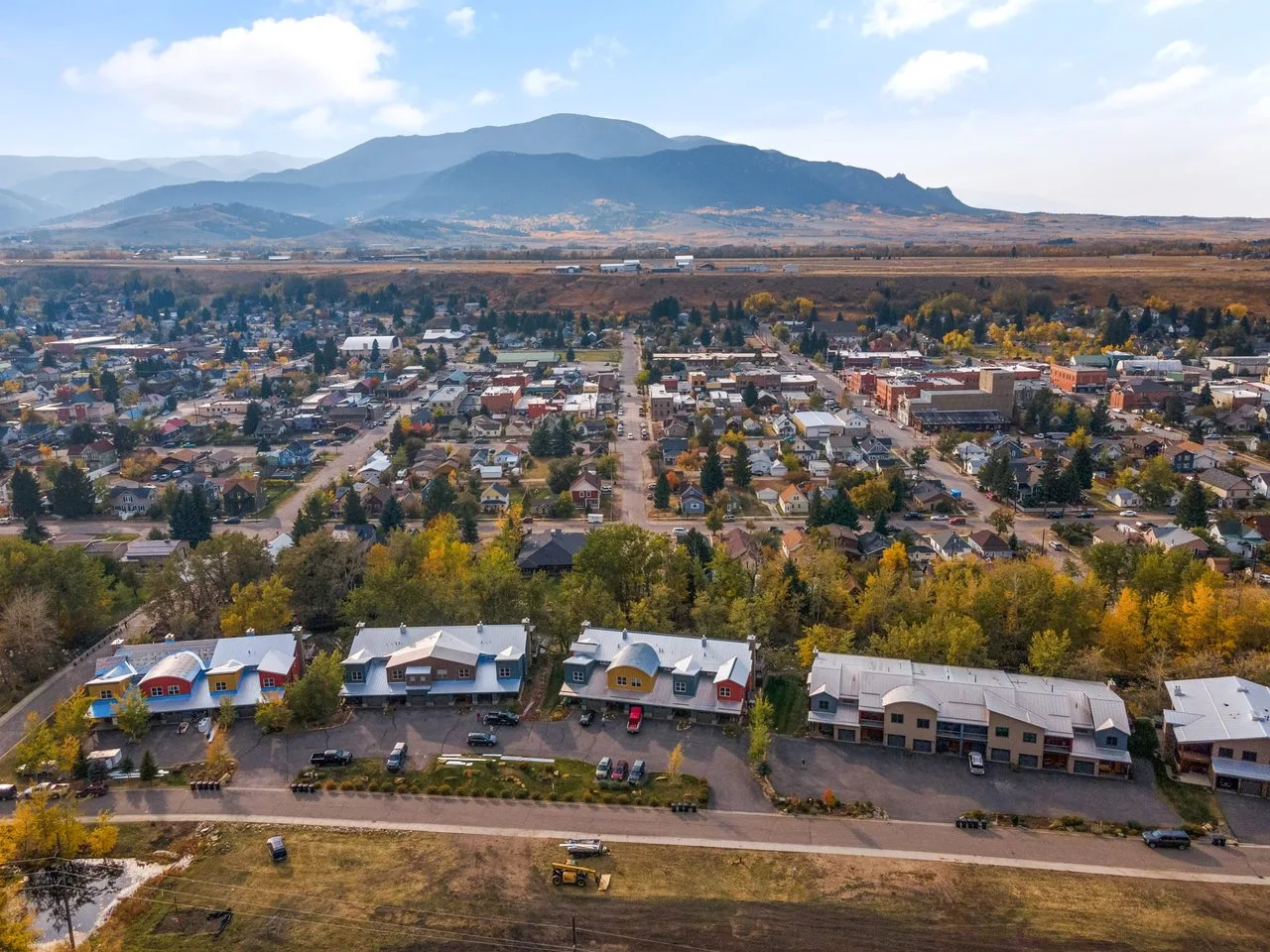
Laurel sits in the Yellowstone River valley, where high water tables, hard winters, and refinery-town housing stock create restoration challenges that differ from properties up on the Billings bench. Property owners here deal with river-driven groundwater, freeze-thaw damage to foundations and masonry, and older homes with aging plumbing and wiring.
Restoration work in Laurel covers a full range of emergency and recovery needs:
- Water Damage Restoration - extraction, structural drying, and moisture mapping after pipe bursts, appliance failures, and roof leaks
- Flooded Basement Recovery - pump-out, content removal, and drying of below-grade spaces affected by groundwater or sump pump failure
- Sewage Cleanup - removal of contaminated material, disinfection, and odor treatment after backups, toilet overflows, or septic failures
- Fire Damage Restoration - structural stabilization, debris removal, and reconstruction after kitchen, electrical, or wildfire-related fires
- Smoke Damage Restoration - soot removal from surfaces and HVAC systems, plus deodorization of porous materials
- Mold Removal - containment, remediation, and correction of the moisture source feeding growth
Acting quickly matters. Water migrates into wall cavities within hours, soot becomes acidic and etches surfaces within days, and mold colonies establish in damp materials fast. Prompt professional response protects both the structure and the household inside it.
Common Damage Restoration Issues in Laurel, Montana
Laurel's location near the confluence of the Yellowstone River and Clarks Fork shapes nearly every moisture problem local properties face.
Local Causes of Damage
- Elevated water table - river proximity keeps groundwater high, pushing moisture through basement slabs and foundation walls
- Spring runoff - snowmelt from the Beartooth and Absaroka ranges raises river levels and saturates valley soils
- Frozen and burst pipes - subzero stretches crack supply lines in crawlspaces, exterior walls, and unheated garages
- Sewer backups - older clay laterals and root intrusion cause backflow during heavy rain or thaw events
- Heating equipment fires - furnaces, wood stoves, and space heaters run hard through long winters
- Wildfire smoke intrusion - regional smoke infiltrates homes through HVAC intakes and gaps in the envelope
Warning Signs Worth Investigating
- Musty odors in basements, closets, or near floor registers
- Efflorescence - white powdery residue on concrete or block walls
- Staining on ceilings, baseboards, or around window frames
- Buckling laminate, cupping hardwood, or soft spots in subfloor
- Slow drains or gurgling fixtures that suggest a partial sewer blockage
- Lingering smoke smell that returns when the furnace or AC cycles on
- Visible mold along rim joists, behind furniture, or under sinks
Freeze-thaw cycling also opens hairline cracks in mortar and foundation walls, creating new pathways for water each season.
Neighborhoods We Serve in Laurel
Restoration crews cover Laurel proper and the surrounding Yellowstone County communities.
- Downtown Laurel - older commercial buildings and historic homes near Main Street with brick construction and aging plumbing
- South Laurel - established residential blocks with full basements and mature tree cover over sewer laterals
- East Laurel and the Highway 212 corridor - mixed residential and light commercial properties
- North Laurel and areas near the refinery - homes with varied age and construction types
- Riverside and Thiel Road area properties - acreages with private wells, septic systems, and higher groundwater exposure
- Rural Yellowstone County - properties toward Park City, Molt, and along the Clarks Fork
- Surrounding communities - Billings West End, Shepherd, Columbus, and Joliet
Response coverage extends to both single-family homes and commercial facilities, including rental properties, churches, and small business storefronts throughout the area.
Seasonal Damage Patterns in Laurel
Winter (December - February)
- Frozen and burst supply lines during subzero cold snaps
- Ice dams forcing meltwater under shingles and into ceilings
- Peak season for heating-related fire and smoke damage
- Chimney flue issues from cracked mortar joints
Spring (March - May)
- Highest volume of flooded basements as snowmelt raises groundwater
- Sump pump overload and failure
- Sewer backups when saturated ground infiltrates municipal lines
- Mold growth begins in basements that stayed wet through thaw
Summer (June - August)
- Thunderstorm downpours overwhelming gutters and window wells
- Air conditioning condensate line clogs causing hidden water damage
- Wildfire season bringing smoke infiltration and ash contamination
- Mold accelerating in humid, unventilated crawlspaces
Fall (September - November)
- First hard freezes damaging outdoor spigots and unprotected lines
- Furnace startup revealing smoke and puffback problems
- Clogged gutters from leaf drop sending water against foundations
- Best window for preventive moisture inspections before winter
Housing Characteristics & Restoration Considerations
Laurel's housing stock reflects its history as a railroad and refinery town, with a large share of homes built between the 1920s and 1970s alongside newer subdivision construction.
Common Construction Types
- Pre-1950 bungalows and farmhouses - full basements with stone or block foundations, plaster walls, and original wood framing
- Mid-century ranches - concrete block basements, galvanized supply lines, and cast iron drains nearing end of service life
- 1980s - 2000s subdivisions - poured concrete foundations, drywall, and engineered floor systems
- Manufactured and modular homes - skirted crawlspaces prone to moisture accumulation
- Brick and masonry commercial buildings - mortar joints degraded by freeze-thaw, allowing water penetration
How Age and Construction Affect Restoration
- Plaster and lath hold water longer than drywall and need extended drying with specialized equipment
- Homes built before 1980 may contain asbestos in flooring, mastic, or pipe insulation - testing precedes demolition
- Knob-and-tube or aluminum wiring in older homes raises electrical fire risk
- Unfinished block basements wick groundwater through porous units, feeding mold on stored contents
- Finished basements with carpet and paneling trap moisture behind wall assemblies
- Cast iron and clay sewer laterals crack and separate, allowing backups into lower levels
- Balloon-framed older homes let smoke and fire travel vertically through open wall cavities
Restoration plans account for these variables rather than applying a uniform drying or cleaning approach.
Environmental Conditions & Damage Implications
Laurel's semi-arid climate and valley-floor geology influence how damage develops and how recovery is handled.
Climate Factors
- Winter lows regularly dropping below zero, freezing pipes in poorly insulated spaces
- Summer highs reaching 95 degrees or more, accelerating mold growth in wet materials
- Low ambient humidity that speeds surface drying while hidden cavity moisture lingers
- Sharp freeze-thaw cycling that opens cracks in foundations, mortar, and slabs
- Chinook winds causing rapid melt and sudden runoff against foundations
Soil and Water Conditions
- Alluvial river valley soils with sand and gravel layers that transmit groundwater quickly
- Expansive clay pockets that shift with moisture, stressing foundation walls
- Hard water throughout the area, leaving mineral scale that stresses supply lines and water heaters
- High seasonal water table limiting how far basements can be dried without drainage correction
Air Quality Considerations
- Regional wildfire smoke depositing fine particulate in attics, ductwork, and soft goods
- Industrial and rail corridor dust adding to indoor filtration loads
- Winter inversions trapping combustion byproducts near ground level
These conditions mean drying targets, containment setup, and air scrubbing plans are calibrated to local moisture behavior rather than generic national standards.
Basement Moisture Control in the Yellowstone River Valley
Because so much Laurel property sits on valley alluvium near the Yellowstone and Clarks Fork, below-grade moisture is the single most persistent restoration issue in town. A flooded basement here is often a symptom of drainage and groundwater conditions rather than a one-time accident.
How a Basement Water Event Is Handled
- Safety assessment - electrical shutoff, gas check, and determination of water category, since groundwater and sewage require different protocols
- Extraction - submersible pumps and truck-mounted units remove standing water
- Content handling - salvageable items removed for cleaning, unsalvageable porous materials documented and discarded
- Selective demolition - wet drywall, insulation, and carpet pad removed to expose cavities
- Structural drying - air movers and low-grain refrigerant dehumidifiers set to defined moisture targets, monitored daily
- Antimicrobial treatment - applied to framing and masonry to prevent mold colonization
- Verification and rebuild - moisture meter readings confirm dry standard before reconstruction begins
Preventive Measures That Reduce Repeat Events
- Battery backup or water-powered secondary sump pump for spring runoff season
- Extending downspouts well away from the foundation
- Regrading soil to slope away from the house
- Sealing and covering window wells
- Camera inspection of sewer laterals in older neighborhoods to catch root intrusion early
- Tuckpointing deteriorated mortar on foundation and chimney masonry before winter
- Running a dehumidifier in unfinished basements through the humid months
Pairing emergency response with source correction is what keeps a repaired basement dry through the next spring melt.





