Damage Restoration in Missoula County, MT
- Damage Restoration Services Overview
- Common Damage Restoration Issues in Missoula County, Montana
- Neighborhoods We Serve in Missoula County
- Seasonal Damage Patterns in Missoula County
- Housing Characteristics & Restoration Considerations
- Environmental Conditions & Damage Implications
- Wildfire Smoke, Spring Runoff, and 24/7 Emergency Response in Western Montana
Damage Restoration Services Overview
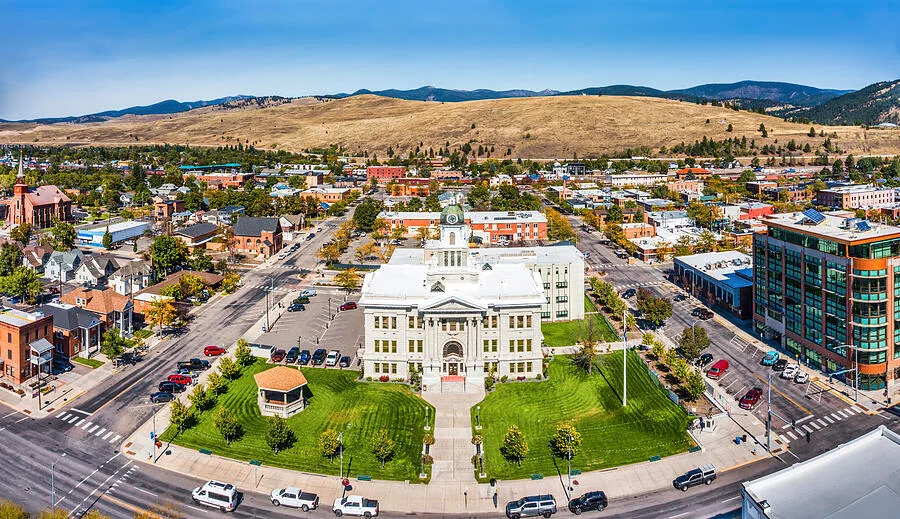
Missoula County sits at the meeting point of five valleys, where the Clark Fork, Bitterroot, and Blackfoot rivers converge - a geography that funnels both spring runoff and winter inversions straight into residential neighborhoods. That same valley layout traps wildfire smoke for weeks at a time, which is why local homes often need smoke remediation in August and flood extraction in April.
Property owners across the county rely on a full spectrum of restoration work, including:
- Water Damage Restoration - extraction, structural drying, and moisture mapping after pipe failures, appliance leaks, and river-driven flooding
- Flooded Basement - pump-out, sump troubleshooting, and drying of below-grade living space and storage areas
- Sewage Cleanup - containment, removal of contaminated materials, and antimicrobial treatment after backups or septic failures
- Fire Damage Restoration - board-up, debris removal, structural cleaning, and rebuild coordination
- Smoke Damage Restoration - soot removal, thermal fogging, HVAC cleaning, and odor neutralization from both structure fires and wildfire infiltration
- Mold Removal - containment barriers, HEPA filtration, and removal of colonized building materials
Companies such as Paul Davis Restoration, Five Valleys Restoration, SERVPRO of Missoula, and 5 Valleys Restoration and Cleaning provide 24/7 emergency response throughout Missoula and neighboring Ravalli County. Fast mobilization limits secondary damage, protects indoor air quality, and simplifies the insurance documentation process.
Common Damage Restoration Issues in Missoula County, Montana
Cold winters, dry summers, and a valley floor built on old floodplain deposits create a distinct pattern of property losses here.
Leading Causes of Damage
- Frozen and burst pipes - unheated crawl spaces, garages, and exterior walls in older Missoula homes are frequent failure points during subzero snaps
- Spring snowmelt - runoff from the Bitterroot and Rattlesnake drainages raises groundwater and pushes water through foundation cracks and window wells
- Ice dams - snow load on low-slope roofs melts, refreezes at the eaves, and forces water into ceilings and wall cavities
- Sump pump failure - power outages during storms leave basements without drainage for hours
- Sewer and septic backups - aging clay laterals, root intrusion, and rural septic systems overwhelmed by saturated soils
- Wildfire and woodstove smoke - soot and fine particulate that settles into insulation, fabrics, and ductwork
- Chimney and heating equipment fires - common where woodstoves remain a primary heat source
Warning Signs Worth Acting On
- Musty odors in basements, crawl spaces, or closets along exterior walls
- Bubbling paint, cupping hardwood, or dark staining at baseboards
- Efflorescence - white powdery residue - on concrete foundation walls
- Slow drains or gurgling fixtures that precede a full sewage backup
- Persistent smoke odor that returns when the furnace runs
- Visible mold at window sills, behind furniture, or under sinks
Documenting these signs early usually keeps a small drying job from becoming a demolition and rebuild project.
Neighborhoods We Serve in Missoula County
Coverage extends across the city of Missoula and the surrounding valley communities, including:
- Missoula city neighborhoods - Rattlesnake, University District, Slant Streets, Northside and Westside, Franklin to the Fort, Lewis and Clark, Grant Creek, Farviews, Moose Can Gully, and Miller Creek
- East Missoula and Bonner-Milltown - riverside properties along the Clark Fork and Blackfoot confluence
- Lolo, Florence, and the lower Bitterroot corridor
- Frenchtown, Huson, and Alberton along the I-90 west corridor
- Seeley Lake, Condon, and the Swan Valley - cabin and second-home properties
- Clinton, Turah, and Potomac in the eastern reaches of the county
Regional providers also reach into Ravalli County communities such as Hamilton, Stevensville, and Darby, plus Polson and other Western Montana towns, so rural properties outside city limits are not left waiting.
Seasonal Damage Patterns in Missoula County
Winter (December - February)
- Burst supply lines in crawl spaces and exterior walls during cold snaps
- Ice dam leaks into attics and top-floor ceilings
- Chimney, woodstove, and space heater fires with widespread smoke damage
- Inversion conditions that hold smoke odor inside tightly sealed homes
Spring (March - May)
- Peak season for flooded basements as snowpack melts and groundwater rises
- Sewage backups when saturated soils overload septic drainfields
- Hidden moisture behind finished basement walls that seeds mold growth
Summer (June - August)
- Wildfire smoke infiltration through HVAC systems, attics, and window gaps
- Structure fires from dry conditions and outdoor burning
- Air conditioning condensate leaks and failed water heaters
Fall (September - November)
- Post-fire-season soot cleaning, duct cleaning, and odor neutralization
- Mold discovered during pre-winter inspections and remodels
- Early freeze events catching un-winterized hose bibs and irrigation lines
Housing Characteristics & Restoration Considerations
Missoula County's housing stock spans more than a century, and each era brings its own restoration challenges.
- Pre-1940 homes - concentrated in the Northside, Westside, University District, and Slant Streets; these often have stone or unreinforced concrete foundations, balloon framing, knob-and-tube remnants, and original clay sewer laterals
- Post-war and mid-century houses - crawl spaces with minimal vapor barriers, low-slope roofs, and heating systems that spread smoke quickly through open ductwork
- 1970s-1990s subdivisions - Target Range, Miller Creek, and Grant Creek homes with finished basements, carpeted below-grade rooms, and sump-dependent drainage
- Newer construction - tighter building envelopes that trap humidity and smoke odor when ventilation is inadequate
- Rural and cabin properties - Seeley Lake, Potomac, and Swan Valley homes on wells and septic systems, often with wood siding and seasonal occupancy
How Construction Affects the Work
- Assessment - moisture meters and thermal imaging locate water behind plaster, lath, and layered flooring common in older Missoula homes
- Containment - balloon-framed walls allow water, smoke, and mold spores to travel between floors, so containment is set before demolition
- Selective removal - horsehair plaster, asbestos-era flooring, and vermiculite insulation require careful handling and testing
- Drying - dense concrete basement walls and hardwood floors need extended dehumidification, not surface fans alone
- Reconstruction - matching historic trim, cabinetry, and finishes is often part of the rebuild scope
Environmental Conditions & Damage Implications
The Missoula Valley's climate and soils shape how quickly damage spreads and how drying must be approached.
Climate and Air
- Low ambient humidity for much of the year helps drying, but it also masks trapped moisture in wall cavities where surfaces feel dry to the touch
- Winter inversions concentrate woodsmoke and particulate in the valley floor, worsening indoor air after a fire event
- Wildfire season pushes fine particulate into attics, ducts, and soft goods, requiring HEPA filtration and source removal rather than masking sprays
- Wide temperature swings cause condensation on cold foundation walls and uninsulated pipes
Water and Soil
- Shallow aquifer - the Missoula Valley aquifer sits close to the surface in many neighborhoods, raising hydrostatic pressure on basement walls during runoff
- Glacial Lake Missoula deposits - layered silts, clays, and gravels drain unevenly, so one property may stay dry while a neighbor floods
- Riverside and floodplain lots along the Clark Fork, Bitterroot, and Rattlesnake Creek face repeat seepage
- Hard well water in rural areas accelerates appliance and water heater failures
What This Means for Restoration
- Moisture readings are taken inside cavities, not just at surfaces
- Dehumidification is sized for concrete and framing loads, not room volume alone
- Post-fire and post-smoke work includes duct and insulation evaluation
- Mold containment accounts for negative pressure and outdoor smoke conditions during summer
Wildfire Smoke, Spring Runoff, and 24/7 Emergency Response in Western Montana
Two events dominate the restoration calendar in Missoula County: summer wildfire smoke and spring snowmelt. Both arrive with little notice, and both reward homeowners who act within the first hours.
Wildfire Smoke Response
Smoke damage from regional fires is not limited to odor. Fine particulate settles into attic insulation, HVAC systems, carpets, upholstery, and even inside cabinets.
- HEPA air scrubbing and negative air machines to remove suspended particulate
- Duct and furnace cleaning so the system stops recirculating soot
- Surface cleaning with dry sponges and appropriate solvents before wet methods
- Attic insulation evaluation where heavy infiltration occurred
- Contents cleaning for textiles, electronics, and stored belongings
Runoff and Flooded Basement Response
- Call for emergency service - providers including Five Valleys Restoration, SERVPRO of Missoula, Paul Davis Restoration, and 5 Valleys Restoration and Cleaning operate around the clock
- Shut off power to affected areas if it can be done safely from a dry location
- Stop the source - close the main valve, unplug failed appliances, or divert exterior water away from the foundation
- Document conditions - photograph standing water, damaged contents, and affected rooms before removal begins
- Allow extraction and drying - technicians pump water, remove saturated carpet pad and drywall, and set drying equipment with daily moisture monitoring
- Address contamination - any water involving sewage is handled with containment, PPE, and antimicrobial treatment
Why Local Response Time Matters
- Mold can begin colonizing damp materials within a couple of days
- Sewage-contaminated water poses immediate health risks to occupants and pets
- Smoke residues become acidic and etch metal, glass, and finishes the longer they sit
- Crews familiar with Missoula, Hamilton, Darby, Polson, and rural Western Montana roads reach outlying properties faster during storm and fire events