
Damage Restoration in Missoula, MT
- Damage Restoration Services Overview
- Common Damage Restoration Issues in Missoula, Montana
- Neighborhoods We Serve in Missoula
- Seasonal Damage Patterns in Missoula
- Housing Characteristics & Restoration Considerations
- Environmental Conditions & Damage Implications
- Wildfire Smoke and Water Loss - Why Documentation Matters in Missoula Claims
Damage Restoration Services Overview
Few things rattle a homeowner like walking downstairs to standing water, or opening the door to the sharp smell of smoke clinging to every surface. Property damage in Missoula rarely arrives on schedule, and the hours immediately after discovery shape how much of your home can be saved.
Restoration work in the Missoula valley covers a connected set of services, each addressing a different stage or source of loss:
- Water damage restoration - extraction of standing water, structural drying with documented moisture targets, and monitoring until materials return to dry standards.
- Flooded basement cleanup - pumping, content removal, drying of below-grade framing, and treatment of concrete and subfloor systems.
- Sewage cleanup - containment of Category 3 contamination, removal of porous materials, disinfection, and safe disposal.
- Fire damage restoration - securing the structure, debris removal, cleaning of char and soot residue, and rebuild of damaged assemblies.
- Smoke damage restoration - odor neutralization, HVAC cleaning, and treatment of surfaces where smoke residue settled far from the burn area.
- Mold removal - containment, HEPA filtration, removal of colonized materials, and correction of the moisture source behind the growth.
The benefit for Missoula residents is straightforward: faster drying limits secondary damage, thorough documentation supports insurance claims, and coordinated services mean one team handles the loss from first response through reconstruction.
Common Damage Restoration Issues in Missoula, Montana
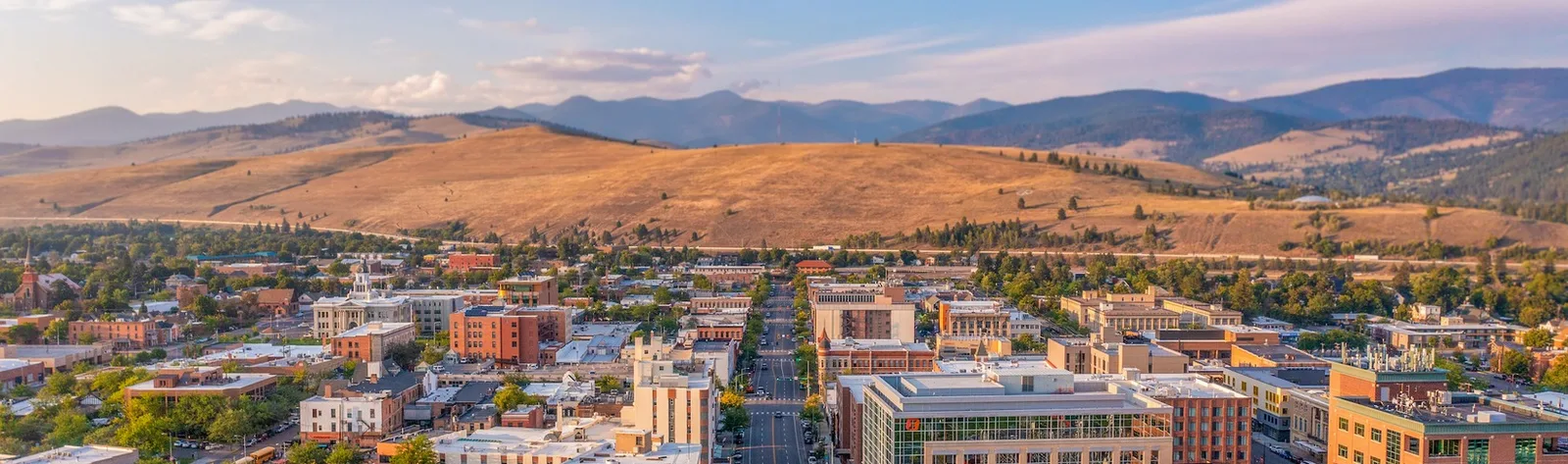
Missoula sits where five valleys meet, with the Clark Fork and Bitterroot rivers running through a basin ringed by mountains. That geography drives most of the damage calls in the area.
Frequent Causes of Loss
- Frozen and burst pipes - unheated crawlspaces, garage walls, and older uninsulated supply lines fail during hard January cold snaps.
- Spring snowmelt and high water table - runoff from the Rattlesnake and Bitterroot drainages pushes groundwater into basements and window wells.
- Sewer and septic backups - saturated soil and aging lateral lines cause backflow into floor drains and basement fixtures.
- Wildfire smoke intrusion - late-summer inversions trap smoke in the valley, driving fine particulate into homes through HVAC systems even without a nearby structure fire.
- Kitchen and heating appliance fires - wood stoves, pellet stoves, and chimneys common in the area create both flame and heavy soot events.
- Hidden mold - slow leaks behind cabinets and in basement corners go unnoticed in seasonally used spaces.
Warning Signs Worth Acting On
- Musty odor in a basement or crawlspace that strengthens after rain
- Cupping hardwood, bubbling paint, or a dark line along baseboard trim
- Gurgling floor drains or slow basement fixtures
- Soot film reappearing on walls after cleaning, or odor returning when the furnace runs
- Efflorescence - white mineral crusting - on foundation walls
- Unexplained spikes in the water bill with no visible leak
Neighborhoods We Serve in Missoula
Restoration response covers the full Missoula valley and the surrounding Western Montana communities, including:
- Downtown and the Riverfront - historic brick commercial buildings and older residences near the Clark Fork
- University District and Slant Streets - early-1900s homes with full basements and original plaster
- Rattlesnake Valley - creek-adjacent properties with high groundwater exposure
- Grant Creek and Mullan Road area - newer subdivisions with finished lower levels
- Target Range, Orchard Homes, and Miller Creek - mixed rural-residential parcels, many on septic
- Lolo, Florence, Frenchtown, East Missoula, and Bonner - outlying communities with well and septic systems
Service also extends south through the Bitterroot Valley to Hamilton and Darby, north to Polson and the Flathead area, and across Western Montana - from historic downtown structures to rural cabins near Lake Como.
Seasonal Damage Patterns in Missoula
Damage types in the valley follow a predictable annual rhythm, which helps homeowners know what to watch for.
- December through February - Frozen pipe breaks peak during subzero stretches. Ice dams on north-facing roofs push meltwater into wall cavities. Heating-related fires and chimney fires increase with wood and pellet stove use.
- March through May - Snowmelt from the surrounding drainages raises the water table. Flooded basements, seepage through foundation cracks, and sewer backups are most common in this window.
- June through July - Thunderstorms bring wind-driven rain and roof leaks. Warming temperatures accelerate mold growth in any space that stayed damp through spring.
- August through September - Wildfire season. Valley inversions hold smoke at ground level, producing widespread smoke and odor complaints, HVAC contamination, and occasional structure fire losses.
- October through November - The first freeze catches unwinterized hose bibs and irrigation lines. This is also the practical window for crawlspace inspection and mold assessment before the heating season seals homes up.
Housing Characteristics & Restoration Considerations
Missoula's housing stock spans more than a century, and the construction era of a home changes almost every decision made during restoration.
Older Homes - Pre-1950 Construction
- Common in the University District, Slant Streets, and near downtown
- Lath-and-plaster walls hold moisture longer than drywall and require slower, monitored drying
- Balloon framing lets water and smoke travel vertically between floors through open wall cavities
- Stone or unreinforced concrete foundations wick groundwater, raising basement mold risk
- Original wood floors and trim often justify specialty drying rather than replacement
Mid-Century and Ranch Homes
- Partial basements and dirt or gravel crawlspaces that trap humidity
- Galvanized or early copper supply lines prone to pinhole leaks
- Cast iron drain lines that corrode and contribute to sewage backups
Newer Subdivisions and Rural Builds
- Finished daylight basements with carpet, pad, and drywall - materials that fail quickly under water intrusion
- Tight building envelopes that hold smoke odor and moisture inside without mechanical ventilation
- Engineered flooring and MDF trim with limited tolerance for saturation
- Rural properties on private wells and septic systems, which changes sewage cleanup protocol and water testing needs
Targeted demolition matters here. Removing only saturated or contaminated materials preserves original millwork in a historic home and keeps rebuild scope contained in a newer one.
Environmental Conditions & Damage Implications
The Missoula basin creates conditions that both help and complicate restoration work.
Climate
- Semi-arid summers with low humidity speed structural drying when outdoor air can be used
- Cold, damp winters slow evaporation and require heated drying systems and dehumidification
- Wide daily temperature swings drive condensation inside wall cavities and on cold basement surfaces
Air Quality
- Valley inversions trap woodsmoke and wildfire particulate near ground level for days at a time
- Fine smoke particles penetrate HVAC filters, duct interiors, attic insulation, and soft contents
- Odor treatment often requires source removal plus air scrubbing rather than surface cleaning alone
Water and Soil
- Alluvial gravel and sand soils in the valley floor drain quickly but transmit groundwater laterally toward foundations
- Seasonally high water tables near the Clark Fork, Bitterroot, and Rattlesnake Creek push moisture through slab and wall joints
- Hard, mineral-rich water leaves scale that hides slow supply-line leaks
- Rural septic systems saturate during spring runoff, increasing backup risk into lower levels
Each condition shapes the plan: aggressive dehumidification in winter losses, negative-pressure containment for smoke and mold, and moisture mapping around foundations before any rebuild begins.
Wildfire Smoke and Water Loss - Why Documentation Matters in Missoula Claims
Missoula properties often face two overlapping problems in the same year: a moisture event in spring and smoke infiltration in late summer. Both are frequently underestimated because the visible damage is small compared to what sits behind walls and inside ductwork. Thorough documentation is what separates a claim that closes cleanly from one that reopens six months later with mold behind the baseboard.
What a Detailed Restoration Process Looks Like
- Initial inspection - moisture meters, thermal imaging, and soot testing establish the true affected area, not just the visible one.
- Scope and photo documentation - every affected room, material, and content item is recorded before work begins.
- Containment - negative air machines and HEPA filtration isolate mold, sewage, and smoke work zones from clean areas.
- Extraction or debris removal - standing water is pumped, contaminated porous materials are bagged and disposed of, char and ash are removed.
- Controlled drying - air movers and dehumidifiers run to defined IICRC moisture goals with daily readings logged.
- Cleaning and deodorization - surface treatment, HVAC and duct cleaning, and odor neutralization for smoke events.
- Verification - post-remediation moisture readings and clearance checks confirm the space is dry and clean before rebuild.
- Reconstruction - drywall, flooring, trim, and finishes restored to pre-loss condition.
Details That Protect Missoula Homeowners
- Daily moisture logs that show drying progress, not just a final sign-off
- Separate handling of Category 3 sewage materials to prevent cross-contamination
- Attic and crawlspace inspection after smoke events, where particulate settles unseen
- Direct communication with adjusters using photos, readings, and itemized scope
- Around-the-clock availability, because a burst pipe at 2 a.m. in February does not wait until morning





