Damage Restoration in Flathead, MT
- Damage Restoration Services Overview
- Common Damage Restoration Issues in Flathead, Montana
- Neighborhoods We Serve in Flathead
- Seasonal Damage Patterns in Flathead
- Housing Characteristics & Restoration Considerations
- Environmental Conditions & Damage Implications
- Wildfire Preparedness and Smoke Damage Recovery
Damage Restoration Services Overview
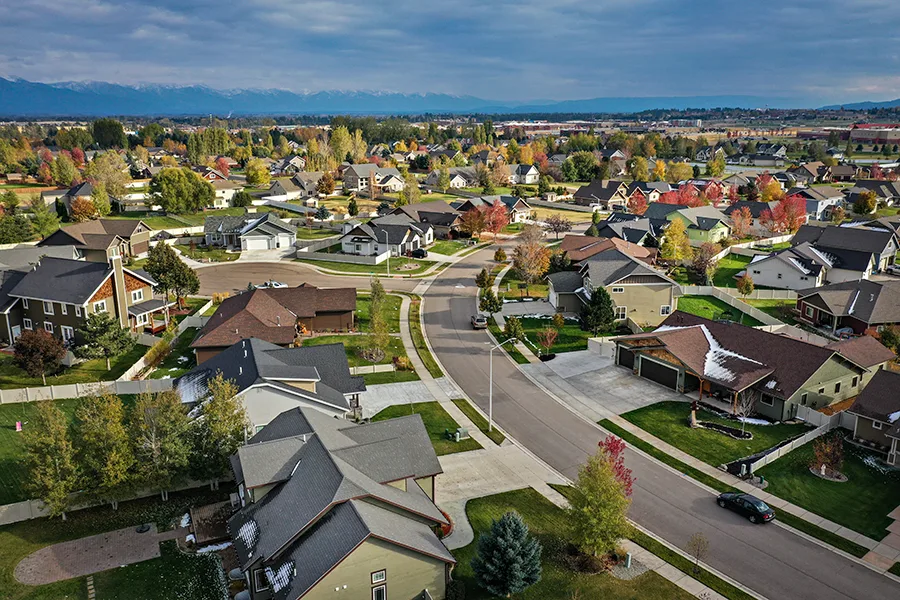
The Flathead Valley's unique mountain environment creates distinct challenges for property owners dealing with damage restoration needs. Montana's extreme weather patterns, from heavy snowmelt to severe summer storms, make comprehensive restoration services essential for maintaining safe, healthy living and working spaces.
Our restoration team provides complete solutions for multiple damage scenarios:
- Water Damage Restoration - Addressing burst pipes, roof leaks, and storm-related flooding
- Flooded Basement - Specialized basement water removal and structural drying
- Sewage Cleanup - Safe decontamination of biohazardous waste materials
- Fire Damage Restoration - Structural repairs and content restoration after fires
- Smoke Damage Restoration - Odor elimination and surface cleaning throughout properties
- Mold Removal - Professional remediation using advanced BLACK-OUT technology
Available 24 hours daily, our trained technicians understand that emergencies don't follow schedules. The combination of Montana's climate conditions and diverse housing stock requires specialized knowledge and equipment to restore properties effectively while preventing secondary damage.
Common Damage Restoration Issues in Flathead, Montana
Flathead County's geographic location creates specific damage patterns that property owners face throughout the year. The valley's position between mountain ranges influences weather systems that bring both gradual and sudden property threats.
Most frequent damage scenarios include:
- Spring snowmelt flooding - Overwhelming drainage systems and causing basement water intrusion
- Ice dam formation - Creating roof leaks and interior water damage during winter months
- Storm-related wind damage - Compromising roofing materials and allowing moisture penetration
- Wildfire smoke infiltration - Requiring specialized cleaning to remove particulates and odors
- Humidity fluctuations - Promoting mold growth in poorly ventilated areas
- Aging septic systems - Leading to sewage backup situations in rural properties
Warning signs property owners should monitor:
- Musty odors indicating potential mold development
- Water stains on ceilings or walls suggesting hidden leaks
- Basement moisture or standing water after storms
- Persistent smoke smells following wildfire events
- Unusual increases in utility bills indicating hidden water loss
Early detection prevents minor issues from becoming major restoration projects requiring extensive structural repairs and content replacement.
Neighborhoods We Serve in Flathead
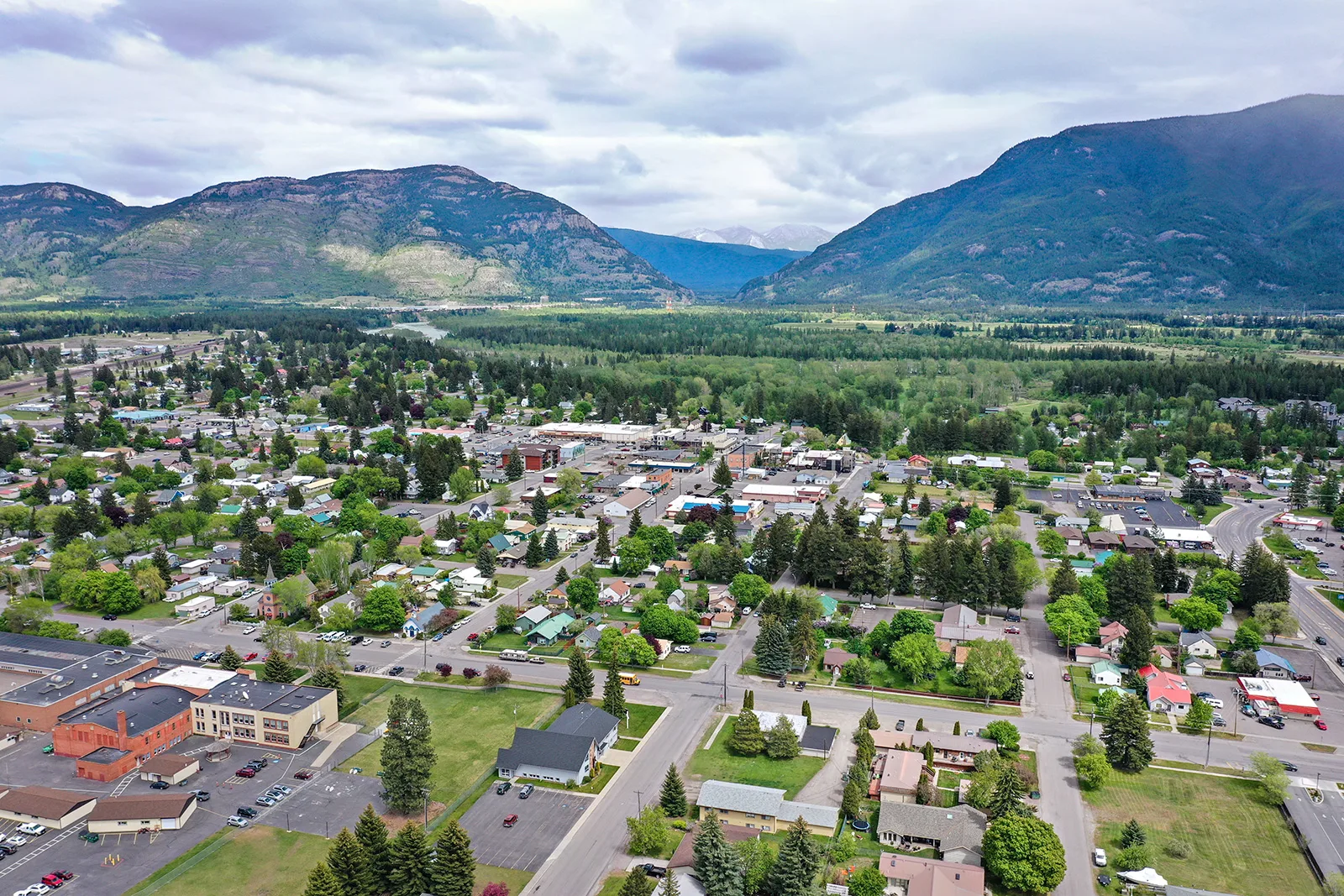
Our restoration services cover the entire Flathead Valley region, providing rapid response to both urban and rural properties throughout this diverse geographic area.
Primary service areas include:
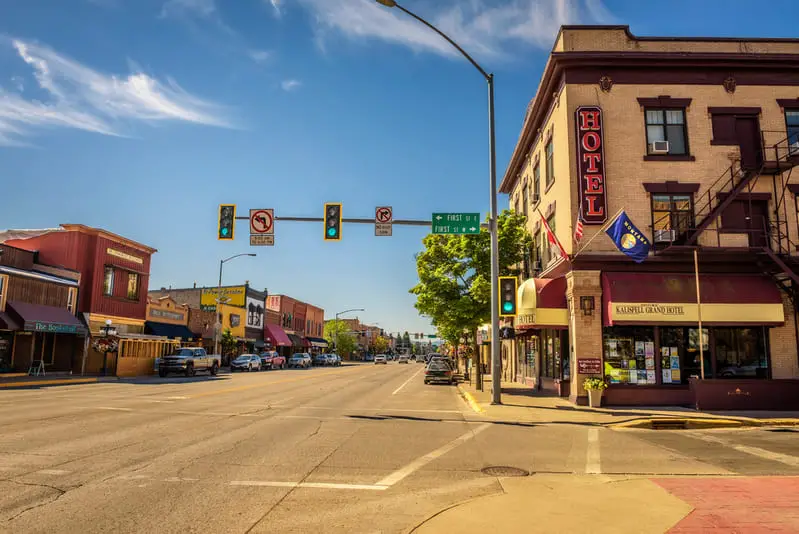
- Kalispell - The valley's largest city with mixed residential and commercial properties
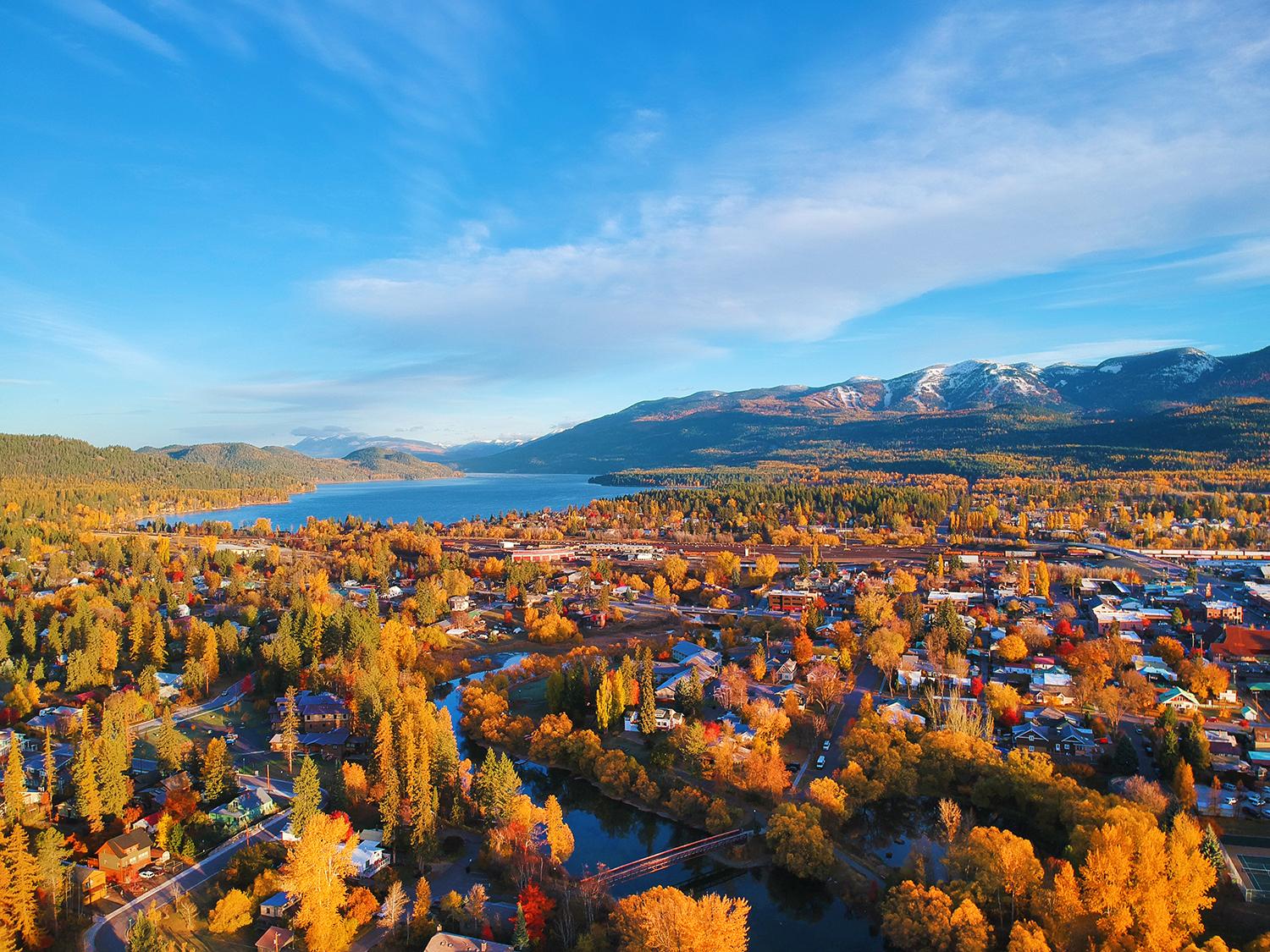
- Whitefish - Mountain community with seasonal tourism properties
- Bigfork - Lakeside homes and businesses along Flathead Lake
- Columbia Falls - Gateway community with diverse housing types
- Lakeside - Waterfront properties with unique moisture challenges
- Somers - Rural residential areas with well water systems
- Hungry Horse - Mountain properties near recreational areas
Rural properties throughout Flathead County receive the same comprehensive restoration services as urban locations, with specialized equipment for accessing remote areas and addressing unique challenges like well contamination and septic system issues.
Seasonal Damage Patterns in Flathead
Montana's distinct seasons create predictable patterns of property damage that require different restoration approaches throughout the year.
Winter (December - February): Ice dam formation leads to roof leaks and water damage. Frozen pipes burst when temperatures drop below zero. Limited ventilation increases indoor humidity and mold risk.
Spring (March - May): Rapid snowmelt overwhelms drainage systems, causing basement flooding. Roof damage from ice and snow becomes apparent. Ground thaw can affect foundation stability and create moisture intrusion points.
Summer (June - August): Severe thunderstorms bring wind and hail damage. Wildfire season creates smoke damage concerns. High humidity combined with air conditioning creates condensation issues leading to mold growth.
Fall (September - November): Temperature fluctuations stress building materials. Leaf accumulation clogs gutters, causing water backup. Property owners prepare for winter, discovering summer damage requiring immediate attention.
Each season demands specific restoration expertise, from freeze-damage repairs to smoke remediation, making year-round preparedness essential for Flathead Valley properties.
Housing Characteristics & Restoration Considerations
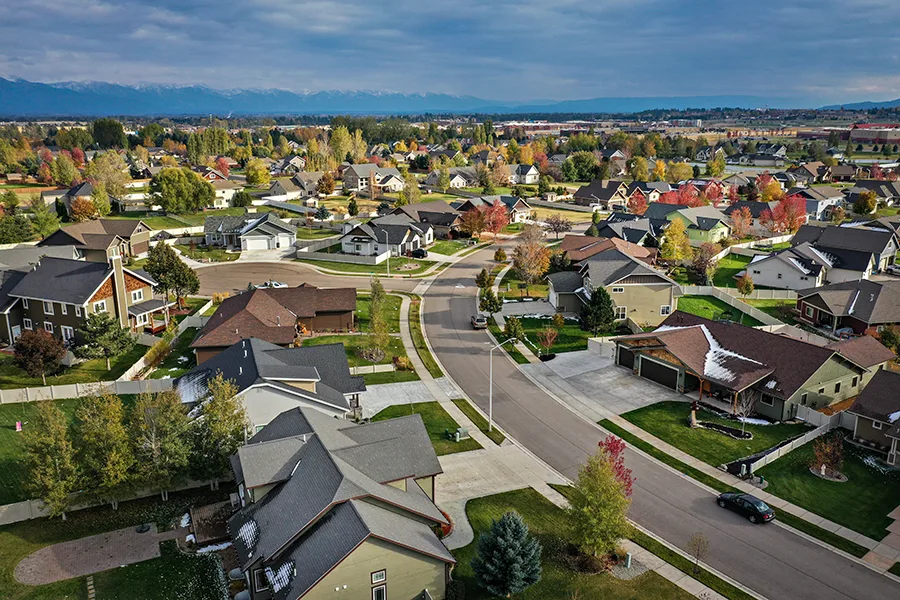
Flathead County's housing stock reflects both historic settlement patterns and modern development, creating diverse restoration challenges across different property types and construction eras.
Common housing characteristics affecting restoration needs:
- Log construction homes - Require specialized drying techniques and chinking repairs after water damage
- Older homes (pre-1980) - Often lack proper vapor barriers, increasing mold risk and requiring updated moisture control
- Basement construction - Common in the valley but vulnerable to groundwater intrusion and flooding
- Well water systems - Can become contaminated during sewage backup situations
- Rural septic systems - May fail during heavy precipitation, creating biohazardous cleanup needs
- Vacation properties - Often unoccupied for extended periods, allowing damage to progress undetected
Construction materials commonly found in Flathead properties:
- Wood frame construction with various siding materials
- Concrete block foundations susceptible to water penetration
- Metal roofing that can develop ice dam issues
- Crawl space construction requiring specialized mold prevention
These characteristics require restoration techniques adapted to local building methods, from log home water extraction to specialized foundation drying systems that preserve structural integrity while removing moisture completely.
Environmental Conditions & Damage Implications
The Flathead Valley's unique environmental conditions significantly influence property damage patterns and restoration requirements throughout the region.
Climate factors affecting restoration needs:
- Temperature extremes - Ranging from -30°F to 90°F, causing material expansion and contraction
- High humidity summers - Creating ideal mold growth conditions in poorly ventilated spaces
- Dry winter air - Leading to wood shrinkage and potential water line stress
- Rapid weather changes - Causing thermal shock to building materials
- Heavy snow loads - Stressing roof structures and creating ice dam conditions
Geographic influences on property damage:
- Mountain valley location creates unique wind patterns affecting fire spread
- Flathead Lake moderates local temperatures but increases humidity
- Glacial soil composition affects drainage and foundation stability
- Elevation changes throughout the valley create microclimates
- Forest proximity increases wildfire and smoke damage risk
Water quality considerations impact restoration methods:
- Hard water mineral content affects cleaning and drying processes
- Well water contamination requires specialized testing and treatment
- Seasonal water table fluctuations influence basement moisture levels
These environmental factors require restoration approaches specifically adapted to Montana conditions, using equipment and techniques that account for altitude, humidity, and temperature variations unique to the Flathead Valley.
Wildfire Preparedness and Smoke Damage Recovery
The Flathead Valley's position within Montana's fire-prone landscape makes wildfire preparedness and smoke damage restoration critical services for property owners throughout the region. Recent fire seasons have demonstrated the importance of both preventive measures and rapid response capabilities when smoke infiltration occurs.
Wildfire risks specific to Flathead County:
- Forest interface zones - Properties near Glacier National Park and surrounding wilderness areas
- Dry summer conditions - Creating tinderbox environments during peak fire season
- Wind corridor effects - Valley geography can accelerate fire spread and smoke transport
- Remote property locations - Limited access for firefighting equipment in rural areas
- Seasonal tourism increases - Higher human activity during peak fire danger periods
Smoke damage restoration process involves multiple specialized steps:
- Air quality assessment and ventilation system evaluation
- HVAC system cleaning and filter replacement throughout the property
- Surface cleaning using specialized smoke removal products
- Odor elimination through ozone treatment and thermal fogging
- Content cleaning and restoration for personal belongings
- Structural deodorization for severe infiltration cases
Properties in the Flathead Valley require proactive smoke damage prevention:
- Sealing entry points before fire season begins
- Installing high-quality air filtration systems
- Creating defensible space around structures
- Maintaining emergency contact information for rapid restoration response
Post-fire recovery often reveals hidden damage requiring comprehensive restoration services, from water damage caused by firefighting efforts to structural issues from heat exposure, making professional assessment and restoration essential for complete property recovery.