
Damage Restoration in Billings, MT
- Damage Restoration Services Overview
- Common Damage Restoration Issues in Billings, Montana
- Neighborhoods We Serve in Billings
- Seasonal Damage Patterns in Billings
- Housing Characteristics & Restoration Considerations
- Environmental Conditions & Damage Implications
- Modern Drying Science and Equipment Used on Billings Restoration Projects
Damage Restoration Services Overview
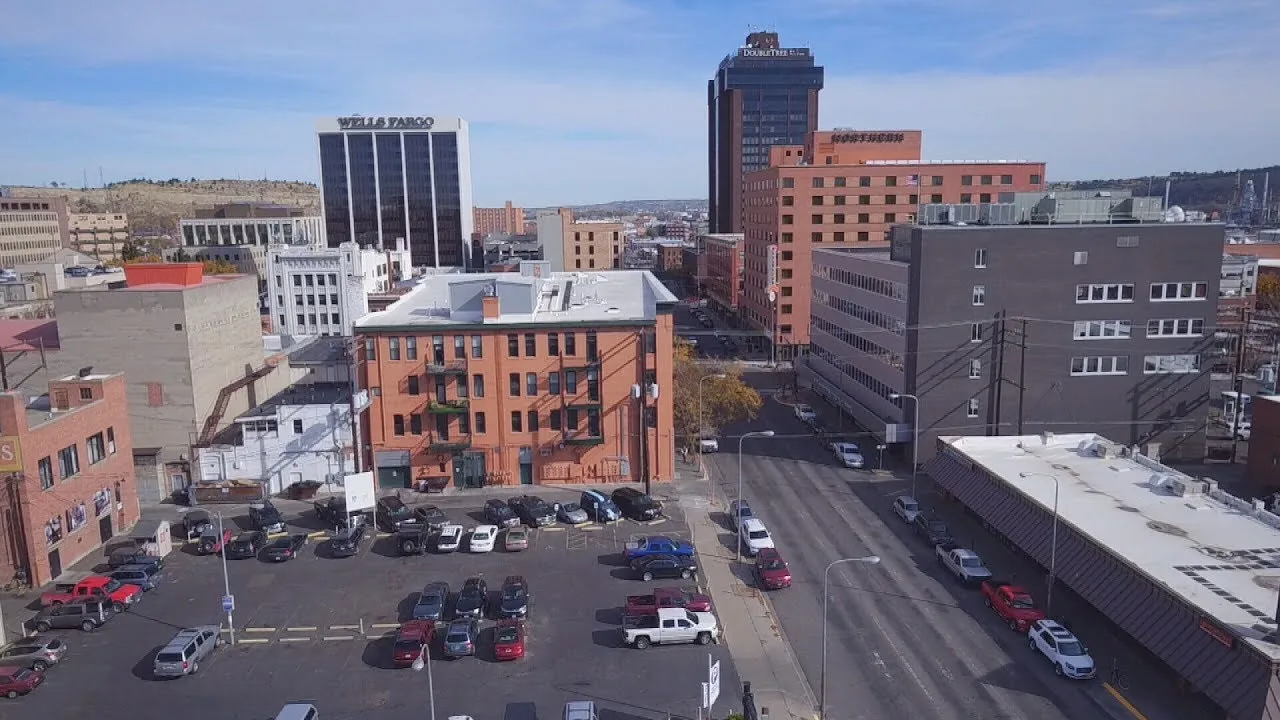
Billings sits where the Yellowstone River valley meets the Rimrocks, and that geography shapes how property damage happens here. Rapid spring runoff, freeze-thaw cycles that split supply lines, and clay-heavy soils that push groundwater toward foundations all create restoration challenges different from those in milder climates.
Property owners across Yellowstone County rely on a full range of emergency and recovery services:
- Water Damage Restoration - extraction, structural drying, and moisture mapping after burst pipes, appliance failures, and roof leaks
- Flooded Basement Cleanup - sump pump failures, window well overflow, and groundwater intrusion in below-grade living space
- Sewage Cleanup - safe removal of Category 3 contaminated water from backed-up mains, floor drains, and septic systems
- Fire Damage Restoration - structural stabilization, debris removal, and reconstruction after heat and flame damage
- Smoke Damage Restoration - soot removal, odor neutralization, and contents cleaning for materials that absorbed residue
- Mold Removal - containment, remediation, and moisture-source correction in crawl spaces, basements, and wall cavities
The benefit of addressing these problems quickly is straightforward: less demolition, fewer replaced materials, shorter displacement, and a cleaner insurance claim. Waiting turns a drying job into a rebuild.
Common Damage Restoration Issues in Billings, Montana
Local conditions drive predictable patterns of loss. Understanding them helps homeowners catch problems while they are still small and inexpensive to correct.
Leading Causes of Damage
- Frozen and burst pipes - uninsulated lines in crawl spaces and exterior walls fail during sharp overnight temperature drops
- Snowmelt and heavy rain - saturated ground forces water through foundation cracks and basement window wells
- Sump pump and sewer backups - older neighborhoods with aging clay or cast-iron laterals see root intrusion and blockages
- Hail and wind-driven rain - damaged shingles and torn flashing allow slow attic and ceiling leaks
- Kitchen, chimney, and electrical fires - heating season increases furnace, woodstove, and space heater incidents
- Regional wildfire smoke - fine particulate infiltration leaves odor and residue on HVAC systems and soft goods
Warning Signs Worth Acting On
- Musty odors in basements, closets, or near baseboards
- Bubbling paint, cupped hardwood, or discolored drywall seams
- Efflorescence - white chalky residue - on foundation walls
- Slow floor drains or gurgling fixtures signaling a sewer line issue
- Persistent smoke odor that returns when humidity rises
- Unexplained increases in water usage suggesting a hidden supply leak
Mold can begin colonizing damp organic material within a day or two, which is why moisture problems in Billings homes are treated as urgent rather than cosmetic.
Neighborhoods We Serve in Billings
Restoration crews respond throughout the city and the surrounding Yellowstone County communities, including:
- Downtown and the Historic District - older masonry buildings and converted lofts with legacy plumbing
- Billings Heights - postwar and modern subdivisions with full basements prone to seepage
- West End - newer construction near Shiloh Road and Grand Avenue
- South Side and North Park - early-century homes with original wood framing and dated wiring
- Josephine Crossing, Lake Hills, and Briarwood - established residential areas near the river corridor
- Rimrock and Emerald Hills - hillside properties with drainage and grading concerns
Service extends beyond city limits to Laurel, Lockwood, Huntley, Shepherd, Worden, Ballantine, Molt, Broadview, and Park City. Rural properties on well and septic systems receive the same emergency water extraction, sewage decontamination, fire cleanup, and mold remediation available in town.
Seasonal Damage Patterns in Billings
Each season brings its own restoration workload across the region.
- December through February - peak frozen pipe season. Deep cold snaps followed by warmups cause supply lines to split, often flooding basements while owners are away. Heating equipment and chimney fires also spike.
- March through May - snowmelt combines with spring rain to overwhelm sump pumps, saturate clay soils, and push groundwater through foundation walls. Sewer backups increase as systems reach capacity.
- June through August - hailstorms and severe thunderstorms damage roofs and siding, leading to attic and ceiling water intrusion. Warm, humid interiors accelerate mold growth in previously wetted materials.
- August through September - regional wildfire smoke drifts into the valley, depositing fine soot in HVAC systems and creating lingering odor complaints.
- October through November - first hard freezes catch outdoor spigots and unwinterized irrigation lines. Furnaces returning to service after months idle can produce puffback soot damage.
Scheduling pipe insulation, gutter clearing, sump pump testing, and furnace inspection ahead of each transition prevents the majority of seasonal emergency calls.
Housing Characteristics & Restoration Considerations
Billings housing stock spans more than a century of construction methods, and each era responds differently to water, fire, and mold.
Older Homes - Pre-1960
- Plaster and lath walls hold moisture longer than drywall and require careful cavity drying
- Galvanized supply lines and cast-iron drains corrode, causing hidden leaks and sewage backups
- Balloon framing allows smoke and fire to travel vertically between floors
- Possible asbestos in floor tile, pipe wrap, and textured ceilings requires testing before demolition
- Stone and block foundations wick groundwater, making basements chronic mold sites
Mid-Century and Postwar Neighborhoods
- Finished basements with paneling, carpet, and framed walls trap water behind surfaces
- Limited insulation in crawl spaces increases freeze risk
- Original electrical panels raise fire concern when overloaded
Newer West End and Suburban Construction
- Tight building envelopes hold humidity, so ventilation issues turn into mold problems quickly
- Engineered wood, OSB subfloor, and MDF trim swell rapidly and often need replacement
- Multi-zone HVAC can distribute smoke and spores throughout the entire house
- PEX and flexible supply lines fail at fittings and washing machine connections
Restoration plans account for these differences - a plaster wall in a South Side bungalow gets a very different drying strategy than a sealed basement in a Josephine Crossing home.
Environmental Conditions & Damage Implications
The semi-arid climate of the Yellowstone Valley creates a false sense of security about moisture. Low outdoor humidity does not stop water damage - it simply hides it longer.
Climate Factors
- Wide daily temperature swings drive freeze-thaw cycling in foundations, driveways, and exterior plumbing
- Chinook winds cause rapid melt events that dump water against foundations in hours
- Summer heat combined with cool basements produces condensation on cold surfaces and ductwork
- Dry indoor winter air means smoke odor molecules cling to porous materials rather than dissipating
Soil and Groundwater
- Clay and silt soils common along the river terraces expand when saturated, pressing on basement walls
- Poor percolation keeps water sitting against footings after storms
- High seasonal water tables near the Yellowstone corridor push moisture up through slabs
- Hard, mineral-rich water accelerates scale buildup and pinhole leaks in older copper lines
Air Quality Considerations
- Wildfire smoke events leave fine particulate in insulation, ducts, and upholstery
- Valley inversions trap airborne contaminants, prolonging odor and irritation indoors
- Basement mold spores circulate through stack effect into upper living areas
Effective restoration in Billings pairs structural drying with air quality control - HEPA filtration, negative air containment, and duct cleaning - so occupants are not left breathing what the loss produced.
Modern Drying Science and Equipment Used on Billings Restoration Projects
Removing standing water is the easy part. The lasting damage in Billings homes comes from moisture that migrates into wall cavities, under hardwood, and beneath basement slabs where surface fans never reach. Modern restoration replaces guesswork with measurement.
Assessment Technology
- Thermal imaging cameras map temperature differentials that reveal hidden moisture behind finished surfaces
- Penetrating and non-invasive moisture meters establish dry standards by comparing affected areas to unaffected materials
- Thermo-hygrometers track grain depth and humidity ratios so drying progress is documented daily
- Borescopes inspect wall cavities and crawl spaces without unnecessary demolition
Drying and Cleanup Equipment
- Truck-mounted and portable extraction units for high-volume basement removal
- Low-grain refrigerant and desiccant dehumidifiers matched to the space and material load
- Air movers positioned by calculated airflow rather than habit
- Injectidry systems for drying inside walls, under cabinets, and beneath flooring
- Negative air machines with HEPA filtration for mold containment and sewage decontamination
- Hydroxyl generators, ozone, and thermal fogging for smoke odor at the molecular level
- Ultrasonic cleaning tanks for restoring soot-covered contents and hard goods
How the Process Runs
- Emergency response, safety assessment, and shutdown of the damage source
- Containment and extraction, including antimicrobial application for contaminated water
- Controlled demolition of unsalvageable materials, guided by moisture readings
- Structured drying with daily monitoring logs shared with the insurance adjuster
- Cleaning, deodorizing, and clearance verification before any rebuild begins
- Reconstruction that returns the property to pre-loss condition
IICRC-certified technicians follow these standards on every water, sewage, fire, smoke, and mold project in Billings - producing documentation that supports claims and results that hold up long after the equipment leaves.





