Damage Restoration in Summit County, CO
- Damage Restoration Services Overview
- Common Damage Restoration Issues in Summit County, Colorado
- Neighborhoods We Serve in Summit County
- Seasonal Damage Patterns in Summit County
- Housing Characteristics & Restoration Considerations
- Environmental Conditions & Damage Implications
- Emergency Response and Advanced Drying Technology in Mountain Properties
Damage Restoration Services Overview
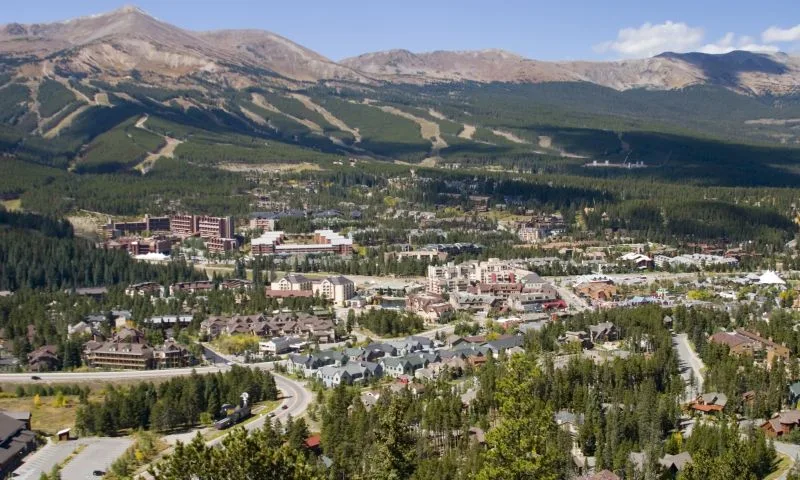
Restoration work at 9,000 feet behaves nothing like restoration at sea level. Thin air, freeze-thaw cycles, snow loads, and homes that sit empty for weeks between guests change how water moves, how quickly materials dry, and how fast mold takes hold in Summit County properties.
Our teams respond across the county for the full range of property damage, residential and commercial alike:
- Water damage restoration - burst supply lines, failed water heaters, ice dam intrusion, and appliance leaks
- Flooded basement recovery - extraction, structural drying, and sump system evaluation for below-grade levels
- Sewage cleanup - safe removal of Category 3 contamination from backups, septic failures, and lift station issues
- Fire damage restoration - stabilization, debris removal, soot cleanup, and reconstruction
- Smoke damage restoration - odor neutralization, HVAC decontamination, and content cleaning after wildfire or structure fires
- Mold removal - containment, remediation, and moisture-source correction in crawlspaces, bathrooms, and wall cavities
Benefits for local property owners come down to speed and mountain-specific knowledge. Faster containment protects framing, flooring, and finishes from secondary damage - and detailed documentation supports insurance claims from the first walkthrough forward.
Common Damage Restoration Issues in Summit County, Colorado
Most damage calls here trace back to one of three sources: frozen plumbing, snowmelt intrusion, or moisture trapped inside tightly built mountain homes.
Leading Causes of Loss
- Frozen and burst pipes in vacation homes where heat was turned down or power was lost during a storm
- Ice dams forcing meltwater under shingles and into ceilings, soffits, and exterior walls
- Spring runoff saturating soils and pushing water through foundation cracks into finished basements
- Sewer backups caused by frozen or root-invaded laterals, and septic systems stressed by high occupancy
- Wood stove, fireplace, and chimney fires common in older cabins and A-frames
- Wildfire smoke infiltration during monsoon-season lightning ignitions and regional fire events
- Hidden mold behind vapor barriers, under vinyl flooring, and in unvented crawlspaces
Warning Signs Worth Acting On
- Staining or bubbling paint along ceiling lines below the roof edge after a thaw
- A musty smell that intensifies when the furnace or fan turns on
- Cupping or gapping in hardwood and engineered flooring
- Gurgling drains, slow toilets, or wastewater surfacing in floor drains
- Soot film on window glass, blinds, or return-air grilles after any burn event
- Persistent condensation on windows in a home that used to stay dry
Property managers often discover these signs weeks after the fact. Regular interior checks between rental turns catch problems while they are still small.
Neighborhoods We Serve in Summit County
Crews respond countywide, from lakefront condos to high-elevation subdivisions on unpaved county roads.
- Breckenridge - Peak 7 and Peak 8 developments, Warrior's Mark, Shock Hill, Highlands, and the historic downtown core
- Dillon and Summit Cove - lakeside neighborhoods, Corinthian Hill, and Dillon Valley
- Frisco - Main Street properties, Bill's Ranch, and Peak One neighborhoods
- Silverthorne - Wildernest, Mesa Cortina, Angler Mountain Ranch, Willowbrook, and Three Peaks
- Keystone - River Run, Keystone Ranch, and Soda Ridge
- Copper Mountain - Center, East, and Union Creek villages
- Blue River, Montezuma, and Heeney - remote and higher-elevation properties
We also serve neighboring mountain communities along the I-70 corridor and over the passes, including Alma, Fairplay, Leadville, and Vail Valley properties when regional storms create widespread demand.
Seasonal Damage Patterns in Summit County
Damage types rotate predictably with the mountain calendar, which helps property owners plan preventive maintenance.
- November through February - peak frozen pipe season. Deep cold snaps combined with vacant second homes produce the highest volume of burst-line water damage and flooded basements.
- February through April - ice dam season. Warm afternoon sun and cold nights build ice at roof edges, driving water into attics, ceilings, and wall cavities.
- April through June - snowmelt runoff. Saturated soils raise groundwater, overwhelm sump pumps, and push water through foundation cracks and window wells.
- June through July - early wildfire risk before monsoon moisture arrives. Smoke damage and evacuation-related losses climb.
- July through August - monsoonal thunderstorms bring lightning ignitions, hail, wind-driven rain, and sewer backups from heavy short-duration downpours.
- August through October - mold discovery season. Summer humidity plus spring water intrusion that went unnoticed surfaces during fall inspections and rental prep.
- Year-round - fireplace and wood stove fires, dryer vent fires, and sewage backups tied to occupancy spikes during ski and summer seasons.
Housing Characteristics & Restoration Considerations
Summit County's building stock spans 1960s-era ski cabins to recently completed luxury homes, and each generation dries and remediates differently.
Common Construction Types
- 1960s-1980s A-frames and chalets - tongue-and-groove interiors, minimal insulation, and plumbing routed through exterior walls that freeze readily
- 1990s-2000s multi-level homes - finished walkout basements, crawlspaces with aging vapor barriers, and stucco or cedar siding
- Condominium and townhome complexes - shared walls and stacked plumbing chases that let one unit's leak affect several others
- Modern high-performance builds - tight envelopes, spray foam, and mechanical ventilation that trap moisture when a leak occurs
How That Shapes Restoration
- Log and timber elements require controlled drying to prevent checking, warping, and staining
- Dense insulation and vapor barriers hide moisture, making thermal imaging and penetrating meters essential before any demolition decision
- Below-grade finished spaces need subfloor and wall-cavity drying, not just surface extraction
- Crawlspaces often need encapsulation, insulation replacement, and sump pump work as part of a permanent fix
- Smoke travels through open stairwells and vaulted great rooms, so odor treatment usually covers the whole structure
- Sewage losses in older homes may reveal cast iron or clay laterals that need repair alongside cleanup
Reconstruction follows the same standards - matching mountain finishes, reinsulating properly, and returning the home to rental-ready condition.
Environmental Conditions & Damage Implications
High-altitude climate cuts both ways: low ambient humidity helps drying, while extreme cold and short shoulder seasons complicate every other part of the job.
Local Conditions That Affect Outcomes
- Elevation between roughly 8,700 and 11,000 feet - lower air pressure changes evaporation rates and dehumidifier performance, requiring equipment sized for altitude
- Low outdoor humidity most of the year - excellent for open drying, but interior microclimates behind walls stay wet far longer than moisture readings at the surface suggest
- Deep freeze-thaw cycling - repeatedly opens foundation cracks, joints, and roof flashing, creating recurring intrusion points
- Rocky, decomposed granite soils with shallow bedrock - poor absorption pushes runoff laterally toward foundations rather than down
- Heavy snow loads - stress roof systems and drive meltwater into unexpected areas
- Wildfire smoke and inversion events - deposit fine particulate through soffit vents and HVAC intakes even when no fire is nearby
- Well and septic systems in unincorporated areas - backups here involve groundwater protection considerations beyond a standard municipal cleanup
Mold behaves differently at altitude too. Growth is slower in dry interior air but accelerates dramatically inside insulated cavities, under vinyl plank flooring, and in crawlspaces where ground moisture meets warm air. That is why moisture mapping and post-remediation verification matter more than a visual inspection alone.
Emergency Response and Advanced Drying Technology in Mountain Properties
Response speed decides how much of a mountain home can be saved - and in Summit County, distance, weather, and locked vacant properties all work against that clock.
How a Typical Emergency Call Progresses
- Immediate intake - we gather access details, shutoff locations, and property manager contacts while crews are dispatched
- Source control - stopping the water, isolating the sewage line, or securing the fire-damaged structure against snow and wind
- Moisture mapping - infrared thermal imaging plus pin and pinless meters document the true extent behind finishes
- Extraction and containment - truck-mounted extraction, negative-air containment for sewage and mold, and HEPA filtration
- Structural drying - low-grain refrigerant dehumidifiers, air movers, and injection drying for wall cavities and hardwood
- Verification - daily moisture logs and readings compared against dry-standard benchmarks before equipment comes out
- Cleaning and reconstruction - soot removal, hydroxyl or ozone odor treatment, antimicrobial application, and finish repairs
Equipment Suited to High-Altitude Work
- Thermal imaging cameras that reveal cold, wet zones behind tongue-and-groove and log walls
- Desiccant dehumidification for cold-weather jobs where refrigerant units lose efficiency
- Injection drying systems that dry cavities without tearing out custom paneling
- HEPA air scrubbers and negative-pressure containment for sewage and mold remediation
- Hydroxyl generators and thermal fogging for smoke odor bound into porous mountain finishes
- Remote monitoring sensors that track drying progress in homes owners cannot visit daily
Documentation moves alongside the work. Photos, readings, and scope notes are formatted for insurance carriers, so absentee owners and property managers can follow the claim from anywhere.