Damage Restoration in Adams, CO
- Damage Restoration Services Overview
- Common Damage Restoration Issues in Adams, Colorado
- Neighborhoods We Serve in Adams
- Seasonal Damage Patterns in Adams
- Housing Characteristics & Restoration Considerations
- Environmental Conditions & Damage Implications
- Adams County Infrastructure and Restoration Coordination
Damage Restoration Services Overview
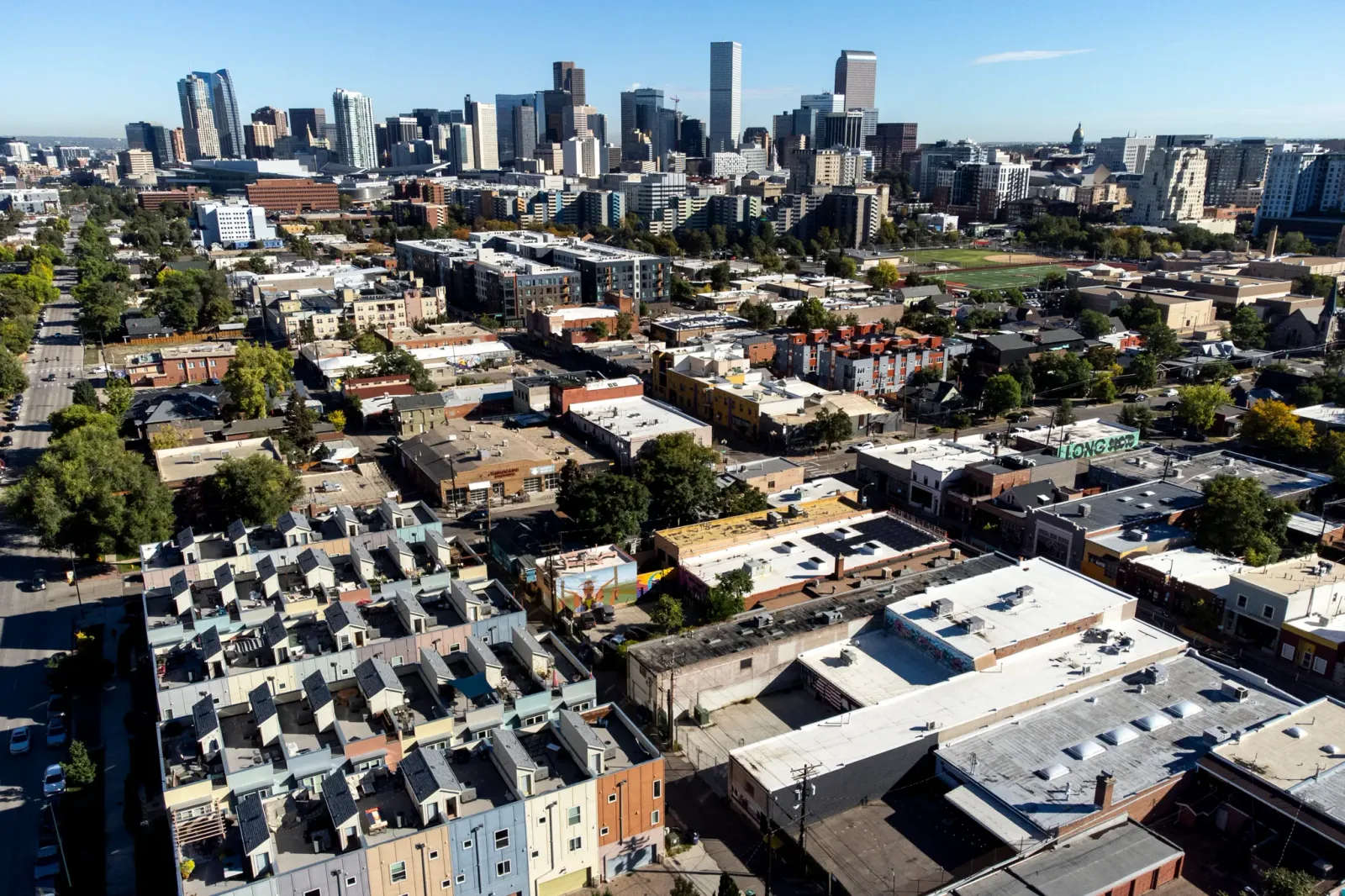
Adams, Colorado property owners face unique restoration challenges due to the area's proximity to major waterways, seasonal weather patterns, and diverse housing stock. The combination of spring snowmelt, summer thunderstorms, and aging infrastructure creates conditions that demand specialized restoration expertise.
Our comprehensive damage restoration services address the full spectrum of property damage scenarios common in Adams County:
- Water Damage Restoration - Addressing burst pipes, appliance failures, and storm-related flooding
- Flooded Basement - Specialized techniques for below-grade water intrusion and structural drying
- Sewage Cleanup - Safe remediation of contaminated water and biohazard materials
- Fire Damage Restoration - Complete reconstruction from structural damage to content restoration
- Smoke Damage Restoration - Advanced odor elimination and surface cleaning techniques
- Mold Removal - Professional remediation preventing health risks and structural deterioration
These services protect Adams residents from the long-term consequences of property damage, including structural deterioration, health hazards, and decreased property values. Quick response times and proper restoration techniques help minimize secondary damage and reduce overall restoration costs.
Common Damage Restoration Issues in Adams, Colorado
Adams County's location in the South Platte River valley creates specific vulnerabilities that property owners must understand. The area's elevation changes and proximity to multiple waterways increase flood risks during spring runoff periods.
Most frequent damage scenarios include:
- Spring flooding from rapid snowmelt overwhelming drainage systems
- Basement water intrusion due to high groundwater tables and clay soil conditions
- Sump pump failures during heavy precipitation events
- Frozen pipe bursts in older homes with inadequate insulation
- Sewer backups from overwhelmed municipal systems during storm events
Fire-related damage patterns often stem from:
- Electrical issues in aging residential infrastructure
- Wildfire smoke infiltration during Colorado's fire season
- Kitchen fires in older homes with outdated ventilation systems
- Heating system malfunctions during winter months
Warning signs Adams residents should monitor include water stains on basement walls, musty odors indicating mold growth, discolored caulking around fixtures, and unusual increases in utility bills suggesting hidden leaks. Early detection prevents minor issues from escalating into major restoration projects requiring extensive water damage restoration, mold removal, or structural repairs.
Neighborhoods We Serve in Adams
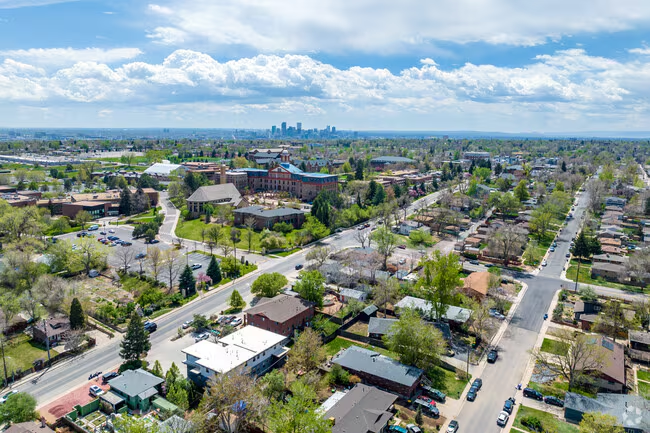
Our restoration services cover all Adams communities, from established residential areas to newer developments. Key service areas include:
- Central Adams - Historic downtown district with older commercial and residential properties
- Eastlake neighborhood - Mixed housing types with varying restoration needs
- Countryside development - Newer construction with modern building standards
- Industrial corridor - Commercial properties requiring specialized restoration approaches
We also serve surrounding Adams County communities including Thornton, Westminster, Federal Heights, and Commerce City. Each area presents unique challenges based on construction era, soil conditions, and proximity to water sources. Our technicians understand these local variations and adapt restoration strategies accordingly.
Rural properties on Adams' outskirts often require different approaches due to well water systems, septic considerations, and limited utility access. We maintain equipment and expertise to handle both urban and rural restoration scenarios throughout the greater Adams area.
Seasonal Damage Patterns in Adams
Adams experiences distinct seasonal damage patterns that property owners should anticipate:
Spring (March-May) brings the highest risk period for water-related damage:
- Snowmelt flooding affects basements and crawl spaces
- Frozen pipe thaws reveal winter damage
- Heavy spring rains overwhelm drainage systems
- Increased mold growth from elevated humidity levels
Summer (June-August) presents fire and storm-related challenges:
- Thunderstorm damage from hail and wind
- Wildfire smoke infiltration requiring specialized cleaning
- Air conditioning failures leading to humidity problems
- Sewer backups from intense rainfall events
Fall (September-November) requires preparation for winter:
- Heating system inspections prevent fire hazards
- Gutter cleaning reduces water damage risks
- Early freeze events can damage exposed plumbing
Winter (December-February) focuses on freeze-related issues:
- Pipe freeze and burst incidents peak during cold snaps
- Ice dam formation causes roof leaks
- Heating system overuse increases fire risks
Housing Characteristics & Restoration Considerations
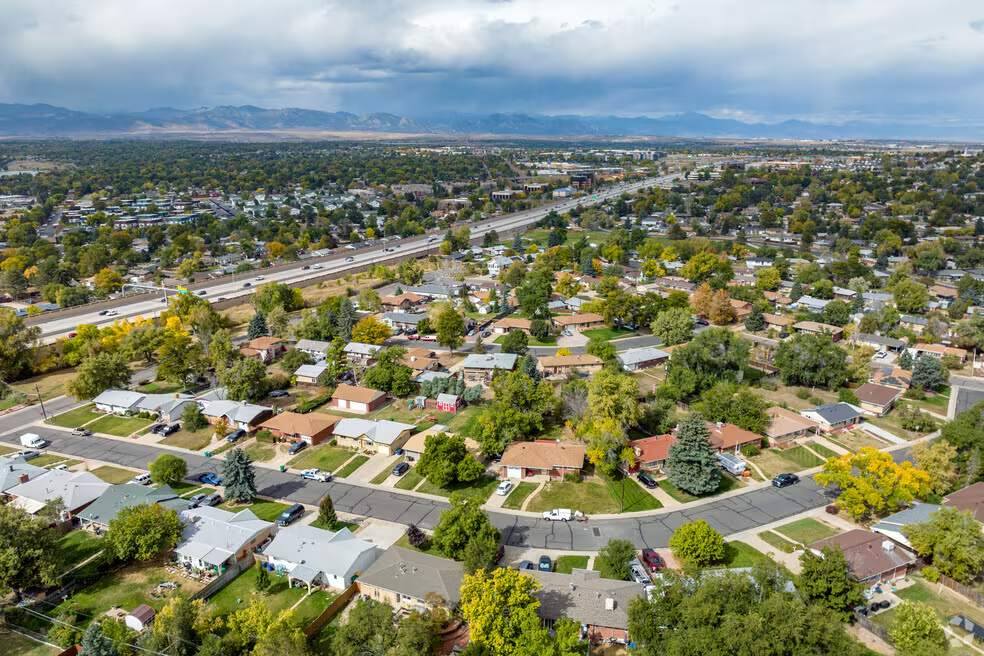
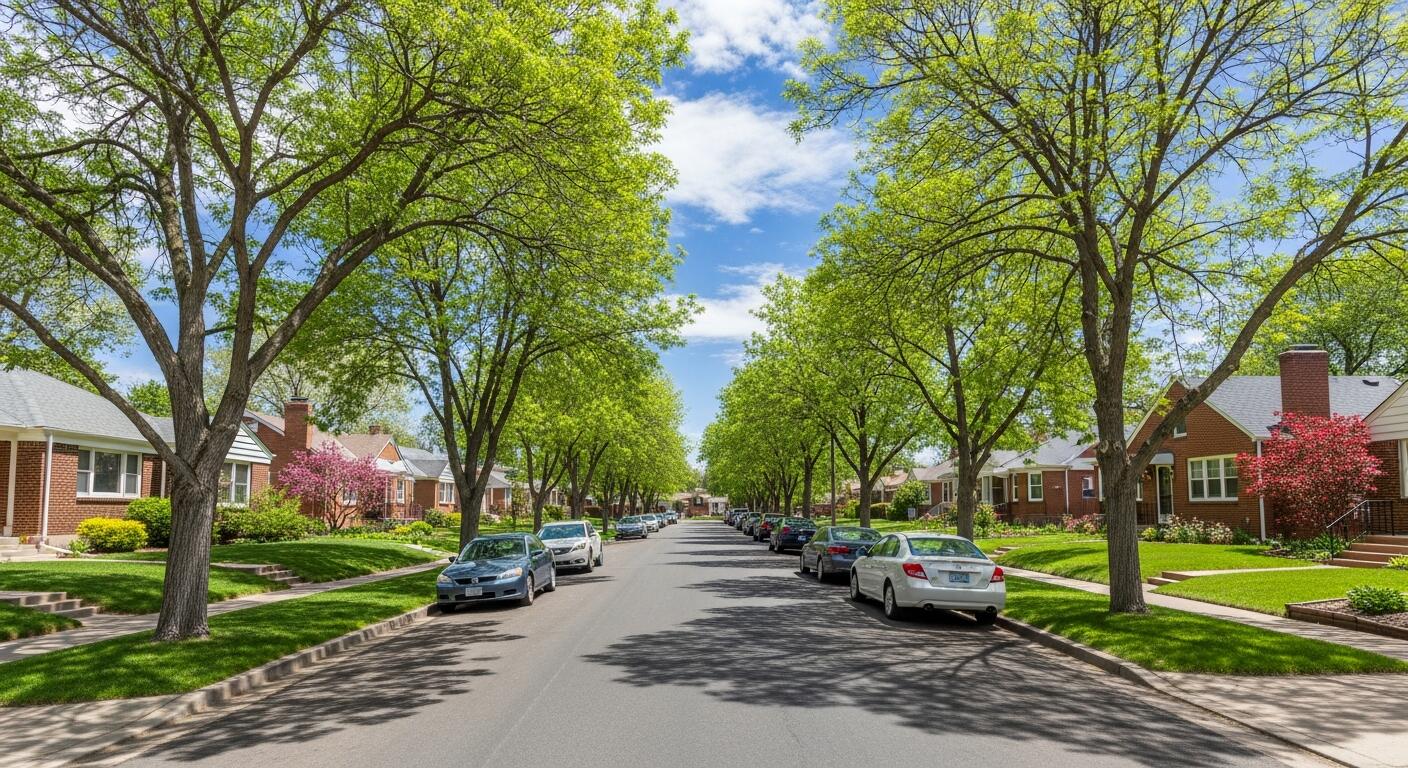
Adams' housing stock reflects multiple development eras, each presenting distinct restoration challenges. The community features a mix of post-war ranch homes, 1970s split-levels, and modern construction built to current codes.
Older properties (built before 1980) commonly require:
- Updated electrical systems to handle modern restoration equipment safely
- Asbestos considerations during fire and smoke damage restoration
- Lead paint protocols when accessing wall cavities for water damage repairs
- Inadequate insulation contributing to freeze damage and mold growth
- Clay tile flooring requiring specialized water extraction techniques
Mid-era homes (1980-2000) often feature:
- Polybutylene plumbing systems prone to failure
- Popcorn ceilings complicating smoke damage restoration
- Builder-grade materials requiring careful handling during restoration
Newer construction (post-2000) typically includes:
- Improved moisture barriers reducing water damage severity
- Modern HVAC systems supporting faster drying processes
- Fire-resistant materials limiting smoke damage spread
- Better basement waterproofing reducing flood risks
Ranch-style homes dominate Adams' residential landscape, with their single-story design affecting water damage patterns and restoration access. Basement levels in these properties often serve as living spaces, making flooded basement restoration more complex due to finished materials and electrical systems.
Environmental Conditions & Damage Implications
Adams' semi-arid climate and Front Range location create specific environmental factors affecting property damage and restoration processes. The area's elevation of approximately 5,200 feet influences humidity levels, precipitation patterns, and building material behavior.
Climate characteristics impacting restoration include:
- Low humidity (average 45%) accelerating natural drying but requiring moisture monitoring
- Temperature extremes from sub-zero winters to 90°F+ summers stressing building materials
- Intense UV exposure at high elevation affecting exterior restoration materials
- Sudden weather changes creating rapid freeze-thaw cycles damaging structures
Soil conditions significantly affect basement flooding and foundation issues:
- Expansive clay soils shift with moisture changes, stressing foundations
- Poor drainage characteristics increase water accumulation around structures
- High groundwater tables during spring runoff elevate basement flood risks
- Alkaline soil chemistry affects concrete and metal components over time
Air quality factors influence restoration approaches:
- Seasonal wildfire smoke requires specialized filtration during restoration
- High pollen counts affect indoor air quality post-restoration
- Dust from nearby agricultural areas complicates cleaning processes
Water quality considerations include mineral content that affects cleaning solutions, chlorine levels impacting certain restoration materials, and seasonal taste and odor issues requiring specialized filtration during sewage cleanup projects.
Adams County Infrastructure and Restoration Coordination
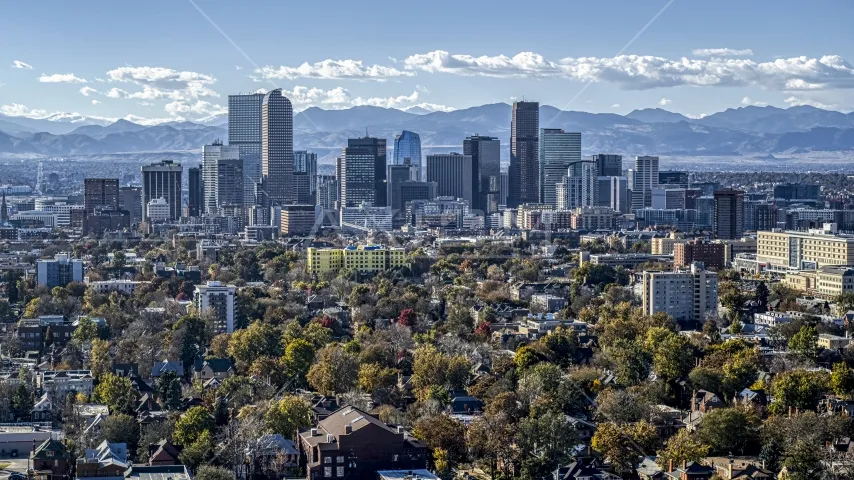
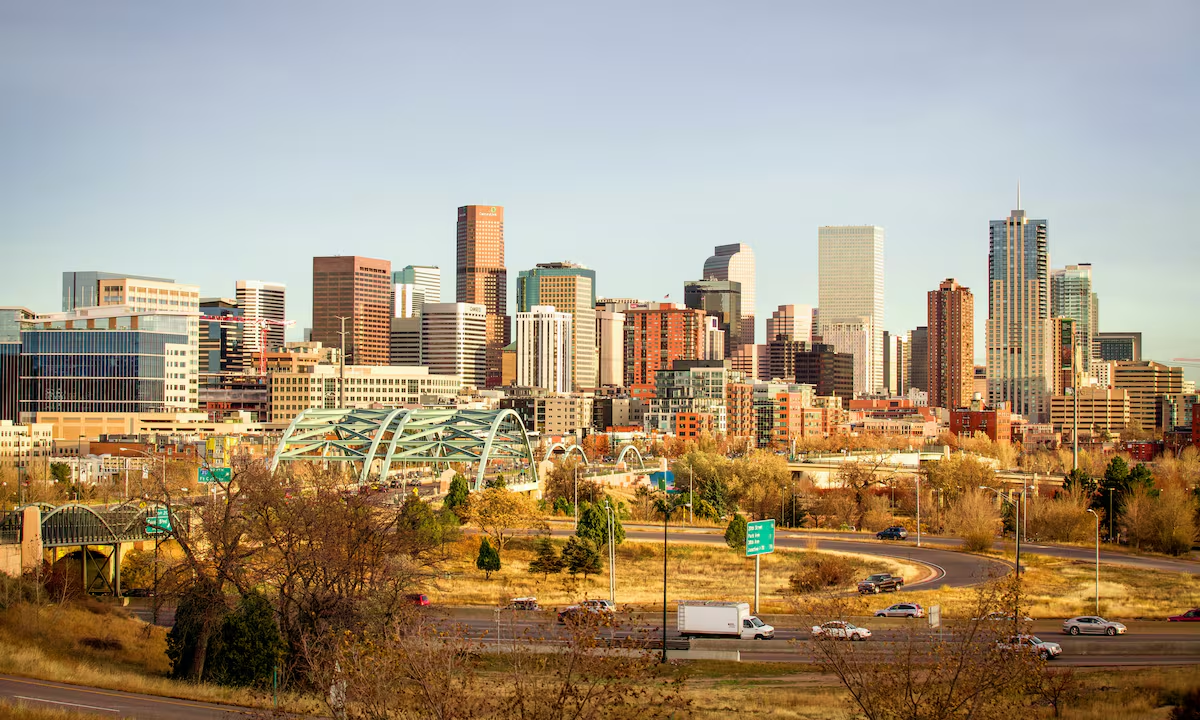
Adams' position within the greater Denver metropolitan area creates unique infrastructure relationships that directly impact damage restoration services. The community's connection to regional water systems, electrical grids, and transportation networks influences both damage patterns and restoration logistics.
Municipal infrastructure factors affecting restoration include:
- Aging water main systems prone to breaks that cause widespread flooding
- Combined sewer systems in older areas creating sewage backup risks during heavy rainfall
- Electrical grid vulnerabilities during severe weather events affecting restoration equipment power
- Limited emergency vehicle access in some residential areas during flood events
Coordination with local authorities becomes necessary during major damage events. Adams fire department protocols require specific documentation for fire damage restoration projects, while building department inspections may be required before restoration work begins on structural damage. Understanding these requirements prevents delays and ensures compliance with local codes.
The proximity to Denver International Airport creates additional considerations for smoke damage restoration, as flight patterns and wind directions can affect smoke dispersal patterns during fire events. Properties in eastern Adams may experience different smoke exposure levels requiring adjusted restoration approaches.
Regional emergency response coordination affects restoration timelines:
- Mutual aid agreements with neighboring communities during large-scale disasters
- Shared resources with Adams County emergency management
- Coordination with utility companies for power restoration during damage events
- Integration with regional flood warning systems for proactive response
These infrastructure relationships require restoration professionals to maintain strong local connections and understand regional emergency protocols. Effective coordination ensures faster response times and more efficient restoration processes for Adams property owners facing water damage, fire damage, mold issues, or sewage cleanup needs.